
This is the concluding article in a four-part series of articles providing a snapshot of modern life in China in observance of October 1, 2009, the 60th anniversary of the founding of the People’s Republic of China. It was published October 11, 2009 in the Insight section of the Idaho State Journal
————
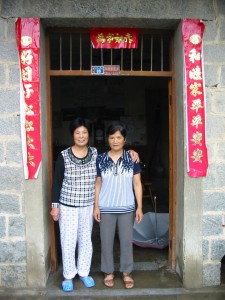
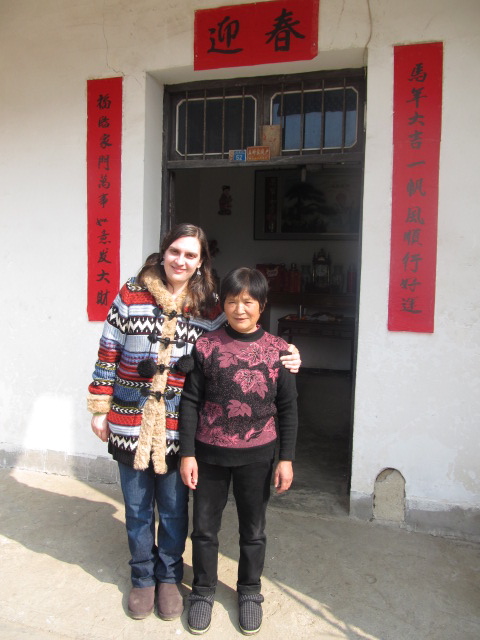
It was Chinese New Year 2003 when I first met Yu Kaiqi, the boy who would become my nephew. Almost a year old, he was bundled up in endless layers, like a silkworm cocoon — and just as precious to my future father-in-law, Yu Huimin, 61, who carried him everywhere. I was stunned. If this boy were in the US, his parents and grandparents would have been letting him teeter and totter on the floor, taking his first steps to explore the world. But not here. For almost the entire day, he was tucked safely away in his doting grandfather’s arms.
Today, Yu Kaiqi, now seven years old, is still the family’s center of attention — but for all the wrong reasons. Throwing objects at the teacher. Lying. Sassing his parents. Daily temper tantrums. Not going to bed on time.
Unfortunately, Yu Kaiqi is no anomaly in China. Some studies, including a 2006 paper from Jinan University, suggest that 11 percent of young Chinese children misbehave. Others, including a 2002 Qingdao University paper, put the figure at 23 percent. Suppose you apply that lowest estimate — 11 percent — to the 2000 China census count of 95 million two- to seven-year-olds. That adds up to as many as 10 million Chinese children troubling their families.
And when they’re vexed by a naughty child, families look for explanations. Jin Genxiu, my 55-year-old mother-in-law, believes Yu Kaiqi’s bad temperament is the cause. Yu Huimin blames the school environment and declining standards in society. But there’s a culprit more close to home: parenting. Continue reading “China’s ‘Little Emperors’: Children in country tend to be indulged by families”