Now a Featured Contributor for ‘China Views’ on China Daily Website

I’m thrilled to share that China Daily’s website ecently added me as one of the featured contributors in their “China Views” section on the Opinion page. (See my photo in the lower right-hand corner, which I’ve circled in red.)

You’ll now also find my regular columns right there on the website (as well as the paper and, often, its official WeChat account).

As always, thank you so much for reading and following my work!

13 Hot Travel Spots for Chinese Passport Holders in 2019

Traditionally, Chinese passports have been synonymous with onerous visa applications, in-person interviews and other bureaucratic headaches when considering international travel. That’s something I learned many years ago when I first tried to bring my husband, then boyfriend, home to the US with me.

But, to borrow that line from Bob Dylan, the (traveling) times, they are a’ changing.

Today’s Chinese tourists have just as much wanderlust as their Western counterparts, as more opt for independent travel and unique locales, and they also represent huge dollars in the international tourism industry. That has spurred a growing number of global destinations to welcome Chinese visitors with preferential policies.

Earlier this year Travel & Leisure and Lonely Planet posted their lists of the hottest travel destinations for 2019, and a number of the countries listed give easier visa clearance for Chinese citizens. So if you’re interested in hitting a buzz-worthy destination as a Chinese citizen, check out the following countries, listed in alphabetical order:

Image by Dean Moriarty from Pixabay

#1: Cambodia

The seat of the legendary Angkor Wat also offers superb beaches and a cuisine that shares much common ground with Thailand and Vietnam, not to mention some new ecotourism adventures in the country’s south (as mentioned by Travel & Leisure). And for Chinese passport holders, an e-visa (which you can pay for with Alipay and even a UnionPay card) or visa on arrival will help secure your vacation in the land of Khmer culture.

Image by Pete Linforth from Pixabay

#2: Egypt

Who hasn’t dreamed of gazing upon the country’s ancient pyramids, Sphinx, the Nile and more (made even more tantalizing in this mention on Travel & Leisure)? Fulfill your wish, thanks to Egypt’s visa on arrival for Chinese passport holders who meet some relatively simple requirements.

Image by Judith Scharnowski from Pixabay

#3: Jordan

Jordan has enticed many travelers (and Lonely Planet in 2019) with its iconic Jordan Trail (which includes the ancient city of Petra). The fact that it offers visas on arrival for Chinese passport holders further paves the way for your visit there.

Image by Herbert Aust from Pixabay

#4: Kenya

Besides the great outdoors and safari adventures, Kenya has also landed on savvy travelers’ must-see lists (including Travel & Leisure) for its vibrant arts scene in Nairobi. E-visas for Chinese passport holders will help kickstart your journey to this dynamic East African country.

Image by David Mark from Pixabay

#5: Kyrgyzstan

This far western neighbor to China has garnered rave reviews among a growing group of independent travelers for trekking and pristine landscapes (earning it a mention by Lonely Planet). Its e-visa offers a simple, convenient way for Chinese passport holders to gain entry and experience the stunning scenery.

Image by David Mark from Pixabay

#6: Malaysia

From picturesque Penang and to idyllic coastlines, islands and rainforests, Malaysia has long remained a trusty destination for Chinese passport holders – and it got a special recommendation from Travel & Leisure in 2019. An e-visa is all Chinese passport holders need before buying that ticket to Kuala Lumpur.

Image by Patrick Fransoo from Pixabay

#7: Oman

Considered by Travel & Leisure as “one of the most beautiful countries on the Arabian peninsula”, Oman has everything from brilliant beaches and desert wonders to the UNESCO Frankincense Trail. And Chinese passport holders just need an e-visa to set foot in this Middle Eastern gem.

Image by Walkerssk from Pixabay

#8: Seychelles

The Seychelles have seduced many a traveler to its shores with its Instagram-worthy beaches and forests straight out of a travel brochure (catching the eye of Travel & Leisure this year too). Even better, no visa needed for Chinese passport holders to visit this island paradise, so all you need to worry about is your plane tickets and luggage.

Image by Jason Goh from Pixabay

#9: Singapore

The success of the movie “Crazy Rich Asians” has catapulted Singapore, one of the first overseas destinations open to Chinese, to the top of many travelers’ itineraries (including Travel & Leisure), hoping to experience some of the swanky spots featured in the novel and film. Chinese passport holders only need an e-visa or, even simpler, the visa-free 96-hour transit option — then you’re one step closer to cocktails at the Marina Bay Sands Hotel.

Image by Roman Bader from Pixabay

#10: Sri Lanka

Lonely Planet says “Sri Lanka is decidedly having its moment in the equatorial sun,” and that’s especially true among Chinese travelers. They flock to its shores for the great temples, natural wonders, amazing beaches and surfing, mouth-watering curries, spice gardens, world-famous teas and more – especially because the country offers a visa on arrival or e-visa.

Image by Alex Sky from Pixabay

#11: Tunisia

From awe-inspiring Roman sites to glorious Mediterranean beaches, Tunisia has a lot for visitors – and it’s making a comeback with travelers in recent years, as Travel & Leisure reported. Even better, no visa required for Chinese passport holders, making this land of couscous especially tempting.

Image by Olga Ozik from Pixabay

#12: United Arab Emirates

United Arab Emirates has gripped the world with grand and glittering Dubai (which has everything from the tallest building on Earth to superior options for shopping). But Travel & Leisure also recommends rising star Sharjah for its beautifully preserved heritage and more. No visa necessary for Chinese passport holders to experience this Middle Eastern powerhouse.

Image by Simon Matzinger from Pixabay

#13: Zimbabwe

Home to the most mesmerizing views of Victoria Falls, Zimbabwe has inspired wanderlust among countless travelers, eager to gaze upon the superlative natural wonder (and more). It ranked No. 3 on Lonely Planet’s list of countries for 2019 – and it should get priority on your list, since Chinese passport holders can secure an e-visa/visa on arrival.

What other hot destinations for 2019 would you recommend for someone traveling on a Chinese passport? Let us know in the comments!

Conversations Reveal Power of People-to-People Exchanges – Pub’d on China Daily

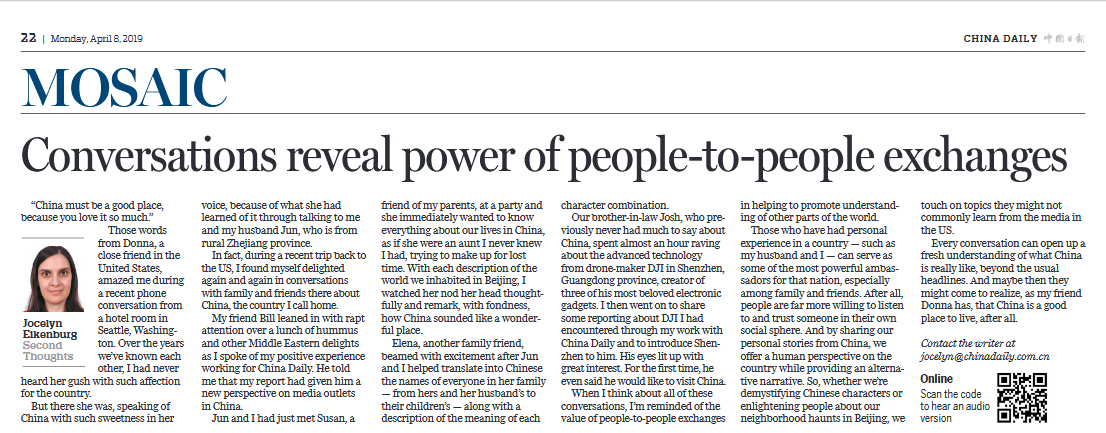
China Daily just published my latest monthly column, titled Conversations reveal power of people-to-people exchanges. Here’s an excerpt from the piece:

“China must be a good place, because you love it so much.”

Those words from Donna, a close friend in the United States, amazed me during a recent phone conversation from a hotel room in Seattle, Washington.

Over the years we’ve known each other, I had never heard her gush with such affection for the country.

But there she was, speaking of China with such sweetness in her voice, because of what she had learned of it through talking to me and my husband Jun, who is from rural Zhejiang province.

In fact, during a recent trip back to the US, I found myself delighted again and again in conversations with family and friends there about China, the country I call home.

My friend Bill leaned in with rapt attention over a lunch of hummus and other Middle Eastern delights as I spoke of my positive experience working for China Daily. He told me that my report had given him a new perspective on media outlets in China.

Jun and I had just met Susan, a friend of my parents, at a party and she immediately wanted to know everything about our lives in China, as if she were an aunt I never knew I had, trying to make up for lost time. With each description of the world we inhabited in Beijing, I watched her nod her head thoughtfully and remark, with fondness, how China sounded like a wonderful place.

Elena, another family friend, beamed with excitement after Jun and I helped translate into Chinese the names of everyone in her family-from hers and her husband’s to their children’s-along with a description of the meaning of each character combination.

You can read the full article here. And if you like it, share it!

The Unglamorous Reality of Citizenship in Chinese-Foreign Marriages

“So, do you have Chinese citizenship?”

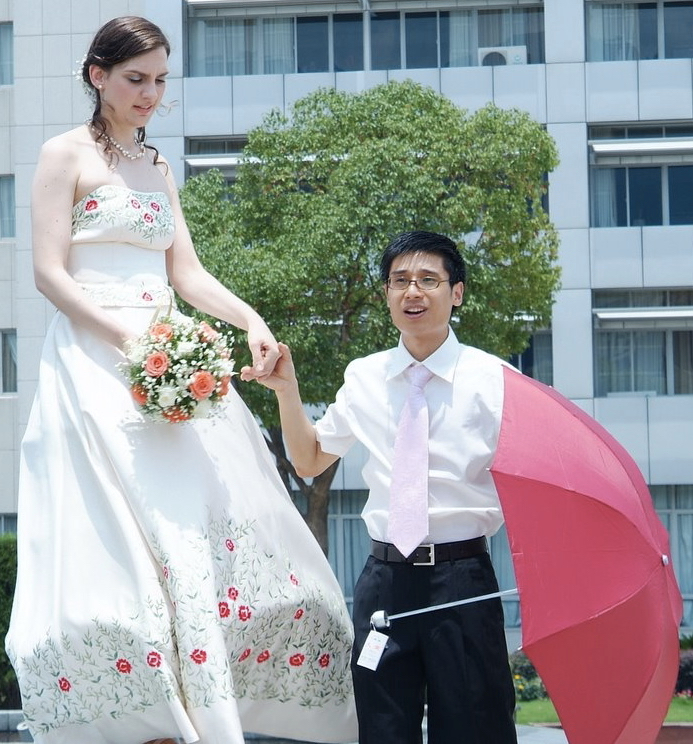
As a foreigner living in China and married to a Chinese citizen, it’s a question I’m intimately familiar with, especially from friends and family back home in America. Even I used to think the same thing growing up in the US — that international marriage automatically meant getting another passport. Wouldn’t it make sense that, in the most intimate of all bonds, loved ones could also share their own citizenship?

How I wish it were that easy. That somehow saying “I do” with someone from another country would magically make another passport pop out of thin air, with your name on it.

Invariably, I have to let everyone who asks this question down, dispelling those fantasies with a cold, hard answer: “No, I don’t have Chinese citizenship.” And sometimes, I might strangle any remaining hopes by adding the disappointing details of how it’s very difficult to gain Chinese citizenship, and that China doesn’t even allow dual citizenship, so I would have to renounce my US citizenship (something I would never want to do).

I’m reminded of how, years ago, people in China would ask my husband, after we had just tied the knot, “So, are you an American now?” And then we’d be forced to divulge the far more complicated reality — that first he would have to apply for a green card (which isn’t guaranteed), and then later he would be eligible to apply for US citizenship (which also isn’t a sure thing and requires taking an exam many Americans can’t even pass). And even if he received US citizenship, he would still have to surrender his Chinese citizenship. It’s a strangely dispossessing situation that he has never wanted to face, preferring to remain a citizen of China.

The clunky reality of how citizenship actually works — especially when Chinese and foreigners wed — is nothing like all of those gossamer hopes and dreams you might have had about international marriages. And I haven’t even gotten into the issues involving kids in a Chinese-foreign marriage (which my fellow blogger Susie writes about at WWAM BAM in a post that deals with citizenship issues). And if you really want to make your head spin, read about how kids and citizenship issues and the like left Ember Swift, who was married to a Chinese man, grounded in a Toronto airport.

Some people do get lucky in their international marriages, though. For example, Monica, an American woman married to a Korean man, could actually gain South Korean citizenship and still keep her US citizenship at the same time.

But what I know is this — as much as I would love for things to change, I cannot possibly measure the value of my marriage by whether it grants me an additional passport or dual citizenship. I care far more about the “dual” things that really matter in the passport pages of our life: love, respect and support. Jun and I have all of these and so much more in our marriage, which continues to bring us both boundless happiness. That’s something no passport could ever guarantee.

Rapeseed Blooms Bring Beauty and Lessons of Resilience – Pub’d on China Daily

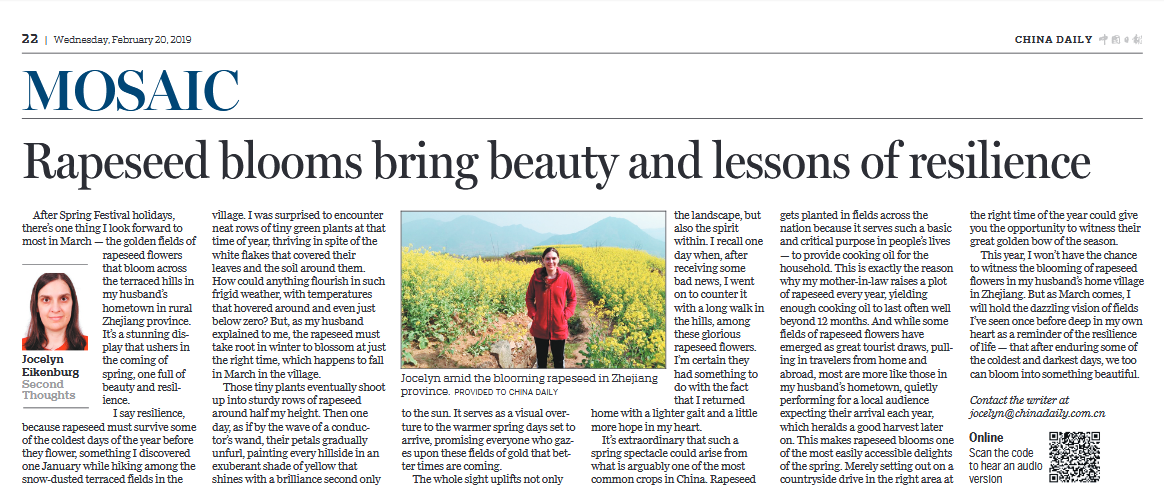
China Daily published my latest column titled Rapeseed blooms bring beauty and lessons of resilience. Here’s an excerpt:

After Spring Festival holidays, there’s one thing I look forward to most in March-the golden fields of rapeseed flowers that bloom across the terraced hills in my husband’s hometown in rural Zhejiang province. It’s a stunning display that ushers in the coming of spring, one full of beauty and resilience.

I say resilience, because rapeseed must survive some of the coldest days of the year before they flower, something I discovered one January while hiking among the snow-dusted terraced fields in the village. I was surprised to encounter neat rows of tiny green plants at that time of year, thriving in spite of the white flakes that covered their leaves and the soil around them. How could anything flourish in such frigid weather, with temperatures that hovered around and even just below zero? But, as my husband explained to me, the rapeseed must take root in winter to blossom at just the right time, which happens to fall in March in the village.

Those tiny plants eventually shoot up into sturdy rows of rapeseed around half my height. Then one day, as if by the wave of a conductor’s wand, their petals gradually unfurl, painting every hillside in an exuberant shade of yellow that shines with a brilliance second only to the sun. It serves as a visual overture to the warmer spring days set to arrive, promising everyone who gazes upon these fields of gold that better times are coming.

The whole sight uplifts not only the landscape, but also the spirit within. I recall one day when, after receiving some bad news, I went on to counter it with a long walk in the hills, among these glorious rapeseed flowers. I’m certain they had something to do with the fact that I returned home with a lighter gait and a little more hope in my heart.

Read the rest of the column here. And if you like it, share it!

Romance in the Chinese Lantern Festival – Why the Holiday Lights Up Hearts Too

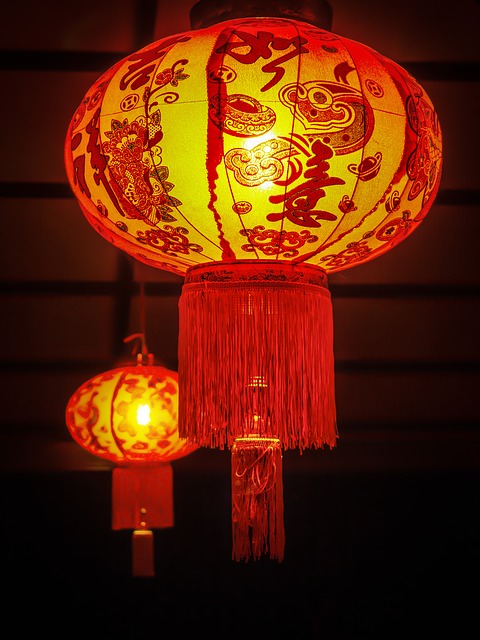
In Chinese culture, the Lantern Festival, which falls on the 15th day of the lunar new year (Feb 19 this year), sees celebrations marked by elaborate displays of colorfully illuminated lantern installations. Even in the coldest of weather, people will brave the elements just to get out and visit lantern exhibitions all across Asia.

But just as the Chinese Lantern Festival lights up the night, it has also traditionally lit up young hearts as well.

A few years ago, I discovered its connection to romance when the holiday happened to fall on Valentine’s Day:

In China some have dubbed the Lantern Festival the real Chinese Valentine’s Day. In the past, unmarried women were not allowed to freely leave their homes. But during the Lantern Festival, they had the chance to come out with chaperones and enjoy the lanterns in public, a wonderful opportunity to meet potential romantic partners as well.

The fact that this holiday traditionally served to encourage courtship has led people to dub it the true Chinese Valentine’s Day, instead of the Qixi Festival or Double-Seven Festival, which falls on the seventh day of the seventh month in the lunar calendar.

Plus, anyone who has ever visited displays of lanterns knows just how romantic the entire atmosphere can be. The bright, colorful glow of the lanterns at night creates this magical backdrop certain to warm the hearts of any couple. And in this scenario, to borrow the lyrics of the Patti Smith and Bruce Springsteen song, “…the night belongs to lovers”.

Whether you have romance on your mind or not, a visit to a lantern display in your area will surely light up your heart. And who knows? Maybe you just might meet that someone special during the Chinese Lantern Festival.

What do you think about the romantic side of the Lantern Festival in Chinese culture?

No Time for ‘Marry Me’: Train Couple’s Fleeting Rendezvous Warms Hearts Across China

This past week at the office, one of the biggest — and most moving — love stories to come across my desk came just in time for Valentine’s Day. It’s the story of the train couple Hao Kang and Lei Jie, a pair who have such difficulty meeting each other that the man, Hao, compared the chance of even seeing Lei while on the job with winning the lottery.

He’s a freight train driver who works at Yulin Station in Shaanxi province (where they’re both from), while she’s a train attendant on a line that stops every day at Yulin Station at 12:37 am. Sometimes they won’t see each other for months. And when they do, it usually happens when she’s standing at the entrance gate on train where she works, which means less privacy and little time during the stop.

Both had to work during the recent holidays, and Hao decided to surprise his girlfriend at the Yulin Station with a special Chinese New Year’s gift — a diamond engagement ring.

Yet because her train arrived to the station late, due to snow, and she got transferred to a different carriage that evening, Hao lost a lot of time in trying to find her for this crucial meeting. And when he did, they only got 112 seconds together, not even enough time to utter the most important words for a marriage proposal: marry me.

This couple and the extraordinary tale of their fleeting rendezvous, moved so many people, turning them into one of the most popular holiday stories in China.

Want to watch it all unfold? See the video on China Daily with English subtitles or, if you’re in China, view the original at China Central Television.

Have you heard about this train couple from Shaanxi province? What do you think about their love story?

An Interview With PK Mahanandia, the ‘Amazing…Man Who Cycled From India to Europe for Love’

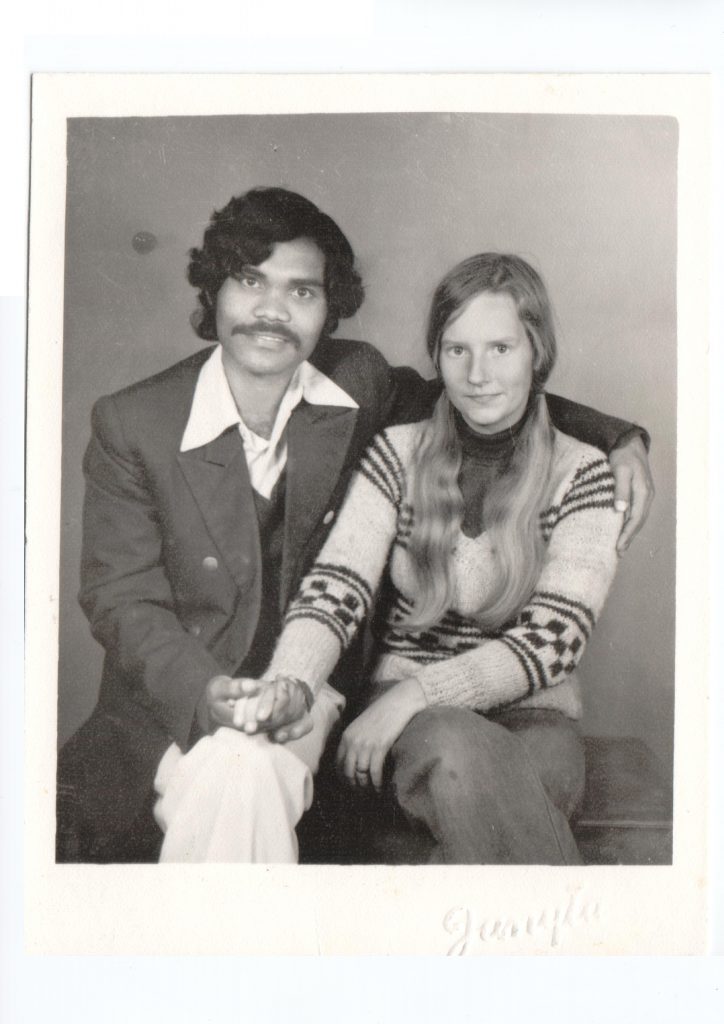
An outcast Indian man and a Swedish woman from nobility fall in love in the 1970s, and he later embarks on a journey by bicycle from India to Sweden to reunite with her.

This extraordinary real-life story sounds like an epic novel we’d all long to read. And now we can, thanks to the publication of The Amazing Story of the Man Who Cycled from India to Europe for Love, an English translation of the original book written by Swedish journalist Per J. Andersson.

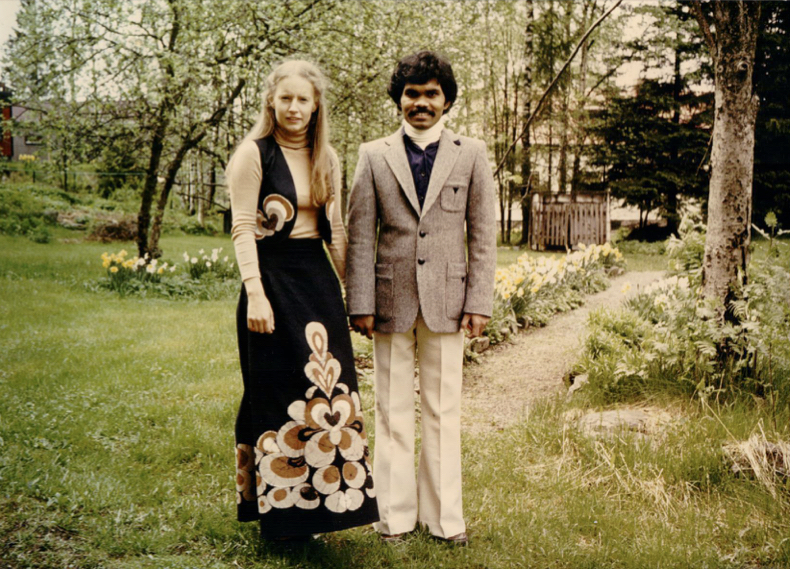
The book goes beyond the thrilling tale of how PK Mahanandia bridged that great distance to meet with his destined wife Charlotte Von Schedvin, also probing his formative years leading to that daring move. It traces everything from PK’s boyhood in rural Athmallik, India, up to the events that eventually spurred the then newly graduated art student in New Delhi to purchase a Raleigh bicycle and set off on the road. While the dramatic journey doesn’t take place until about two-thirds into the book, the narrative still weaves a compelling story that touches on significant issues in PK’s life, such as the influence of India’s caste system. And once you do hit the road with PK, it’s a spellbinding trip with many unexpected twists and turns on the way to Sweden.

I recommend this book to anyone who enjoys travel memoirs and cross-cultural love stories.

It’s my honor and pleasure to introduce you to the story through this interview with the subject of The Amazing Story of the Man Who Cycled from India to Europe for Love, PK Mahanandia.

You can learn more about PK and the story at PK’s website as well as through my piece in China Daily and this blog post of mine about PK’s journey. The Amazing Story of the Man Who Cycled from India to Europe for Love is available on Amazon, where your purchases help support this site.


Tell us about the when you and Lotta first met.

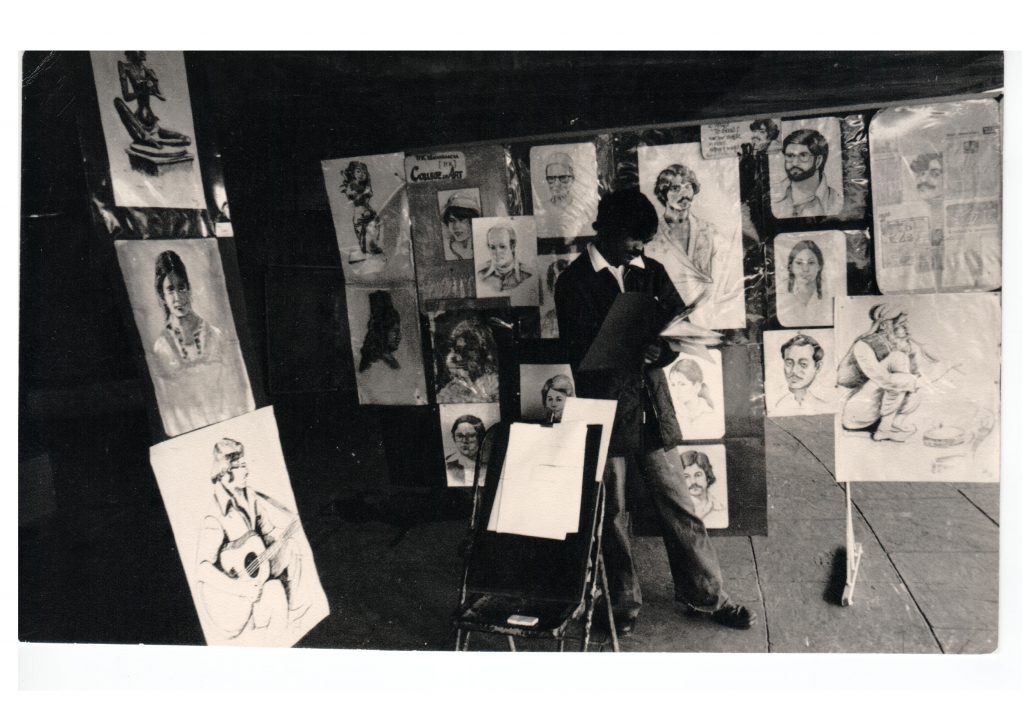
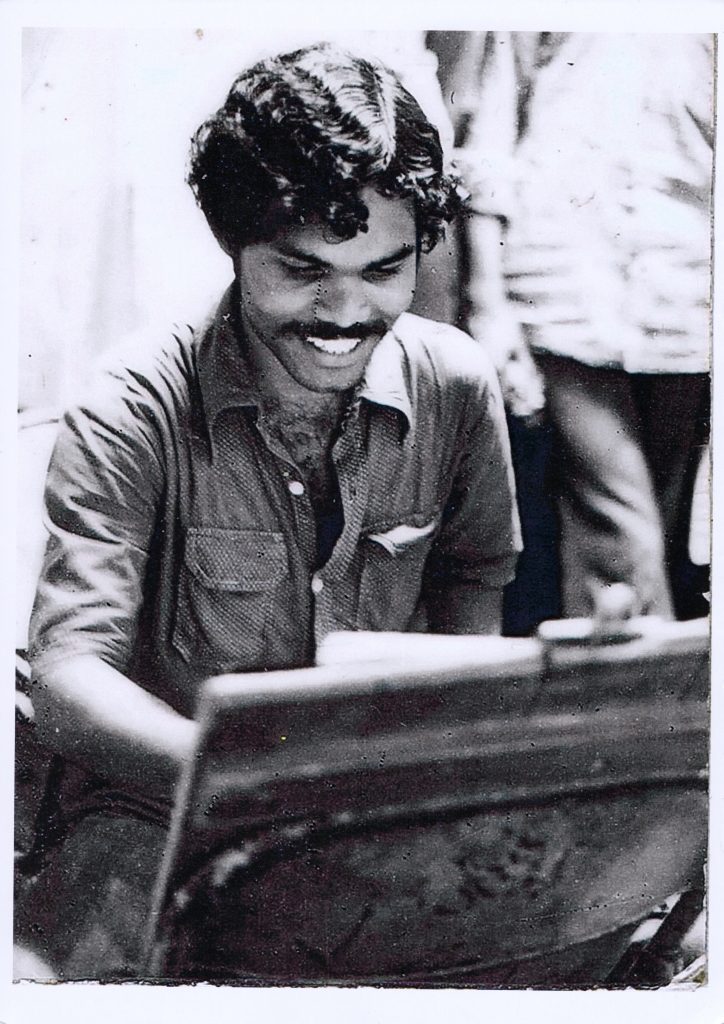
It seems like yesterday even though it was more than 40 years ago, when she came that evening. That date I don’t forget — Dec 17, 1975, under the fountain in the center of New Delhi. There is a shopping center called Connaught Place — round buildings, Victorian-style buildings in circular form, in the center of the garden. Under the fountain I had my easel and I used it to paint. When she came the first time, I had long hippie hair. It was an international symbol of national brotherhood. It was a cold December morning. When she came, she had blue eyes and long blonde hair. I got a little nervous, I remember — she’s so beautiful, maybe I cannot sketch her? I was really doubting myself. I started doing the sketch, and my hand was shaking. I had this strange feeling — I felt weightless and my hippie hair was flying away. I wanted 10 rupees, and she gave me 20. I felt sorry for her – this tourist, she can’t count. I returned 10 rupees. “Only 10 rupees, not 20,” I told her. And she said, “Keep it, you need it.” She took the portrait and left.

The second day, when she came back the next evening, the moment I saw her, I worried that maybe there was some mistake or the portrait was not correct. She said, “No I’m satisfied — I want another portrait.” After she left for the second time, then I asked myself, “My God, why am I feeling the same strange feeling in my body. I am breathless. Why? This must be something.”

Then I was searching for her around the fountain, but I didn’t find her and I went back home. I never pray to Hindu gods, but that evening I was sitting in front of the statue of Ganesh, for an hour. I said, “Please help me Ganesh, god of wisdom, that this tourist must come back again, I want to speak to her.”

I was thinking of the prophecy too. My mother said,  “We are not going to arrange a marriage for you — your wife will find you. Her sign is Taurus, she plays the flute, and she owns jungles. So I was thinking very much of her.”

So then I came for the third evening at Connaught Place. I decided if she comes, I won’t work, I will write that the artist is sick. Suddenly I saw in the traffic lights she is approaching. The closer she came to me, I felt this same strange feeling, and my hair started flying every way.

I greeted her, “Namaste.” I said I would do a thousand portraits of her, but I’d like to ask a few questions. She said, “Yes, you are welcome.”

I asked, “Are you born in May?” She said, “Yes, how do you know that?”

The second question I asked was if she was playing the flute or was a musician. “Yes,” she said, “I am a music teacher and I’m studying music.”

The third question I asked was if she owns a jungle. “No, not a jungle, I call it a forest. Yes, I am a forest owner — my family has owned a forest for 300 years.”

Then I knew that we were destined to meet. I showed her the heavens with my hand, stretching toward heaven. I said, “Look, it is decided in the heavens. We are destined to meet.”

After being apart from Lotta for a long time, you finally decided to begin your bicycle journey to reunite with her. Could you share with us some of your experiences while on the road? Were there any memorable connections you made?

One person I met in Herat [in Afghanistan] was an Afghan guy who was a young artist my age. I did his portrait. He said, “Where are you living in India?” I told him, “I am going to meet my love.” Then he said, “Really? I’m in love with this lady. My love is very close to me.” So we talked about love.

I said, “Why can you not marry your loved one?” He said, “I can show you my loved one.” He took me to his art school in Herat, where he was the teacher. Some girls were sitting with a book. “It’s my student — I love her, but I cannot marry her, because her father will kill me,” he said. He was very, very nervous. “Do you have any advice for me? She is in my classroom every day and I would like to marry her. I said, “If you think the father will kill you, just run away with her — just run away outside the country and marry.”

He and I became very close friends within one week. I visited the school and I saw the girl in the class. He invited me to see his father and mother.

Later I came to Sweden. I used to write to him, and he used to reply, but after the Russian invasion, the connection was cut off, with no more letters.

A few years ago, I was searching [for this friend in Herat]. I found a name in Munich. I wrote to this person, asking, “Are you the person in Herat?” And she replied, “I am the widow of that man.” So I met with her again — he did exactly what I had told him. They fled after the Russain invasion to Russia, and then they came to Germany. We reconnected after 40 years. I didn’t meet my friend but his wife.

Your journey was a difficult one. Could you give us a sense of what it felt like to be on the road in those most challenging moments?

Sometimes I was thinking maybe I will die on the way and no one would know I am dead, as my family members wouldn’t know where I am. But at the same time I was thinking my mother said I will be a very old man, so it was not my time to die.

Sometimes I was so exhausted, I was sleeping and feeling like I am out of my body, like I was already dead. Sometimes I had lost strength. But I was getting letters [from Lotta] through post restante. The moment I got a letter from her, then I was so happy.

What was it like when you came to Sweden? How did people react to you and your marriage?

When I came to Sweden, people were surprised. You have this system in Sweden that is the same as India’s caste system. People became fascinated because Lotta belongs to nobility, and little more than 6,000 families in Sweden are nobles. (They used to only marry other nobles traditionally.) But then I am black and below the blacks, actually [as an outcaste man]. They were very surprised, because they know that nobles have a very strict upbringing traditionally — who to marry and how to marry, everything is structured. But not commoners. When I came to this family and when I went to the house of nobles in Stockholm, I was the first black Indian person to go — it was something strange for them.

People didn’t believe that we can be together for long; they are surprised we are married for more than 40 years and everyone wonders how. It is simple — it is because we are from very different backgrounds. We became strong because we learn from each other. She has learned about the jungle life from me, and I have learned about the noble life from her. Our dissimilarities are our strengths.

The book has become a worldwide phenomenon, with translations in multiple languages around the world. Could you tell us about how the book came to be?

They started writing articles about me since I landed in Sweden, I broke the old tradition [with my marriage], that is why.

[Per J. Andersson] wrote an article about me in his travel newspaper in Scandinavia, Vagabond. He’s the founder and editor of the publication also. Many people liked the article and wanted to know more.

By that time there was also a famous Swedish photographer who was working for National Geographic, and before I met Lotta I met him — he was Swedish. He started doing a documentary about me. (He passed away but his assistant completed it.) That documentary, My Grandfather Was a Tribal Chief, was shown four or five times in Sweden. I heard that in many American schools teachers showed that film. I received thousands of letters from the US.

So this journalist Andersson wrote the article, and said, “Your film is already popular, so people will think it’s also a book, but there is no book. It would be nice to write a book.” He traveled with me to my village in India and the tribal areas, with Lotta. I gave him my diaries and letters I wrote to Lotta, and he wrote the book.

Do you have a message you would like to send to others?

I feel everything has a meaning — nothing is meaningless. This life is to live, to love, to love others and to be happy. We are all connected. The moment we think we are separated, that is how suffering starts. Life is not to suffer. Here and now is the time to enjoy life and be happy.

How Are Age and Chinese New Year Connected? – Pub’d on WWAM BAM

The group blog WWAM BAM just published my post titled How Are Age and Chinese New Year Connected? Here’s an excerpt from that piece:

Years ago, when I went to have my fortune read at the Shihlin Night Market in Taipei, the fortune-teller gave me quite a shock when he declared me two years older than what I considered my actual age.

“But I’m not that old yet!” I insisted. Had this guy misread my birthdate? While I could live with one extra year — something I had become accustomed to from living in China, a culture where you’re considered 1 years old the day you’re born — two was pushing it.

What I never realized at the time, however, was that this “extra year” had something to do with Chinese New Year.

As I mentioned before, I’ve known for a long time that people in China count your age differently, with newborns being 1, not 0, years of age.

So how does Chinese New Year fit in with age?

To read the full post, head on over to WWAM BAM. And if you like it, share it!

China Daily Videos: Watch Me Discuss Family Small Talk, Delivery for Chinese New Year

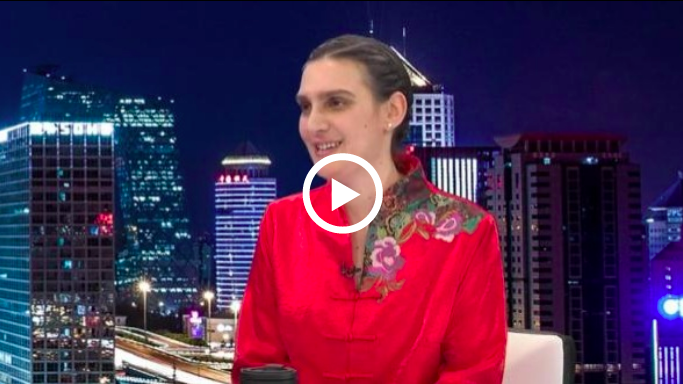
Recently, I served as a guest for two Chinese New Year-themed videos for China Daily, where we discussed online delivery of Chinese New Year goods and also how to navigate family small talk during the holidays. For anyone who has ever wondered, “What does Jocelyn sound like?” here’s your chance to hear and see me in action!

My favorite is Holidays with family: Small talk strategies:

In this video, the staff at China Daily website shares their experiences during family gatherings and summarizes a list of “safe” topics to help you navigate holiday conversations.

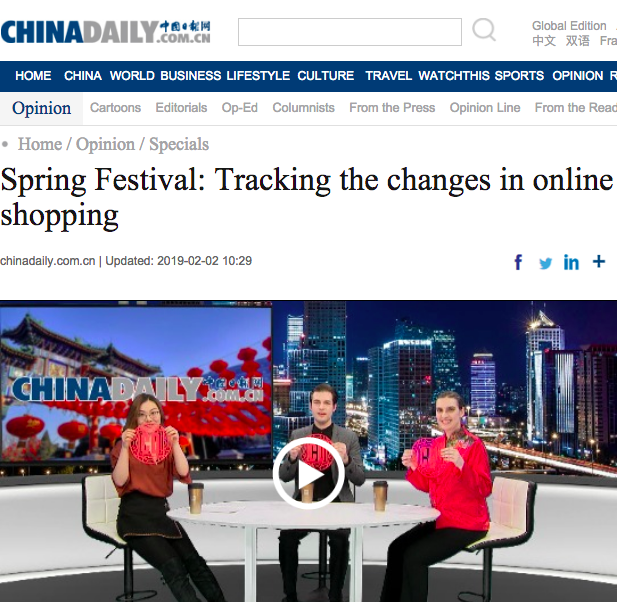
The other video is Spring Festival: Tracking the changes in online shopping:

For Chinese New Year, many people shop for a wide range of holiday goods, known as nianhuo in Chinese, and the staff at China Daily website are no exception. In this video, they talk about their nianhuo shopping experiences, and their concerns of the possible dark side of the shopping spree, while also delivering their best holiday wishes to you.

Have a look and let me know what you think! And if you like them, share them.

Wishing everyone a Happy Chinese New Year!