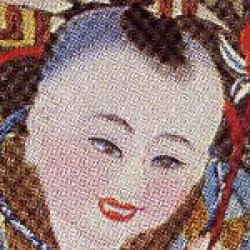

When you’re in love, and only see each other every two weeks, on the weekends, you romanticize every meeting. You want it to be as perfect as a Tang-dynasty couplet, and script out the possibilities even before your lover arrives. You practice a new phrase, such as wàngchuānqiūshuǐ (望穿秋水 – awaiting you with great anxiety), to say when he comes, and might just even stand on the streets with roses to greet him — just as I had before.
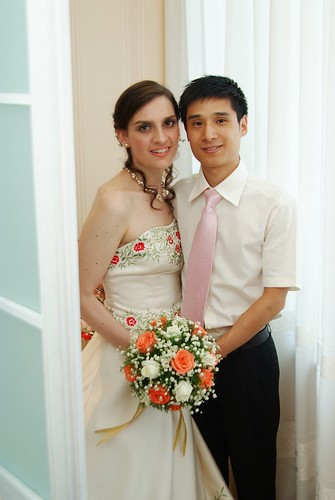
After my painful meeting with Mr. Fang, I romanticized the arrival of John, my Chinese boyfriend, on the weekend of December 13, 2002, even agreeing to meet John at the Hangzhou railway station, as if I was starring in some dramatic reunion scene in a movie.
Except, real life often departs from your own script. Sometimes, you hope for romance — and what you get, instead, is stomach inflammation.
I should have felt it coming, the way I inexplicably collapsed into his arms during the taxi ride home. It wasn’t like me to feel so drained. I expected it was simply the lingering stress of Mr. Fang’s confrontation, weighing on my exhausted frame. A good night’s sleep, with John, my Chinese boyfriend, by my side, would surely restore me.
Or not. Continue reading “Chapter 34: Love in the Time of Stomach Inflammation”

 As a foreigner in China, sometimes you touch people in ways you never realized. Something you say or do in a moment — a small, forgettable thing to you — becomes a lasting impression to someone else.
 Tony asks:
 I wanted it to be just another Saturday — as it was to my Chinese coworkers. I rode the number 44 bus to the office, as always. I took the elevator up to floor 12. And when I came to my desk, there was my ex-Chinese boyfriend, Frank, still sitting next to me, as usual.
 When you’re a foreigner in China, the most common phrase you might hear is: “Can you teach me English?” Your foreign face is like a walking advertisement that new friends or friends of friends can’t help but answer — because they live in a world where English could determine their future, or change their destiny.
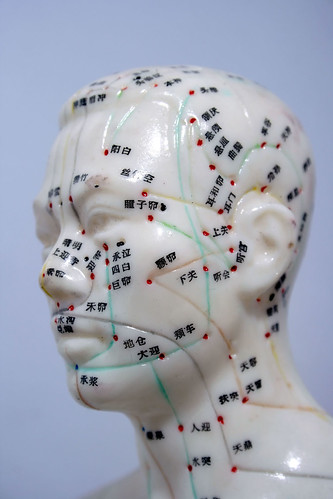 In Chinese traditional medicine, there is a saying: anger hurts your liver, melancholy hurts your lungs, thinking hurts your spleen, happiness hurts your heart. The thing is, we are all angry, melancholy, happy, or just thinking at different times in life. What hurts is when we do it too much, without balance.
