
Many years ago, when I first stepped foot into that Beijing airport, there was one thing I desperately longed for. Something that, no matter how hard I tried, it could never fit into my luggage.
A better understanding of China.
I had spent the previous months that summer on a crash-course in all things China. It was a frantic attempt to fill in the gaps that my educational background – a newly graduated environmental biology major – didn’t begin to cover. I read stacks of books and every news story I could find about China. I reached out to Americans who had lived there and peppered them with all sorts of questions about the country. I even talked to students from China.
But despite all of that, I felt woefully uninformed about China as I took those first tentative steps there as a foreigner. It wasn’t easy to find a book that encompassed everything I wanted to know about the country – the culture, literature and history, as well as the people, places and even guidance for foreigners new to China.
If only A Geek in China, the new book by Dr. Matthew Christensen, had been around then.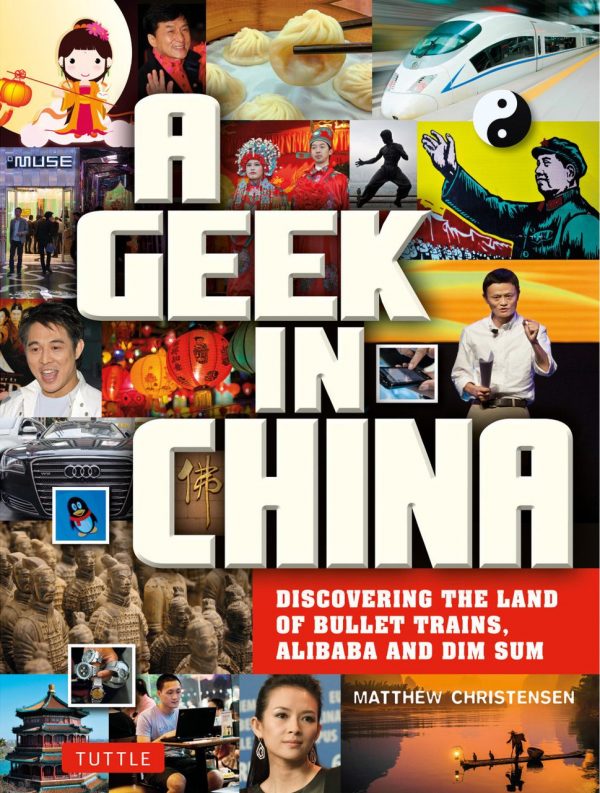
A Geek in China is the perfect book for anyone who wants to be culturally savvy about China, fast. In 150 pages that make for terrific reading, you can quickly transcend the usual travel guide stuff on China and really delve into the intricacies of the country.
You’ll find out who is Li Bai and why everyone loves the Monkey King. You’ll meet the butterfly lovers, China’s version of Romeo and Juliet, and get a rundown on how to order Chinese food and where to find the best eats, wherever you are. You’ll read about the meaning of a “harmonious society”, how Chinese date and marry, and many popular slang terms, including diaosi. You can discover why more people in China own dogs, what it’s like working in a Chinese office, and how to make the most of your study abroad experience in China. You’ll learn about the growth in Chinese overseas tourism, superstar singers such as Faye Wong and Teresa Teng, and talented artists beyond Ai Weiwei (such as Ding Yi). You’ll get a rundown on the best movies, TV shows and actors today. You’ll also find recommendations for where to travel, from Beijing’s Great Wall to Xinjiang’s ancient desert oasis of Tuyoq.
By the time you finish A Geek in China, you’ll gain a more nuanced, comprehensive understanding of China – and also have all the basics to talk intelligently about the country with average people. I’ve met many foreigners who have been here for years and still don’t know a lot of the information in this book. It should be required reading for anyone who wants to be more knowledgeable about China, especially when it comes to basic cultural literacy.

I’m honored to introduce A Geek in China and Dr. Matthew B. Christensen through this interview.
Here is Dr. Christensen’s bio from his publisher:
Dr. Matthew B. Christensen holds degrees in Chinese, international relations, and Chinese linguistics. He is Professor of Chinese in the Department of Asian & Near Eastern Languages at Brigham Young University where he has been teaching for the past twenty years. His research interests include Chinese language and culture, Chinese poetry, Chinese culinary culture, and teaching Chinese as a foreign language. He blogs about his adventures exploring China at intothemiddlekingdom.com.
You can learn more about A Geek in China at Tuttle Publishing, and follow Dr. Christensen on his blog. A Geek in China is available at Amazon.com, where your purchases help support this blog.
—–
Tell us how you came to write this book.
I have been interested in cultural literacy for quite some time now. By cultural literacy I mean the kinds of everyday knowledge that kids in China grow up with, like who Confucius was, the importance of face in Chinese culture, and the Chinese obsession with food and eating. I teach Chinese at the university level and it is disheartening to see students with good language skills but have never heard of the famous poets Li Bai or Du Fu. It would be like someone in the West who had never heard of Shakespeare. With this book I wanted to provide short essays on the many cultural references that come up in everyday speech, in the news, literature, film and so on. If you don’t understand something about Chinese history and culture, you miss an awful lot in everyday conversations and in the media.
Could you talk about how you approached the research for this guide?
The research for this book was a combination of several things, including books from my own library, Internet sources, previous research for other projects (my previous book Decoding China), first-hand experience, as well as native Chinese colleagues and students. Some of the topics I am quite familiar with, such as the sections on the Chinese language, Chinese food, communication, history and so on. However, there were sections that took a great deal more work. Being at a University, I was also able to get feedback from colleagues as well. For example, the section on Chinese history was fact-checked by a colleague in the Department of History, and the sections dealing with politics were reviewed by a colleague in political science who specializes in Chinese politics.
I am not too big on popular culture so I had to rely on native Chinese colleagues and Chinese students for the sections on television, film, and pop music. For those sections I would do some research, then have native Chinese review it and give me some feedback and suggestions. When I did use the Internet I tried to focus on academic-oriented websites and always double and triple checked all my information for accuracy.
You cover so much information in this book. Was it difficult deciding what to include — and conversely, what to leave out?
Yes, it was difficult. Obviously, one could write volumes about China and the Chinese. I wanted this book to be accessible to a broad audience. The biggest challenge was to keep the essays succinct, especially in areas that I found most interesting. What I find interesting may not be of that much interest to the general reader, so I had to keep things broad and general. In the end, I was thinking about my students and others who plan to go to China and the kinds of information that would be most valuable for them to know.
What was your favorite section or chapter to write, and why?
I’m pretty passionate about Chinese food so that was a fun chapter to work on. I’m actually working on a book about Chinese culinary culture so I really had to cut back on this section of the book. Chinese food is so varied and complex and over my career I have been exploring all the different varieties around China.
Your guide includes an entire section just about the experience of being a foreigner in China, including a helpful list of dos and don’ts. Could you share with us some of the tips you wish you had read when you were first coming to China?
When I first went to China in the early 1980’s there was very little written about visiting China. There were lots of history books about China but most things were academic in nature and did not deal with encountering the Chinese at the street level. Most of that section would have been very valuable for me to have. Instead I had to learn mostly through experience, trial and error, and so on. I did do some reading about Chinese philosophy which was helpful in understanding how the Chinese view the world, and how their behavior is a reflection of their world view.
You recommend a number of off-the-beaten path destinations in China. Could you share with us one of your personal favorites and tell us why you love it?
I’m quite fond of Tibetan culture, but it is expensive and more difficult to travel in Tibet proper. Yunnan Province, particularly the northwest part of the province that borders Tibet and Sichuan Province, is a great place to visit Tibetan communities without the hassle of getting the permits and guides to travel in Tibet. The city of Shangrila is a great jumping off point to exploring the surrounding mountainous area that is full of Tibetan villages. I did a few posts on my blog (intothemiddlekingdom.com) about this area.
—–
A big thank you to Dr. Matthew Christensen for this interview! You can learn more about A Geek in China at Tuttle Publishing, and follow Dr. Christensen on his blog. A Geek in China is available at Amazon.com, where your purchases help support this blog.
 #1: Make a virtual date
 #3: Send your loved one a care package through online shopping



 #1: Be totally antisocial
 #3: Dress in shabby or old clothing





 #2: Make it romantic
 #3: Enjoy some traditional Chinese Winter Solstice Foods


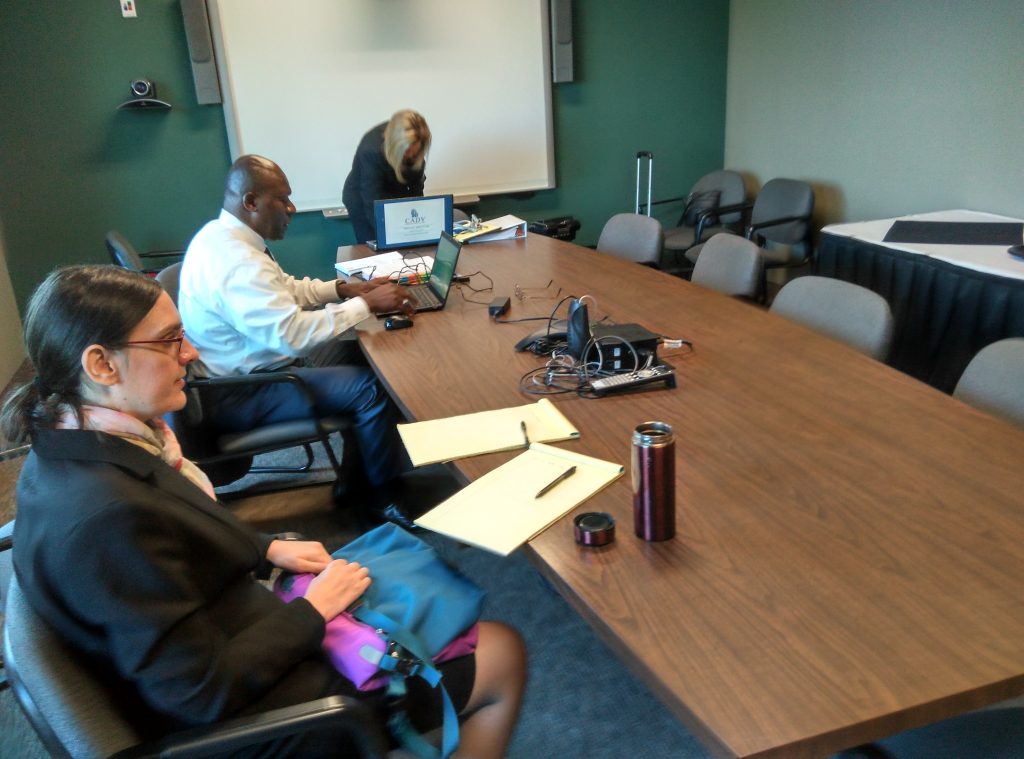
 It means buying a suit jacket and black dress at H&M at the last minute because your lawyer insisted you MUST be there at Jun’s deposition to support him. And even though the idea of watching your husband be deposed makes you anxious – and even though you toss and turn the entire night before – you show up the morning of his deposition dressed like this, and pull on your bravest smile.
 It means driving, not flying, together across the US to save on the precious $$$ that this lawsuit is costing you. And as it turns out, you end up doing it during a summer when the nation’s midsection is getting barbecued under a scorching heatwave.
 It also means staying at campgrounds along the way to cut costs as well. In one case, you arrive late and then get caught in a downpour that forces you to spend the night in your car.
 It means spending an inordinate amount of time and energy on the challenge of collecting funds to pay your monthly legal bills. And even starting
 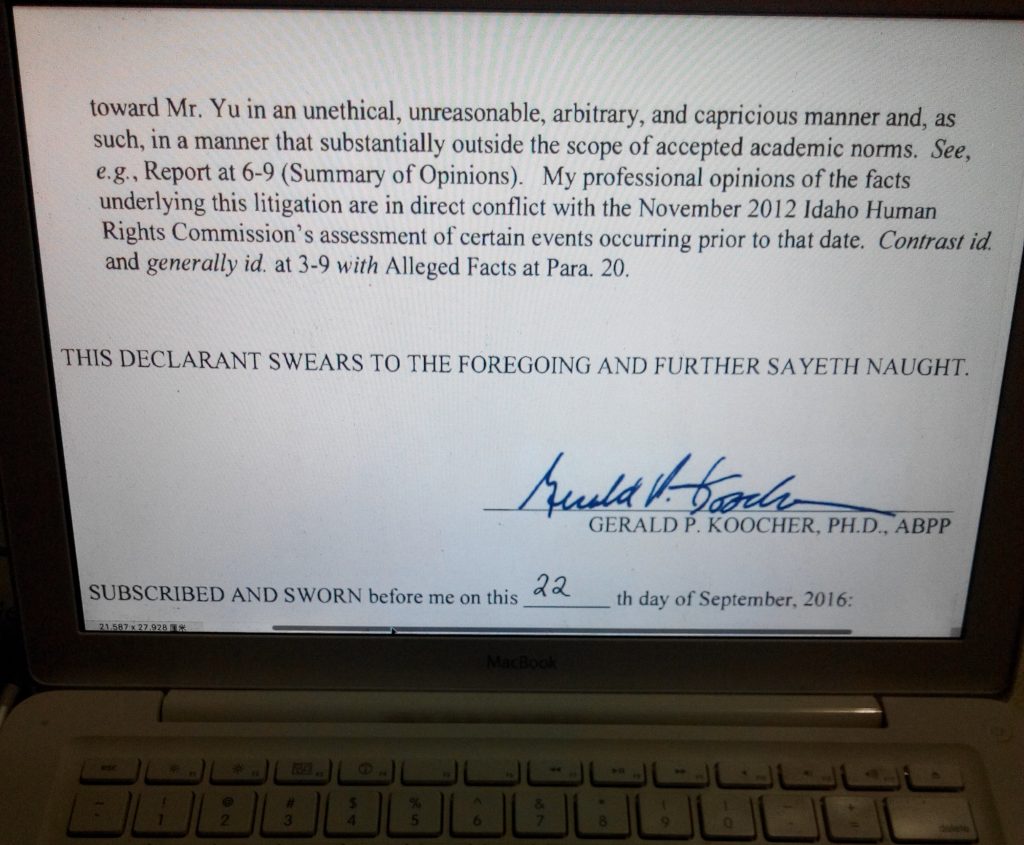 It means re-reading reports from all the Very Important Experts in the psychology field who support your husband. They’re a reminder that you and your husband have great leaders behind you…leaders who believe this is an important case.
 It means
  It means that, even though you’re a lapsed Catholic with diverse spiritual beliefs that include Buddhist and Taoist ideas and you still haven’t been to mass in years, you start your mornings praying to St. Jude.
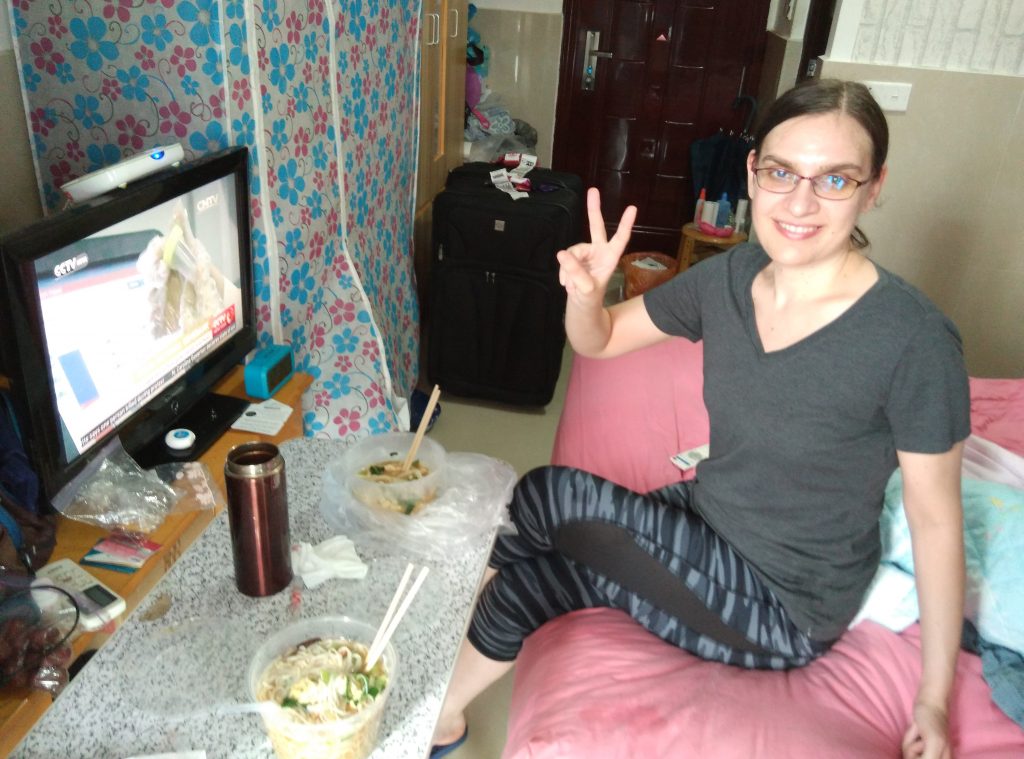 It means living a super-frugal existence in an apartment smaller than any hotel room you’ve ever stayed in, because you need to save money for the lawsuit and its associated costs.
 It means learning more about the legal system than you ever expected to know, and impressing family and friends at parties with your understanding of motions, depositions and declarations.
 It means being amazed by the fact that your husband’s case is getting stronger every day – and remembering how far you’ve come from when the injustice first took place.
 It means feeling emotional about the injustice from time to time, and finding solace in a good hug.
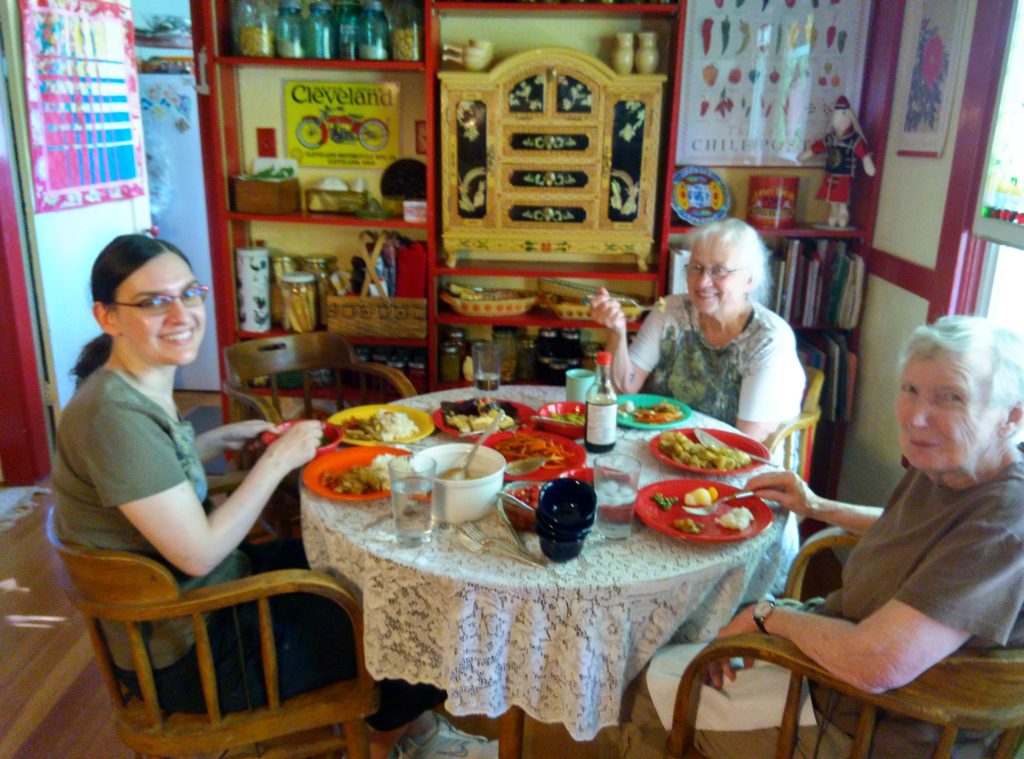 It means discovering who your real friends and supporters are, and feeling your spirits soar whenever someone says to you, “I’m glad you’re fighting this.”
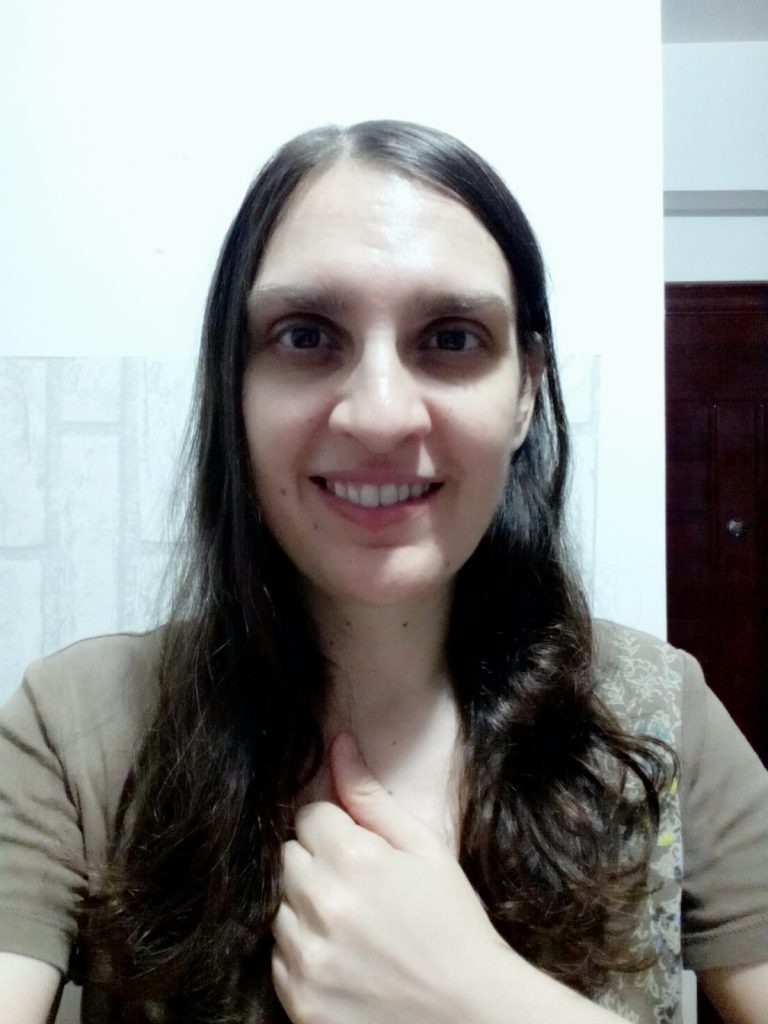 It means in the darkest moments, finding ways to remind yourself that you did it all for #JusticeForJun. Like when your friend Sally told you to never forget in your heart what this battle is all about.
 It means learning to see the silver lining to everything that happened to you and Jun – and believing that this will lead the both of you to something better than you ever imagined.