
“The worst cold I ever knew was winter in Hong Kong.” I didn’t understand those words, spoken by a woman who taught English there before China opened up. She shared her experience in China with me as I prepared for a year of teaching English in Zhengzhou. But as I smiled and nodded, the idea nagged me — how could Hong Kong, on China’s Southern coast, be so cold?
The thing is, any place can feel bitterly cold in China — if there’s no warmth in the home.
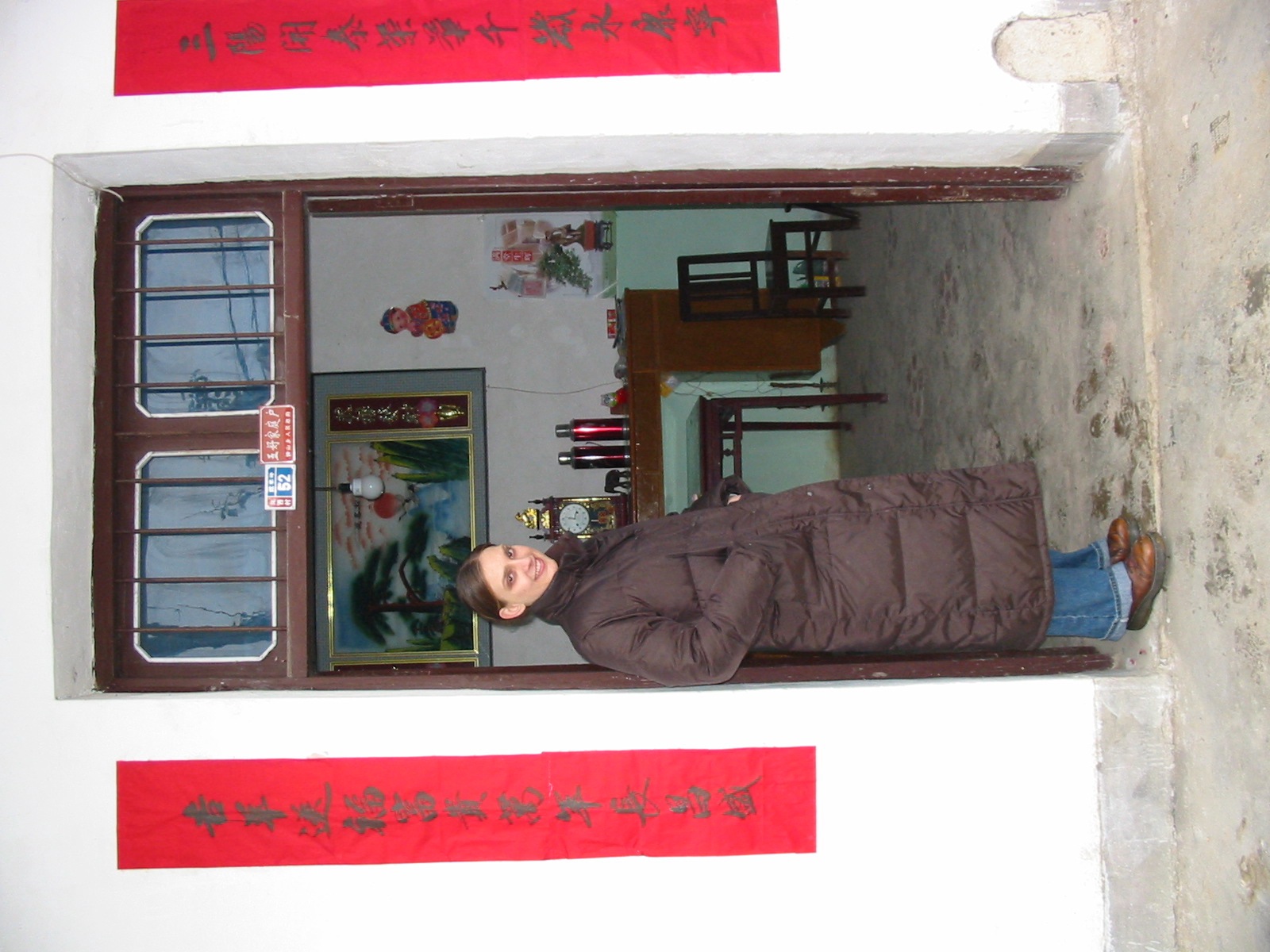
John’s family home in the winter was fast becoming the worst cold I had known. The house, with most of its doors and windows cracked or wide open to the elements, had no central or room heaters. We spent our hours huddling around giant woks filled with hot coals to fight off the nip of near-freezing temperatures, which felt even more frigid because of the moisture-laden air of this humid climate, South of the Yangtze River. I wrapped myself my long down jacket all day — indoors and outdoors — just like everyone else, as I remembered how, back in the US, people would have thought me strange or even impolite not to take my jacket off, as a guest.
But, most of all, those parental misgivings of months before seemed to chill my heart: “It’s okay to be friends with a foreign girl, but not to date her.” No matter how many warm vegetarian dishes they placed before me, or how much money they stuffed into my hongbao, I remembered the reality — John defied them in bringing me here. And if I complained or troubled them too much, I might just be left out in the cold, never to be John’s girlfriend, and never to return. Continue reading “Chapter 46: Cold Nights in the Chinese Countryside”




 Tony asks:
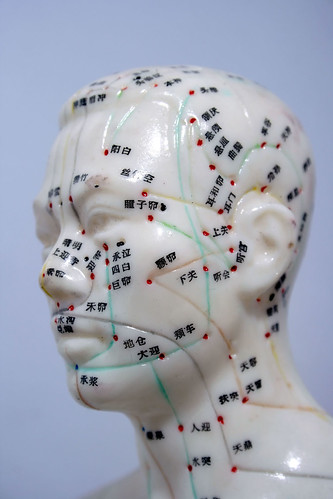 In Chinese traditional medicine, there is a saying: anger hurts your liver, melancholy hurts your lungs, thinking hurts your spleen, happiness hurts your heart. The thing is, we are all angry, melancholy, happy, or just thinking at different times in life. What hurts is when we do it too much, without balance.