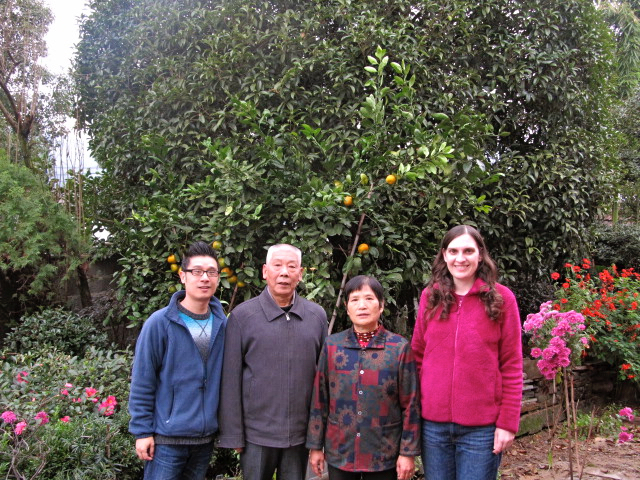
Marrying Someone from Your Culture Is No Guarantee of Happiness

The other night, I received a frantic message from one of my closest friends back home. “I’m getting divorced,” she typed to me in an online chat.
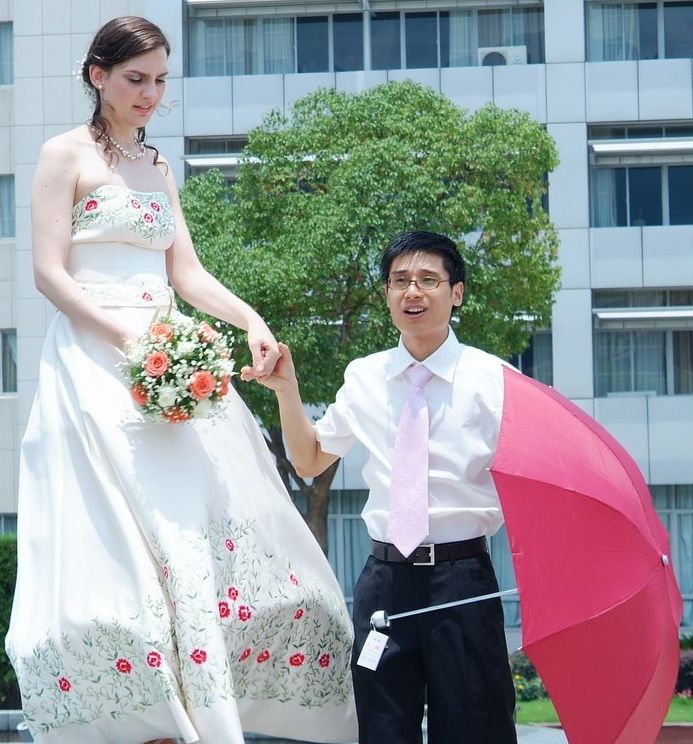
It was the culmination of years of troubles brewing between her and her husband. They had fought over their beliefs. She was fed up with how almost all the domestic and child-rearing responsibilities were on her shoulders, despite the fact that she too had a full-time job. She also had it with her husband, who was turning out to be another child to manage instead of a source of support. Therapy had failed to resolve a single thing.

Did I mention she and her soon-to-be-ex-husband are both white Americans, with similar cultural backgrounds?

I wasn’t surprised she filed for divorce. So many of our recent conversations had revolved around the growing rift between her and her husband. There was always a tension lurking in the background, the feeling that things were slowly unraveling between the two of them with every confession of how he just didn’t get it…and probably never would.

So much is written about the vulnerability of intercultural and international couples, that we’re supposedly more likely to divorce. While new studies suggest this just isn’t true, a lot of people still believe you’re better off marrying someone from your own culture/country.

Or rather, that marrying someone from your culture/country will guarantee happiness and stability.

My friend’s story, however, doesn’t fit that narrative.

International and intercultural marriages can be fraught with unique challenges, such as navigating cultural differences or social norms you’re unaccustomed to. But that doesn’t necessarily doom us to divorce.

If anything, I’ve discovered so many intercultural/international couples, blissfully in love, to know the truth of the matter. That love can happen anywhere in the world, across borders and cultures. And that happiness – and a happily ever after – is always possible, no matter who you marry.

How “Italian Eggplant” Divided Us, and Then United Us in Love

(Photo by Alice Henneman via Flickr.com)

The old saying goes that the way to a man’s heart is through his stomach. But what of a woman’s heart? I have to wonder if that’s even more true for us, especially after the culinary feat my husband accomplished in the past few months.

In case you didn’t know, my husband is now the chef in our family. He’s the one who toils every evening in the kitchen to put together some of the most scrumptious meals I’ve ever tasted.

That’s quite a feat from a fellow who once shied away from the wok. Whenever people asked him if he could cook, he’d always laugh and reply, “I only know how to add in oil and salt.” He always used to claim I was the one more skilled in this arena, preferring to leave the spatula to me.

But in the past few years, my husband started shouldering more of the cooking responsibilities. Until at some point (I still can’t remember exactly when) he took over preparing all the meals in our home. It was a godsend in many respects, especially when I was in the hospital last year and couldn’t have managed the recovery without his support in the kitchen.

The last thing I expected, however, was for my husband to prepare that infamous eggplant dish, just for me.

Jun and I have a fascinating history with eggplant – specifically, a Chinese-style dish I’ve nicknamed “Italian Eggplant”. It’s one of the first dishes I ever prepared for him when we started dating years ago. It’s also a dish that led to one of our first heated (no pun intended) arguments.

I remember that muggy summer evening in Hangzhou, proudly setting that blue and white porcelain bowl on the dinner table after toiling over the wok. The whole apartment was redolent with the savory aroma of eggplant stir-fried with tomatoes, garlic, ginger, soy sauce, a dash of vinegar, and a touch of sea salt. I inhaled with satisfaction as I thought of all the friends who had tasted the very same dish, heaping on the compliments as big as the second and third helpings they enjoyed at my place.

Surely, Jun was going to love this dish just as much. Or so I thought…until he started eating.

“Too sour. Too much soy sauce. Too much tomato,” he said. Jun grimaced with every bite – and I could feel my anger rising with every complaint. How dare he insult the food I so lovingly prepared for him! Where was his appreciation for my hard work?

I let him have it, as I slammed my chopsticks on the table and asked him what the hell was wrong with him?

Admittedly, I was a little hot-headed at the time. But it had to do with how I’d been raised – to always say thank you to the chef, even if you didn’t like the food. It was a lesson I’d learned well after years of dining at my paternal grandmother’s house. She was a notoriously horrible cook who would entertain us with things like soggy, tasteless macaroni and veggies from a can. Even though I could sometimes barely stomach the stuff on my plate, I would force myself to say how good the food was.

When I told Jun about this, his face turned as red as the tomatoes in the dish. Turns out, he had a completely different experience growing up at the table. Every dinner included a course of blunt feedback about how everything tasted – even if that meant saying the food was unequivocally bad.

I apologized for my outburst, and he apologized for criticizing my food, instead of saying thanks.

Meanwhile, I figured that was the last time we would ever dine on my Italian Eggplant.

Except, it wasn’t.

Over the years, Jun surprised me by actually giving the dish a second chance – and loving it. It gradually became a favorite for us. Yes, a favorite! Who would have thought?

Then, after Jun assumed the role of chef in our home, he surprised me again.

One evening, our house was once again redolent with the aroma of dinner, courtesy of Jun. And it smelled very familiar. Was that eggplant and tomato in the air? And soy sauce? I followed my nose to the table, only to discover that Jun had cooked Italian Eggplant just for me, from scratch.

With one bite, I found myself in ecstasy once again. “Mmmm, this is so delicious!” I exclaimed, unable to contain myself over the delectable flavor. How had he so perfectly replicated the dish I once lovingly crafted for him all those years before?

Jun likes to say he transcended himself in finally learning to make this dish. I like to say he did it for love. But honestly, whenever it’s on the table, we don’t say much at all. We just eat and eat and eat, thankful that the food that we once argued over brought us together in delicious harmony.

3 Stereotypes About Asian Men I’m Tired Of Hearing

My marriage to a Chinese man wasn’t just the culmination of a beautiful love affair. It also kicked off the start of a new education for me, his white American wife. A true initiation into the world of racism, prejudice, and all of those unfortunate stereotypes I wish Westerners didn’t have about Asians, including Asian men.

Here are 3 stereotypes about Asian men that I’m tired of hearing:

#1: Asians = great at computers

I can’t tell how many times people have told me, “Wow, your husband is SO great with computers!”

Whenever I hear that, I want to flash them a painful grimace. As if I just witnessed that person step right into a big, smelly pile of…you know.

Seriously, people. Just because my husband knows how to delete the trash files from your iPad – and is Asian — doesn’t mean he’s the almighty computer guru. In fact, I’m the one who troubleshoots our tech problems, from deciphering error messages on the PC to configuring a complicated wifi network at home.

Being Asian doesn’t automatically make someone a wizard at things like math, science and medicine. But if you think otherwise, that definitely makes you naïve.

#2: Asian men are short

True story. An academic in America once had the audacity to tell my husband Jun, “All Asians are short, right?”

Cue face in palm.

You know, it’s easy to see a couple like Jun and me together, and then draw that kind of conclusion. But once again, you’re mucking around in stereotypes, as Alex Tizon reminds us in his wonderful memoir Big Little Man:

Are all Asian people small, and have they always been so?

The answer to both questions is no — a fact commonly known among educated Asians and Westerners who have traveled widely through Asia….

Today, the giant men of the Chinese national basketball teams, whose centers are among the tallest in the world, almost all come from northern and central China. The former Houston Rockets standout center Yao Ming is seven foot six, which even among tall nationalities is aberrantly tall…. Up until 2009, both the tallest man and the tallest women in the world hailed from northern and central China…. The tallest woman on record, Zeng Jelling, who died in 1982, was eight foot one.

Anecdotal records indicate that, during the time of the first waves of Chinese migration to America, men of northern China averaged about five foot seven, with a fair number exceeding six feet. This would have been roughly equivalent to the height of white male conscripts in the U.S. Army and many European immigrants of the time.

Now you know. (P.S.: I highly recommend Alex Tizon’s memoir Big Little Man – check out my interview with him from a few years back.)

#3: Any question about the size of an Asian man’s penis

Who in the Asian community – or in an interracial relationship with someone Asian — hasn’t heard this lamest of all stereotypes? It’s right on par with toilet humor, and ought to be flushed into oblivion.

I’ve noticed that, by and large, it’s men who seem content to hurl this one into conversations. Usually anonymously, in a really seedy Internet hangout. Or in a typo-ridden comment… the kind that ends up in your spam folder.

In my opinion, any guy who goes around speculating about the size of someone’s manhood already has serious inferiority issues. Or just needs to get a life.

I love what Ranier of The Love Life of an Asian Guy wrote a few years back on this:

…to my Asian brothers out there: don’t give any guy, girl, or internet troll two seconds of your time when they joke about your dick. Your wang is the wangiest of all wangs. Keep it up, hold it proud, and use it wisely. After all, 60% of the world’s population is Asian which means one thing: we may have a negative stereotype about our shlongs, but at least we’re getting laid.

Exactly.

What stereotypes are you tired of hearing?

When a White Supremacist Website Links to Your Interracial Love Blog

DSCF0777I remember my curious feeling when I discovered the link in my Google Analytics. What website is that? I figured it was just something new.

So imagine my shock when I clicked on the link and found my blog discussed in vile terms online. They called me, along with every other white woman choosing to marry a Chinese man, a “traitor” and “trash”.

The Southern Poverty Law Center website confirmed my suspicions – that, indeed, a white supremacist website had linked to my blog.

This wasn’t anything new. This was hatred, pure and simple – a hatred older than most of us want to admit.

So what does it mean when a white supremacist website links to your blog about interracial love? It means you’ve hit a nerve with some of the worst racists on the planet.

I don’t usually write about these things. Like most of you, I would rather live in the light than the dark. I would rather turn my head away from evil.

But the recent alarming uptick in hate crimes, including those by white supremacists, makes me no longer want to keep silent. Whenever we stay silent about these things, we give more power to those who do harm.

No matter what you thought, racism hasn’t ended. It is still here – it always was. The Supreme Court’s 1967 decision in Loving versus Virginia didn’t magically turn America into a country where everyone embraced interracial marriage. A lot of people still don’t.

A lot of people still think interracial love is wrong.

There was a time when I used to think blogging about interracial love was just about promoting diversity and understanding. But now I think it’s so much more – it’s about combating hatred too.

So if you’re blogging about interracial love, just consider that every post you publish is a bold statement in support of interracial couples everywhere. Let’s support love, together.

To the Girl Whose Boyfriend’s ¥8,000/Mo Salary “Wasn’t Enough”

130659141_9bed732899_z
(Photo by Thomas Hawk via https://www.flickr.com/photos/thomashawk/130659141/)

My husband and I were having dinner the other night at a vegetarian restaurant in Hangzhou. It just so happens that you were dining only a few feet across from us with your girlfriend.

When we first sat down, I saw the both of you enjoying a bowl of the sour and spicy vegetarian “fish” soup with pickled vegetables. I remembered how delicious that dish was, and how I hadn’t ordered it in a long time. I thought to myself, those girls have good taste.

But that was before my husband and I overheard your conversation.

You told your friend about how dissatisfied you were with your boyfriend. You said his salary of “only” 8,000 RMB a month wasn’t good enough. You flicked your expensively dyed long hair aside with great disdain as you said, “He can’t possibly support me.”

Your girlfriend, wearing black faux-leather leggings and stiletto-heeled boots just like you, nodded in agreement.

The two of you went on to belittle this young man, who you fell in love with in college, for another reason. His hometown was somewhere outside of Hangzhou. It was yet another black mark against him. Yet more proof he would never be “rich enough” for you.

I’ve heard this sort of thing before.

Years ago I learned that, for many people in China, marriage is all about having a home, car and money. I understand that women often evaluate men based on these marriage must-haves. I’m aware that there was even a girl on TV who once famously said she’d rather be crying in the back of a BMW than smiling on the back of a bicycle.

There’s a woman in China who once told me, “The purpose of life and marriage is to make money.” On the surface, she has it all. She and her husband own at least five apartments, drive a brand new BMW, have a son, and earn lots of money through the family business.

But privately, she is the saddest woman I have ever met.

She is bitter and constantly complains. Despite her huge bank accounts, she is stingy to the core. Her husband has cheated on her; she fights with him all the time. Her son is on the way to becoming a juvenile delinquent. For a time, things were so bad that she actually threatened to commit suicide.

I would not be surprised if she had cried in the backseat of her shiny new BMW.

Never would I wish to change places with this woman, even though she has so much money. I’ve realized I’m actually happier than she ever will be. There are far more important things in life her money can never buy. A peaceful, happy marriage. Love. Friendship. Kindness. Generosity. The ability to see hope in the darkest hours.

You can’t measure these things in dollars or yuan. I don’t care what that woman once told me – money isn’t everything. It never was.

So if you decide to break up with this guy just because he makes ¥8,000 a month and isn’t from Hangzhou, there’s nothing I can do to stop you.

If you end up marrying a wealthier man, maybe you’ll get lucky. Maybe he’ll be a nice guy who just happens to be rich.

But if he isn’t so nice after all, then maybe you’ll discover what it’s really like to have tears in your eyes in the back of your luxury car.

And if that happens, believe me when I say this: I won’t be crying for you.

An Open Letter to the Girl Whose Interracial Relationship Ended

(Photo by Shauntel Bruner via https://www.flickr.com/photos/follefille20/256052973/)

I was shocked to learn your steady Asian boyfriend of several years had left you.

Even though we’ve never met in person, I feel like you’re an old friend. Maybe that’s because we’ve both been in interracial relationships with Asian men. Or because I came to know you through what you shared with me over the years. Or even because you’ve supported me when I needed it most.

So I don’t think it’s enough to just say, “I’m sorry.” Sorry is such a small word, and small comfort. Honestly, I would rather give you hugs, just holding you the way friends have for me when I’ve weathered breakups.

Although I wasn’t the one on the receiving end of this experience, I could feel your heartbreak in the messages you sent to me. I know what it’s like. I’ve had Asian boyfriends break up with me out of the blue. I’ve spent days, even weeks, mourning the loss of a relationship.

One Chinese guy left me after studying abroad in Europe; he just couldn’t manage the distance. Another said goodbye to me because his parents could never accept a foreign girl. There was also that young man studying in Nanjing who I was smitten with for months; things never got off the ground because his parents insisted he marry a Chinese girl. That felt almost as bad as a breakup.

All of these were relationships I desperately wanted to continue. They did not.

With every breakup or rejection, my heart shattered. Somehow, it felt even harder to carry this sadness with me in China. When these Chinese men said goodbye to me, sometimes I wondered if the country was doing the same. Especially when family got in the way. Why did his family have to stand in the way of love?

Let’s just say I’ve weathered a lot of negative experiences in the dating world here in China.

You told me you still have hope. Hope was one thing that always guided me through the darkest hours of these breakups, resurrecting my ability to love again.

I feel like hope is as magical as love itself.

But then again, so is friendship. So remember you always have friends, like me. If you’re ever feeling lonely or desperate for someone to talk to, I’ll be here. We’ll survive this breakup together.

What a Trump Presidency Means for Interracial Couples

img_20160805_151932_hdr

Stunned and shocked. That about sums up my reaction to the election this past Tuesday. Well, when the United States of America elects a xenophobic, racist, misogynistic, homophobic narcissist (see if you can say that five times fast), I don’t know how else you can feel about it.

I don’t normally discuss politics. This isn’t a political blog and I’ve always felt content to keep my political leanings off these pages. But this election is different. Trump stands as an affront to things that matter to those of us in interracial relationships – especially those that cross borders. He has denigrated people of color. He is against immigration and immigrants. He was endorsed by white supremacist groups. He is a misogynist who has admitted to sexually assaulting women.

That’s a lot to swallow. I know.

I could talk about how and why this happened in 2016 (cue the #ThisIs2016 hashtag), but I think there are far better reflections on that elsewhere. (See also this post from fellow blogger Autumn regarding the election.)

Instead, I feel it’s worth considering the question on many people’s minds. What does this mean for interracial couples and their allies?

I don’t have a crystal ball to gaze into the future and imagine what a Trump Presidency will do to America. But I do know the next four years are going to be really tough to witness. That feeling of dread still hasn’t left me since I learned the election results.

At the same time, I have a lot of experience processing personally catastrophic events.

A university completely screwed my husband and his future – and by association, screwed me too – in the most reprehensible and unimaginable way. In the wake of this, I seriously considered committing suicide for the first time in my life. Yes, suicide. The university had wrongfully robbed my husband of his career and future, everything we had hoped for together. Was there anything else worth living for?

It took at least a week before I could push through all of the devastation, before I could see a path forward. My husband and I ultimately decided we were not content to just accept what happened. We would take action. We would fight this injustice. Why? Because we knew deep in our hearts that what happened was wrong. Because we were determined to never give up on our dreams.

This positive momentum of this decision uplifted me. Even though this wasn’t what I had expected to work on in late 2013 and beyond, this decision gave me something to live for. We rallied together and, over the years, our optimism and hard work paid off in unexpected ways (such as gaining the support of leaders in the American psychology field). We’ve never been closer to justice than now, even though it took us over three years to get here.

I’ve learned the value of standing up for yourself and what you believe in, even when things look dreadful.

Here’s what I hope the Trump Presidency means for interracial couples. Let this election be your rallying cry to stand up for your beliefs. To champion and protect the rights of everyone, including people of color, immigrants, women, and the LGBT community. I know it’s a total cliché, but we really do have more power than we imagine. Believe in yourself and remember that your voice matters more than ever.

I know it’s not going to be easy, because I’ve been there. You’ll need some time to process this all. And chances are, you’ll need something like meditation, exercise, therapy, chocolate, or, in my case, an evening with Ang Lee’s version of Sense and Sensibility (seriously, that movie never fails to calm me down).

But once you’re done, come see me. Because we’ve got some work to do.

What It Means to Support Your Husband’s Discrimination Lawsuit

My husband Jun Yu and I have been fighting an important US Federal Court lawsuit that involves discrimination (and more). We strongly believe that justice will eventually prevail.

But there’s a human side to a US lawsuit. It’s inevitable that a huge US Federal Court case will ultimately affect you in countless ways, changing your life.

For a long time, I’ve struggled with how to exactly put this into words. But then I started thinking about a lot of the different experiences I’ve had in this past year related to the case. I started by writing a few things, and before I knew it I had a whole list.

So if you’ve ever wondered what it means to support your husband’s discrimination lawsuit, here’s a sampling of what it’s like:

img_20160726_101028It means buying a suit jacket and black dress at H&M at the last minute because your lawyer insisted you MUST be there at Jun’s deposition to support him. And even though the idea of watching your husband be deposed makes you anxious – and even though you toss and turn the entire night before – you show up the morning of his deposition dressed like this, and pull on your bravest smile.

IMG_20160723_211016It means driving, not flying, together across the US to save on the precious $$$ that this lawsuit is costing you. And as it turns out, you end up doing it during a summer when the nation’s midsection is getting barbecued under a scorching heatwave.

IMG_20160722_090432It also means staying at campgrounds along the way to cut costs as well. In one case, you arrive late and then get caught in a downpour that forces you to spend the night in your car.

Jun Yu's fundraising video_I need your help 2It means spending an inordinate amount of time and energy on the challenge of collecting funds to pay your monthly legal bills. And even starting a crowdfunding campaign. It also means being shocked that your last monthly bill topped $40,000.
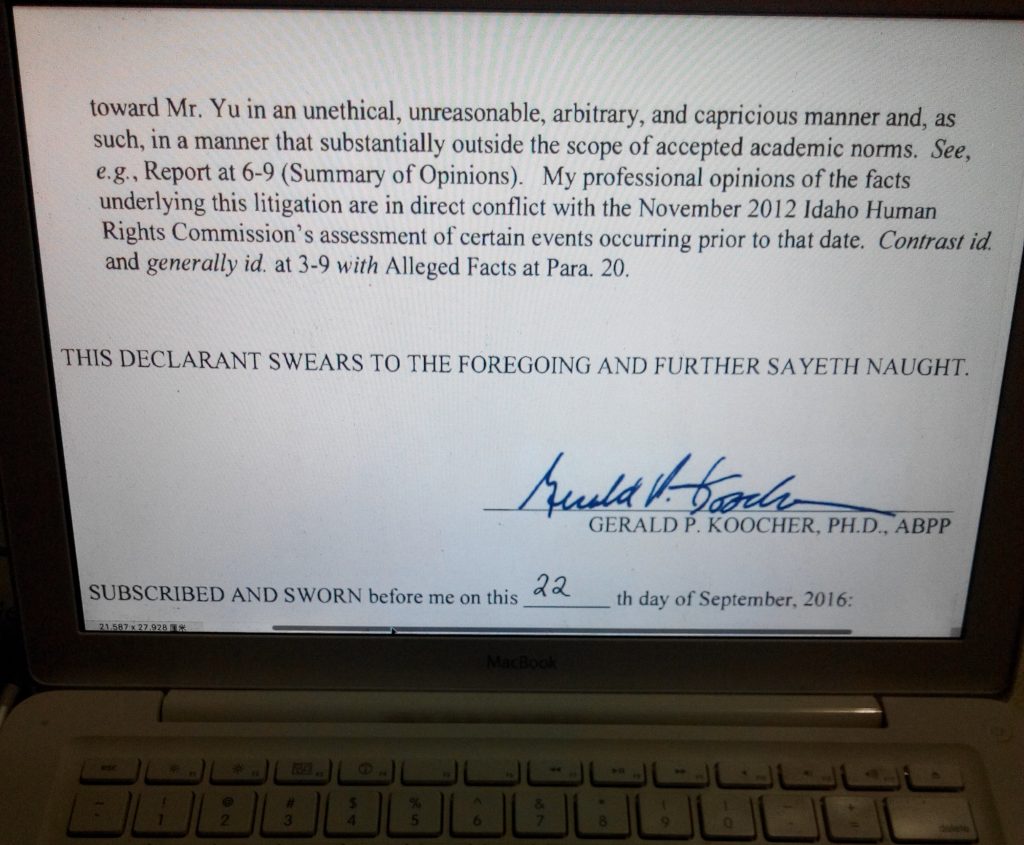
img_20161023_174120It means re-reading reports from all the Very Important Experts in the psychology field who support your husband. They’re a reminder that you and your husband have great leaders behind you…leaders who believe this is an important case.
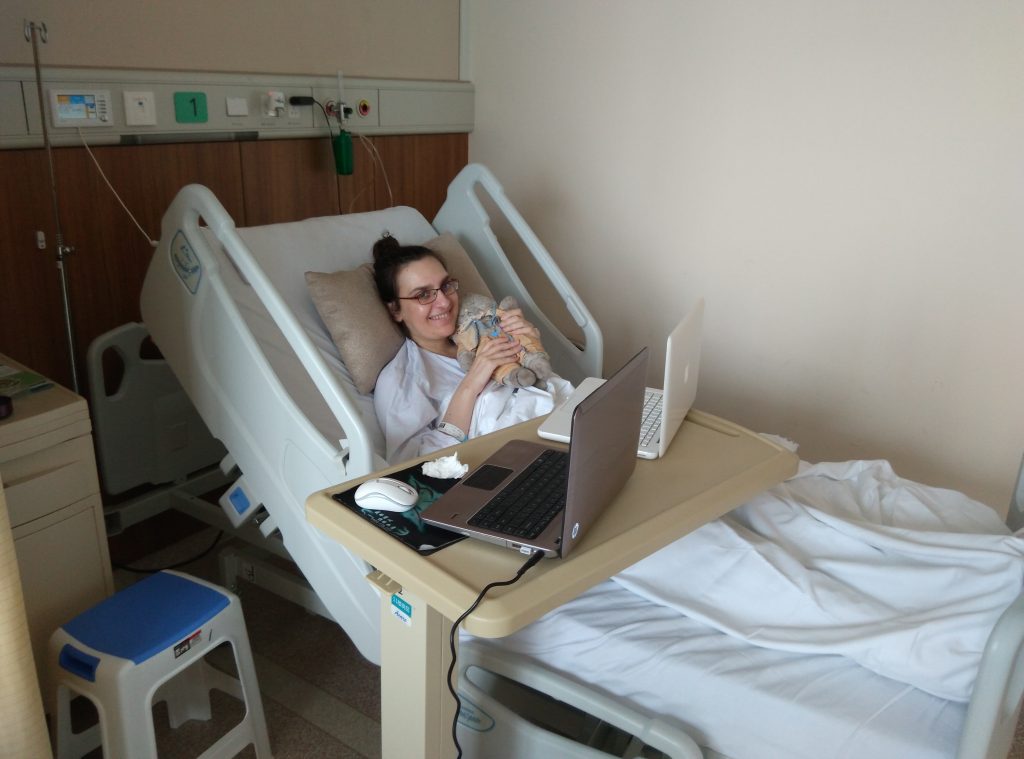
IMG_20160616_143841It means sacrificing your appendix to the cause. (RIP, appendix)

anthonis_van_dyck_088It means that, even though you’re a lapsed Catholic with diverse spiritual beliefs that include Buddhist and Taoist ideas and you still haven’t been to mass in years, you start your mornings praying to St. Jude.
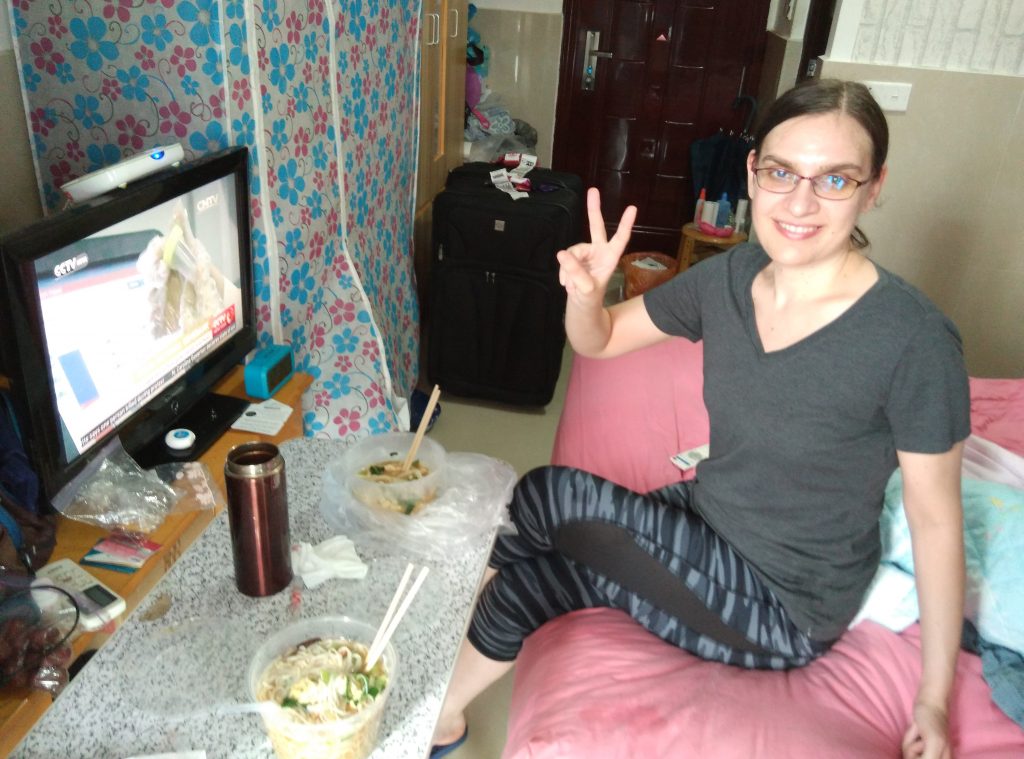
img_20160922_124219It means living a super-frugal existence in an apartment smaller than any hotel room you’ve ever stayed in, because you need to save money for the lawsuit and its associated costs.
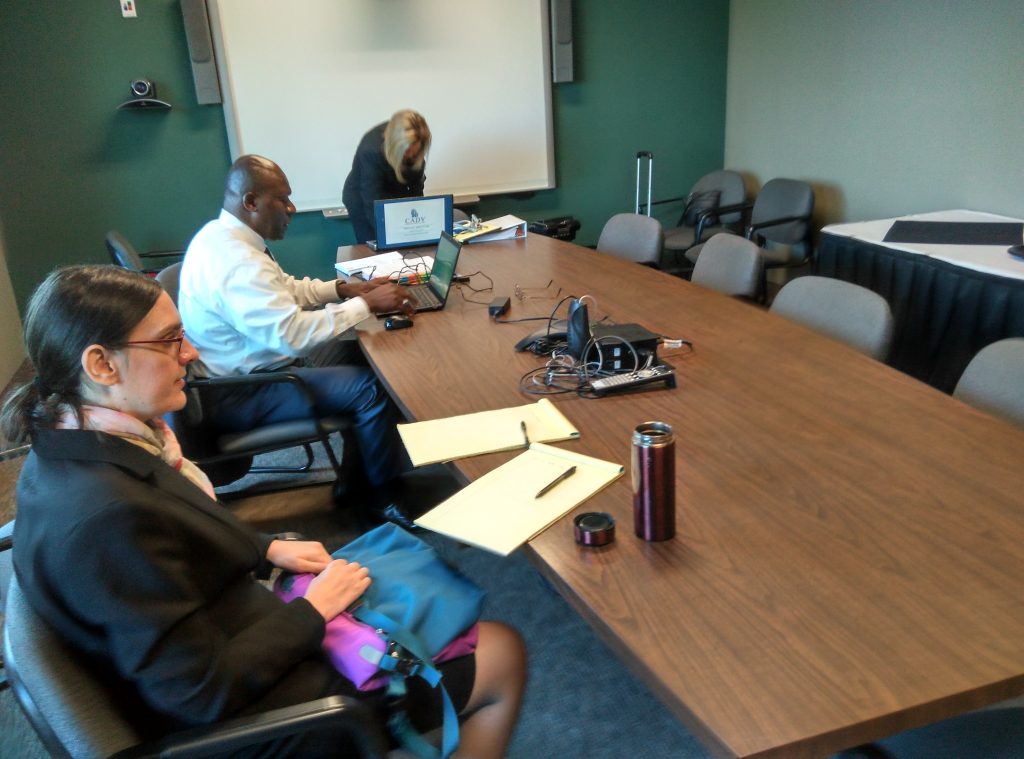
img_20160916_081938_hdrIt means learning more about the legal system than you ever expected to know, and impressing family and friends at parties with your understanding of motions, depositions and declarations.

img_20160806_175325_hdrIt means being amazed by the fact that your husband’s case is getting stronger every day – and remembering how far you’ve come from when the injustice first took place.

img_20160728_174338_hdrIt means feeling emotional about the injustice from time to time, and finding solace in a good hug.
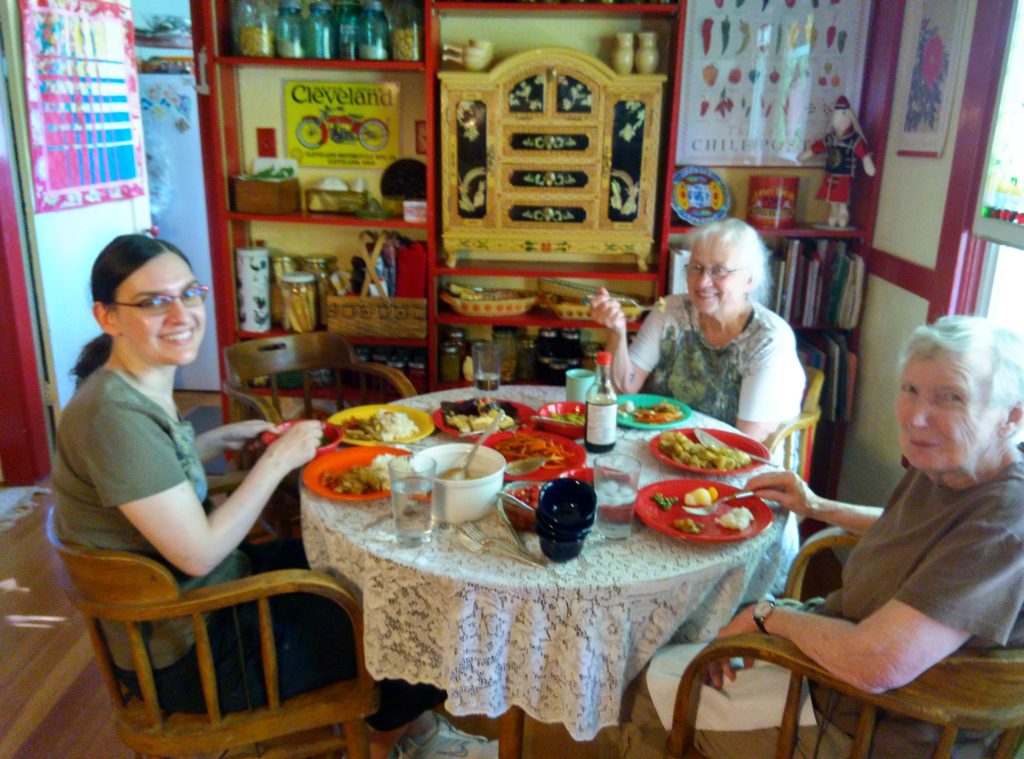
img_20160728_193332_hdrIt means discovering who your real friends and supporters are, and feeling your spirits soar whenever someone says to you, “I’m glad you’re fighting this.”

img_20161023_203435It means in the darkest moments, finding ways to remind yourself that you did it all for #JusticeForJun. Like when your friend Sally told you to never forget in your heart what this battle is all about.

img_20160818_203224It means learning to see the silver lining to everything that happened to you and Jun – and believing that this will lead the both of you to something better than you ever imagined.
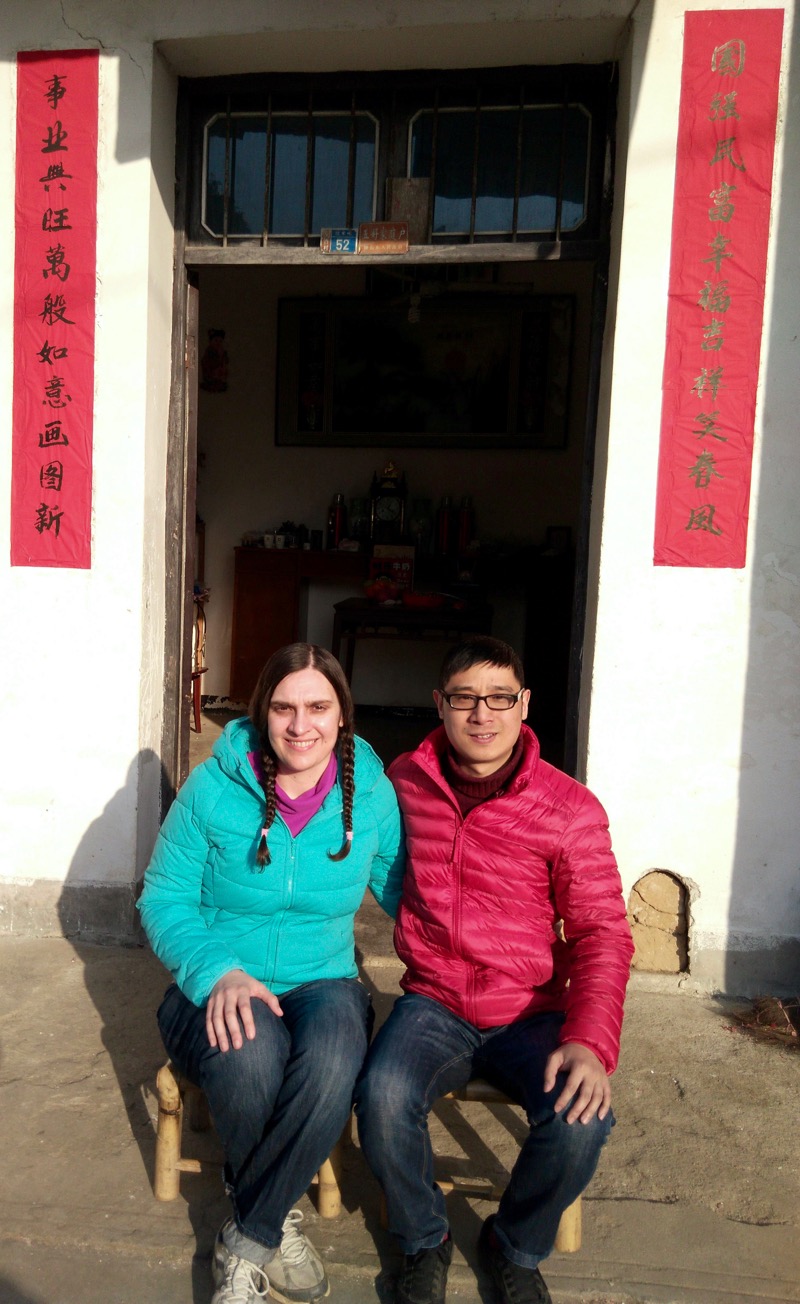
What do you think?

P.S.: In case you’re new to Jun’s case, you can learn more about it here.

Is Interracial Dating Easier for Asian Men in Non-English-Speaking Countries?

(Photo by Eleazar via Flickr.com)

When I recently shared my classic HuffPost piece Why Won’t Western Women Date Chinese Men? some of you spoke up to tell me I missed something.

Here’s what one anonymous e-mailer had to say:

… I have heard from a multitude of sources that places like Bali, France, Holland, Russia (and other eastern European countries) as well as various Latin American countries have the disparity between Asian men paired with local women vs vice versa as either being near equal or vastly skewed in favor of Asian males. I just wanted to point out that our dating situation is not so extremely pathetic in every part of the world as your article may make us out to be. From what I hear amongst Asian male travelers abroad is that the dating scene for Asian men is most bleak in Anglo nations. [Emphasis added]

Comments like this reminded me of the following quote in a piece in SFGate on interracial dating for Asian Men:

Any sexual imbalances that exist due to the unique alchemy of sex, race and class in the United States fade in the face of a globalized world; one in which the playing field is different, and so are the players and rules. In the Caribbean, for instance, intermarriages between black women and Asian men are relatively common. In fact, asserts AznLover member David Nghiem, a globetrotter who recently completed an epic bicycle trip across the entire length of Latin America, “Outside of the ‘anglosphere’ — North America, England, Australia and New Zealand — things are completely different. Asian men are in general seen as dateable, sexy and interesting. Most of the world has their own media, in their own languages and subtleties, and Hollywood’s attempts to spread stereotypes about Asian men and their sexuality literally stops at the anglosphere’s edge, simply because the rest of the world doesn’t understand it and doesn’t care.” [Emphasis added]

So, is the interracial dating scene friendlier to Asian men when you leave the Anglosphere, the English-speaking world? There’s some tantalizing anecdotal evidence in support of this.

In a post on Reddit titled The dating situation for Asian men in the West, someone noted:

…it seems that French women seem to have a thing for Asian men…. I’ve also noticed that Russian women don’t seem to dismiss Asians as easily as most other white women, maybe because of Russia’s proximity to Asia. In general, it seems that the worse that women speak English, the nicer they are to Asians….

In another Reddit thread, titled Where in the anglosphere is the best living opportunity in terms of how Asian men are treated? a commenter called out France as a great place to be:

Come to Paris, I’m french and with a little bit of introspection I had it easy…. Girls are open minded and you stand out a lot for breaking the stereotype if you’re Asian, funny and outgoing with above average game!

And I’m not even from Paris but the countryside. I’ve been on a weekend with the Gf in Paris and we’ve spent the entire day in China town and I kinda missed standing out because I was far from being the only Asian with a white girl like I’m used to. I also saw a lot of mixed group of friends with both Asians boys and girls with people from other race which is nice….

Here’s yet another interesting thread from Reddit called A reminder that Asian men are valued as husbands/boyfriends by women outside the Anglosphere – excerpts from the Polish community:

…It’s not a coincidence that women outside the Anglosphere view Asian men differently.

I came across a post of a Polish woman who had asked other Polish women if they had any experience with Asian men as she met an American Chinese whom she liked very much, but she wasn’t sure if our two cultures were compatible. The feedback was overwhelmingly positive!…

These women praised Asian men on many dimensions, from being “wonderful and sexy” to “playful, romantic, sensitive, responsible, honest, handsome” – you can read translated excerpts in the thread and also the original piece in Polish.

In Hey-Ai, a poster singled out a number of places he considered friendlier to Asian men, including France, Germany, Austria, Estonia, Sweden and Denmark:

…But overall, I think French people are very tolerant about Asian people….

Germany seems to be a very good place for Asian men. I was approached by pretty german girls in Munich, Budapest and NYC. And I often have very good relationship with german people usually.

I’ve just been in Austria a few days, but the perception of asian people seems the same….

Tallinn, Estonia. Asians people are almost non existent, there are very few tourists, so we are very rare. I felt very welcomed by Estonian people (men or women), they want to know more about you and some girls may flock you…

Northern Europe. I think that Sweden and Denmark are very open toward Asians people. They are very tolerant, polite and sometimes curious. I think a lot of people from Scandinavia have an interest about Asian culture. In fact, I met so many Swedish people when I traveled in Asia….

There’s also this article on Happier Abroad, which mentions:

…Large areas in Eastern Europe, in particular, the Baltic countries of Estonia and Lithuania (currently EU members), have shown to be very accepting and friendly to American Asian males, and is a place where a growing number of such travelers have been able to find incredible opportunities for social life and romance….

Belarus is another country where Asian men, even those who are not American, have been able to feel accepted, and where they have enjoyed good treatment and many new possibilities for abundant “romancing”.

Parts of Russia and other CIS countries (outside of Moscow and St. Petersburg) have also been described as very good for such Asian men…

Parts of Brazil, according to some sources, have proven to be excellent, and some Asian men have been able to mingle freely with the local population and date beautiful women there.

France is another country in which Asian men (those who can speak French- a necessity there) have reported that they have been treated quite well by the local females….

I would stress these are only personal reports. Still, unlike what I’ve laid out in my Huffington Post piece, these anecdotes suggest a more hopeful picture of interracial dating for Asian men.

But I’d love to hear from you too. What do you think? Do you have any stories or other evidence of how Asian men fare in the interracial dating scene outside the Anglosphere? Sound off in the comments!

How Loving a “Foreign Enemy” (And Writing About It) Changes Lives

IMG_20160726_175050Ronaldo A. Coulter is the lawyer representing my husband Jun Yu in US Federal Court (learn more about the case here).

He also happens to follow my blog. And it’s interesting what he thought about China before he met me and my husband.

Here’s what he wrote to my husband earlier this summer in response to my post about being in the hospital in China:

…as a U.S. Marine raised in the Cold War era, I have always considered China and Russia the enemy. I have to admit that after working with you on this case and reading some posts on Jocelyn’s blog, I actually realize that just as in the United States there are everyday people in China.

Whether foreign relations will improve from where it is today is anyone’s guess. However, the pictures taken in the hospital on Jocelyn’s blog allow me to place a human element to my version of China.

Yes, he had considered China the enemy — until he started representing my husband and, later, reading my blog.

China as the enemy? It just sounds wrong to me. When you’ve lived in China for as long as I have – when you’re married to China, with family here – it’s impossible to think of this country as the enemy.

IMG_3338This is the country that fostered my career as a writer. The country that taught me how to love and gave me an incredible husband. The country I plan to call home for the rest of my life.

China has given me so much, and continues to give more than I ever imagined. How could I feel anything but affection for this place? How could I possibly consider China the enemy?

Here’s the thing, though. I have to admit that it wasn’t always this way. Maybe my current self would never accept “China is the enemy” but my past self was different. There were moments in my past when I actually viewed China through skeptical eyes. And yes, there were even times when I thought of China in opposition to the United States.

US-China relations were tense when I first entered the Middle Kingdom back in August 1999. That was just months after the NATO bombing of the Chinese embassy in Belgrade, sparking widespread demonstrations in China.

I was so anxious at the time for reasons that had nothing to do with the political situation. After all, I was a total teach in China newbie. I knew only the basics of Chinese history and culture, and my language skills were limited to laughable “phrasebook Mandarin Chinese”. I had never taught anything in my life, yet I had committed myself to a year of training college students in English.

But when I saw the news reports of those demonstrations – which included protesters chucking rocks at US Embassies and Consulates – my worries suddenly went beyond the usual troubles of teaching English in a truly foreign country.

I wondered, would being an American in China suddenly turn me into a target? Should I start telling everyone I’m a Canadian? What in the heck did I get myself into?

But after arriving in Zhengzhou, China, it was nothing like I had imagined.

Students welcomed me with giant bouquets of flowers and invitations to dinners out.

Teachers helped me arrange lessons in Tai Chi and Mandarin, with one teacher buying me the conversational Chinese book that helped me finally find my groove in the language.

I easily fell into close friendships and later began dating a local man, my first truly adult relationship.

The love and appreciation that surrounded me made it impossible to imagine US-China tensions. If anything, in my little world in Zhengzhou, US-China relations were at an all-time high.

I’ll never forget that one final exam I delivered to my students in a classroom with a bulletin board about the NATO bombing in Belgrade.

The bulletin board stridently denounced the actions of Americans as barbaric and criminal. And, along with photographs of actual protests, the board urged patriotic students to demonstrate against this gross violation of China’s sovereign rights.

What a contrast to the students on those desks, who put on their warmest smiles afterwards and insisted we all take a class photo together. It was as if the final exam was merely an excuse for us to hang out one last time.

This was not a world where people angrily chucked rocks at me for the actions of my government. This was not a country where people outwardly hated me for my citizenship. From this side of the Pacific, China looked more like a friend and nothing like an enemy.

Over the years, I’ve dated several Chinese men – and ultimately, I married one. Jun Yu is the love of my life, the husband who truly completes me in every way that matters. Who would have thought I’d find him half a world away from my hometown of Cleveland, Ohio?

IMG_20160208_160634_BURST3Now that I’m intimately connected to this country, which is home to family too, it’s unthinkable to view China in the black-and-white terms people use in politics and the news. It just doesn’t fit my more nuanced perspective of this place. There’s so much we miss about a country if we only picture it through the eyes of the media.

Our lawyer Ron Coulter reminded me of the value that comes from writing about what it’s like to live with – and even sleep with – the so-called “enemy” country.

When we share stories of our daily lives across unlikely borders, we offer a chance to go beyond the headlines. To understand that there’s more to these places than what the reports suggest. To connect with the people and realize that, despite the cultural and linguistic differences, we have things in common too.

Maybe we really can change the world, one blog post (about a so-called “enemy” country) at a time.

All I know is, there’s one US Marine-turned-lawyer who will never see China the same again.

What do you think?