(Photo by Shauntel Bruner via https://www.flickr.com/photos/follefille20/256052973/)
I was shocked to learn your steady Asian boyfriend of several years had left you.
Even though we’ve never met in person, I feel like you’re an old friend. Maybe that’s because we’ve both been in interracial relationships with Asian men. Or because I came to know you through what you shared with me over the years. Or even because you’ve supported me when I needed it most.
So I don’t think it’s enough to just say, “I’m sorry.” Sorry is such a small word, and small comfort. Honestly, I would rather give you hugs, just holding you the way friends have for me when I’ve weathered breakups.
Although I wasn’t the one on the receiving end of this experience, I could feel your heartbreak in the messages you sent to me. I know what it’s like. I’ve had Asian boyfriends break up with me out of the blue. I’ve spent days, even weeks, mourning the loss of a relationship.
One Chinese guy left me after studying abroad in Europe; he just couldn’t manage the distance. Another said goodbye to me because his parents could never accept a foreign girl. There was also that young man studying in Nanjing who I was smitten with for months; things never got off the ground because his parents insisted he marry a Chinese girl. That felt almost as bad as a breakup.
All of these were relationships I desperately wanted to continue. They did not.
With every breakup or rejection, my heart shattered. Somehow, it felt even harder to carry this sadness with me in China. When these Chinese men said goodbye to me, sometimes I wondered if the country was doing the same. Especially when family got in the way. Why did his family have to stand in the way of love?
You told me you still have hope. Hope was one thing that always guided me through the darkest hours of these breakups, resurrecting my ability to love again.
I feel like hope is as magical as love itself.
But then again, so is friendship. So remember you always have friends, like me. If you’re ever feeling lonely or desperate for someone to talk to, I’ll be here. We’ll survive this breakup together.
Do you use WeChat on your mobile phone? You can now follow Speaking of China through WeChat as well.
I’ve created a public WeChat account for the blog. You just need to scan the QR code below using your WeChat QR code scanner and you’ll start receiving updates from my WeChat account.Alternatively, just search for my account by name (speakingchina).
P.S.: The name for the account is indeed 洋媳妇谈 — apologies to those people who cannot read Chinese! After the fact, I thought about putting the name in English and Chinese, but could not due to the strict limitations WeChat has on changing account names. So you’ll have to bear with me on that. 🙂 However, the content is still primarily in English.
Stunned and shocked. That about sums up my reaction to the election this past Tuesday. Well, when the United States of America elects a xenophobic, racist, misogynistic, homophobic narcissist (see if you can say that five times fast), I don’t know how else you can feel about it.
I don’t normally discuss politics. This isn’t a political blog and I’ve always felt content to keep my political leanings off these pages. But this election is different. Trump stands as an affront to things that matter to those of us in interracial relationships – especially those that cross borders. He has denigrated people of color. He is against immigration and immigrants. He was endorsed by white supremacist groups. He is a misogynist who has admitted to sexually assaulting women.
Instead, I feel it’s worth considering the question on many people’s minds. What does this mean for interracial couples and their allies?
I don’t have a crystal ball to gaze into the future and imagine what a Trump Presidency will do to America. But I do know the next four years are going to be really tough to witness. That feeling of dread still hasn’t left me since I learned the election results.
At the same time, I have a lot of experience processing personally catastrophic events.
A university completely screwed my husband and his future – and by association, screwed me too – in the most reprehensible and unimaginable way. In the wake of this, I seriously considered committing suicide for the first time in my life. Yes, suicide. The university had wrongfully robbed my husband of his career and future, everything we had hoped for together. Was there anything else worth living for?
It took at least a week before I could push through all of the devastation, before I could see a path forward. My husband and I ultimately decided we were not content to just accept what happened. We would take action. We would fight this injustice. Why? Because we knew deep in our hearts that what happened was wrong. Because we were determined to never give up on our dreams.
This positive momentum of this decision uplifted me. Even though this wasn’t what I had expected to work on in late 2013 and beyond, this decision gave me something to live for. We rallied together and, over the years, our optimism and hard work paid off in unexpected ways (such as gaining the support of leaders in the American psychology field). We’ve never been closer to justice than now, even though it took us over three years to get here.
I’ve learned the value of standing up for yourself and what you believe in, even when things look dreadful.
Here’s what I hope the Trump Presidency means for interracial couples. Let this election be your rallying cry to stand up for your beliefs. To champion and protect the rights of everyone, including people of color, immigrants, women, and the LGBT community. I know it’s a total cliché, but we really do have more power than we imagine. Believe in yourself and remember that your voice matters more than ever.
I know it’s not going to be easy, because I’ve been there. You’ll need some time to process this all. And chances are, you’ll need something like meditation, exercise, therapy, chocolate, or, in my case, an evening with Ang Lee’s version of Sense and Sensibility (seriously, that movie never fails to calm me down).
But once you’re done, come see me. Because we’ve got some work to do.
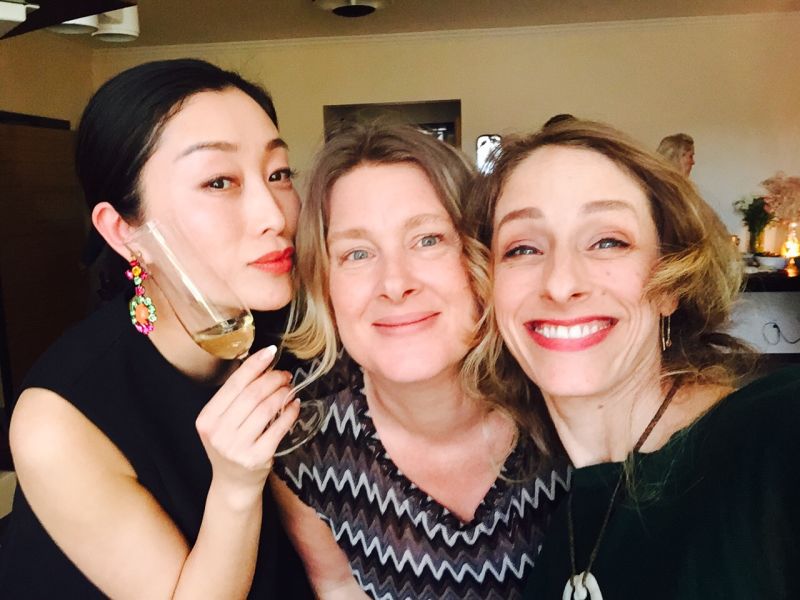
But this year, I’d like to share the 11:11 love with all of my blog fans. I’m offering you exclusive 11:11 deals from WeChat stores run by some fabulous Western women who also have Chinese husbands.
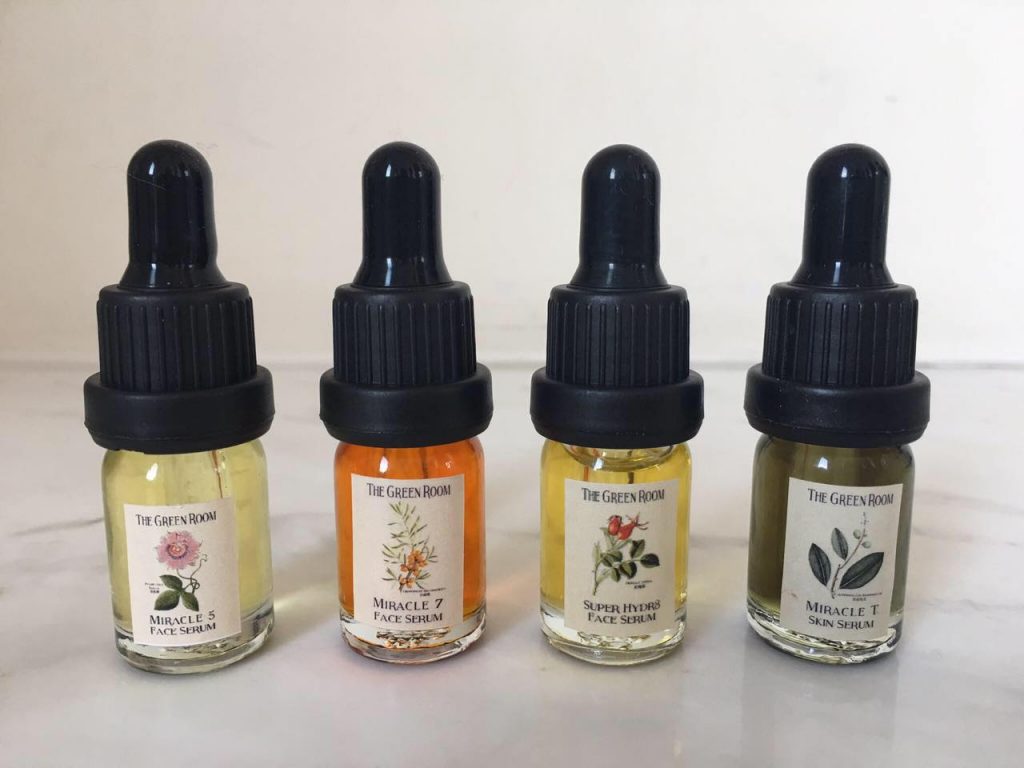
It’s called The Green Room and they sell blends of natural oils specially formulated to care for your skin and hair.
I love their Hair Glow Elixir. It’s my new favorite pomade/anti-frizz hair oil.
But they also have a neat line of natural oil blends for every different skin type — and they’re offering a special promo for 11:11 on The Green Room Discovery Kit.
Now until 20th December, purchase The Green Room Discovery Kit (5ML bottles of 4 face serums Miracle 5, Miracle 7, Super Hydr8 & Miracle T) and receive a voucher for a full size serum of your choice. It’s a great way to experience all four face serums and then choose a full size of your favorite!
This offer is only available through The Green Room WeChat Store:
Over the years, I’ve written a lot about the struggles for interracial couples here in China. One topic that never seems to go out of style is this – the struggle with your foreign partner’s in-laws (or future in-laws).
When it comes to solving these problems, though, I’ve found that some things matter a LOT more than others.
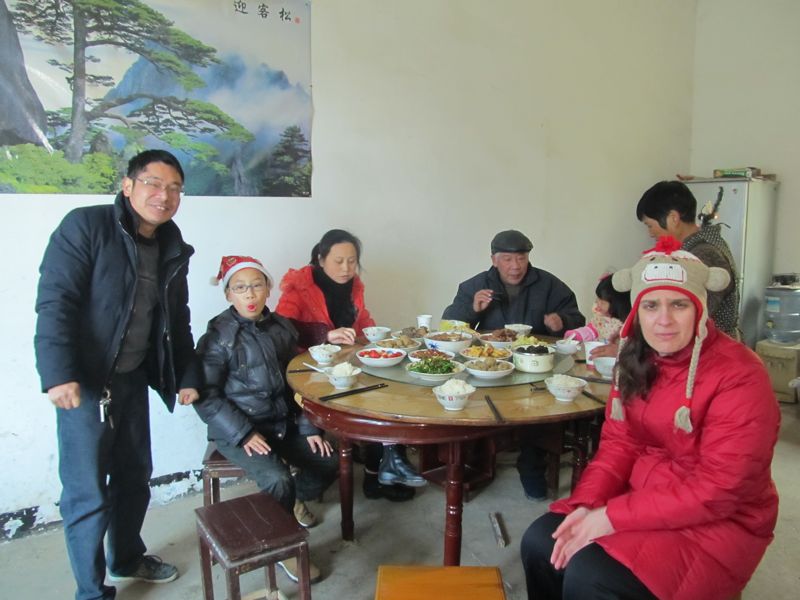
I’ll never forget when my husband Jun first broke the news to his parents that we were dating. When he returned to our apartment, he gleefully announced the not-so-subtle response from his dad: “You can be friends with a foreign girls, but don’t date them.”
While I was on the verge of tears, certain his parents were going to break apart our perfect relationship, Jun’s smile remained. So did his steadfast belief that his dad’s opinion didn’t matter at all.
In the end, he was right.
We stayed together.
We got married.
We found our own happily ever after.
Sure, it didn’t hurt that Jun’s parents turned out to be more flexible – and nothing at all like that stereotype of the “strict Chinese parent”.
It might have helped that my husband was the youngest of three sons (instead of being an only child) so there was a lot less family pressure on his shoulders.
But I think there’s a more important reason why we were successful. Jun was willing to stand up for me and support me before his parents.
He was determined to stay with me, no matter what they said.
When you have a partner like this, it’s so much easier to manage any differences with the in-laws. You never have to worry about fending for yourself before the family. Instead, your partner has your back. You can relax, knowing you’re not alone.
It matters a lot.
If you’re struggling with the potential in-laws or other foreign family abroad, sometimes the best solutions come from your partner first. A partner who will stand up for you and your relationship.
It’s so delightful to reside in a city built around a historic lake fringed by some of the most celebrated gardens in China, along with verdant mountains and hidden mountain trails as well as a sizable wetland park. Sometimes it’s hard to believe that one of the most popular cities in China boasts so much green space and so many opportunities for enjoying the outdoors.
What do you dislike about your expat life?
I dislike having to contend with secondhand smoke in restaurants and public places, even though there’s a smoking ban; my coping strategy has been to be selective about where I dine out and only patronize restaurants that offer a smoke-free and clean environment. Traffic can be stressful here too because you’re contending with a variety of different vehicles (from cars and trucks to motorbikes, bicycles and three-wheeled carts jammed with cargo) and a driving style that tends to be more aggressive.
What is the biggest cultural difference you have experienced between your new country and life back home?
One of the biggest cultural differences I’ve noticed is how families and friends seem to be much more close-knit here in China, compared to what I was used to growing up in a white family in Ohio. I’ve witnessed how friends and family will go out of their way to help and support their loved ones, whether that’s lending you money for hospital bills, giving you a place to stay in town any time you need it (no questions asked), or finding you a tailor when you have a dress emergency and need it done in 24 hours (true story!). While it does mean more responsibility for everyone, including yourself, it’s also a great relief knowing that the people you care about really are there for you.
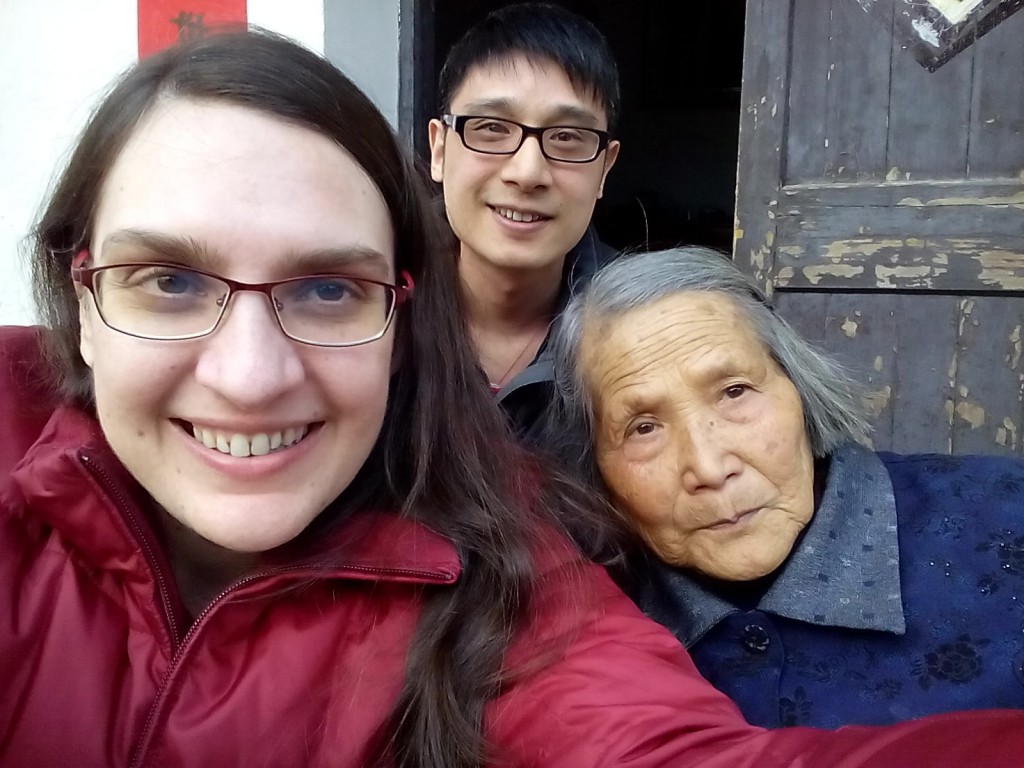
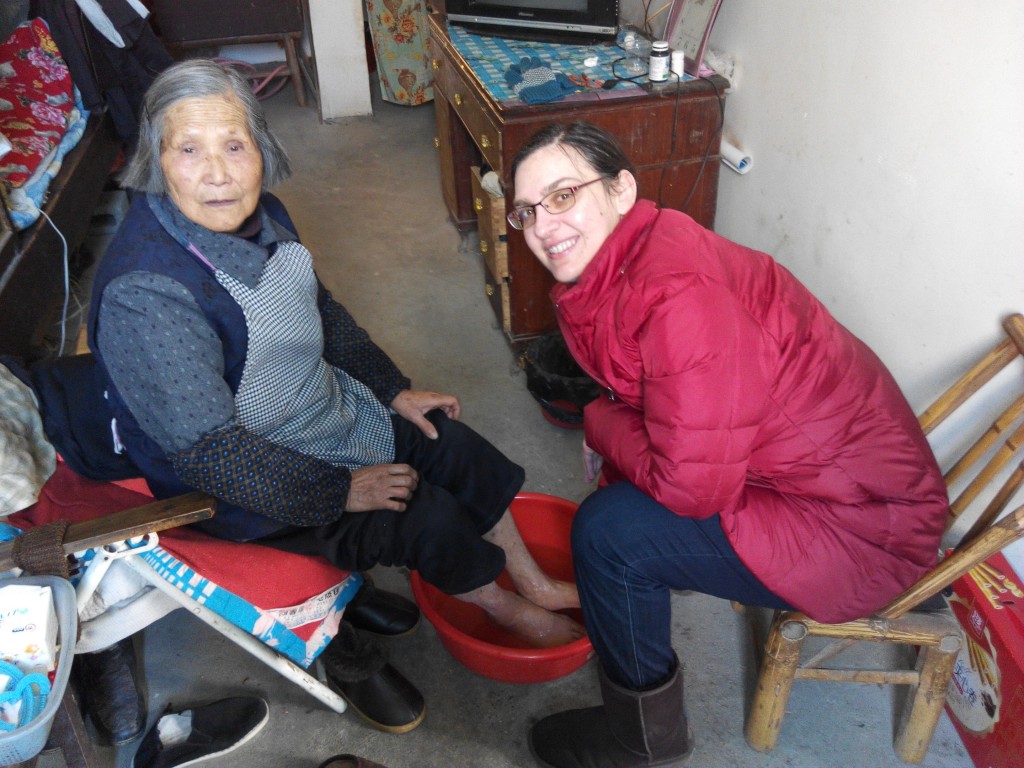
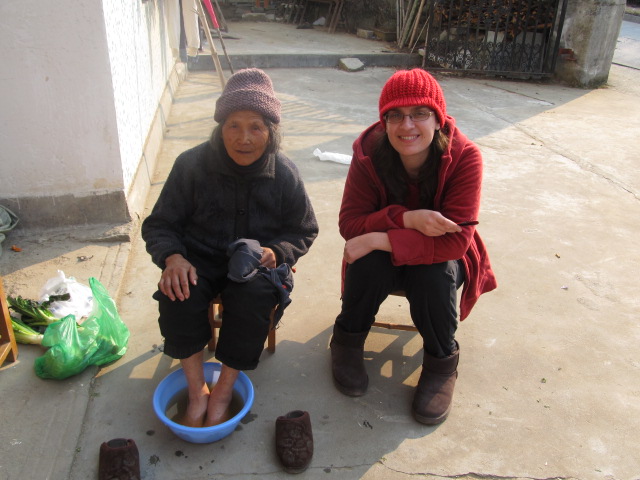
I remember the sense of melancholy that swept through my body when Jun gave me the news. The last time we had seen her was the month before, when we visited her in the hospital. In the usual Chinese custom, we had brought her some fruit – bananas and Chinese haw. And in typical grandma custom, she kept pushing the fruit meant for her into our hands. Despite having to fend her off, we all smiled and had a good time during the brief visit.
Of course, her passing meant one simple thing – a funeral.
After I had grappled with my feelings of loss for Jun’s dear grandmother, someone we deeply loved, I realized I had another feeling hidden underneath everything.
Stress.
Yes, I was stressed about the forthcoming funeral. But especially, I was stressed out on behalf of Jun’s parents.
There were a lot of things I struggled with at the time, including:
The decidedly non-vegan banquets, which meant I often dined in vain and on one occasion actually retreated back to Jun’s family home to stir-fry my own dinner.
The detestable secondhand smoke at said banquets, which forced me to sit on the edge of the open banquet hall to ensure a little fresh air.
The raucous firecrackers that served as a dinner bell for every banquet.
Honestly, though, all things equal, I could live with the above. Nobody comes to a funeral for the food, and the smoke I could handle with strategic seating. The firecrackers are super-loud, but they don’t last all day long.
But there’s one thing I really, truly struggle with when it comes to funerals in China. They can be exhausting for family, sometimes to dangerous extremes.
One of the customs I learned about during grandfather’s funeral was shouling (守灵). This involves ensuring the coffin is watched 24 hours a day, something family members do in shifts. But during Grandpa’s funeral, many of the late night shifts fell to my mother-in-law. Grandma also stayed up late into the night observing the custom.
This carried on for days, mind you. Grandpa wasn’t laid to rest until four days after passing.
Well, after the funeral ended, this exhausting marathon of late-night vigils watching the coffin sent my mother-in-law and Grandma into the hospital.
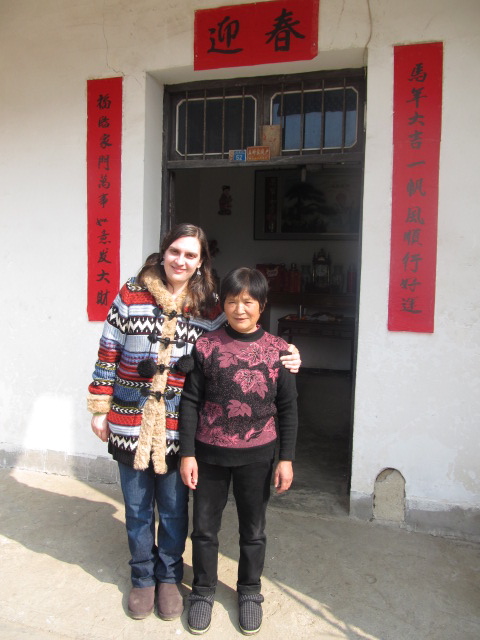
Me and my mother-in-law
Yes, the hospital. (I’m just grateful we didn’t have two more funerals after the passing of Grandpa.)
So this is what I really struggle with – a funeral custom that is harmful to your health, and might even lead to hospitalization or worse.
Of course we want to pay our respects to the deceased. And of course I want to respect the customs of my husband’s hometown. But it’s hard when a custom seems to demand a little too much from the family.
Like Jun’s mother, I’ve been the daughter of the deceased at a funeral. When I was 17, my mother passed away after months of battling with late-stage cancer. It is indeed a stressful time when you’re immediate family of the deceased. You’re expected to make all of these important arrangements at a time when a heavy cloud of grief hangs over your life. It was also a critical time in my academic career, as I was applying to colleges and universities.
I can’t imagine what it would have been like if we were expected to accompany my mother’s coffin for four nights straight, or more. I think I would have been in even worse shape than I already was.
It’s reassuring that my husband agrees with me on this. After all, as he said, wasn’t the most important thing the time you spent with the person while they were alive, and not when they’re dead? He too worries about the health of his mother.
Fortunately, she didn’t end up in the hospital this time around.
As much as I preach cultural understanding on this blog, file this one under “things I still don’t understand about China.”
P.S.: To Grandma, may you rest in peace and know I’m saying a little prayer for you (in my incredibly limited local dialect) wishing you the best.
… I have heard from a multitude of sources that places like Bali, France, Holland, Russia (and other eastern European countries) as well as various Latin American countries have the disparity between Asian men paired with local women vs vice versa as either being near equal or vastly skewed in favor of Asian males. I just wanted to point out that our dating situation is not so extremely pathetic in every part of the world as your article may make us out to be. From what I hear amongst Asian male travelers abroad is that the dating scene for Asian men is most bleak in Anglo nations. [Emphasis added]
Any sexual imbalances that exist due to the unique alchemy of sex, race and class in the United States fade in the face of a globalized world; one in which the playing field is different, and so are the players and rules. In the Caribbean, for instance, intermarriages between black women and Asian men are relatively common. In fact, asserts AznLover member David Nghiem, a globetrotter who recently completed an epic bicycle trip across the entire length of Latin America, “Outside of the ‘anglosphere’ — North America, England, Australia and New Zealand — things are completely different. Asian men are in general seen as dateable, sexy and interesting. Most of the world has their own media, in their own languages and subtleties, and Hollywood’s attempts to spread stereotypes about Asian men and their sexuality literally stops at the anglosphere’s edge, simply because the rest of the world doesn’t understand it and doesn’t care.” [Emphasis added]
So, is the interracial dating scene friendlier to Asian men when you leave the Anglosphere, the English-speaking world? There’s some tantalizing anecdotal evidence in support of this.
…it seems that French women seem to have a thing for Asian men…. I’ve also noticed that Russian women don’t seem to dismiss Asians as easily as most other white women, maybe because of Russia’s proximity to Asia. In general, it seems that the worse that women speak English, the nicer they are to Asians….
Come to Paris, I’m french and with a little bit of introspection I had it easy…. Girls are open minded and you stand out a lot for breaking the stereotype if you’re Asian, funny and outgoing with above average game!
And I’m not even from Paris but the countryside. I’ve been on a weekend with the Gf in Paris and we’ve spent the entire day in China town and I kinda missed standing out because I was far from being the only Asian with a white girl like I’m used to. I also saw a lot of mixed group of friends with both Asians boys and girls with people from other race which is nice….
…It’s not a coincidence that women outside the Anglosphere view Asian men differently.
I came across a post of a Polish woman who had asked other Polish women if they had any experience with Asian men as she met an American Chinese whom she liked very much, but she wasn’t sure if our two cultures were compatible. The feedback was overwhelmingly positive!…
In Hey-Ai, a poster singled out a number of places he considered friendlier to Asian men, including France, Germany, Austria, Estonia, Sweden and Denmark:
…But overall, I think French people are very tolerant about Asian people….
Germany seems to be a very good place for Asian men. I was approached by pretty german girls in Munich, Budapest and NYC. And I often have very good relationship with german people usually.
I’ve just been in Austria a few days, but the perception of asian people seems the same….
Tallinn, Estonia. Asians people are almost non existent, there are very few tourists, so we are very rare. I felt very welcomed by Estonian people (men or women), they want to know more about you and some girls may flock you…
Northern Europe. I think that Sweden and Denmark are very open toward Asians people. They are very tolerant, polite and sometimes curious. I think a lot of people from Scandinavia have an interest about Asian culture. In fact, I met so many Swedish people when I traveled in Asia….
…Large areas in Eastern Europe, in particular, the Baltic countries of Estonia and Lithuania (currently EU members), have shown to be very accepting and friendly to American Asian males, and is a place where a growing number of such travelers have been able to find incredible opportunities for social life and romance….
Belarus is another country where Asian men, even those who are not American, have been able to feel accepted, and where they have enjoyed good treatment and many new possibilities for abundant “romancing”.
Parts of Russia and other CIS countries (outside of Moscow and St. Petersburg) have also been described as very good for such Asian men…
Parts of Brazil, according to some sources, have proven to be excellent, and some Asian men have been able to mingle freely with the local population and date beautiful women there.
France is another country in which Asian men (those who can speak French- a necessity there) have reported that they have been treated quite well by the local females….
I would stress these are only personal reports. Still, unlike what I’ve laid out in my Huffington Post piece, these anecdotes suggest a more hopeful picture of interracial dating for Asian men.
But I’d love to hear from you too. What do you think? Do you have any stories or other evidence of how Asian men fare in the interracial dating scene outside the Anglosphere? Sound off in the comments!
It’s always a pleasant surprise when your friend shares a link with you on social media — and it turns out to be an article you wrote a few years back.
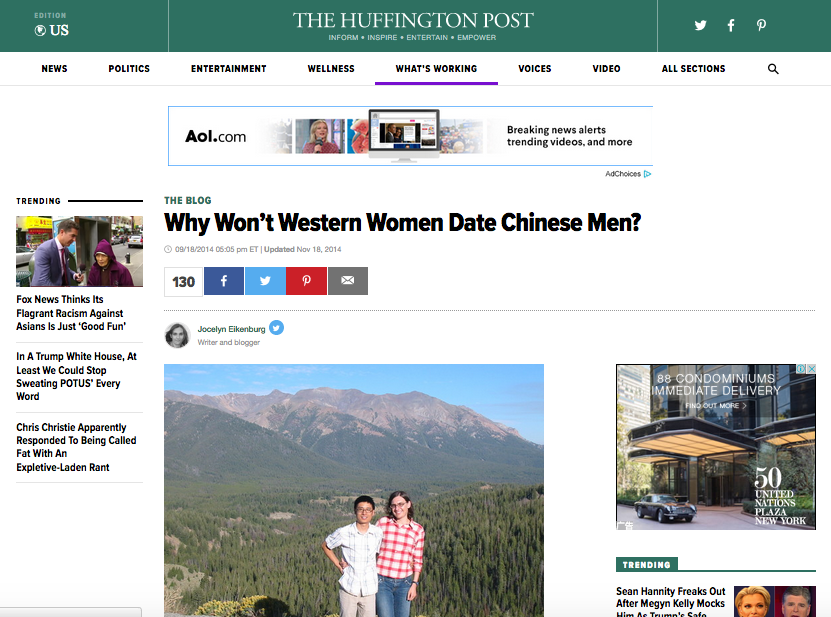
That happened to me just the other day. There it was in my social media messenging app — a picture of Jun and me under the title, Why Won’t Western Women Date Chinese Men? It was the first piece the Huffington Post ever published from me. Cool to see it’s still getting read, even after two years.
“Whenever I arrive at the airport in America, the first thing I notice is our men, how handsome and how tall they are,” one of my white female colleagues mentioned over lunch. “I’ll just stare at them for hours, as if I was Chinese and had never seen a foreign man before in my life.”
At least that woman wasn’t as blunt as another colleague, who used to bicycle with me through the streets of Zhengzhou. As we stopped on the corner of a side street and watched the mostly-male populous pedaling past us through the intersection, she grimaced.
“Chinese men don’t really seem that attractive.”
“How can you say that?” I asked her.
“I don’t know… they just aren’t.” She sounded too casual for a woman who just dismissed the entire male population in China.
How could these women just write off all Chinese men as undateable? The question haunted me as I pondered my crush on Tian. But it wouldn’t be the last time I would find myself up against these ideas. As I continued to date the locals in China and eventually married a fellow from Hangzhou, I would come to realize that most expat women in China agreed with my Zhengzhou colleagues. And sometimes, their dislike was just shocking. A European woman I worked with in 2001 famously told me that, while she found all Chinese men completely repulsive, she considered Chinese children so adorable.
Buying gifts for someone else never ranked as one of my top 10 most fun things to do. Not even back in America, where I grew up.
But after moving to China and marrying a Chinese local, it became even more of a headache. After all, China is a country that takes gift giving seriously, complete with its own gift-giving customs and etiquette. Now I would have to navigate all of these cultural rules to buy for my family in China, the people I’d be seeing every single year.
Cue the panic attack.
Fortunately, after years of experience in buying gifts for my Chinese family, I’ve learned it’s actually a lot easier than I thought. And sometimes, it can even be fun – if you know what to buy.
This website uses cookies to improve your experience. We'll assume you're ok with this, but you can opt-out if you wish.AcceptRejectRead More
Privacy & Cookies Policy
Privacy Overview
This website uses cookies to improve your experience while you navigate through the website. Out of these cookies, the cookies that are categorized as necessary are stored on your browser as they are essential for the working of basic functionalities of the website. We also use third-party cookies that help us analyze and understand how you use this website. These cookies will be stored in your browser only with your consent. You also have the option to opt-out of these cookies. But opting out of some of these cookies may have an effect on your browsing experience.
Necessary cookies are absolutely essential for the website to function properly. This category only includes cookies that ensures basic functionalities and security features of the website. These cookies do not store any personal information.
Any cookies that may not be particularly necessary for the website to function and is used specifically to collect user personal data via analytics, ads, other embedded contents are termed as non-necessary cookies. It is mandatory to procure user consent prior to running these cookies on your website.



 Do you use
  Alternatively, just search for my account by name (speakingchina).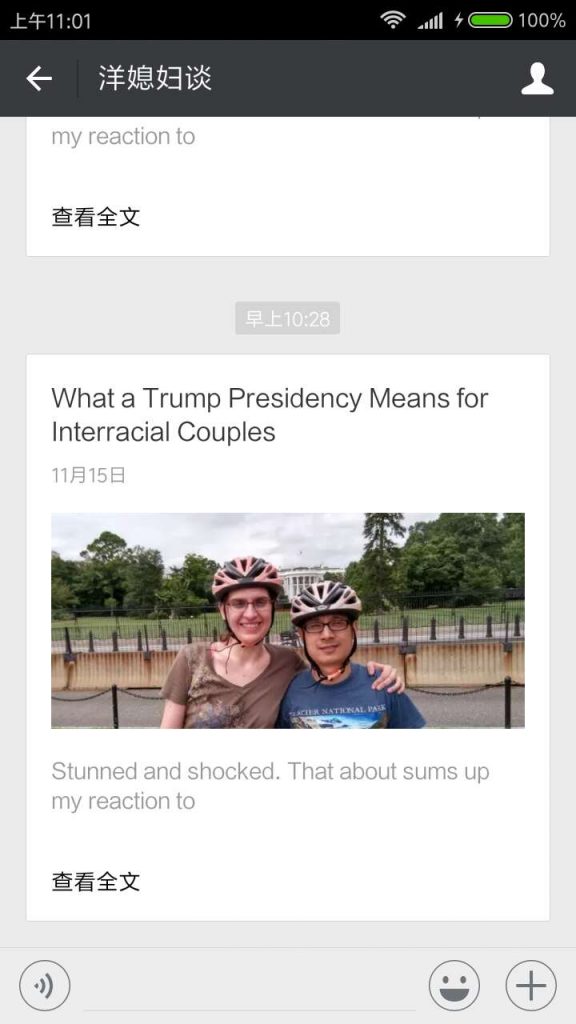


 Like shoes? Jo Kelly-Bai, who runs Heilan Fashions (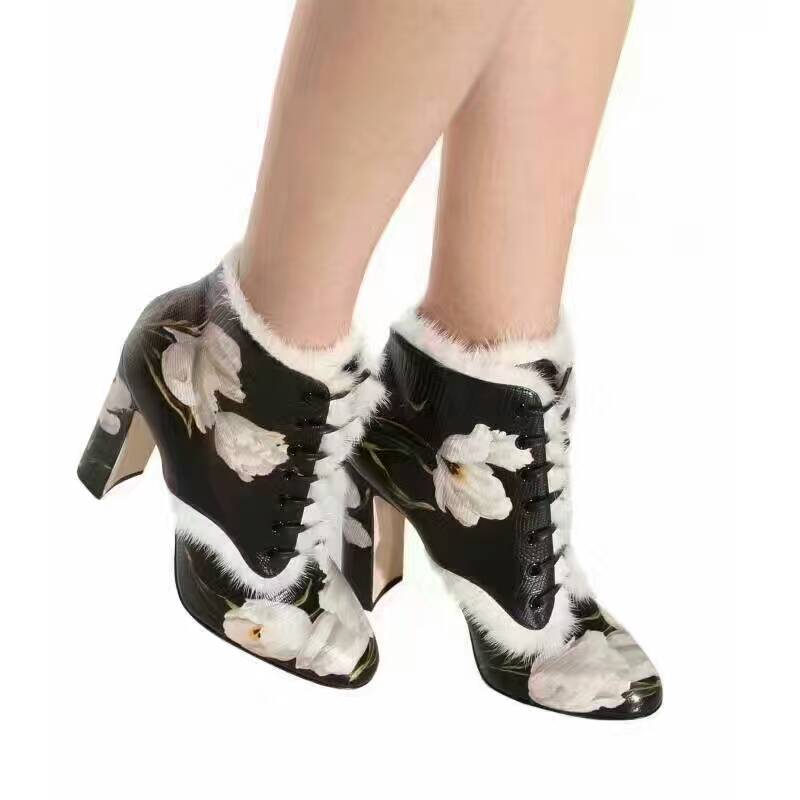




 It’s called The Green Room and they sell blends of natural oils specially formulated to care for your skin and hair.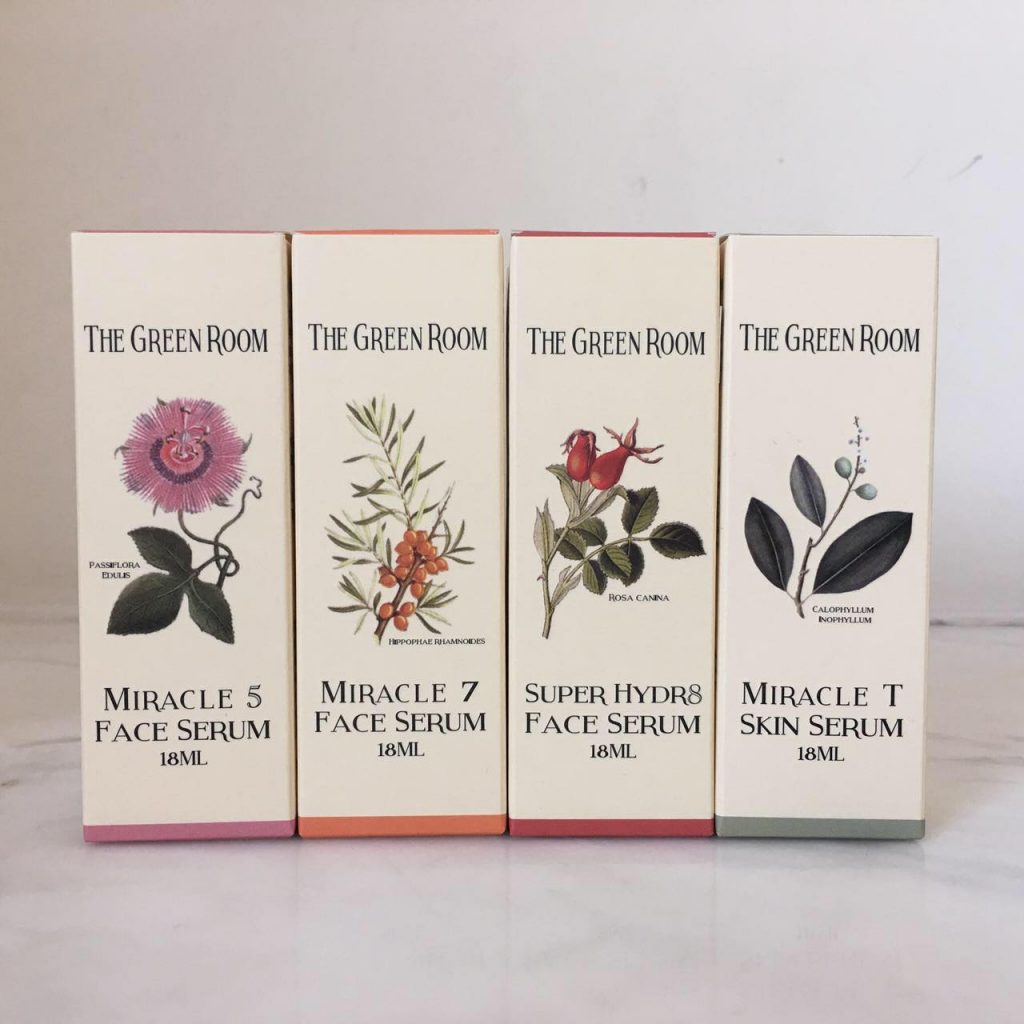
 Now until 20th December, purchase The Green Room Discovery Kit (5ML bottles of 4 face serums Miracle 5, Miracle 7, Super Hydr8 & Miracle T) and receive a voucher for a full size serum of your choice. It’s a great way to experience all four face serums and then choose a full size of your favorite!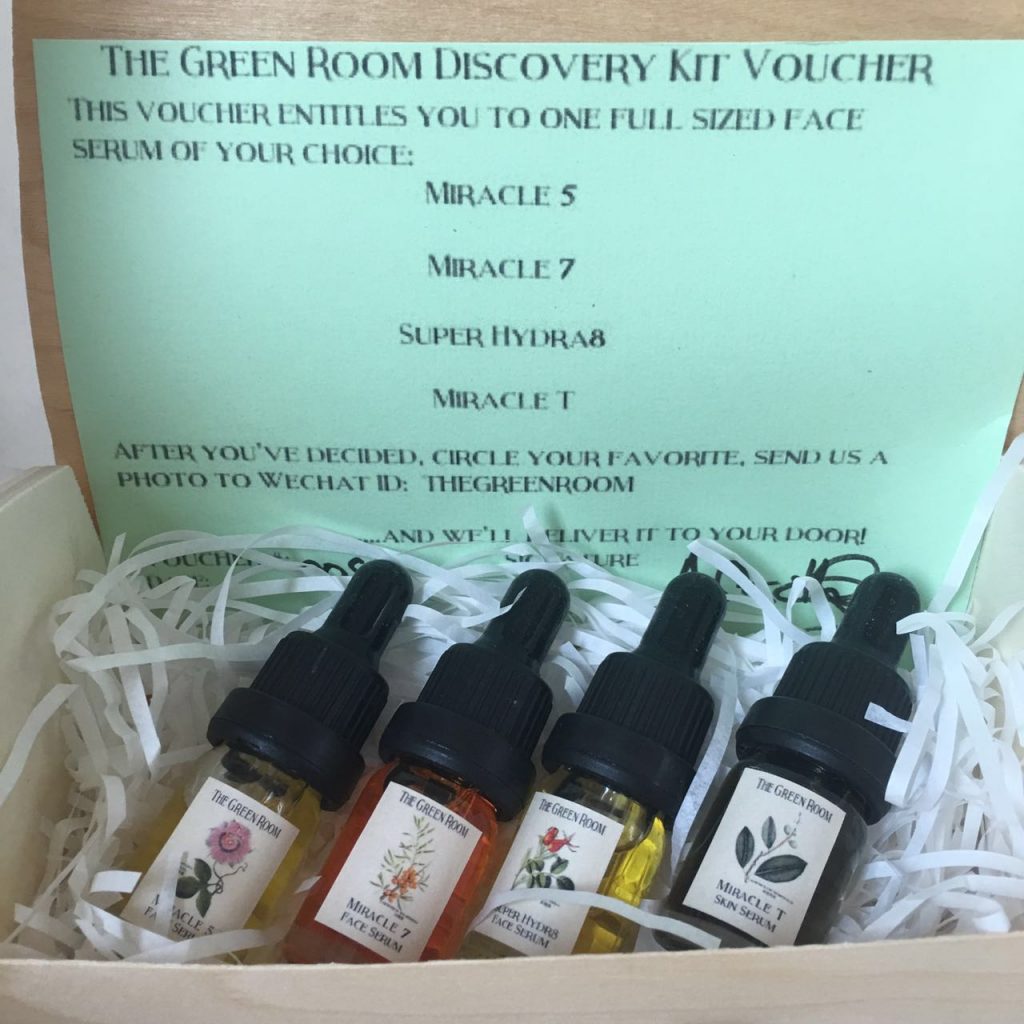

 I’ll never forget when my husband Jun first broke the news to his parents that we were dating. When he returned to our apartment, he gleefully announced the not-so-subtle response from his dad: “You can be friends with a foreign girls, but don’t date them.”
 Sure, it didn’t hurt that Jun’s parents turned out to be more flexible – and nothing at all like that stereotype of the “strict Chinese parent”.
 When you have a partner like this, it’s so much easier to manage any differences with the in-laws. You never have to worry about fending for yourself before the family. Instead, your partner has your back. You can relax, knowing you’re not alone.
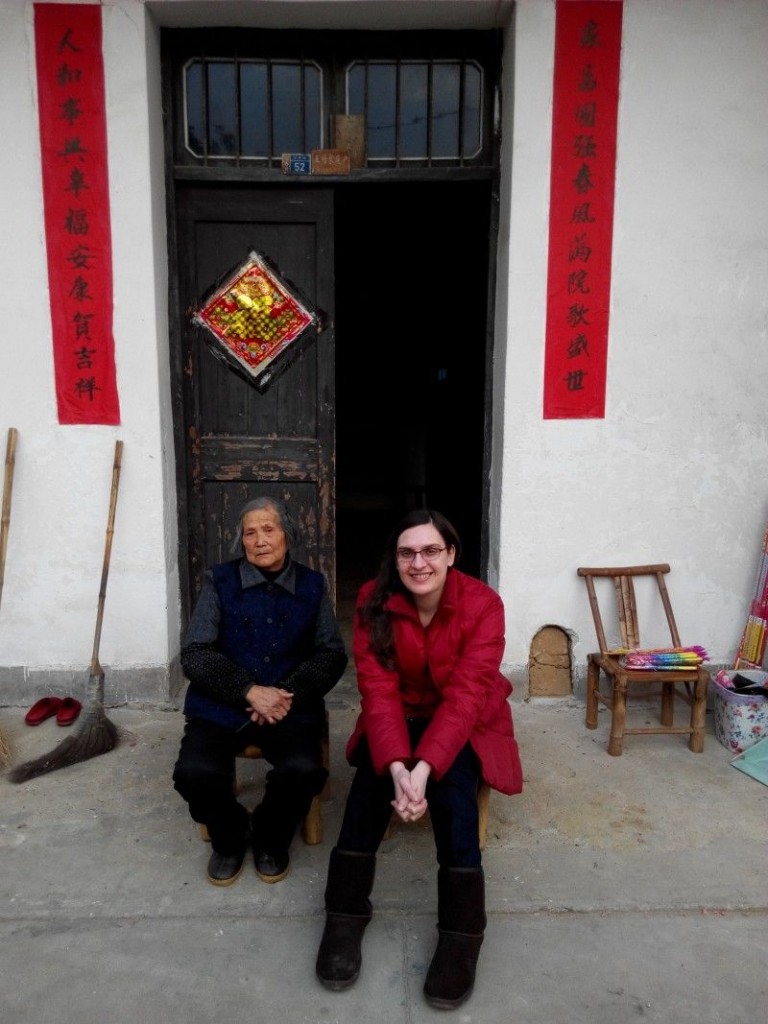 I remember the sense of melancholy that swept through my body when Jun gave me the news. The last time we had seen her was the month before, when we visited her in the hospital. In the usual Chinese custom, we had brought her some fruit – bananas and Chinese haw. And in typical grandma custom, she kept pushing the fruit meant for her into our hands. Despite having to fend her off, we all smiled and had a good time during the brief visit.