Photo Essay: Speaking of Reform at Beijing Bookworm Event for China Daily

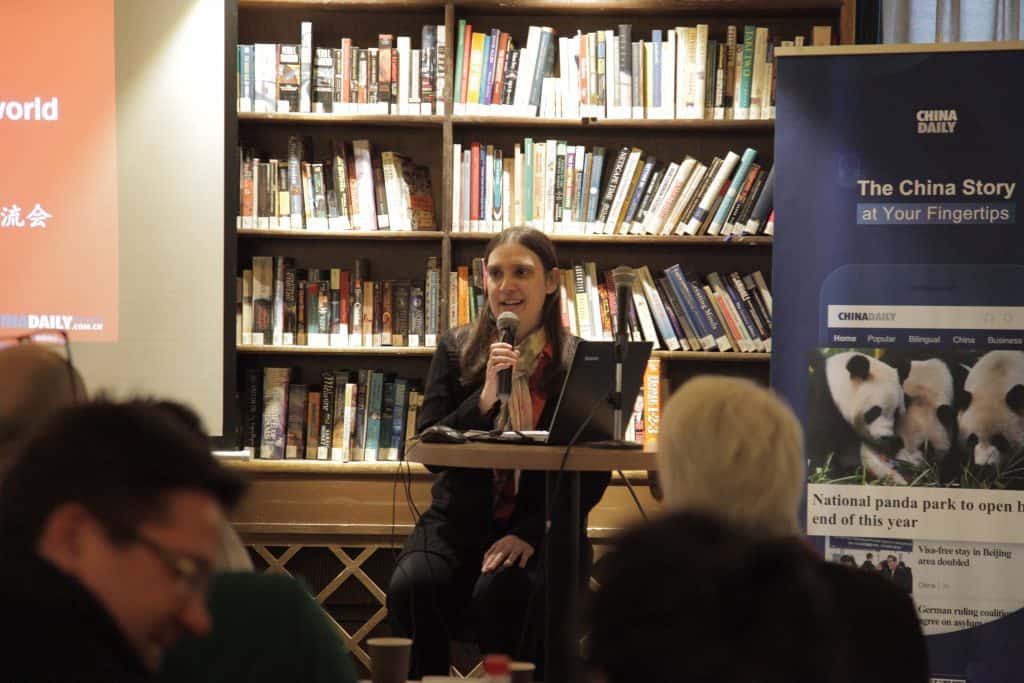
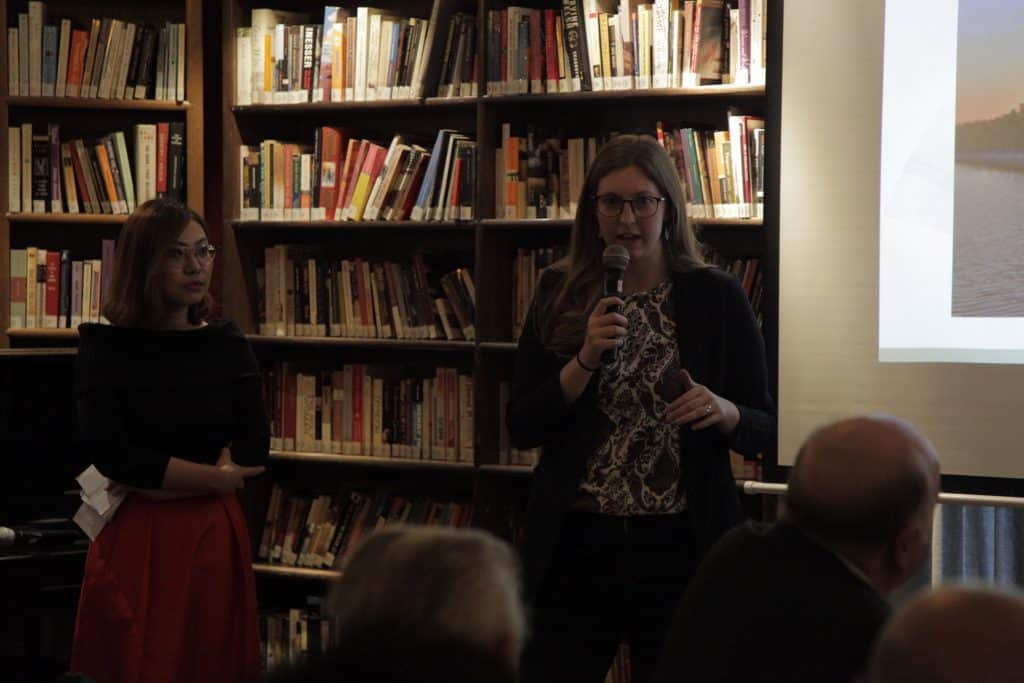
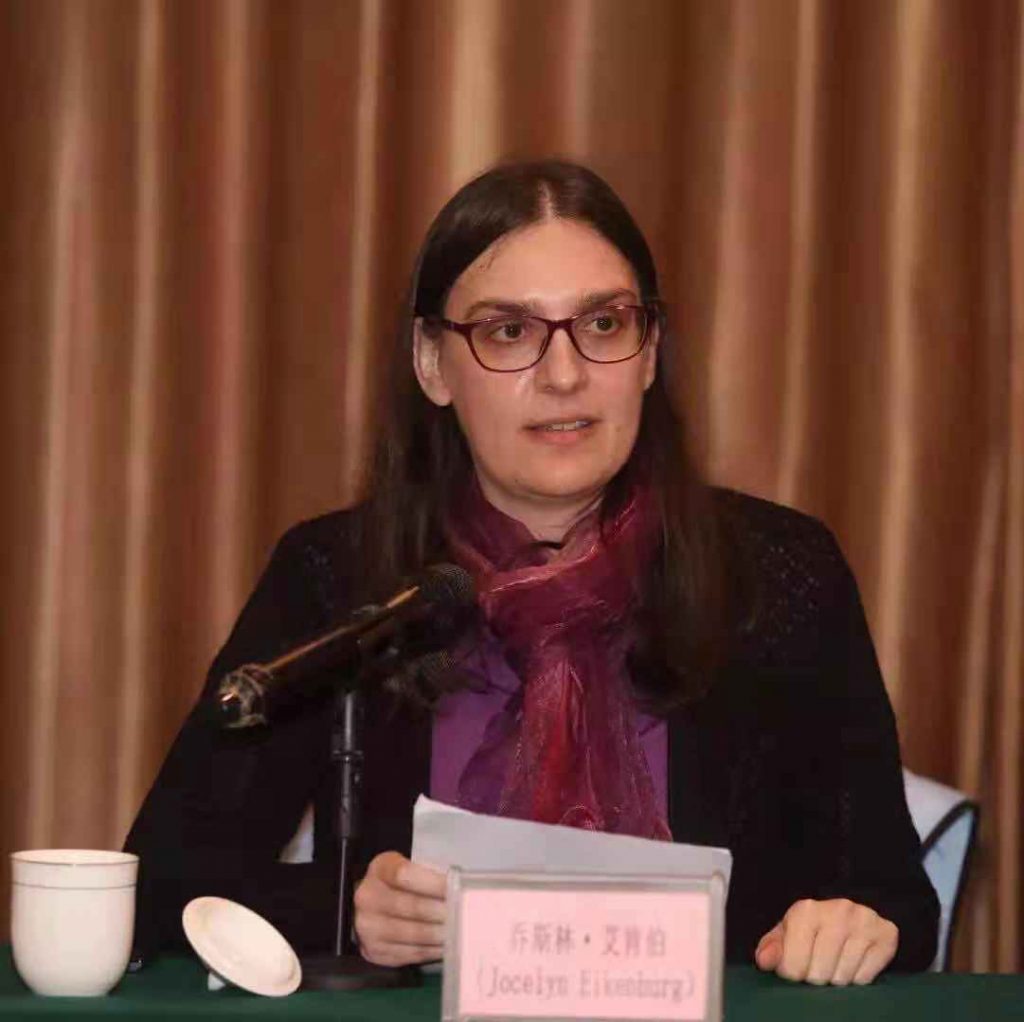
This past Wednesday, China Daily featured me as a speaker at a meetup event for foreign professionals timed to China’s 40th anniversary of their reform and opening-up. I shared my personal experience with reform as it relates to the country’s marriage law. In lieu of a post, I’m sharing a few photos from that event.

Wonderful also to see many of my fellow colleagues at China Daily as well as other friends, including Jessica Luo of China Radio International, who stood up and shared some of her experiences with reform and opening-up.

‘Fruitful’ Idea: An Easy Christmas Gift for Family, Friends in China

Many years ago, I experienced what was, to me, one of my most unusual Christmases. My fear of spending the holiday alone in Hangzhou, as I was single at the time, drove me to purchase a train ticket and flee to the one city where I actually had some close friends: Zhengzhou, in Central China’s Henan province. My old friend and Mandarin tutor Wang Bin connected me with some friends of his, who welcomed me into their apartment, bereft of even a single Christmas decoration, and offered me a guest room.

Even though it didn’t look a lot like Christmas in their home or on the streets, I felt determined to stir up a little holiday cheer on my own. Among my plans? Buying Christmas gifts for my Chinese friends and even host family.

Of course, this led to yet another great seasonal dilemma, one not unique to my situation in China. What Christmas gifts should I buy?

How many times had I grappled with this question in the US during past Christmases, only to face the same issue in Zhengzhou, China.

I still don’t remember what I purchased for my host family, but do recall picking up a few fuzzy scarves for my Zhengzhou friends. I have no idea if anyone liked them, but I can tell you I spent probably way more time and energy than the task deserved

Navigating Christmas in China has grown easier over the years, as I’ve celebrated many Christmases here and gained a better sense for how Chinese people view the holiday.

And now that I have family here, thanks to my marriage to a Chinese citizen, I’ve done my share of gift-giving with them. It’s not quite like doing Christmas presents back in my home country of America, but it’s also a lot easier.

If you have a similar dilemma, such as worrying about what to buy for everyone from Chinese friends or a Chinese boyfriend or girlfriend to a Chinese host family, then let’s talk Christmas gifts for people in China, with an easy suggestion sure to please all ages.

Here are things to keep in mind:

#1: People in China don’t generally expect gifts for Christmas

The good news? In general, people don’t have strong expectations for gifts. The vast majority of Chinese didn’t grow up celebrating Christmas with their families, as it isn’t a traditional holiday here. You won’t encounter people making out their “gift list” to give to others, or announcing what they want in advance. (This holds true for holidays in China where people do traditionally give gifts, like Chinese New Year.)

That takes a lot of the pressure off your shoulders, as you shouldn’t feel like you have to find “the perfect gift”. People in China don’t even aim for “the perfect gift” at Chinese New Year for others, so why should you fret about it for Christmas?

#2: If you’re going to give a gift, make it quality

Here’s the key though — whatever you choose, think quality when you buy. Face matters a lot in gift-giving in China. When you present something to someone else, it also reflects on you and your relationship with them. So as much as possible, aim for the best you can afford.

#3: When in doubt, go for my No 1 gift choice in China (with a Christmas twist)

I’ve done a lot of posts on gift-giving, including The Top 6 Gifts Sure To Please Your Chinese Family published on the Huffington Post, as well as my classic post Giving Gifts to Your Chinese Family – A Modest Guide.

But whenever pressed for an easy solution, I always suggest the No 1 gift beloved by Chinese of all ages — fruit!

Chinese people think of fruit as dessert. It caps off even the most lavish of banquets, and people frequently give it to guests, friends and loved ones as a treat or gift. And when people buy fruit, they have high expectations for taste and even freshness, which means you can find delectable choices at even the most humble of fruit stores. (This last point also explains why I’ve “rediscovered” some fruits here in China — see How China (and My Chinese Husband) Helped Me Love Grapes & Other Fresh Fruit.)

Now you can buy fruit in boxes or cases, or get a fruit basket (see my article 4 Tips for Giving Gift Baskets in China for guidance on fruit baskets). You can purchase these online through the major Chinese e-commerce sites — Taobao (or its English version Baopals) and JD — which are probably one of the best ways to zero in on high-quality offerings in any season. Local supermarkets will also have fruit in boxes or cases, and sometimes fruit baskets. You can always find both at the pervasive fruit stores all across urban areas in China (proof of how much Chinese adore their fruit). If you’re living overseas and want to send a fruit basket to someone in China, try Gift Baskets Overseas (disclosure: I’m an affiliate).

However, if you want to give fruit as a Christmas gift in China, purchase apples.

Why apples? Here’s an explanation from Why Christmas:

People give apples on Christmas Eve because in Chinese Christmas Eve is called “Ping’an Ye” (平安夜), meaning peaceful or quiet evening, which has been translated from the carol ‘Silent Night’. The word for apple in Mandarin is “píngguǒ” (苹果) which sounds like the word for peace.

Giving apples on Christmas Eve has emerged as a new kind of tradition here in China. Even I’ve received my share. And Chinese generally people love good apples, tradition or no, making them a wonderful present.

I highly recommend giving Xinjiang Aksu sweetheart apples (阿克苏冰糖心苹果) for their sugary goodness sure to delight during the holidays. China also has a variety of Fuji apples (富士苹果) that make for delicious gifts too.

Optionally, stores now sell special Christmas Eve apples decorated with Chinese characters just for the occasion, which obviously cost more.

If you opt for a fruit basket, that’s fine too. Look for one that includes apples!

While apples and other fruit make for an easy Christmas gift solution, they aren’t the only possibilities.

For more ideas, take a look at my article The Top 6 Gifts Sure To Please Your Chinese Family published on the Huffington Post, as well as my classic post Giving Gifts to Your Chinese Family – A Modest Guide. And yes, for gift baskets, see my article 4 Tips for Giving Gift Baskets in China.

What do you think is the easiest kind of Christmas gift to give to Chinese loved ones, family or friends here in China?

Photo Essay: I Made News + Other Xi’an Trip Highlights

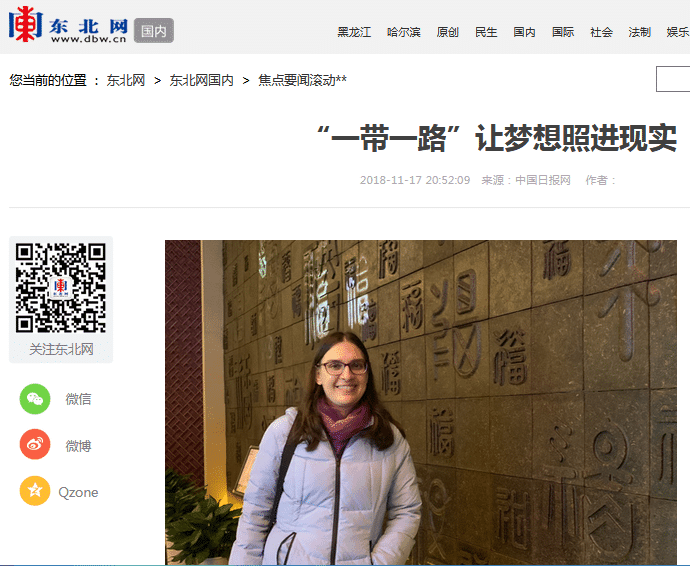
A few weeks ago, I made a business trip to Xi’an to participate in a conference discussing the China-initiated Belt and Road Initiative, with a special focus on the China-Europe freight trains that have helped power some of the newest projects on this revival of the ancient Silk Road routes. I ended up making news twice during the journey, and forged connections with leading academics and people in the media. Here’s a photo essay detailing everything from what we did and saw to even some of what we ate.

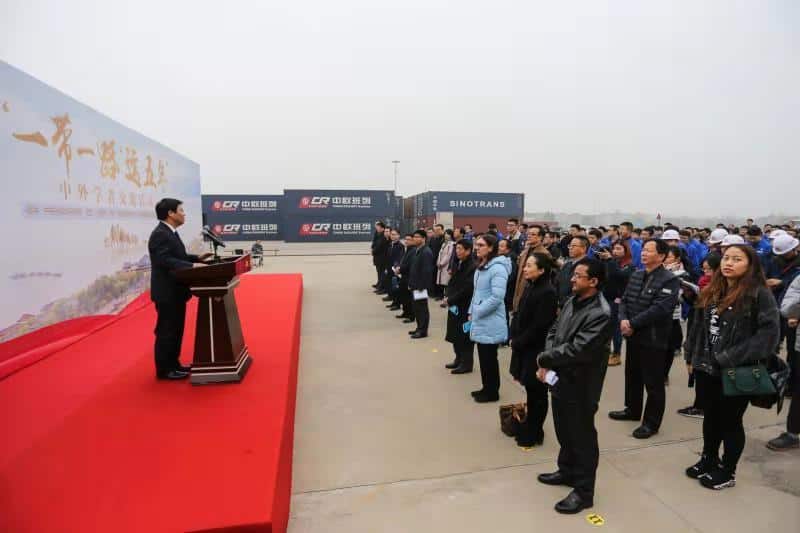
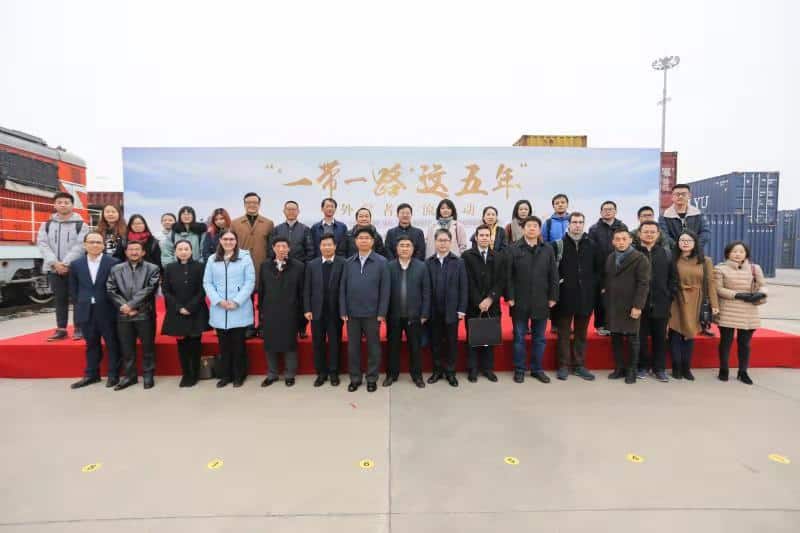
We first arrived at the Xinzhu station in Xi’an, a major inland port for China-Europe trains, and gathered for an opening ceremony, which took place right beside one of the trains set to travel to Hamburg, Germany. I’m standing in the front row before the stage, wearing a powder blue down jacket.

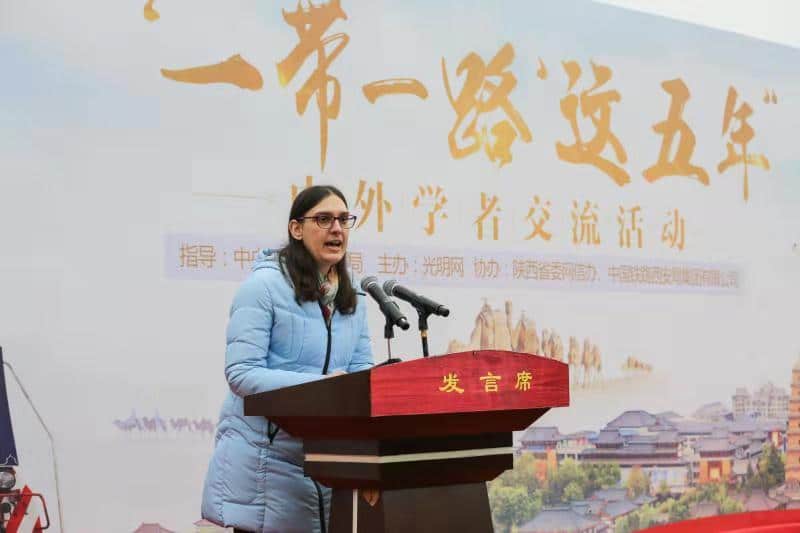
Then, after hearing a few other leaders speak, it was my turn to take the stage and deliver a speech in Mandarin Chinese for the opening ceremony.

This marked my first time to ever give a public speech in Mandarin Chinese!

Afterwards, we took a group photo. I stood in the front row, next to the former ambassador to Kazakhstan, Kyrgyzstan and the Ukraine, and a professor at one of China’s top universities.

We then had the opportunity to tour the expansive grounds at the China-Europe train station.

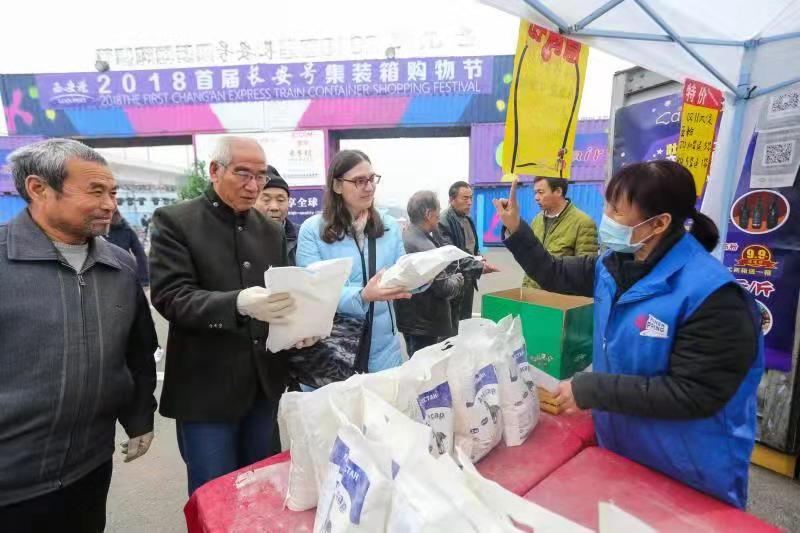
Next door, a “shopping festival” featured a number of goods shipped on the China-Europe trains, including this flour made from wheat grown in Kazakhstan.

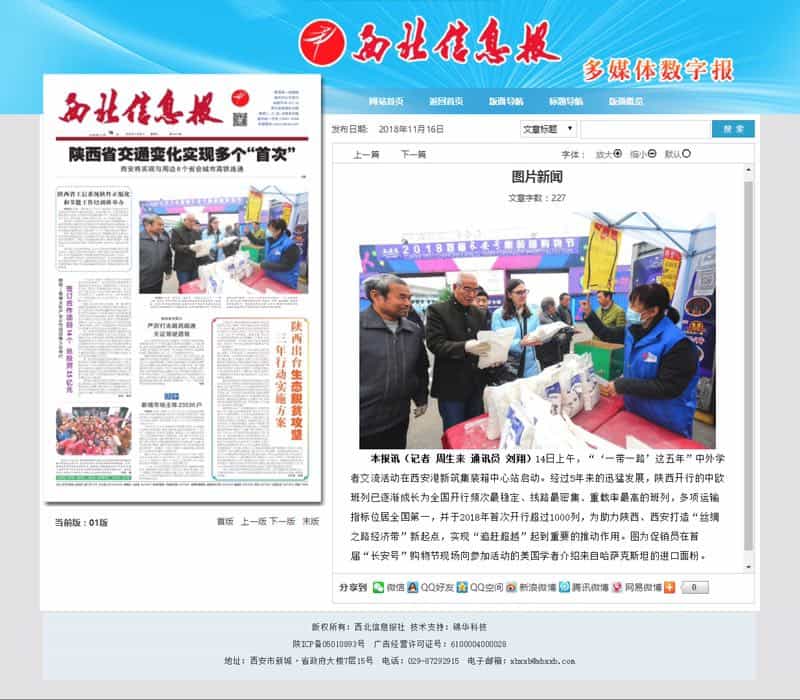
That picture later made front-page news for a paper in Xi’an.

The following day, we visited Fucha town, which has developed an entire industry founded on a variety of locally produced brick tea, which is also shipped on the China-Europe freight trains.

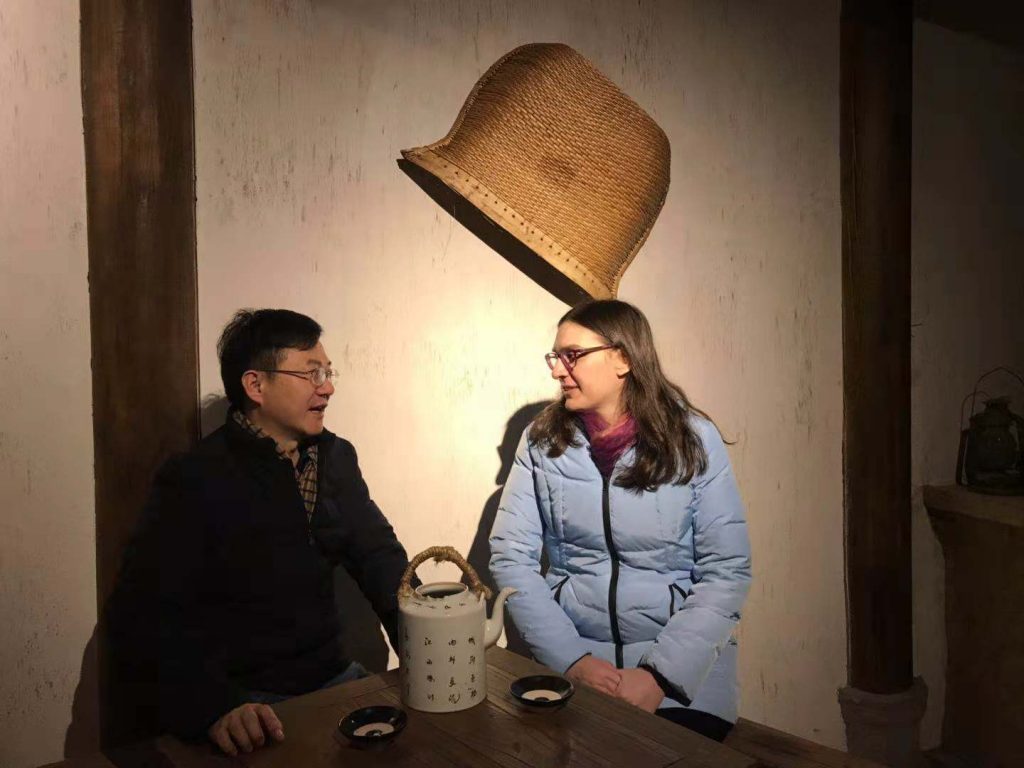
We learned more about the local tea and tea culture at the museum.

That afternoon, we gathered for a conference to share ideas and perspectives on the Belt and Road Initiative over five years, and I was one of the featured speakers, sharing stories from China Daily reporting.

My speech that afternoon turned into a news story.

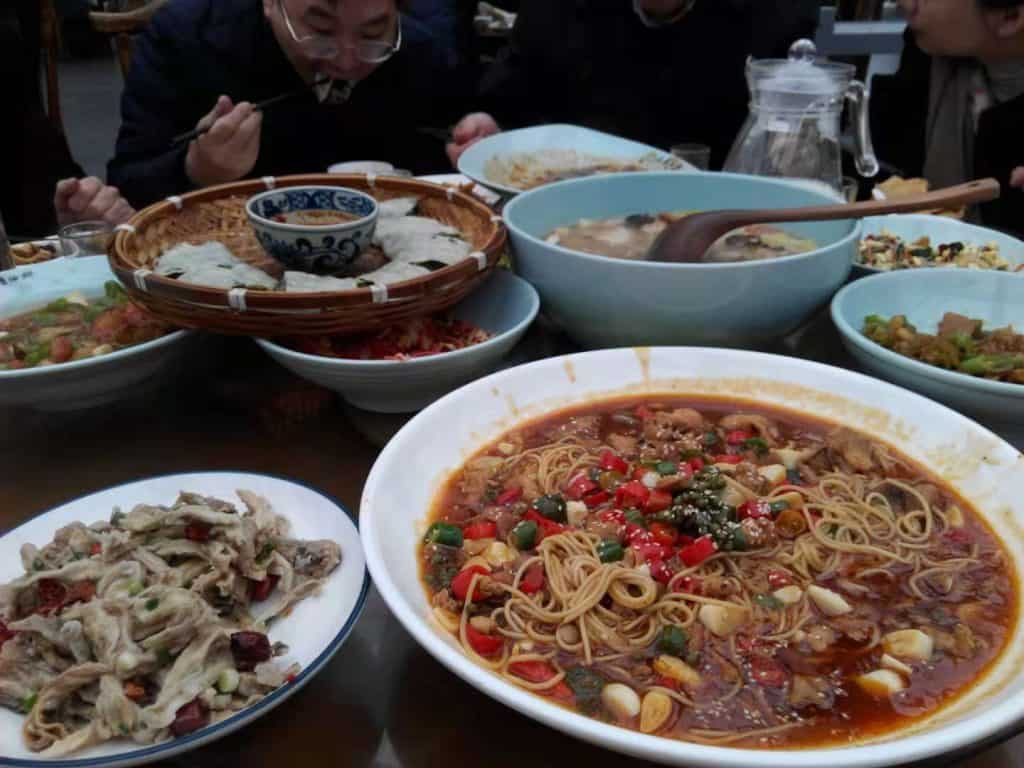
Now we the trip focused on business, it wasn’t without its small pleasures, such as the dining opportunities we had in Xi’an, renowned as a distinctive culinary crossroads.

This flatbread with a vegetarian filling reminded me of an inside-out pizza.

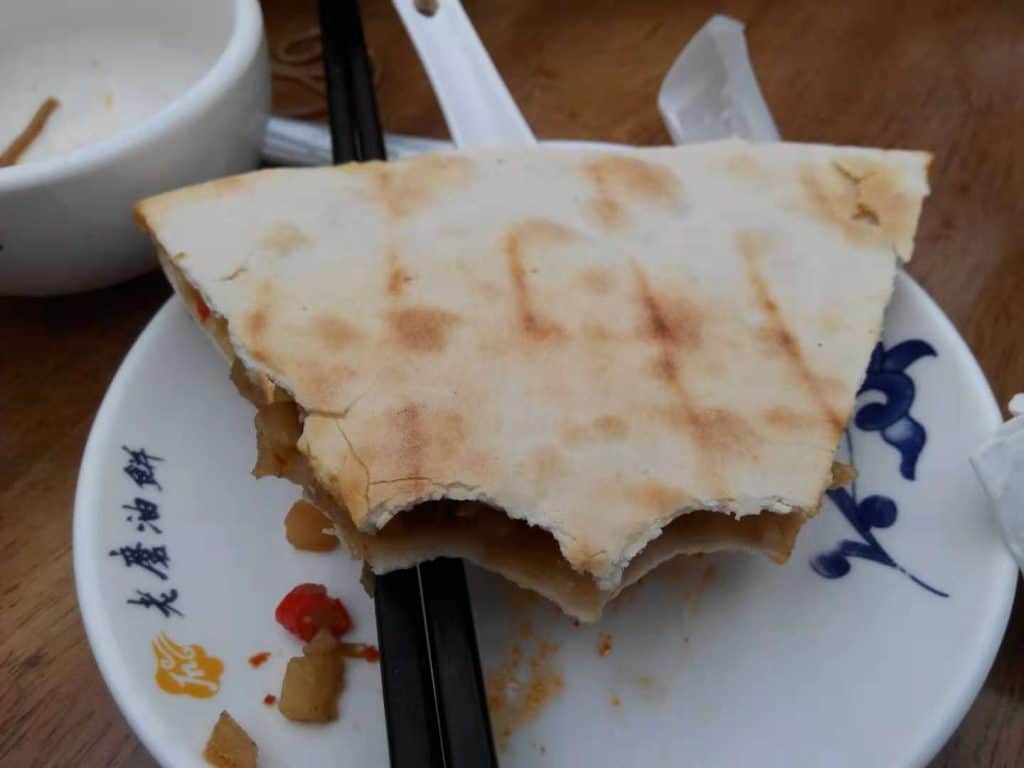
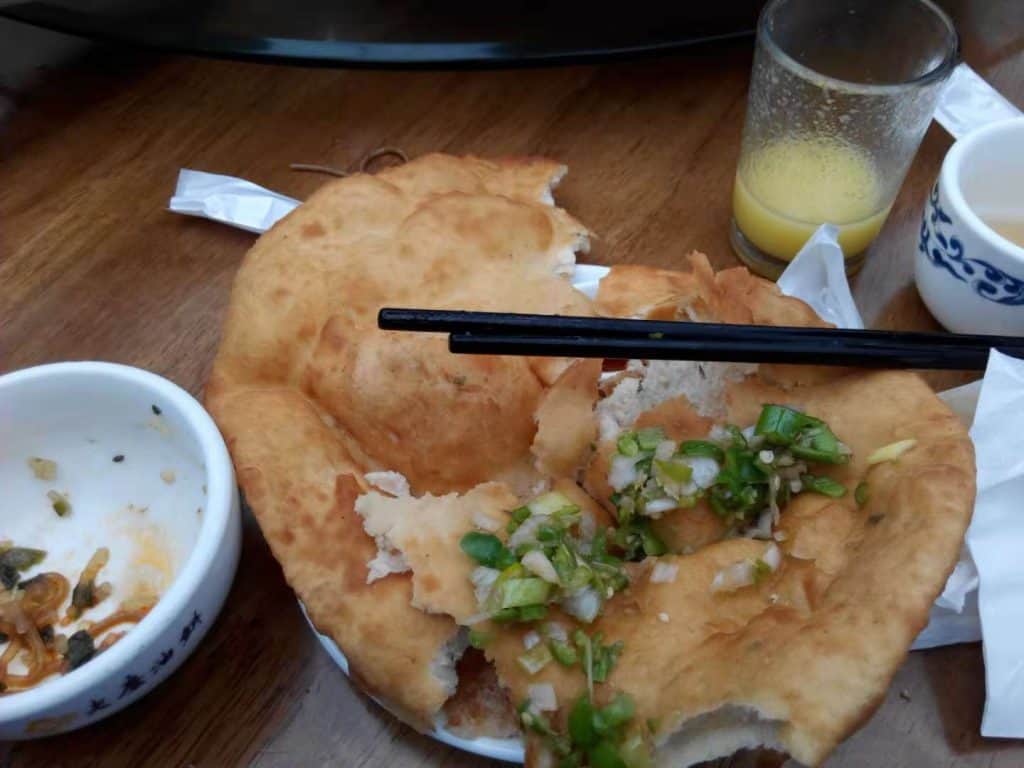
And this deep-fried bread, the namesake of one of the restaurants we dined at (老磨油饼), had a delightfully light, fluffy texture and was irresistible with salted peppers and green onion.

The Xi’an trip will forever shine as one of my highlights of 2018. So grateful I had the opportunity to visit this brilliant area of China for work.

A World of (Familiar) Wonder: How Living Abroad Changed My View of Home – Pub’d on WWAM BAM

The group blog WWAM BAM just published my post A World of (Familiar) Wonder: How Living Abroad Changed My View of Home. Here’s an excerpt:

The velvety expanses of grass, and the rolling hills blanketed in oaks and maples still commanded my attention hours after leaving the airport, like a child who had never seen them before. As we traveled along the highway, my eyes remained fixed on these grand natural landscapes all around us. And I wanted to soak in every single detail, from the different shades of green to the way the leaves seemed to shimmer in the July sunshine, set against a sky so blue it looked computer generated.

The whole scene felt like a dream, and even I wondered if I would suddenly awaken and find myself back in bed, somewhere else far removed from all this, even though it shouldn’t have thrown me into such a reverie. After all, this was the land of my childhood — the suburbs of Cleveland, Ohio, USA, the place I had grown up and called home for a good portion of my life.

So what had changed? Simple — I lived in China now, and it was my first trip back to the US in years.
It’s amazing how putting down roots in another country can transform your perspective on places you knew so intimately, to the point where they can enchant you all over again, like a first-time visitor. Where you forget all of the imperfections, the warts, the problems of the past and simply appreciate the scenery in that moment. It happens to me every time I come back to the US from China for a visit, and no matter the season, these landscapes of my childhood turn into something shiny and new.

To read the full piece, head on over to WWAM BAM. And if you like it, share it!

Photo credit: By Niagara66 – Own work, CC BY-SA 4.0, https://commons.wikimedia.org/w/index.php?curid=51712992

Translating a US Thanksgiving to Family in China – Pub’d in China Daily

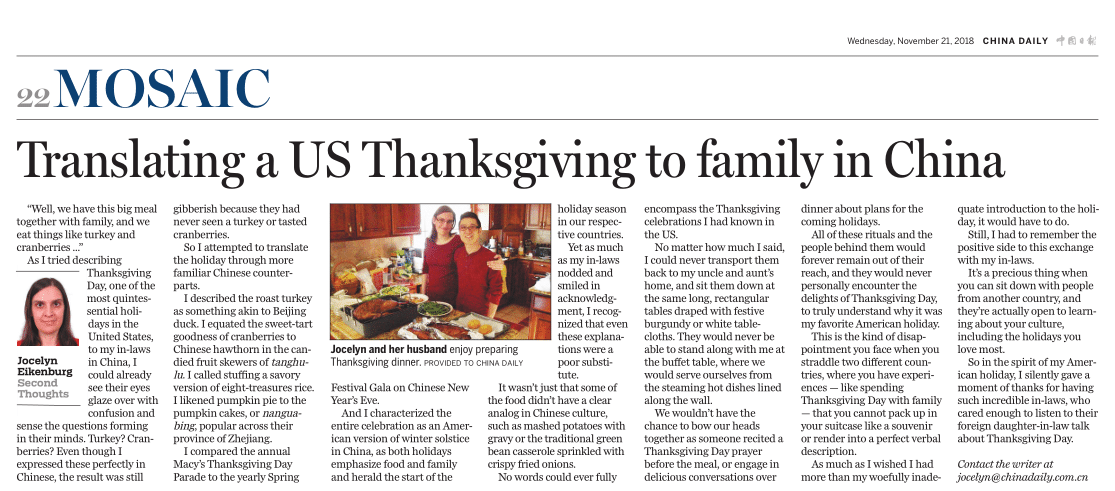
China Daily published my column titled Translating a US Thanksgiving to family in China, where I share my memories of trying to explain this favorite American holiday of mine to my Chinese in-laws. Here’s an excerpt:

“Well, we have this big meal together with family, and we eat things like turkey and cranberries …”

As I tried describing Thanksgiving Day, one of the most quintessential holidays in the United States, to my in-laws in China, I could already see their eyes glaze over with confusion and sense the questions forming in their minds. Turkey? Cranberries? Even though I expressed these perfectly in Chinese, the result was still gibberish because they had never seen a turkey or tasted cranberries.

So I attempted to translate the holiday through more familiar Chinese counterparts.

I described the roast turkey as something akin to Beijing duck. I equated the sweet-tart goodness of cranberries to Chinese hawthorn in the candied fruit skewers of tanghulu. I called stuffing a savory version of eight-treasures rice. I likened pumpkin pie to the pumpkin cakes, or nanguabing, popular across their province of Zhejiang.

I compared the annual Macy’s Thanksgiving Day Parade to the yearly Spring Festival Gala on Chinese New Year’s Eve.

And I characterized the entire celebration as an American version of winter solstice in China, as both holidays emphasize food and family and herald the start of the holiday season in our respective countries.

Yet as much as my in-laws nodded and smiled in acknowledgment, I recognized that even these explanations were a poor substitute.

It wasn’t just that some of the food didn’t have a clear analog in Chinese culture, such as mashed potatoes with gravy or the traditional green bean casserole sprinkled with crispy fried onions.

No words could ever fully encompass the Thanksgiving celebrations I had known in the US.

You can read the full column here — and if you like it, share it. And for those of you who do celebrate it, wishing you a Happy Thanksgiving holiday!

Heading to Xi’an, China This Week on Business Trip

A few hours after this publishes, I’ll be boarding a plane bound for Xi’an, one of my favorite cities in China! This trip is mainly for business — I’ll have the chance to visit some of the China-Europe trains, a logistics park and more, and will deliver a couple of speeches. But I’m also looking forward to the opportunity to enjoy some of my favorite snacks in Xi’an (such as liangpi — yum!).

Since this trip has kept me quite busy, I’m taking a break from blogging. But don’t worry, I’ll be back next week!

P.S.: That photo is from a visit Jun and I made to Xi’an a number of years ago, at Beilin, or the Stone Steeles Forest.

Finding the Faith to Move Forward in the Darkness – Pub’d in China Daily

China Daily just published my latest monthly column, titled Finding the faith to move forward in the darkness, on their official WeChat account. It’s about this one time several years ago when my husband and I found ourselves lost in the dark on mountain, with no clear trail. Here’s an excerpt:

When the mountain trail you thought would take you downhill suddenly ends in a great snarl of thorny bushes, and it’s nearly dusk, you know there’s trouble ahead.

That’s the situation my husband Jun and I faced years ago when we decided to summit the mountain at the center of his rural village in Zhejiang. And I never imagined that, in getting lost there, I would find something far more important.

While we had always wanted to reach the top, which drove us to hike there in the afternoon, we hadn’t planned for such a precarious descent. But our experience hiking around the village and its hidden network of unofficial trails should have prepared us for this possibility. 

How many times had we followed a well-trodden dirt path, only to have it stop in a thicket of weedy grass or a maze of bamboo? In fact, the very trail we used to climb the mountain had also disappeared into the woods, forcing us to improvise a way through a dense cluster of bushes and trees. 

However, the summit appeared deceptively neat, with a clearing and what seemed to be a far easier trail winding down the other slope of the mountain. We thought it would be a fast, straightforward trip back, until the trail petered out and left us stranded in the remnants of abandoned fields swallowed up by layers of weeds and crawling thorns, stretching down the mountain as far as we could see. 

If we wanted to make it back home, we would have to blaze our own way out of there, in the dark. 

As a lifelong hiking enthusiast, I had logged hundreds of miles on trails in parks across the US, my home country, but never at night. And yet there we were, trapped on the side of a mountain in near darkness with no established trail at all. 

I felt scared, beyond just the fact that walking ahead meant facing a prickly field of thorns. I worried we might take the wrong step and tumble down, or fall into something even worse than those thorns, since we couldn’t see the ground. How could we possibly move forward?

“Just take one step at a time,” my husband told me. “Don’t worry.” It was his way of encouraging me to have faith.

Faith is something I’ve struggled with in life, and being on that mountain was a test for me. It took all of my resolve to lift my foot up and place it among those thorns. 

You can read the rest of the column right here. And if you like it, share it! Also, if you would like to hear me read the article, check it out on the China Daily official WeChat account.

Photo Essay: Enjoying Fall Foliage at Beijing’s Fragrant Hills

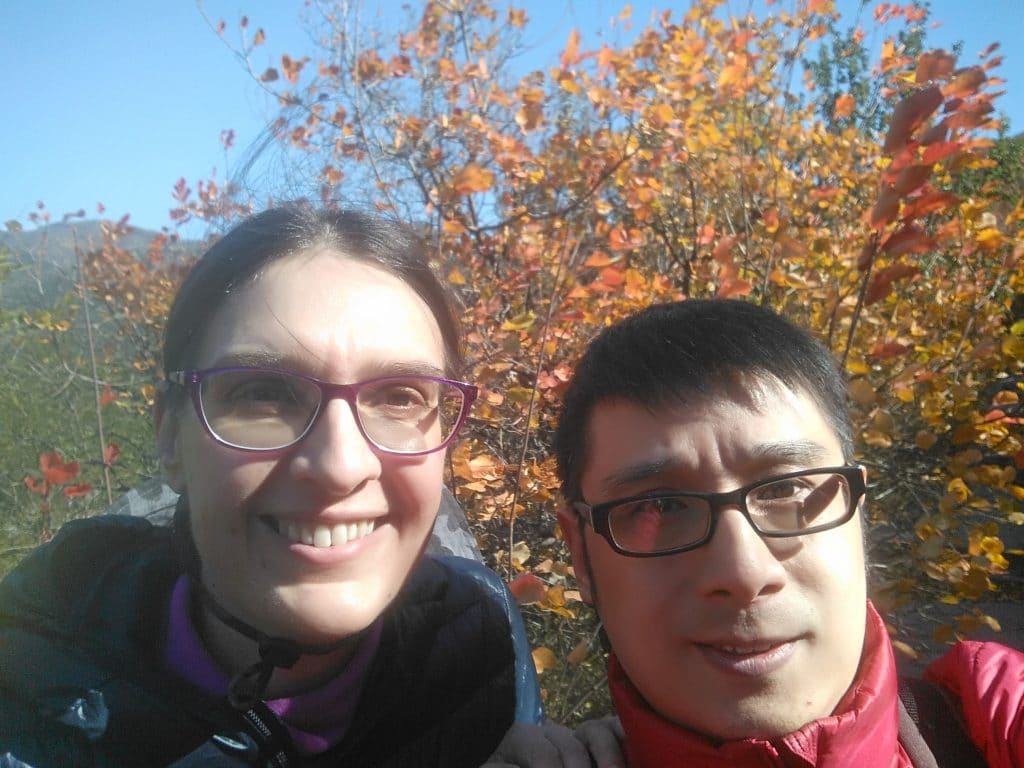
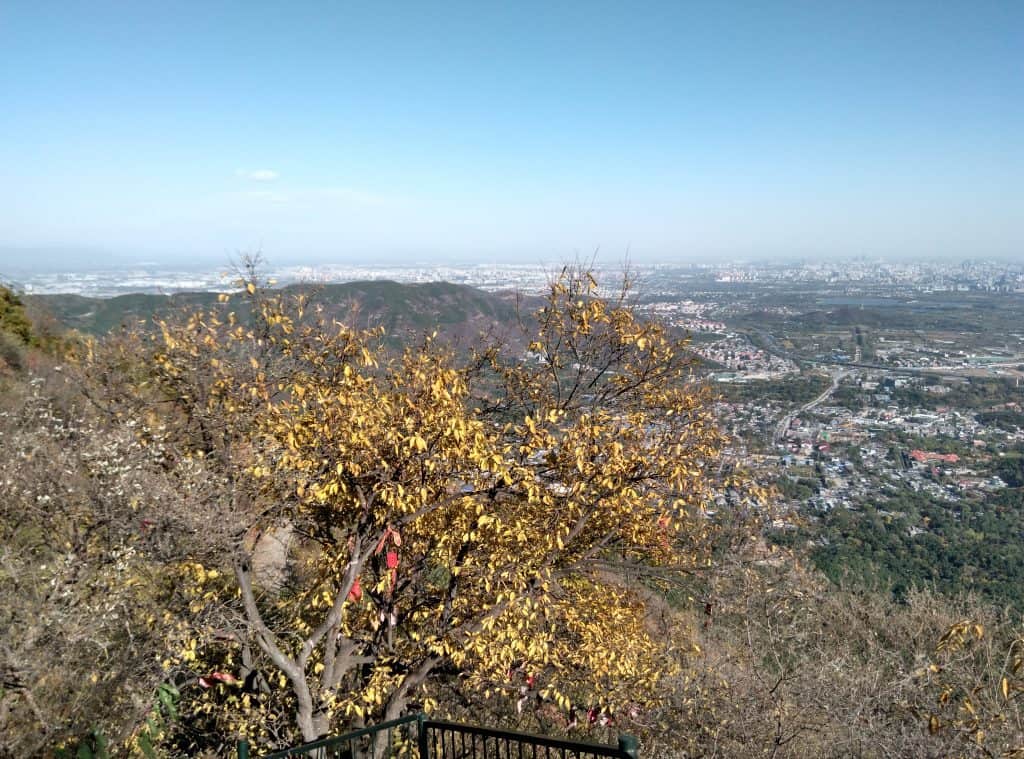
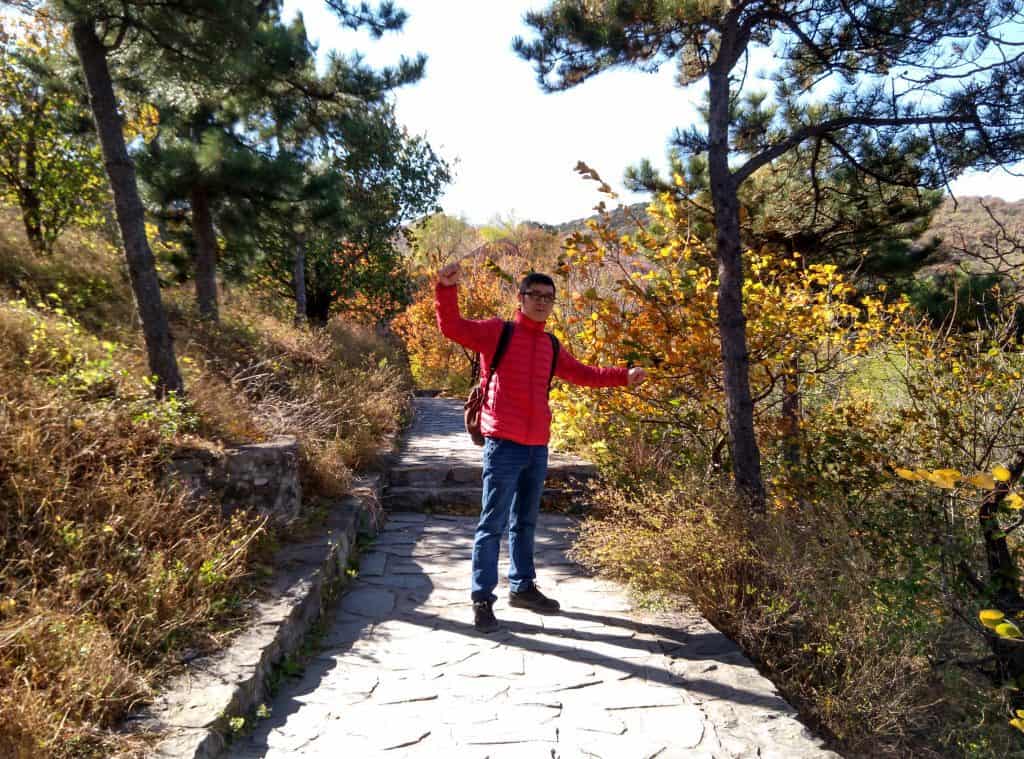
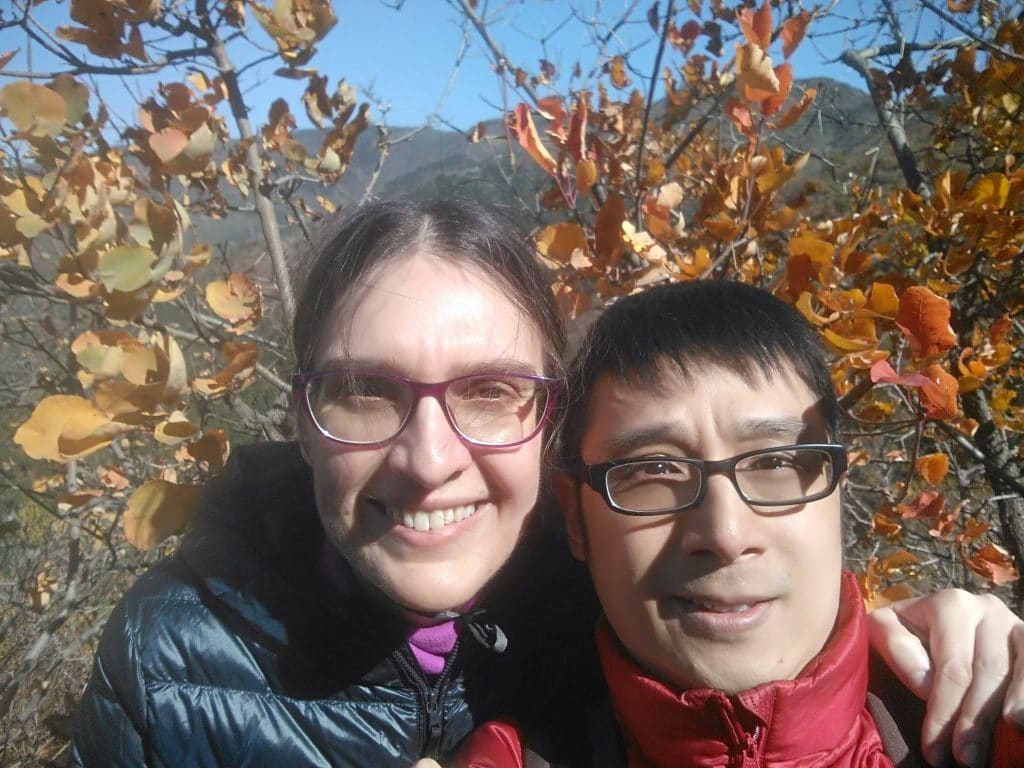
Beijing’s Fragrant Hills burst forth in brilliant reds, yellows and oranges with the coming of autumn, and visiting still remains one of those must-do experiences if you come to the city in October. Jun and I decided to go hiking there, timing our visit to catch the fall foliage at its peak.

First off, it’s an easy trip from Beijing, thanks to the newly opened Xijiao Line on the subway, and you can even buy your tickets to the park online ahead of time (which is recommended if you visit during weekends or holidays, when it can get rather crowded).

Second, while Fragrant Hills do draw a lot of visitors, it’s quite easy to escape the crowds if you hike a longer or less-traveled route.

While I’m still on break and catching up on things, I thought I would share some photos from our visit. We followed the “red leaf trail” in the park, which offers plenty of opportunities to view the best fall foliage at Fragrant Hills.


Wherever you are, here’s wishing you a fabulous (and colorful) fall!


Photo Essay: A Great Wall of Autumn Colors – Visiting Badaling National Forest Park

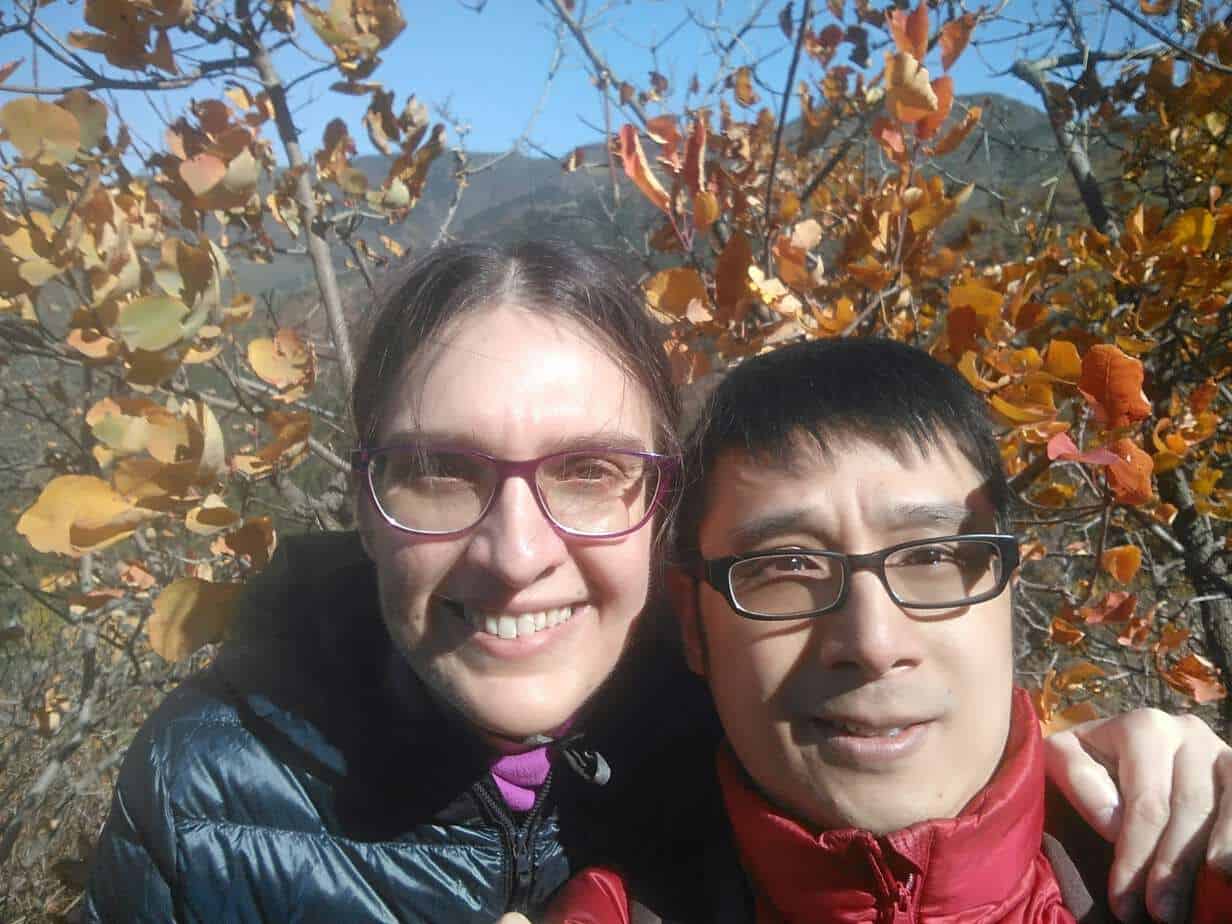
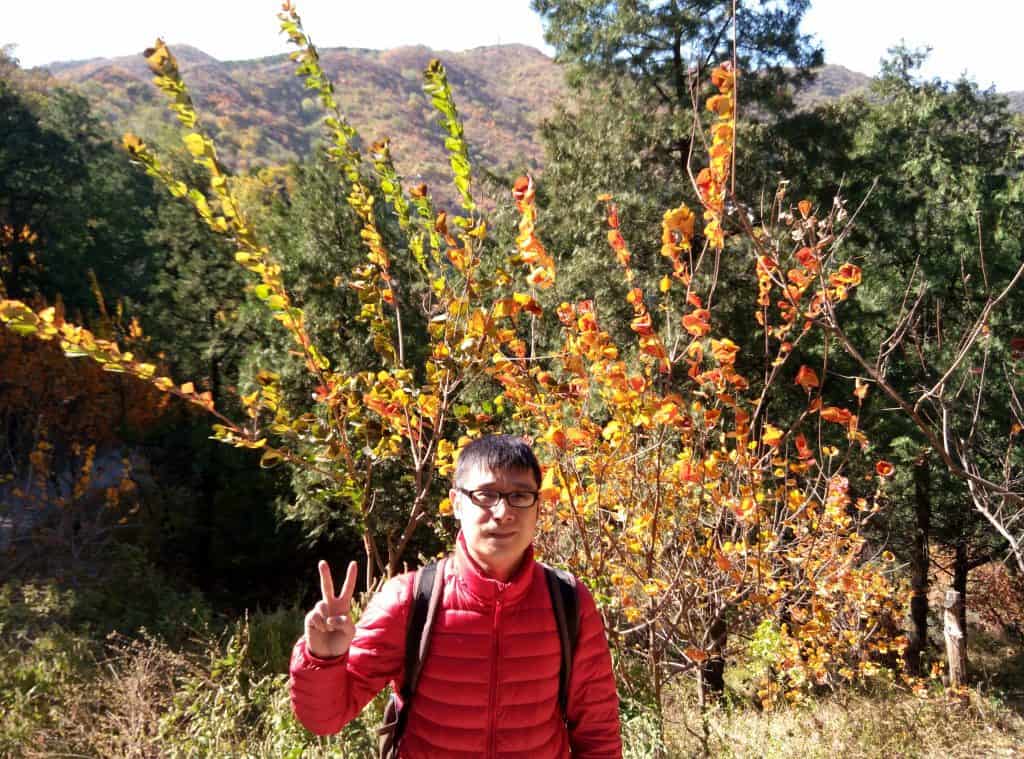
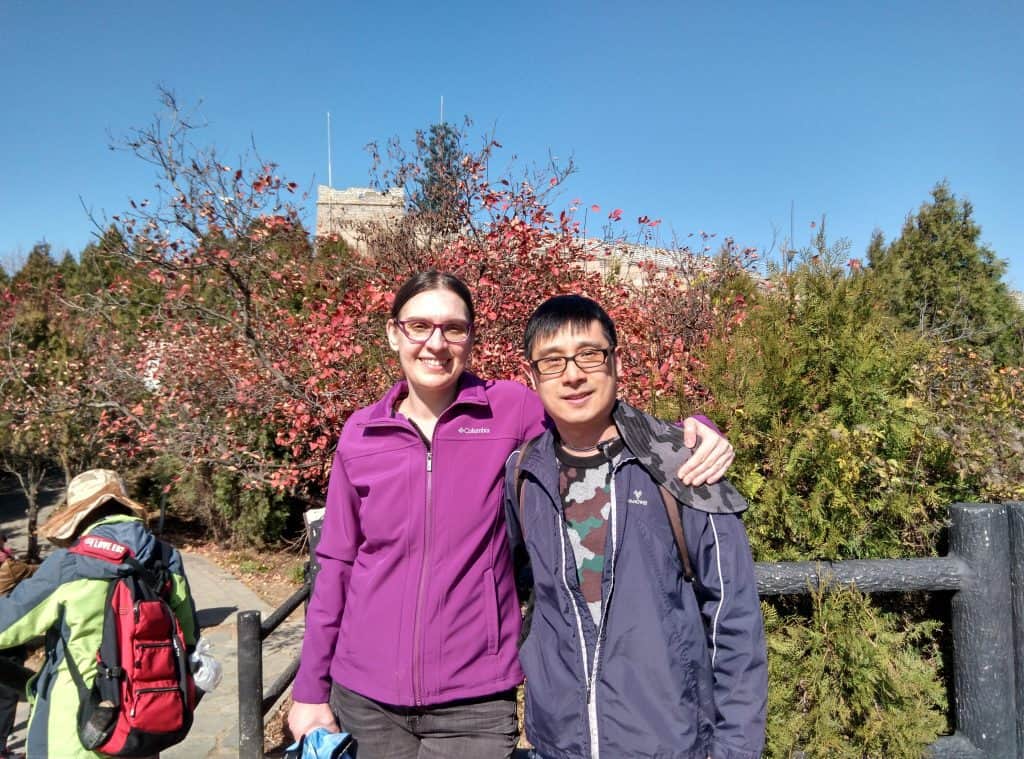
There’s nothing like hiking through mountains when autumn shows its brilliant colors — especially when you can hike beside and enjoy views of the Great Wall. That’s what Jun and I did this past week in a visit to Badaling National Forest Park.

It’s an easy journey from Beijing (just take bus 877 from the Deshengmen area, near the Jishuitan subway stop on Line 2). And once you’re up the mountain, a loop trail rewards you with incredible views of the serpentine Badaling Great Wall straddling the mountain ridges dotted with red and yellow leaves.

While I’m taking a break this week, I thought I’d share a sampling of photos from our hike.

Wherever you are, here’s hoping you’re enjoying the beauty of autumn!

When East Marries West: When One Wedding Won’t Do

Many years ago, fellow blogger Tianjin Shannon, an American woman, penned a post titled The Most Married, where she wrote about her third wedding ceremony with her husband Haike, from Hunan, China. Yes, you read that right — third. (And in fact, she would go on to later hold a fourth ceremony!)

While Shannon might indeed claim the title of “Most Married,” in fact, many other intercultural and/or international couples straddling the East-West divide have also held more than one wedding ceremony.

Tying the knot across cultures and borders makes it that much harder to have all your family and friends together at one single ceremony. Travel costs and even securing visas can already get in the way of well-intended supporters who would love to watch a couple say “I do”. Plus, every country and culture has its own distinctive wedding customs and foods, often difficult to replicate outside those borders. And what about those of us who, say, grow up with a dream of getting married at home?

For all of these reasons — and more — many East-West couples prefer to organize at least two wedding ceremonies (and yes, sometimes even three or four)!

Whether you’re looking for wedding inspiration, a way to remember your big day, or a delightful diversion, here are two different examples of how East-West couples have chosen to walk down the aisle more than once.

Traditional ceremonies in the East (Japan) and West (Italy) – My Japan Slice

The blogger at My Japan Slice represents the most traditional choice for those who decide to have two wedding ceremonies. Their reasoning would surely resonate with most East-West couples:

Since the beginning we planned a double ceremony. We are both interested in each other’s culture and we like to learn and experience about it so having our wedding ceremony only in one of our countries would have meant missing something.  Besides, we both have aging grandparents who could not travel. A double ceremony, one in Japan and one in Italy, was the perfect solution.

They set their dates in winter with Dec 23, 2016 for the Japanese ceremony in Kyoto:

My husband’s family lives in Kyoto so it was natural for us to get married there. We choose Kamigamo Shrine because the Kamo river had played an important role in our story being the place where we strolled hand in hand for the first time on our first date. Again we were lucky because the shrine was already almost fully booked and we got the 12.45 slot.

For the Italian ceremony, they chose Jan 5, 2017, at a church in a small mountain village in the northern Alps:

I choose this village because it is the place where the priest who celebrated my parent’s wedding lives. He moved there some years ago and we kept in contact. He was overjoyed when I asked him to celebrate our wedding on January 5th 2017. He also helped us a lot because, since my husband is not Catholic, we needed to obtain a special permission from the Catholic Church in order to get married with a Catholic ceremony. My priest is so dear!

The couple also decided to sandwich their honeymoon between the two ceremonies (they went to Norway — Northern Lights and dog sledding!).

This blogger went on to chronicle every moment of each wedding ceremony, with lots of Instagram-worthy photos. In Kyoto, the couple organized the day a little differently to reflect their cultures and also accomodate guests from outside Japan. Here’s my favorite quote about their ceremony:

The ceremony lasts twenty minutes and ends with further blessings and prayers. We leave the wedding hall and walk to the inner shrine where we pay our respect to the god. In the meantime it has stopped raining. My father in law says it is the hare hito hare onna power. Hare hito hare onnameans sunny guy, sunny girl, my father in law likes to say that when me and my husband are together the sun always shines. The funny thing is that it is actually true almost all the time, we have always been lucky with the weather.

And here’s a highlight from their wedding in Italy:

We didn’t exchange rings during the Japanese ceremony because we choose to do it during the Italian ceremony since the rings exchange originally is a western tradition. Our wedding rings are a gift from my parents and our Best Men. Usually inside the wedding rings there is the wedding date engraved but we got married twice and we didn’t want to choose one date over the other so we decided instead to write 二人三脚 (nininsankyaku) that means “two people, three legs”. It is a Japanese proverb and it describes two people cooperating and sharing responsibility to achieve a common goal. To us it is the perfect synthesis of what being a married couple means.

You can read both posts for a vicarious look into the ceremonies in Japan and Italy (and to ooh and ahh over the photos)!

East-West ceremonies in each country (China, USA) – Adventures in Asia

If you’re an East-West couple, then shouldn’t each ceremony truly reflect your cross-cultural relationship? That’s the kind of reasoning that Katie at Adventures in Asia shared about her decision to have a Chinese-style wedding in the US and an American-style wedding in China:

My dream was to have an American-style wedding in China and a Chinese-style wedding in America. I thought this sounded fun and interesting! Until our wedding, none of my family had visited China before, so giving my relatives and friends a taste of my relationship and my life in China at our wedding in the U.S. was very important to me. I felt that doing cross-cultural weddings would express our cross-cultural identity as a couple. Doing our weddings this way would mean sacrificing certain customs – that is, I couldn’t have a truly and completely American wedding in China on a reasonable budget, and we couldn’t do all of the Chinese family traditions in America. That’s reality.

So how did they pull it off?

Here’s a quote about what Katie and her husband did for their Chinese-style wedding in the US:

The Chinese wedding dinner usually includes a Western-style ceremony inserted halfway, complete with the bride dramatically entering in a white dress and the exchanging of rings and simple vows. This is sandwiched between the Chinese traditions of the bride and groom welcoming all the guests at the door (and receiving all the red envelopes of cash money), and the couple toasting each table of guests (after the bride has changed into a red dress or qipao). There is also usually entirely too much food stacked onto the tables, the parents give speeches, someone sings a song or performs a dance, and an emcee entertains with games and prizes. We tried to replicate this dinner at our States-side wedding and got decently close!

She also shared some of the pros and cons of doing an American-style wedding in China, including the following:

+We had our ceremony at the church where we attend, and as such we did not pay anything for the building, the officiant, the pianist, or the sound guy. In China, it’s all about who you know!

-Finding an officiant to marry us was surprisingly difficult. Most of the people we asked weren’t too keen on the attention of a Chinese-foreigner wedding. (For Chinese, the emcee usually narrates the vows, if they do them.) I wrote the entire script for the wedding myself (mostly inspired by traditional Western ceremony I found online), and my husband translated it.

+We were able to hire a company to handle the reception decorations (as mentioned previously). Our dining tables were outdoors with candles and dangling lights in the trees and dancing under the stars! This definitely would have been outside our budget in the U.S.

-Finding everything from candles to the flower girl basket in white, not red, was a constant struggle, but possible!

I recommend reading Katie’s entire blog post, which details everything from some of the initial challenges to their East-West engagements and both of the ceremonies.

For East-West couples who are considering two wedding ceremonies, what do you think is the best solution?