Guest Post: How Asian Will My Future Husband Be?

Over a year ago, I wrote a post titled What’s the big deal about Asian men and bags? Even though it’s not a custom in the America where I grew up, after coming to China I came to love how men (including my husband) would gladly hold my bags for me when we’re out and about.

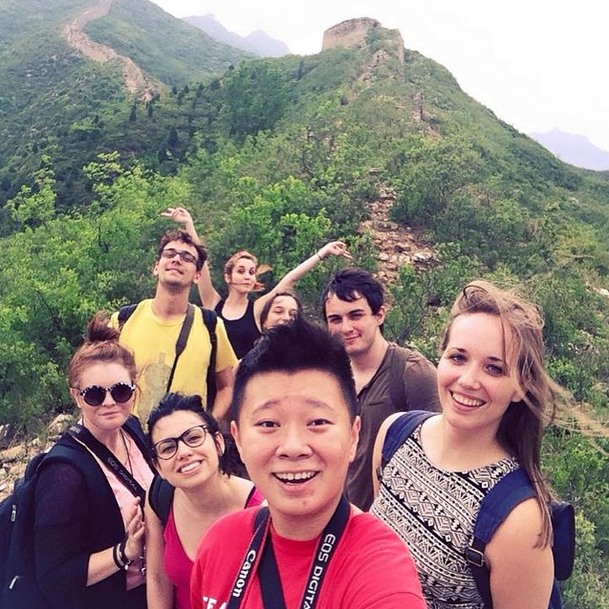
Lena, a Danish woman currently studying in Beijing, feels exactly the same way. She has dated the men here — and in the process, she has come to love some of those cultural differences in dating (including carrying bags for women). But the thing is, her foreign friends don’t always understand.

Do you have a story about how coming to China has changed your views about dating? Or another guest post that fits the scope of this blog? Check out the submit a post page to learn how to have your writing featured here!
—–

https://instagram.com/p/3V0bEJQye8/
(Photo by lenaelsxx at https://instagram.com/p/3V0bEJQye8/)

“When in Rome, do as the Romans do.”

This is an old saying that makes perfect sense. When going to another country, it’s important to associate with the culture and the people. I don’t mean it’s necessary to change the way you are personally. But when you’re placed in another culture, there are some differences. And some of them, I do think, are important to recognize and follow so you won’t make trouble every time you walk out the door.

I’m in China right now and the dating rules here are a bit different from my home country of Denmark. Because of this, my friends and I love to discuss how “Chinese” or “Western” a boy can be. Races are also a big topic. It has nothing to do with racism towards anyone, but just about what is more attractive to us — in this case, my friends from South Africa and Italy, and me. And yes, most of my friends have different preferences.

https://instagram.com/p/3NtWl8QyfY/
(Photo by lenaelsxx at https://instagram.com/p/3NtWl8QyfY/)

So intercultural dating is a hot topic these days. Many people traveling abroad meet a handsome boy or beautiful girl who they fall in love with. But when reality hits them, they realize that dating between different cultures isn’t always that easy. Love is one thing but culture is another, and our own culture and behavior are very difficult to change. Furthermore, I don’t think we should try to change, but we also need to accept the other person as well and realized that they don’t necessarily need to change, even if their habits annoy us sometimes.

So last night at dinner when discussing the Chinese dating culture with my friends, we ended up talking about the classic “carrying-the-bag” issue. What is that about? Let me explain. Chinese guys are supposed to carry their girlfriend’s bag. This is the rule no matter how small, purple or bling-bling it is. My friends in this discussion are all foreigners (both boys and girls) and none of them like this. I wasn’t sure I agreed because I realized that I actually do expect the boy to carry my bag. I carry my own small fake Gucci purse but if I carry something just a bit bigger without bling, I would expect my male friend to ask if he should carry it for me. Maybe I’ll give it to him, maybe I won’t. It depends.

My friends were laughing at me when I told them the story of me and a male friend out shopping. I was carrying my bag and he had bought something. Because he didn’t have a bag, he asked if he could put his stuff in mine. I took his things and suddenly my bag was quite full. He didn’t notice. I tried to tell him, and still no reaction. I even told him that he wasn’t a real gentleman, way too Western (my other way of saying he wasn’t a gentleman) and not caring at all. He laughed at me as well and I realized that I was actually annoyed by this English guy who obviously didn’t know anything about Chinese culture. (How could he? He had just arrived and my face is pale and Scandinavian. How would he know that I expect this from every man I meet these days? It came as a surprise to me as well).

https://instagram.com/p/3OnMy0wyWh/
(Photo by lenaelsxx via https://instagram.com/p/3OnMy0wyWh/)

Another day, my stomach wasn’t quite well, and my Chinese male friend automatically took my little fake Gucci out of my hand immediately and carried it for me the rest of the day. I tried to take it back a few times but he was afraid of me being in too much pain. I don’t think the little purse would have made any difference but I liked his way of thinking.

After listening to these two stories, my Western friends told me that I was way too Chinese. I thought about this afterwards and I know that I am, but is it that bad then? I’ve been in the middle for a while because I know that there are some Chinese cultural behaviors that I’ll never associate with. But there are also others that I haven’t even realized I’ve already taken on my shoulders a long time ago. One reason is the fact that I actually hang out with Chinese people for fun, while many of my foreign friends don’t. It’s interesting to see this difference in our discussions. Things I never would’ve done before suddenly come so naturally now.

I’m not sure how Asian my future husband will be. But I know that if he won’t ask for my bag, I’ll probably teach him to. Not because he has to carry it around, but because it makes me feel like he’s thinking about my well-being.

https://instagram.com/p/3Fz7XQQyVn/
(Photo by lenaelsxx via https://instagram.com/p/3Fz7XQQyVn/)

Lena is a 20-something Danish girl currently studying for a semester at Renmin University in Beijing while writing about China, travel and love at http://www.lenakina.tumblr.com/.
—–

Speaking of China is always on the lookout for outstanding guest posts! If you have something you’d like us to feature, visit the submit a post page for details — and then submit yours today.

Featured in “What to Expect When Dating a Chinese Guy” on Yoyo Chinese

屏幕快照 2015-05-24 下午10.26.53

Charlotte Edwards-Zhang, who blogs at Chinese Potpourri, just had a nifty article published at Yoyo Chinese titled What to Expect When Dating a Chinese Guy. And I’m thrilled to have contributed my thoughts to the article, along with Jo Kelly-Bai of Life Behind the Wall. Here’s a snippet of the piece:

A decade ago, my plans for coming to China included teaching for a year, two…maybe even three, before returning to the US to start my teaching career.

Dating was not part of my plan, so when it happened, I was completely unprepared for it. Looking back, I would have loved to know what I was getting myself into or at least some advice on navigating Chinese dating culture.

Since my experience was limited to just my husband, I got some additional input from two American bloggers living in China: Jocelyn Eikenburg writes Speaking Of China and Jo Kelly-Bai writes Life Behind The Wall. Both talk about their relationships with their Chinese significant others.

Head on over to Yoyo Chinese for the full article! And thanks to Charlotte for including me in the piece!

P.S.: Yep, it has been another insane week as we finish up the move and I prepare for a big trip in China in a few days — hence the break from blogging. But I’ll be back next week, promise! In the meantime, please excuse me as I collapse into bed right now… 😉

Guest Post: “The F-Word” – Body Image in China

Have you heard someone call you fat (pàng/胖) in China? Then you’ll definitely relate to this fantastic guest post from Laura, a British-German editor and journalist in Nanjing who also writes the new blog “Our Chinese Wedding“, a lighthearted look at her intercultural relationship with a guy from Inner Mongolia. 

If you’d like to follow in Laura’s footsteps and have your writing published here, I’m always on the lookout for great guest posts. Check out the submit a post page to learn more about what I’m running here.

—–

Who can compete with backsides like that? Not me!

“Oh my god, look at that foreigner. Her bum is so big!”

I was so shocked at what I just heard, I was simply unable to think of any good comeback. I wanted to turn around and say something sarky in Chinese; I had the language ability, yet I felt so ashamed at what they had just said while walking only three steps behind me, that I simply did not want to acknowledge I had understood their comment about my behind.

It was my first memorable experience with body image in China. Where in the West we would only mention the F-word in hushed tones while our girlfriends encouragingly told us “No, you haven’t put on weight. No, you don’t look fat at all”, in China people from your boss to your mother will just blatantly tell you that you have gained a few pounds or, as Bridget Jones would say, “have [a] bum the size of Brazil.”

What made the whole thing worse was that when I had been going out with my boyfriend Mr. Li in the UK, he had rarely said anything about my bum. However, after we moved to China, suddenly it seemed to come up a lot more. While he assured me that the reason he mentioned it was simply because he liked it, incidence such as the above instantly turned me into an emotional wreck at any mention of my rear end.

Still struggling to come to terms with the fact that random strangers will comment on my most blatant feature, and often to my face, I could not help but ask myself; why is it that in China it is culturally acceptable to talk about body weight in such a fashion? How come it is not uncommon for people with a boxier body build to be nicknamed “Fatty” by close friends, even irrespective of whether they are male or female? Many of my Chinese friends have brushed it off as not offensive, when people are called fat or teased about their kilos. Yet, that is truly not accurate, since I have witnessed first-hand how many of my Chinese friends would get very upset about hearing about their weight, and with good reason.

More likely, I believe weight-related honesty is meant as a warning, a way for friends and family to watch out for their beloved because in China being overweight can have serious ramifications. On a personal level, especially women will struggle to find a man if they are not of average build. Considering the importance placed on family and marriage in China, failing to tie the knot as a woman even today for a majority pretty much equates to failing at life.

One could argue that obsession with appearance and being thin is just as present in the West, and it is probably true that many overweight women back home struggle considerably to find their other halves.

However, in China the consequences of being curvy are even farther reaching than one’s love life. In the professional realm being overweight can mean unemployment; and no, not just for models and movie stars, also for jobs as seemingly unrelated as kindergarten teaching.

To my complete and utter disbelief, I learned that overweight teachers tend to be unable to find jobs in China, as Mr. Li told me after we met a comparatively big girl who used to be a childhood friend of his. He explained to me Chinese parent’s logic in relation to a teacher’s weight. As a teacher you are taking care of their precious children, yet if you cannot even “take care of yourself”, how can you be a good teacher?

“Taking care of oneself” is really what is at the heart of the weight issue. While in the past it was mainly the women who saw themselves under immense pressure to remain slim, now increasingly men are expected to watch their weight. Anything else is perceived as laziness on their part and frowned upon. The days when having a beer belly was just another sign of how thick one’s wallet was as a male are slowly coming to an end as chiselled Korean pop stars and Hong Kong martial arts actors are propagating an increasingly unrealistic body image.

All this talk about staying thin causes a major dilemma; with Western food becoming more and more fashionable and available, the Chinese diet is evolving into a considerably more calorific one. This is making it harder for young women and men to stay thin. At the same time, local women can often be heard commenting that they are not having any rice with their Chinese meal, since they are on a diet.

Is all this frenzy about looks leading China into an eating crisis? Are food-related disorders as present in Chinese culture as they are in Western ones?

Dr. Robert Portnoy told the Nanjinger magazine in November 2014 that he had witnessed strong evidence of the early stages of eating disorders during his year in Nanjing. Yet he observed that “whenever I raised the issue of eating disorders, I was told that this was not of concern in China.” The Fulbright scholar believes that the Middle Kindom is not yet recognising what will soon become a growing epidemic.

The example of Fan Bingbing, “China’s Fattest Star” as she recently nicknamed herself when her weight was revealed on the talent show 出彩中国人 (chūcǎi zhōngguórén), certainly is cause for concern.

Fan Bingbing (Photo by hto2008 of www.HuaTongOversea.com/blog

At 1m68 tall, she weighs not even 60 kilos. To put this in perspective, that equals a BMI of 21.26. People whose BMI lies within 18.5 to 24.9 possess the ideal amount of body weight, and Fan Bingbing is right in the middle of these two values, even a little closer to the underweight scale. Yet, Chinese media had a field day with the revelation that “Little Fat Fan”, as she has been referred to by publications many times in the past, is so “heavy”.

On the other hand research by Amy Pan-Shing conducted in 2000 suggests that, while of the different racial groups analysed in the study, Chinese were reported to have the highest dissatisfaction with their weight, they were also exhibiting the least signs of eating disorders. Anyone who has been to dinner at a Chinese family will know instantly why that is the case. It is difficult to become dangerously underweight while grandma, aunty or mother are tirelessly shoving food and snacks and more food in your face, no matter how many times you insist that you are full. They are walking the tight rope; trying on the one hand to not make you too fat, as this would also reflect badly on them, suggesting that they don’t care for you enough to gamble away your future with your extra pounds, while simultaneously worrying that you are too thin.

The concern that you might eat too little will stem from a number of external factors, though I personally believe that two specific cultural characteristics might be involved in ensuring China’s women do stray onto the path to anorexia. On the one hand, the older generation has been through the hardships of famines, Cultural Revolution and in many cases even civil war. With food shortage being a daily reality, it has surely become a natural reflex to encourage the younger generations to eat whatever they could get their hands on to ensure their survival.

With relation to the women in particular, I would not be surprised if a major concern working against anorexia becoming a more serious phenomenonin the Middle Kingdom is its negative influence on child-bearing capabilities. After all, aside from getting married, the most important task for a Chinese couple is to reproduce in order to be filial and pay respect to their own parents. A woman who is barren in China cannot fulfill her destiny and hence will have immense difficulties finding a husband. So, it is the duty of the family to make sure she is in a healthy enough state to produce heirs. Hence, the obsessive feeding and worry over whether one is getting too thin.

While this is not a problem I will ever face in my life, since I love cheese and alcohol way too much, the numerous remarks about my weight and physique have left their mark on me. In the best case they have made me a lot more resilient.

I am happy to say that Mr. Li is now my husband, and while he still likes to mention my bum on the most random occasions, all I have to do now is give him the stern teacher look and he will immediately and most enthusiastically declare: “I LOVE IT!”

If life gives you a big bum, drink that lemonade anyway, ladies.

Laura is a British-German editor and journalist based in Nanjing. In her personal blog “Our Chinese Wedding“, she writes about the intercultural relationship with her Chinese husband from Inner Mongolia, who currently lives in Beijing, and all the funny anecdotes of planning a wedding with her seriously superstitious Chinese family.
—–

Speaking of China is always on the lookout for outstanding guest posts! If you have something you’d like us to feature, visit the submit a post page for details — and then submit yours today.

Mom, if only you could have known the person I became after China

IMG_2145
My mother could never have imagined I would one day be married to a Chinese citizen and living in China.

What if my mother could have seen me in China? What if she could have met my Chinese husband John?

The question taunted me a few months back when I encountered this post by Susan Blumberg-Kason (my friend and author of Good Chinese Wife), recounting one time when her mother and father flew to Hong Kong to spend time with her. This was a regular thing for Susan’s parents, who loved to travel and longed to see their daughter more often than her occasional jaunts back to her hometown of Chicago. My heart ached as I scrolled through photos of her mom and dad smiling at the camera, knowing I could never have posted pics of my parents together in China.

After all, my mother had passed away long before I first boarded that Air China flight in 1999 headed straight for Beijing.

A pained expression flashed across my face as I recalled 1994, the same year my mother lost her battle with a late-stage skin cancer that had aggressively metastasized all over her body.

Weeks before she passed away, she gifted me with an Audubon guide to the Eastern birds of North America – a reflection of my career aspirations at the time, the hope that I would one day become an ornithologist. I spent huge chunks of my summers chasing after warblers, swifts and ospreys with a pair of binoculars, and dreamed that I might earn a PhD one day from Cornell, which housed America’s preeminent laboratory of ornithology. Even though I studied a foreign language, it was Spanish – and I viewed it as little more than fulfilling a requirement to graduate. I only wrote poetry or in my trusted journal, where I felt freer to pour my heart out than with anyone else. And when it came to my adolescent love life at the time, I dated a string of gangly, shy white guys – never daring to kiss outside my own race.

In short, my mother carried a very different image of me to her grave.

A painting of my mother done by my sister.

How did I end up in China? That’s a long story in itself – but suffice to say, I arrived in this country knowing hardly a phrase in Mandarin and little about the culture or history, never expecting I’d find a new career, a husband and a future for myself. I never expected I’d shed away much of the girl my mother once knew, turning into a completely different woman.

My greatest regret is that my mother will never be able to meet the person I am here in China – or, for that matter, to meet my husband John. Second to that, it saddens me to think that she’ll never be able to read my blog or anything else I’ve written – from the articles I’ve published elsewhere to essays I’ve contributed to two anthologies. What would she think of my decision to be a writer? How would she react when hearing me chortling away in Mandarin? Most of all, would she love my husband John? Would she see the same indomitable spirit in him that made me want to marry him?

I’ll never know the answers. And sometimes, when I contemplate these questions, I can fall into a melancholy funk, even crying. It’s funny that so much time has passed and yet, at times, it can feel as if my mother died just yesterday.

In light of all of that, here’s the strangest thing – I also don’t know who I would have become, had my mother not passed away.

Before her death, fear was my almost constant companion whenever I ventured into foreign settings. (I famously cried quite a lot during a high school trip to Spain without my parents, and I swear that were it not for the really caring teacher in charge of us, I never would have survived the entire journey.) I was such a homebody back then, so completely attached to my parents…and especially, to my mother. Deep down, I realize that her passing forced upon me one of the scariest things a young girl could ever face – and as a result, the fears I once had about living far from my parents and home eventually fell away. Without that experience, I don’t know if I would have had the courage to leave my own country for one I barely even knew.

A fortune teller in Taiwan once advised me that I had the ability to turn the bad things in life into something better. Was my unlikely detour towards China in the years following my mother’s death yet another example of this?

On this coming Mother’s Day, I’ll once again remember my own mother. And I know that, as much as I wish she could have been here to see me now, she’s still shaping the person I am in subtle and yet remarkable ways. That the legacy of being loved so deeply by a mother never really ends, even when the direction of my life takes me to places she never could have imagined.

How should we feel about Shanghai men being great husbands?

IMG_2958

A few years ago, I discovered one of the most striking headlines about Asian men as marriage partners: “China surpasses the world in yet another category: Quality husbands/Shanghainese husbands are renowned as the best in China, and maybe the world.”

Yes, Shanghai boasts more than just the Bund and that stop-till-you-drop insanity on Nanjing Road. It’s also supposedly home to outstanding husbands:

1. The versatile ma da sao

Ma da dao is Shanghainese slang meaning, “shop, wash, cook.”…

The exception is when the term is used to describe men in Shanghai — guys who don’t just shop, wash and cook, but famously do so without complaint….

2. The professional ‘bag carrier’…

When shopping with her Shanghainese boyfriend or husband (yes, Shanghai men shop, remember “ma” from point number one?) the Shanghai female doesn’t need to carry any bags, including her own petite purse….

3. Family pride

Chatting with a married Western man, you may need to wait hours before he mentions his wife. Chatting with a married Shanghainese man, you may need to wait hours before he stops talking about his wife….

4. Tolerance

The relationship between mother and daughter-in-law is like an active volcano in the Middle Marriage Kingdom. But the Shanghai husband’s legendary tolerance can single-handedly turn a lava flow into a pile of dead ashes, or a volcano to be enjoyed and admired like Mt. Fuji….

5. Masculinity in disguise…

Shanghainese men simply see it as their responsibility to provide their families with a wealthy life. Their outlook is, “I’ll make all the money and deal with all the ‘bei ju,'” a trendy Internet phrase in China meaning “everything tragic.”…

As much as I’m fascinated by this idea (when was the last time you heard anything positive about Asian men in the world of dating and marriage?) I find myself torn about how to feel about it. After all, the superiority of Shanghai husbands rests on some reasons that come across as potentially emasculating – the last thing any group of Asian men needs in this world.

Being renowned for, say, your prowess in the kitchen and doing housework doesn’t exactly scream “macho man”. While my feminist side loves a man who shares in the chores and kitchen duty – like John – I know it’s not going to boost the image of Asian men around the world. Asian men have been shackled with some of the most degrading racial stereotypes (particularly that one about a man’s, well, you know), casting them as the sexless pariahs of the dating world. As Alex Tizon wrote in his powerful memoir Big Little Man, “In the America that I grew up in, men of Asia placed last in the hierarchy of manhood.” Doesn’t the supposed supremacy of Shanghai men – based on their talents in the home, kitchen, and carrying women’s bags – just make things worse?

Then again, should we measure Shanghai husbands against Western ideals of what makes a man a man? After all, it’s the Chinese who first noted – and praised — the greatness of Shanghainese husbands. I’m reminded of how Alex Tizon wrote about the Chinese ideal of Wen Wu (文武) regarding masculinity in Big Little Man:

For the past two thousand years in China, you could not be merely a tough guy to be considered an ideal man. You also had to be scholarly, poetic, and wise. The manliest of men were philosopher-warriors, and more philosopher than warrior. A cultivated mind was more highly esteemed than big biceps or deft swordsmanship.

Or, in the case of the Shanghai husband, a cultivated man who cares for his wife, family and home in very practical and tangible ways.

I oscillate between both of these sides, never quite satisfied with either – and ultimately, never 100 percent a cheerleader for the superior Shanghai husband.

However, there is one husband whose side I’ll always be on – mine. John is from Hangzhou, not Shanghai. Sure, he does his share of the housework, helps in the kitchen, and always carries my bags when we shop. But he also lifts weights, is really sexy, and has an awesome sense of humor (he tells better jokes than I do, even in English). He defies categorization. And to me, he’ll always be the greatest husband in the world.

What do you think?

Chinese Language Learning Game w/ AMWF Love Angle Needs Beta Testers

Kaitlyn in ChinalandA reader working on a fantastic new Chinese language learning game — which has a white girl with Asian male love interests in it — needs beta testers! It’s available on Windows, Mac, Linux and Android. Here’s the description for the demo:

It’s Chinese New Year! And we’re celebrating the year of the Yang (sheep) with the first short game of Kaitlyn in Chinaland.

When the self-consumed, all-American prom queen wannabe Kaitlyn gets sent to China as a punishment, she must navigate the waters of the language, the culture shocks… and the boys.

It’s a West meets East romantic comedy about some of the pitfalls of living in China and struggling to belong.

In this short spin-off game you’ll meet the characters of the upcoming Kaitlyn in Chinaland game to learn some Chinese words, celebrate New Year and maybe find sheep along the way.

Here’s a link to the demo (you can also download it on Google Play). For more information, you can visit the Kaitlyn in Chinaland Tumblr or check out this post in a forum that talks about the game.

Interview with Yuan Fu, the official translator for Speaking of China – 采访付远,《谈中国》的官方翻译

For the past year, Yuan Fu, a native of Shandong Province, has graciously volunteered his time to help translate a variety of posts on Speaking of China into Chinese. I thought, wouldn’t it be interesting to get to know the guy behind the translations? (I admit, even I was interested in knowing more about this fellow who magically appeared in my e-mail inbox one day, offering his talents to Speaking of China.)

So I put together this interview with Yuan Fu. As it turns out, Yuan is one fascinating and incredibly funny guy — his answers had me laughing out loud at times. I’ve provided his original Chinese responses below (he answered my English interview in Chinese — for those of you who can read Chinese, his answers are best in his native language); otherwise, you’ll have to forgive me for the simple translation of his answers into English. Trust me, if you can read the Chinese, you’ll understand just why he’s such a whiz with words. 

—–

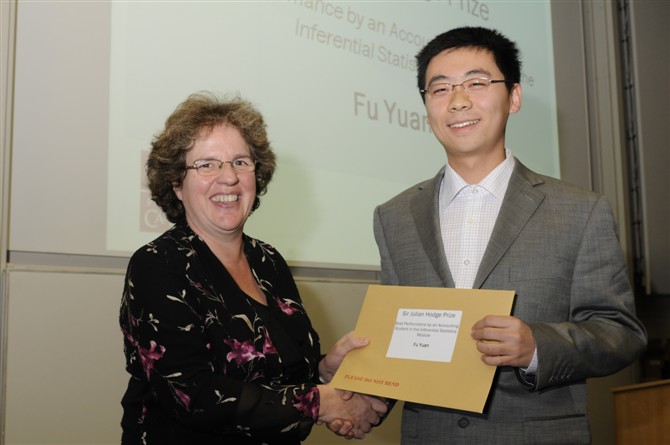
奖学金1

You’ve volunteered your talents to help speakingofchina.com translate many wonderful posts into Chinese. Tell us about how you came to find this website and what motivated you to translate content for it.

I don’t consider myself a “volunteer”; I’m just one shrewd “businessman!” That’s because Speaking of China gave me more than I could possibly offer. So if there’s someone I should thank, it’s Jocelyn and her website!

I’ve always loved words and have been weaker with numbers. From elementary school I’ve been far more passionate about writing, even though only I think the articles read well. In contrast, I could barely pass mathematics by memorizing formulas. I really like feeling as if I’m “flirting” with readers through words. When you know that simply adjusting a word or phrase can completely change the reader’s experience, that feeling is really amazing. Ironically, after I graduated I staggered into profession of auditing, a world of figures 24 hours a day. So working for Speaking of China has become really important for me. After a day of getting “bombed” by worksheets, Speaking of China gives me a thread of breathing space and for the first time, provides me with readers. This is an essential change. I really cherish this opportunity.

Of course I also await the day when I will finally meet a girl who shares my ambitions and outlook on life. Among the girls who visit Speaking of China, if they’re not interested in AMWF then they’re interested in language. That’s perfect for me. In light of the fact that I often feel overwhelmed whenever I’m together with a girl I’m attracted to, I’ve learned to be careful, so I hide behind the computer. If I give it my all, who’s to say one day the perfect girl will actively find me?

Finally and most important, I’ve noticed that a lot of young Chinese guys have this kind of demand, but they don’t have a platform where they can be heard. I hope Speaking of China’s Chinese version will change that a little – that they’re not freaks in the world of love and marriage. Many of us have the same thought. If you love foreign girls then you should confidently go after them! Speaking of China can provide you with suggestions in this respect and even real-life love stories. I look forward to the future when we can receive many more “Double Happiness” stories from young Chinese men!

我不认为自己是“志愿者”,而更像位精明的“生意人”,因为 SOC给我的要远多于我能提供的。所以,如果有谁要感谢,那就是Jocelyn和她的网站。

我一直喜爱文字而弱于数字,自小学起便热衷于写那种自认为“很通顺的”文章,而对于数学则基本靠强记各种公式涉险过关。我很喜欢通过文字与读者“调情”的感觉,当你知道自己只要调整一个词或一句话就可以完全改变读者的阅读体验时,那种感觉真的很棒。讽刺的是,毕业后我却跌跌撞撞入了审计—这一24小时和数字打交道的行业,于是为SOC工作就显得至关重要了。她使我从每天的“报表轰炸”中得到一丝喘息并让我平生第一次有了真正的读者,这是质的变化,我珍惜这一机会。

我当然也期待着结识志同道合的妹子。在这潜水的姑娘如果不是对AMWF有意就是对语言感兴趣,这很对我的口味。鉴于每当和一些来电的姑娘相处时就会overwhelmed,我现在学乖了,躲在电脑这边码字,如果我尽心竭力,说不定哪天妹子就送上门来了呢。

最后也是最重要的,我注意到很多中国小伙子有这样的需求,却没有像样的发声平台。希望SOC中文版的出现能改变这一点—他们并不是情场或婚姻中的怪胎或异类,我们许多人有同样的想法。如果喜欢外国姑娘就大大方方地去追,SOC会在这里提供建议并分享那些真实的浪漫故事,期待着未来能收到更多写自小伙子们的“双喜”(Double-Happiness)故事。

You actually work as an audit trainee for an accounting firm. How do you make time to translate posts?

For that we should thank the horrible traffic situation, the crowded streets and buses – that’s where I’ve finished most of the translations! Just like Ford and his Model T, I “assemble” each article in my mind starting with the easiest and most fascinating parts and then the more challenging parts of the articles. This whole process – starting from nothing to a finished product – is always exciting to me.

“Accuracy, expressiveness, elegance” is the highest standard for translation but I cannot reach it. Instead I strive to preserve a certain amount of character in the articles, (kind of like when, after suffering for a long week at work and finally making it to Friday, you can actually relax). I’m very clear about my own abilities, you don’t even need to mention the enormous gap between me and translation professionals. In front of those readers who are very serious about language, I appear like “Cub Scout” with this hobby of translation. However, with time I will improve.

那我们得感谢这里糟糕的交通状况,拥挤马路上拥挤的公交车,我大多数翻译就是这样完成的。就像福特生产T型车那样,我将文章从脑海中“组装”起来,先从最容易有趣的部分开始,然后是稍显晦涩的语段。这一从无到有的过程总是让我兴奋。

“信、达、雅” 这一翻译的最高境界我现在是做不到的,但我仍力求保持一定的风格,就是那种上班族在煎熬的周五读后能呵呵一笑的感觉。我很清楚自己几斤几两,不要说和专业人士有天上地下的差距,就是在那些对语言真正认真的读者面前也像“童子军”一样业余,不过假以时日,我会进步的。

You studied abroad at Cardiff University in Wales. Could you share with us your most interesting experience or experiences there?

During our graduation trip we went to Loch Ness in Scotland. That sturdy captain of the ship spooked everyone into keeping their eyes glued to the sonar screen, because the Loch Ness Monster could at any time overturn the boat. In reality this was completely unnecessary, as the Loch Ness Monster was in all of the gift shops – just 15 pounds and you can bring one home. If you buy more there’s a discount. And the “Made in China” tag left on each of them would make you realize they were Asian.

Similarly this street of luxury goods in Oxford was completely occupied by Asian merchants. Seeing this in the small village of Oxford made me suddenly feel like I was back in Beijing’s Wangfujing shopping area; I even wondered if there was someone selling fried flatbread. As it turns out the place only had French hot dogs for sale, and the taste only proved that the technique of these young Frenchmen couldn’t compare to those Henan women selling fried flatbread (for one yuan more they’ll add an egg to it).

Besides the sights and scenery, England’s good regulations gave me a deep impression. For example, how motorized vehicles must yield to pedestrians or how medical services could really be free (despite the fact they weren’t always the most efficient). Of course everything the English people now enjoy comes from the hard efforts of the previous generations, benefiting from how they became industrialized in the 19th century. They’ve waded through war, endured a recession and the inhumanity of Imperial England. So we have nothing to envy. Maybe the hard work of this generation of Chinese will give their children a better country, don’t you think? Those of us born in the 1990s should be thankful for the many things we have received from previous generations.

Yes, until this day I still regret that I haven’t dated anyone. This makes me feel as if I spent all of that university tuition for nothing. Ha ha!

毕业旅行我们去了苏格兰的尼斯湖,白白胖胖的船东吓唬大家要紧盯声呐屏幕,因为湖怪随时可能掀翻小艇。事实证明这完全多此一举,因为尼斯湖小怪兽充斥在大大小小的纪念品店中,15镑就能搂一个回家,要是多买还能打折。留意一下铭牌你就会发现甚至它们也是有亚洲血统的—Made in China.

同样被亚裔面孔占领的还有号称奢侈品一条街的比斯特,踏入这个牛津郡的小村子我恍然以为回到了北京的王府井,于是思量着能不能在下一个街角找到卖煎饼果子的。结果是比斯特只提供一种法式热狗,而事实也证明法国小哥的手艺比不上卖煎饼果子的河南大姐,1块钱还可以加个蛋。

除了山水风物,英国良好的秩序让我印象深刻。比如机动车真的会给行人让路,比如医疗真的会是免费的,尽管效率不甚高。当然英国人民现在享有的一切来自他们祖辈的付出,得益于他们在19世纪就完成的工业化,他们也趟过了战争,熬过了衰退与没人性的“镀金时代”。所以没什么可嫉妒的,或许这一代中国人的努力就能使我们的子孙生活在一个更美好的国家,不是吗?应该感恩的是,我们90后已经从前辈身上得到了许多。

是的,我至今对没有谈一场恋爱懊悔不已,这让我感觉自己所有的学费都打了水漂 哈哈。

IMG_0885

Why did you choose to return to China after your studies?

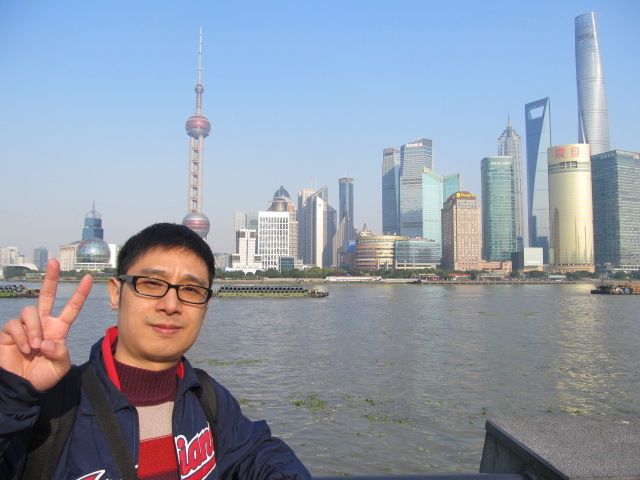
I think it’s because my visa was going to expire, ha ha! What’s interesting is that in England when I tried really hard to find work there, more than once I heard locals complain “they’ve already had enough” of this country that in my mind appears very well developed. There was even one Londoner who sent me a text message when I was boarding my plane: he is returning to Shanghai, and he persuaded me to quickly leave this “sinking” country. The very concerned tone of his message made me feel as if I had just missed Heathrow’s last “Noah’s Ark”. I think he’s not wrong in what he said. Immigration moves from a place you are tired of to a place someone else is tired of. Still that Londoner doesn’t realize that Shanghai is the eponymous “sinking” place because the ground there cannot handle the massive weight of Pudong’s skyscrapers. Fortunately this process can be controlled!

我想是因为我的签证过期了 哈哈。有趣的是当我挖空心思想在英国谋一份差事时,不止一个当地人抱怨 “他们已经受够了”这个在我看来各方面都很成熟的国家。 甚至一位伦敦老哥登机前还短信我:他要回上海了,奉劝我也麻利儿离开那个下沉的(sinking)国家,那番语重心长的口气就像我刚刚错过了希斯罗(Heathrow)的最后一班诺亚方舟。看来那句话果真没错–移民就是从你呆烦了的地方跑到别人呆烦的地方去。不过那位老哥有所不知,上海才是名副其实的“下沉”,因为那里的地质无法承受浦东天量的摩天大楼,还好这一进程是可控的!

You’re currently single, but you’ve told me you hope someday you want to marry a Western woman. Why?

First off, because you’re so beautiful. Second…aiya, I think the first reason is enough for me, ha ha! Foreign women have provided many thoughts and ideas that aren’t in my culture and circle of friends – this is something that matters to me. I started to realize that there are some things you shouldn’t care too much about while there are other things worth pursuing. In our lives we shouldn’t be too hard on ourselves most of the time – we really can just not worry too much about it and move at a slower pace. Regarding “doing what you’re passionate about” or because you love a specific field so while studying you focus on that area, now it seems this is no big problem. Simply put, I discovered some values that resonated with me. I admit, my initial reason for liking foreign girls is because of their pretty looks, but now I’ve discovered many more reasons that go beyond your appearance.

One of my deepest impressions is the alcohol tolerance of foreign women. Once we went out to drink beer with some very petite German girls. After their “warmup” stage was over, I was already very inebriated. Sorry everyone, I think I just made Shandong men lose face.

第一,因为你们很漂亮。第二,哎呀,好像第一条对我就足够了 哈哈。外国姑娘提供了许多我的文化和生活圈子中没有的思路和想法,这是我看重的。我开始知道有些东西不必太在意而有些东西更值得坚持一下。生命中大多数时候我们都不必对自己太狠,真的可以不着急慢慢来。至于“从心所欲”,或者因为喜欢某一领域而在学生时代偏科,现在看来也都不是什么了不起的罪过了。简而言之,我找到了某种价值观上的共鸣。我承认,喜欢外国姑娘的初衷是因为她们俊俏的模样,但现在,我看到了更多超越外貌的理由。

印象深刻的还有她们的酒量,当时我们和几位 “小号的”德国姑娘喝酒,当她们的 “热身”环节结束时,我已经是天旋地转了。对不起大家,我给咱山东爷们丢了脸。

Describe the woman of your dreams!

Actually I’m very interested in Jocelyn, but I don’t know if John will mind. At least China prohibits guns, ha ha!

Just kidding! I mean to say, I hope I can find a foreign girl who is as interested in Chinese culture as Jocelyn is. And if she also loves Mandarin and even wants to become a translator or interpreter, that would be perfect. I can definitely be a big help to her! You see, the fascinating thing about China is that, first it is quite ancient and yet it has changed very quickly. So no matter whether you are a historian with your head buried in the old pages of our history or you want to do something modern or different, you can basically find your place here in China. So to all of the girls living in the first world, if you come over to our third world for a turn you’ll find it’s very fascinating.

Or maybe we ought to talk about what kind of person I am – anyone who loves my kind of personality is also that kind of girl I’m looking for.

I have some really cool friends in my life. These people don’t just live well, they also can bring a lot of happiness to the people around them. What’s even more appealing is that they have this kind of ability to grasp the future. Without exception, they all love to read or at least do according to that saying, “There’s nothing exceptional under the sun,” books provide them with wisdom to understand the world. I also hope for this kind of wisdom. As such reading has gradually become the biggest thing I do outside of work. Of course, this kind of life can be pretty “quiet.” Similarly, my two other biggest pastimes — traveling and making military models – are also “soundless”. One young English guy once told me with a very concerned face, “Yuan, if you want to know the meaning of the word ‘Nerd’, you’d best look in the mirror.” Ha ha, in fact I wasn’t concerned at all about my lifestyle. Ladies, it’s good to find yourself a quiet partner. In this way you’ll always have someone to listen to your stories. Plus, perhaps these guys who are always reticent are in fact the most passionate guys!

Due to the limits of writing, forgive me for not being able to provide more details. But I strongly suggest any interested ladies to come forward and have a try. Based on my understanding of Yuan, I bet I would not disappoint the vast majority of readers. 🙂

其实我对Jocelyn就蛮中意的,但不知道John会不会急眼,还好中国是禁枪的,哈哈。开个玩笑,我是说,我希望能遇到一个像Jocelyn一样对中国文化感兴趣的外国姑娘,如果她还喜欢汉语甚至想成为翻译,那就完美了,我可以帮上很大的忙!你瞧,中国的有趣之处就在于,首先她极其古老,其次她快速变化。所以无论你是埋头于故纸堆的历史学家,还是想做时代的弄潮儿,基本都能在这儿寻到自己的位置。嗨!那些身处第一世界的妹子们,有时来我们第三世界转转也蛮有意思的!

或许我更应该交代一下自己是怎样的人,那些喜欢我这款的八成也是我要找的。

我身边有些很棒的朋友,这些人不但自己活得从容,也总可以为旁人带来欢乐,更令人着迷的是,他们似乎还有某种把握未来的能力。而无一例外,他们都喜欢阅读。或许正应了那句话“太阳底下再无新鲜事”,书赋予了他们洞明世事的睿智。我同样渴望这份智慧,于是阅读正慢慢成为我工作之余的头等大事。当然,这种生活注定比较“安静”。的确如此,俺另两大爱好—旅游与军事模型—同样的“无声无息”,以至于曾经有位英国小哥一脸忧虑地对我说:“远,如果你想知道Nerd是啥意思,就最好去照照镜子。”哈哈,我可一点儿都不为自己的生活状况担心。其实姑娘们,找个安静的伴侣也好,这样你就总能为自己的故事找到倾听者了。再说,那些一直沉默的家伙没准是最有激情的呢!

由于篇幅所限,恕我不能在此提供更多细节,但强烈建议那些有兴趣的姑娘前来试用体验。以我对远的了解,我打赌绝大多数用户是不会失望滴.

There are a lot of Chinese men out there who, like you, have the dream of finding a yangxifu – but not every guy will be successful. What do you think are the biggest barriers for Chinese men to meet and date Western women in China?

First, Chinese men lack opportunities to regularly interact with foreign women. Objectively speaking, the vast majority of Asian men cannot compare to the tall stature of Western men. This is not worth complaining about nor is it racist, this is Darwin’s evolution. Because of this, I ask Chinese men to call upon their “soft power” in more superior areas, such as being more attentive to women or smarter. In this way we can become ideal to girls. Unfortunately this kind of “soft power” is not as easy to see as the huge biceps on a guy’s arm. You have to work long and hard together in order to observe it. And this kind of opportunity to “work long and hard together” is without a doubt in unusually short supply. So it’s very possible that young men here are already excellent enough, but that women just haven’t noticed it yet.

Secondly, you should also blame the spiritual impotence of Chinese men, their sense of inferiority. Whenever I tell someone that I’m interested in finding a foreign girl, the response I receive is, “Gosh, you need lots of money to do that!” As if I don’t have this then I cannot win the battle for a spouse! Another example is when a guy is standing before someone from a developed country, we can be overcautious. Yet when we’re standing before friends from less developed countries than China, we can behave all high and mighty.

首先,中国男人缺少与外国姑娘持续接触的机会。客观地讲,绝大多数亚洲男人不比西方男人生得高大,这既不值得抱怨也不是种族主义,这是达尔文的进化论。因此,这要求中国小伙在其他“软实力”方面技高一筹,比如他更体贴或更聪明,从而赢得中意的姑娘。不幸的是,这些“软实力”不像胳膊上发达的肱二头肌那般显而易见,你们需要共事良久才能有所体察。而这种“共事良久”的机会毫无疑问是异常稀缺的,所以很可能小伙子们已经足够优秀,但就是没有姑娘注意到。

其次,这得归咎于中国男人的精神阳痿—“自卑感”。每当我告诉某人自己有意找一位外国姑娘时,得到的反应一定是“哇塞,那你必须要很有钱!”仿佛没有这个我就无法打赢一场配偶争夺战!另一种表现是当面对来自发达国家的国民时,我们会显得缩手缩脚,而对待那些后发国家的朋友,我们或又表现的趾高气昂。

周村2

I hear from Western women out there who are looking to find a good man in China. What advice would you have for them?

To all of those ladies searching for a “good man”, I want to say your search can stop right here. Just choose Yuan. Don’t hesitate. He will become the best decision you ever made for the longest part of your future. Ha ha!

If you’re speaking of the biggest strengths of Chinese men, that’s probably that we’re hardworking. I remember there was an economist at MIT who, when asked why he was so full of confidence about China, this gentleman shrugged and leisurely replied, “Forget about all of those economic models because the Chinese are very hardworking.” Look, whenever people attempt to answer these truly important questions, we often must return to the most essential things. So if I was a woman, I would stay away from those good for nothing laggards or the men who are constantly changing their jobs – the kind of guys who think they can use women because they’re cool and handsome. Just like Lucy Kellaway of the Financial Times once said, “Find a responsible partner, even though that doesn’t sound sexy or romantic.” Then I would choose someone with similar values. For example, my father values frugality; whenever he goes shopping he always picks the cheapest items. But my mother values quality and she absolutely would not compromise her values because of price. You can imagine that this couple of such mismatched people will not live very peacefully together. However, thank the heavens, as long as it’s not time to go to the supermarket, things are fine. But if the two of them cannot agree on what kind of beef to buy, then the two of them are not so well suited for each other.

However, perhaps the silliest thing in this world is to listen to me, some 24-year-old guy who has yet to find love himself to give some advice to such experienced young women on how to find true love. So I’d best keep my mouth shut!

对于正在物色“好男人”的姑娘,我想说,你们的寻找可以到此为止了,选择远,莫踌躇,他将会是你在未来很长一段时间内做的最正确的决定 哈哈。

如果谈中国人最大的优点,那八成是“勤劳”。记得有位麻省理工(MIT)的经济学家在被问到为什么对中国充满信心时,此君耸耸肩,悠悠地说到:“忘记那些经济模型吧,因为他们很勤劳。”你瞧,当人们试图解答一些真正重要的问题时,往往要回到最本质的东西。所以,如果我是姑娘,我会首先远离那些游手好闲或像走马灯一样更换工作的男人,即使他们又酷又帅能耍宝。正如《金融时报》的露西·凯韦拉所说,“找一个负责任的伴侣吧,尽管这可能听上去既不性感也不浪漫”。然后我会在剩下的人中挑一个有相似价值观的,举个反例,我的父亲崇尚节俭,买东西只捡最贱的,而我的母亲注重品质,绝不为价格妥协。可以想见这么一对儿冤家聚到一起生活是不会太平的。不过谢天谢地,在不必去超市的时间里,日子还算过得去。如果两个人连买什么样的牛肉都谈不拢,那他们可能就不合适。不过,这个世上最蠢的事可能就是听一个24岁还在寻找初恋的“男孩”告诉一群“经验丰富”的女人如何寻找真爱,所以我最好还是闭嘴吧。

Finally, you currently reside in Ji’nan, China. Let’s say I’m coming up to visit your hometown. What you suggest I see and do in your city?

Oh, Ji’nan is a very embarrassing provincial capital city. Not only does it have no international recognition, here in China you almost never hear anything from Ji’nan. In fact the most recent thing I’ve heard about Ji’nan is that some guy put his girlfriend on his neck and received some praise for being a “Good Chinese Boyfriend.” Still, just because this place isn’t famous doesn’t mean it’s not fun. You should definitely see the usual sights in the city. Qianfo Mountain, Baotu Springs and Daming Lake are the three best in Ji’nan. Of course if you loathe manmade pools, Ji’nan – which is also known as “little Jiangnan” – also has a number of good places to go swimming, though they’re often hidden in the most inconspicuous places in the city and usually only locals can find them. Of course you totally shouldn’t be worried about those lewd stares, as can assure you there are far too many to count.

If you’re willing to walk a little, then we can also have a look at “the mountain”, “the water”, “the sage” – that’s Taishan, the Yellow River, and Confucius. Yes, in Shandong Province you can find all of these things that are deeply meaningful in Chinese culture. No matter what, don’t worry. Any trip with Yuan will be a happy one.

By the way, now that you mention travel, next year I’m planning on visiting China’s West (Xinjiang and Tibet). Is there anyone willing to come with me? (This is limited to single girls only! 😉 )

嗯,济南是一个很尴尬的省会城市,不仅毫无国际知名度,在国内也鲜有新闻。事实上我最近一次听到济南的消息还是一个男人将他的女友放在了自己的脖子上从而获封 “中国好男友”。但不出名不代表不好玩。常规景点是一定要看的,千佛山、趵突泉和大明湖是济南的三大名胜。当然如果你厌恶了人造泳池,号称“小江南”的济南也有几个游泳的好去处,不过它们通常隐藏在那些最不起眼的小径尽头,只有当地人才能找到。当然你也完全不必在意那些“色眯眯”的眼神,因为我保证那会多的数不过来。

如果愿意走的远一些,我们还可以去看看“一山、一水、一圣人”—“泰山、黄河、孔子”,是的,这些对中华文化意义深远的东西你都可以在山东省找到。无论如何,请不要担心,因为任何有远弟的旅行都会是愉快的旅行。对了,说到了旅游,明年我打算去中国西部(西藏,新疆)转转,有没有人愿意加入?仅限单身妹子哟. 😉

—–

Thank you so much to Yuan Fu for this interview and for all of his generous assistance to Speaking of China! I’ll be posting more of his translations in the next few weeks, so look out!

For any comments or suggestions regarding translations, you’re welcome to contact Yuan at speakingofchina(at)hotmail(dot)com.

Why Spending Chinese New Year With Family Can Be Exhausting (Or How I Ended Up In The Emergency Room)

IMG_5536
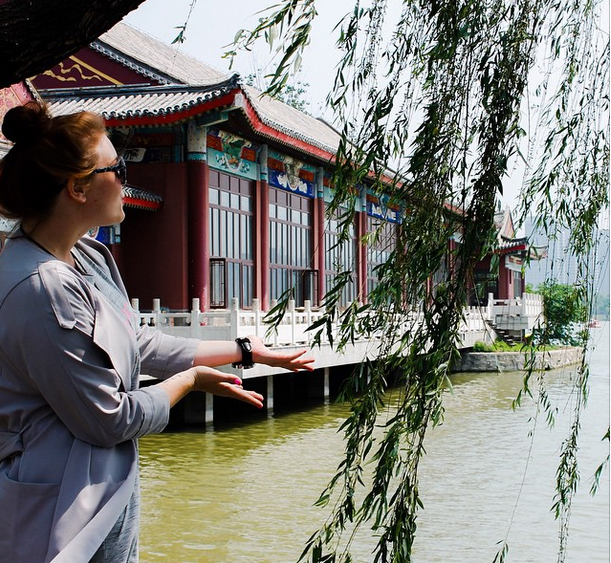
The last thing I wanted was to end up in the hospital during the Chinese New Year holiday! (No, this is not the exact hospital, but it looks pretty similar.)

You know your holidays have hit a low point when, halfway through, you end up doubled over in a chair in the emergency room with an IV drip, hoping and praying you won’t vomit into that ugly little fluorescent green plastic wastebasket at your feet.

Yep, that was me on the fifth day of the new lunar year. The only thing that would have made the whole situation worse was if the nurse had forced me to get that shot in the butt right there in public. Apparently, it’s what everyone does in the hospital. (Fortunately, she let me take the shot in a private room.)

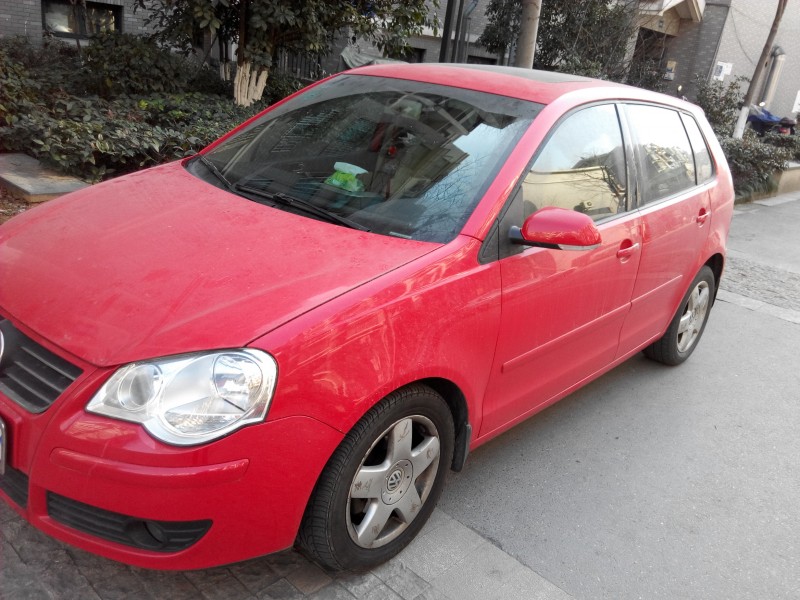
I was shrouded in a soft white baby blanket printed with roses – a thing of beauty that was quite the foil to my ugly situation, shivering in my chair because I had vomited three times already that afternoon. That included the two instances in the little red VW polo we borrowed from a friend to drive down the Zhejiang coast, forcing me to turn the little plastic bag that was supposed to be for our fruit and other snacks into a makeshift vomit bag.

Between wishing to god that I wouldn’t once again have to anoint the wastebasket with the few remnants in my stomach, a bigger question loomed before me: How in the heck could this have happened to me?

Granted, I didn’t come into the holiday in the best shape. The night before February 18, Chinese New Year’s Eve this year (the most important day of the year), I had literally just wrapped up a substantial paid project for a client in the US that involved multiple late-night interviews to write up four articles. Just as I had made it to the finish line, hoping for a breather, another one appeared before my weary eyes – the end of the Chinese New Year holiday that stretched before me.

On top of it, I got maybe four hours of sleep that night worrying about all of the horrible things that might happen to me when I sat behind the wheel of that little red VW polo the following morning. It would be my first time driving in China and visions of all the gory tabloid news stories I had watched the year before tugged at my consciousness. You know, the kind of massive, bloody accidents that could make anyone swear off getting behind the wheel in this country.

But ultimately, I could have recovered from all of that – the marathon project before the holiday, the lack of sleep, even the stress of driving itself – with a nice sedate holiday filled with lazy late mornings in bed, curled up with my favorite e-reader devouring a memoir or novel.

Yep, this would have been my perfect kind of holiday -- just reading and enjoying the quiet. (Even better if it had happened in Bali, where this photo was taken years ago!)
Yep, this would have been my perfect kind of holiday — just reading and enjoying the quiet. (Even better if it had happened in Bali, where this photo was taken years ago!)

Unfortunately, “sedate” is not a word you would use to describe my Chinese New Year with the family this year.

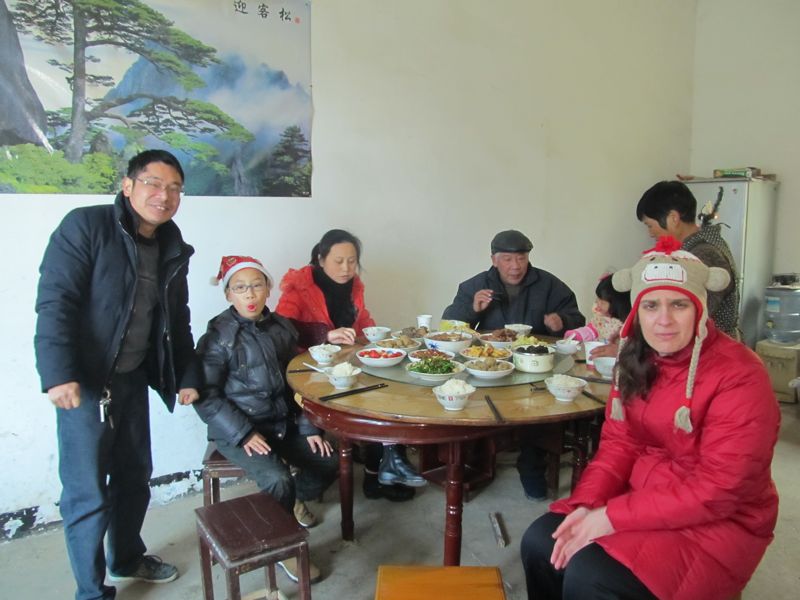
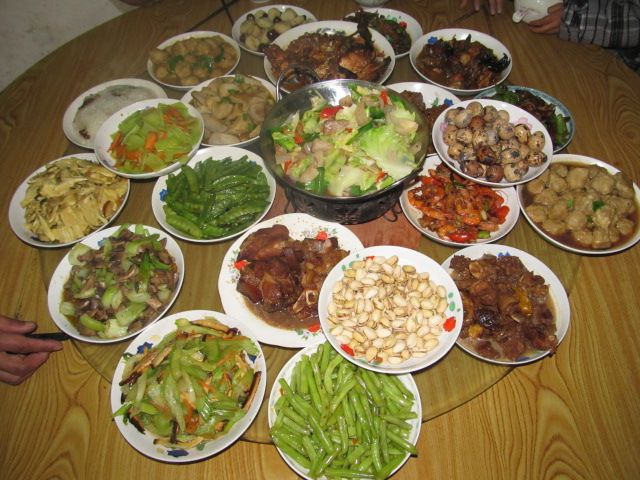
Don’t get me wrong – there are things I love about Chinese New Year. My mother-in-law always outdoes herself each year with a feast that could give some of the best restaurants in Hangzhou a run for their money (even the vegetarian ones). The house is overflowing with the best treats of the year –sugary pecans, dulcet green dates, and honeyed black sesame cakes. And I have an excuse to visit some of my favorite relatives – such as John’s grandmother, who still manages to charm us all into laughter despite the fact that I can only understand maybe 50 percent of her speech in the local dialect.

In theory, a day or two of this togetherness works amazingly well.

The problem is, Chinese New Year with my husband’s family lasts at least three or four days (if not more, depending on where you are and how long you’re able to say). It’s all about being with the family day after day…after day…after day. And what sounds great at first soon becomes tiring and even overwhelming.

And if you’re already exhausted coming into the holiday, like I was, you’re at risk for even worse outcomes if you push things a little too much. (Like attempting to drive some six hours in one day to visit a friend in south Zhejiang.)

What about the holiday can wear you down? Here’s my list:

1. Visiting people and/or having guests over every single day

That amazing Winter Solstice dinner you had at the family home in China? Nobody gives a damn about it.

Once the lunar new year arrives, so with it arrives the annual custom of bainian (visiting with relatives during the new year). In my husband’s family, for at least three whole days you’re either hosting family or schlepping your way over to someone else’s house. The thing is, this isn’t a couple of people – we’re talking about 10 or sometimes even 20 people in a house at the same time! And because Chinese love it “renao” (literally “hot and loud”), every house is a boisterous mix of loud chatter, drunken toasts, and a cloud of smoke as people exchange far too many cigarettes around the table.

I’m an introvert myself, so just being around huge crowds of people already makes me nervous (which is tiring). Add to that the concerns that someone might actually light up indoors (I detest smoking and cannot handle secondhand smoke) and the pressure is even worse.

It’s a shame too, because invariably many of these meals dish up some of the most delectable things I’ll eat all year! I’m embarrassed to admit that I’ve either wolfed down my rice and dishes or simply passed up a few meals simply because the whole environment was too exhausting.

2. Firecrackers and fireworks

IMG_2129

If there’s anything destined to steal away your precious hours of rest – especially the first night of the new year – it’s these traditional holiday explosives.

Imagine me, a shadow of myself that first night, desperate for some much-needed slumber – only to have my ears assaulted in the early morning hours by what must surely be the closest thing to being camped out in a war zone. The neverending blitzkrieg of fireworks, firecrackers and anything else that sparkles or booms happened to occur at 5am to 6am or so (it’s traditional to set them off when you first open your door in the morning of the new year) – coinciding with the time when I was supposed to be in my deepest sleep.

When I finally rolled out of bed sometime around 11am, my husband remarked at how my “panda eyes” – those dark circles I used to have years ago around my eyes – had returned to my worn out face. Ugh.

3. Being asked to eat WAY too much food

IMG_2093

It was the afternoon of the first day of the new year, only a couple of hours after we had all polished off enough food to easily feed all the people in the minibuses that zoom through the countryside. John and I were sitting at the dining room table in his home, discussing some business with friends. The sunlight cast lazy, relaxed shadows on the wall as we were all enjoying the conversation and nibbling on pumpkin seeds and sunflower seeds.

If only my mother-in-law hadn’t barged into the room with five huge, steaming bowls of dumplings that nobody could have humanly consumed at the hour.

“No, no, we couldn’t possibly eat these!” The protest came from everyone at the table, most of all the friends’ daughter, whose blood seemed to drain from her face at the sight of this food being forced on her. “Please, I can’t!” she squeaked in a pathetic voice that made me feel so sorry for her. After all, the girl said exactly what I was thinking.

This was the middle of the afternoon. We were all expected to eat elsewhere for dinner (surely, yet another gargantuan feast where the relatives would demand you to eat, eat, eat!). How could we make it through with the dumplings in our stomachs? You always have to eat something when visiting someone else’s house.

When did eating suddenly turn into a task, a chore even?

Even worse, when I passed on the dumplings, as did John’s friends, this “responsibility” of cleaning the bowls was transferred to John, as well as John’s dad and mom (his dad actually grumbled a little as he shoveled spoonfuls of dumplings into his mouth).

Just seeing the whole scene tired me out and drained my appetite too. That evening at dinner, I only devoured a fraction of what I had eaten for lunch. Too bad, because John’s aunts fried up one of my favorite Chinese dishes, the silky smooth and fragrant chao liangpi (fried bean starch).

4. Preparing just the right gifts for the family (especially if you’re on a budget)

(Photo via http://www.meilishuo.com/share/836698329)

Experiencing Christmas as an adult has taught me that gift-giving can easily raise your blood pressure a few notches as you agonize over getting someone the elusive “perfect gift” (which almost never really exists anyhow).

Well, in China you can’t do Chinese New Year without giving things too. Every time you visit a relative’s home for the new year, you must arrive with some Chinese New Year gifts – such as organic milk, fine wines, nutritious crackers and cookies, or even fruit (invariably wrapped up in little red giftboxes like the above photo). It’s etiquette…and trying to plan for it all (especially if you have a large extended family like we do) will drain your mental resources as well as your finances.

As I wrote before, my husband and I didn’t have a lot of money in the run-up to this Chinese New Year, which meant this responsibility weighed heavily on our shoulders. In the end, we were fortunate that his parents prepared enough Chinese New Year gifts for us to do bainian (though that also left us with the equally frustrating feeling of utter guilt that we couldn’t afford everything ourselves).

5. Traveling during the busiest (and craziest) holiday season of the year

IMG_20150210_151855

When I told people I was going to drive in China after getting my license, many responded that they were too scared to do it.

Now I understand why!

Let me tell you, the highways in China during this holiday felt more like a large-scale game of dodgem in real time, with drivers constantly whipping and weaving through the traffic at all times, just barely missing our front bumper. Almost no one uses their turning signal to change lanes; they just change at will, use whatever space they can find, and think nothing of tailgating even at well over 100 kilometers per hour (over 60 miles per hour). Even when it’s a downpour! It’s no wonder we saw a multiple rear-end collision in a tunnel involving four cars (and three horribly crushed bumpers).

Getting behind the wheel while I was already fatigued was the final strike against me – and what ultimately sent me into the emergency room in that little city on the Zhejiang coast.

Here’s what I’ve learned. While I think short distances are manageable, even on a holiday, I would never, ever, drive more than two hours during a vacation time like that. It’s suicide. Even my husband’s friend on the Zhejiang coast said we’d be better off doing the high-speed trains next time around.

Of course, if you’ve got to move around during the holidays and haven’t the luxury of a car, you’re not off the hook. Train and bus stations transform into a suffocating sea of people that make you truly understand why China is the most populated country in the world. You’ll even feel the crush of humanity at the airports. And good luck trying to score tickets for travel when everyone else is trying to hoof it home!

In the end, I’m reminded of what my husband’s dear college friend – the friend I first met in that emergency room during the holidays – told me later on: “We usually just spend our holidays traveling instead of visiting family,” including travel out of the country. While I wasn’t in any shape at that moment to attempt international travel, one thought did occur to me: I could definitely use a holiday from this family holiday!

“What will they think?” The fear of being seen as a failure before family at Chinese New Year

The other night, I suddenly burst out in tears over what might probably be the silliest of all things – the fact that Chinese New Year was fast approaching, and I was really afraid of spending it with the family.

It sounds ridiculous to admit that I was sobbing in my bed over another holiday with the family, but it’s true. And it was all triggered by an equally ridiculous thing – that none of my husband’s friends could lend us their extra cars.

We knew we weren’t in a position to rent a car to drive home for the holiday, but John and I had talked about borrowing one of his friends’ cars for a while. The only problem? We waited too long to ask for that second car – and of his friends who had an extra vehicle, all of them had been promised away to someone else.

As frivolous as it sounds, I had secretly daydreamed about driving back to the family home in a car. I often imagined myself, the sunshine beating down upon me like a spotlight as I stepped out of an actual automobile in front of the family – how great it would feel for them to see us driving home to the house (instead of taking the two buses we’d normally have to brave to make the trip back).

Deep down, I know it was all about face, our own mianzi. That I thought if only we had a car – even if it was a borrowed one – it would somehow make up for everything else about our lives that seems totally imperfect or open to family criticism. Like how we don’t have kids (and everyone keeps bugging us about it). Or how we don’t own an apartment or a car (unlike all of John’s relatives his own age). Or even the fact that we live in a tiny apartment. Having a car would somehow prove our “worthiness” before everyone else in the family.

IMG_2173

Well, without the “armor” of a borrowed car at our disposal, all of my fears came pouring out, along my tears. That everyone will notice how not much has changed for us over the year of the horse. That they might think we’re failures.

The problem of “what will others think?” has weighed upon me for much of my life. I’m a recovering perfectionist, exacerbated by the fact that I’m also incredibly sensitive. The old saying goes, “sticks and stones may break my bones, but names will never hurt me” – and yet for most of my life, I’ve taken to heart time and time again what other people say about me. Even though I should have known better.

Meanwhile, Chinese New Year is one of those times when it seems like everyone in the family makes it their business to tell you what they think about your life – whether it’s your marital status, whether you have kids, or even your own possessions. And even when people don’t say anything, sometimes just being the one who “sticks out” of the crowd – like, say, the only thirty-something couple in the family that doesn’t have a home, car, lots of money, and kids – can make you feel truly like the odd one out. As if you don’t belong (and, perhaps, never will).

Hence, all of my fears about heading home. And my crazy thinking that, somehow, having a car might make us “look better” in the eyes of everyone else.

I’d be lying if I told you I’m somehow over “what other people think,” because I’m not. I think it’s the biggest struggle of my entire life. It’s one I fight on a daily basis. Sometimes, it’s even the reason I can’t fall asleep right away; there are nights when I must whisper the mantra, “You are good enough just as you are,” over and over again, just like my mother used to whisper to me as a child when I couldn’t sleep.

Facing my family at Chinese New Year is like being tossed into my own personal three-ring circus of “what will other people think?” Specifically, people who I love and care about very much, which makes it even harder.

IMG_2151

Yet, in another sense, I also realize that facing my worst fear – what others who love me will think – could also be my salvation. That sometimes, you have to face the darkness and plunge right into it, instead of just running away (which tends to be my knee-jerk reaction to things I am afraid of).

That instead of hiding behind someone’s borrowed car in order to feel worthy, I can feel worthy right now, exactly as I am. And not because someone else – or, especially, someone in the family – told me so.

So in a few days, John and I will walk our way over to one of Hangzhou’s bus stations and board the first of two buses to make our way back to his hometown. I don’t know what my Chinese family will say about us this holiday season. But for the first time in a long time, I’m going to try out something new – listening less to their criticism, and more to my own heart (which I’m certain that deep down inside already knows I’m good enough).

Have you ever been afraid of what other people — family or otherwise — might think of you? How do you manager your own “demons”?

P.S.: When I first drafted this post, it seemed my husband and I had no possibility of borrowing a car to head home. Then a miracle happened — when my husband happened to call a forgotten old classmate, she offered us her extra car. Still, that car won’t change my perspective; I’m still planning on listening to my heart!

Why Hangzhou China is truly for lovers (and Valentine’s Day)

When I was growing up, my parents took me to one of these tourism fairs in Cleveland, Ohio, which introduced me to a slogan I just couldn’t understand: Virginia is for lovers. I’d been to the state of Virginia. The Blue Ridge Mountains were pretty enough, and so were the beaches. But to say that this state was for lovers? It didn’t seem right to me.

In hindsight, my hesitation could have had another explanation. That I was destined to discover and eventually settle in a city that, in my mind, truly was for lovers (and truly deserved such a slogan). Hangzhou, China!

Yes, Hangzhou really is the ideal place for people in love. And if you’ve never visited before, here are four reasons why it could be the perfect place to spend your Valentine’s Day – or, for that matter, any romantic holiday or getaway:

1. It’s the setting of one of the greatest love stories in Chinese history (The White Snake or 白蛇传)

IMG_3049
For John and me, visiting Leifeng Pagoda was like paying homage to one of China’s greatest love stories.

The forbidden love story of the Madame White Snake – a magical snake who turns into a lovely young woman and captures the heart of Xu Xian – is considered one of China’s most beloved folktales. And it all happened right here in beautiful Hangzhou (supposedly, at least!).

You could bring your own sweetheart here to have your own personal re-enactment of Madame White Snake.

Why not flirt at the Broken Bridge (断桥) on Bai Causeway, where the white snake and Xu Xian first fell in love? You could also buy yourselves a little tang hulu there just as Xu Xian did, the sweet and tart candied fruits on a stick that first entwined Xu Xian’s fate together with the white snake in the story.

On the opposite side of the lake, climb to the top of the reconstructed Leifeng Pagoda, where the white snake was imprisoned for loving and marrying Xu Xian. As you and your lover admire the view from the top – the glistening surface of the lake fringed by the endless emerald gardens – you can feel grateful that you’re both free to love one another in that moment.

2. The West Lake is the perfect place for lovers to stroll and relax

IMG_2856
Trust me, come to the West Lake and even you won’t be able to resist kissing your loved one!

Hangzhou’s West Lake has been famous for thousands of years and inspired countless works of art, poems and even replicas of the lake itself (including Kunming Lake at Beijing’s Summer Palace). It’s a breathtaking destination – and, not surprisingly, one with many perfect places for lovers to stroll and relax.

One of the easiest – and most low cost – ways for couples to bask in the beauty of the West Lake is through a stroll around one of the many gardens surrounding the West Lake. My favorite romantic spots include Orioles Singing in the Willows (柳浪聞鶯) and Curved Yard and Lotus Pool in Summer (曲院風荷) during the daytime, as well as Su Causeway itself (either early in the morning or late at night).

You can also hire boats to glide across the lake and get away from the crowds; it’s most picturesque just a little before sunset.

In the Beishan area and Curved Yard and Lotus Pool in Summer (曲院風荷), lighting makes the gardens bloom with stunning shades of salmon pink, cerulean blue and jade green – colors as brilliant as the love in your own heart.

IMG_2905

Even the city lights take on a romantic glow when viewed from Su Causeway.

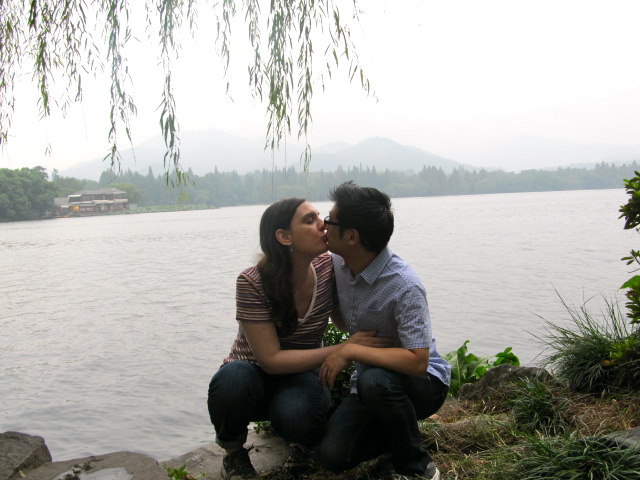
And of course, if the moment is just right, you might find yourself settling into one of the many benches around the lake to share a kiss, just as John and I once did years ago.

3. There’s nothing sexier than a private tea for two in a Hangzhou teahouse

IMG_20140809_140034
A teahouse spread fit for a king…or even just a couple of people really crazy in love!

As much as I love my soy lattes from Starbucks, that coffeehouse – or really, any coffeehouse for that matter – has nothing on some of the best Hangzhou teahouses. Picture slipping behind a sliding tatami door into the private decadence of a tea for two, from the aromatic delights of Hangzhou’s famous Dragonwell tea to an exquisite spread of all-you-can-eat snacks, hot food and even dessert. Some private rooms even allow you to sit on the floor, making the whole atmosphere that much more romantic.

Best of all, the unhurried pace of a teahouse – where the servers are simply there to serve instead of herding you in and out – means you can linger over the meal, taking your time to savor the moment together…and perhaps steal a kiss or two behind closed doors.

While there are many teahouses in Hangzhou, I highly recommend Qingteng Teahouse (青藤茶楼), especially the branch in the Wyndham Hotel which offers private rooms and unforgettably delectable set meals – the perfect combination for any pair of lovers.

4. You can enjoy flowers every season of the year

IMG_2251

From red roses on Valentine’s Day to bridal bouquets, flowers have long been synonymous with love and romance. But flowers are best enjoyed in the outdoors – and what better place to appreciate them than Hangzhou, where the flowers enchant us every season of the year.

In wintertime, you’ll find plum blossoms beside the West Lake, reminding us all that even in harsh conditions, the most delicate beauty can flourish and prevail.

IMG_2259
It’s pretty amazing that the plum blossoms come out even in the cold of winter!

You know it’s spring when sweet white peach blossoms surround the West Lake like a dusting of late-season snow in the treetops.

f45adae15f0c99cc8ecfa1ed8b1773cf
Peach blossoms by the West Lake (Photo via hzxcnews.com)

Summertime welcomes the lotus blossoms in the West Lake, each as pink as a blushing bride, a jewel to behold.

IMG_0342
Even though the summers can be unbearably hot, knowing that the lotus blossoms will come out gives me something to look forward to.

But best of all is the osmanthus bloom, the smallest and most intoxicating of all with an aroma that might just be the closest thing to passionate young love in a fragrance.

IMG_2816
These flowers are tiny, but their fragrance packs quite the punch. Seriously!

Do you think Hangzhou is a romantic destination? Why or why not?