Interview with Ray Hecht on His New Novel “South China Morning Blues”

People have called China endlessly fascinating. But you could say the same about the expat scene here. In the seven-plus years that I’ve lived in this country, I’ve come across some real characters here – people I could have sworn were straight out of a novel.

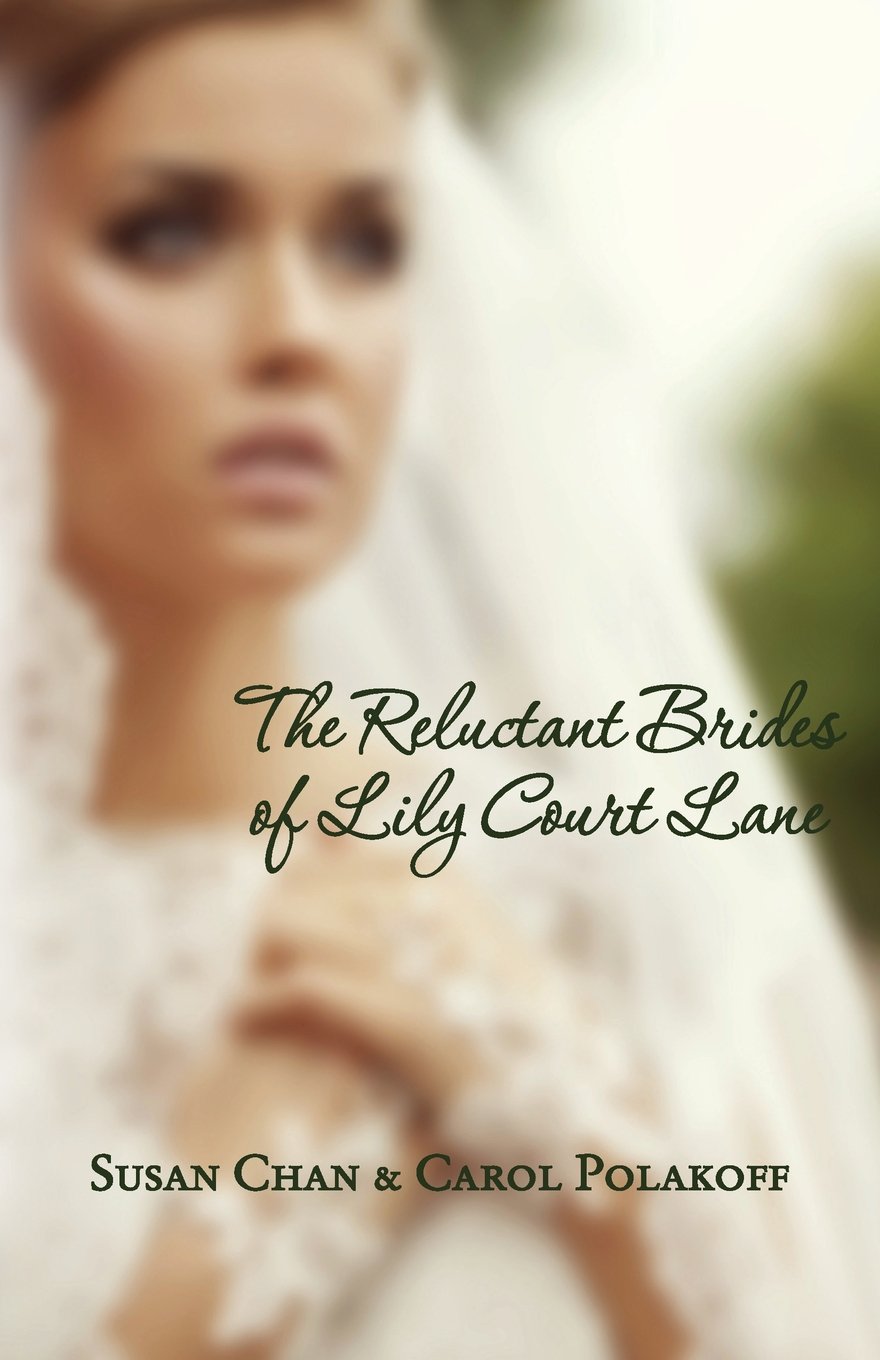
I’m reminded of many of them after reading Ray Hecht’s new book South China Morning Blues, which features a motley cast of young expats and Chinese locals living across Shenzhen, Guangzhou and Hong Kong, including:

…Marco, a crooked businessman with a penchant for call girls; Danny, a culture-shocked young traveler; Sheila, a local club girl caught up in family politics; Amber, a drug-fueled aspiring model; Terry, an alcoholic journalist; and Ting Ting, a lovable artist with a chip on her shoulder.

SouthChinaMorningBlues_800

Through 12 distinct viewpoints, South China Morning Blues takes readers on a tour of the dark underside of the expat scene in China, culminating in a dramatic life-and-death situation that brings everyone together. It’s a fresh take on life in 21st century China and definitely worth a read.

I’m happy to once again feature Ray Hecht on the blog and introduce South China Morning Blues to you through this interview.
wpid-20151014_092815 SQ

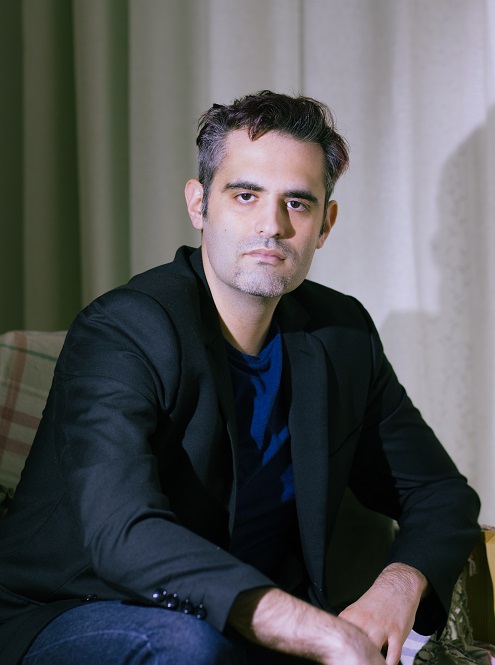
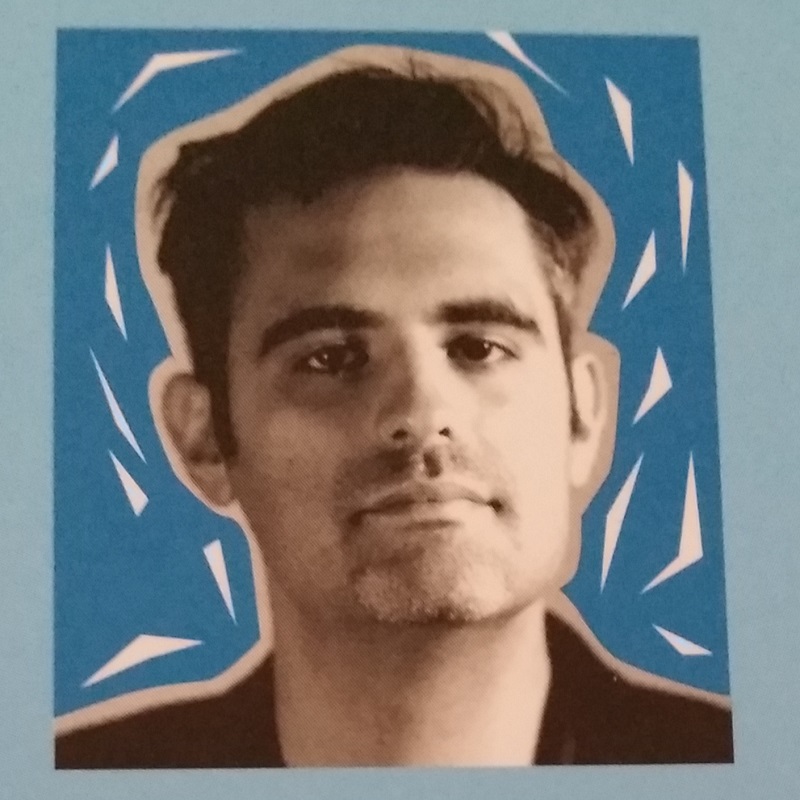
Here’s Ray’s bio from his website:

Long story short, raised in America from the Midwest to the West Coast on a starchy diet of movies and comics and science fiction paperbacks. There’s a Mid-East connection in there too. I like to write fiction about such states as California and Ohio, and such provinces as Guangdong. Japan being an interesting topic as well. Lived in Shenzhen, China since 2008 (has it really been that long?), a lovely Special Economic Zone Hong Kong-bordering chaotic city that has given me so much. I occasionally partake of some freelance journalism for various local publications.

You can learn more about Ray Hecht and South China Morning Blues at his website and buy a copy at Amazon.com, where your purchase helps support this blog.
—–

What inspired you to write this novel?

Good question to start out with. A few things come to mind: After living in China in those earlier years, I found the country to be absolutely fascinating, and I wanted to share the experience of the land by telling stories.

Also, I’d long been a fan of Irvine Welsh’s Trainspotting and had a lot of respect for his system of multiple narrators that all have distinctive versions of experiences,and being more interlocking short stories than one big narrative. I think one of the philosophies that fiction can teach us is the subjective nature of reality. The way some people, say, move to Guangzhou and complain how they hate it while other people see it totally differently and love it.

Another inspiration, I must say at the risk of sounding pretentious, was James Joyce’s Ulysses. Not that I’m smart enough to write something like that — or even smart enough to truly understand the famously-dense book. But the way the novel utilized mythological metaphors, as per the Odyssey resonating in early 20th Century Dublin. I wanted to try something like that. The ancient mythologies of the world will forever be able to inspire modern stories.

Well, for me, characters are most important. A character needs unique personality traits, archetypes that make them stand out, something interesting about their histories and personas. After that’s established, a plot begins to form… And so the idea evolved to use the Chinese Zodiac to structure the characters of a novel…

Your novel is told through the perspective of 12 main characters as they live in or visit three major cities in South China — Shenzhen, Guangzhou and Hong Kong. How did you decide to structure your novel like this?

As said, I had the idea to base characters off the Chinese Zodiac in order to tell stories about modern China. Seemed to make sense at the time.

I’d already ended up living in Shenzhen, which is a major city most people around the world have never heard of. The city is next to Hong Kong, and I spend a lot of time there. For the sake of literary research (also because I wanted to research a historical novel about Canton circa revolutionary 1911) I moved to Guangzhou for an off year in 2011. I find all these cities fascinating in their own unique ways. I mean, Beijing and Shanghai are great, but I ended up in the southern Pearl River Delta region and I am glad I did. No place on Earth has more stories.

It seemed obvious that my novel about the soul of present China would have to incorporate those three cities.

Like your memoir, South China Morning Blues features quite a bit of sex and recreational drug use. How much did your personal experiences influence your writing in this book?

Ah, an embarrassing question. Hmm, how can I put this…?

First of all, my biographical writings may have some sex but I don’t think there’s much to brag about. Outside of a handful of tell-all dramatic episodes, by far it mostly concerned online dating and several serious relationships. Not too crazy, right?

The sex scenes in SCMB are, shall we say, meant to be more literary. At least more literary in the sense of literature I like to read. Being more extreme than real life in most cases. Many of those scenes were inspired by way of hearsay of other people I know, my own imagination, and a bit of research online. Not really based off my own personal experiences very much.

(Hey, I did say that Trainspotting was an inspiration.)

As for recreational drugs, I experimented a bit in my youth — and by youth I mean my mid-to-late twenties, I was very boring as a teen — and I think I was always responsible about it. To be honest, I’m often shocked when I observe how extreme drugs and alcohol are in the China party scene. It is something that needs to be depicted, whether glamorized or not. No outright spoilers here, but if you read to the end there are consequences for the characters who abuse themselves and I think it’s important to showcase that side.

All in all though, I want to show all sides of real life. Using illegal substances, having irresponsible sex, pushing the boundaries, and making mistakes; these are all things that human beings actually do. And they are interesting things. I believe they are things worth writing about. Worth portraying, without too much judgment. More or less, presented as is. That’s writing.

Tell us about one of your favorite characters from the novel and why you like him or her.

It’s totally cliche, but I quite enjoyed writing the writer character Terry. He’s the one who is a journalist struggling to make ends meet, and it’s obvious how that inspires. The language really flowed out so strongly when I was showcasing his angle. A flawed character indeed, with vices admittedly not my own, it was fun to explore the point of view of such a man. And being a Chinese-American, perhaps it’s reaching for me to write a character who is not my race but I did want to show diversity and explore points of view. I like that point of view. I like his general attitude as well, and I like the way he reacts to struggling through obstacles in life, especially when those obstacles are his own fault. And, I like how his arch evolved in the end.

What do you hope people gain from reading your novel?

Different people seem to be getting different things out of the book, and I suppose it depends on the audience.

I hope expats find something they relate to, and enjoy it and laugh and tell their friends back home to read.

I hope readers outside of China/Asia can learn about what life is really like these days in the rising economies of the east, and not be so naive.

I mainly hope that all readers learn about humanity of all stripes. In fact, this is what I believe is the purpose of astrology. It’s not about separating us into labels and superstitious fortune-telling; rather it’s about empathy because we are all signs. We have all archetypes of humans within every single one of us. Western, Eastern, it doesn’t matter. Some traits stand out, some less so in other people, but all the blocks that make us human are contained within each individual. It all makes up the whole. Playing around with the Zodiac can teach us to understand other perspectives in this world. Every type of human being out there can be just like me and just like you.

I guess, best case scenario, that’s what I’d hope someone could gain from reading my novel.

Just enjoying an entertaining read is certainly find too.

—–
Thanks so much to Ray Hecht for this interview! You can learn more about Ray Hecht and South China Morning Blues at his website and buy a copy at Amazon.com, where your purchase helps support this blog.

Interview with Tracy Slater on Her New Memoir “The Good Shufu”

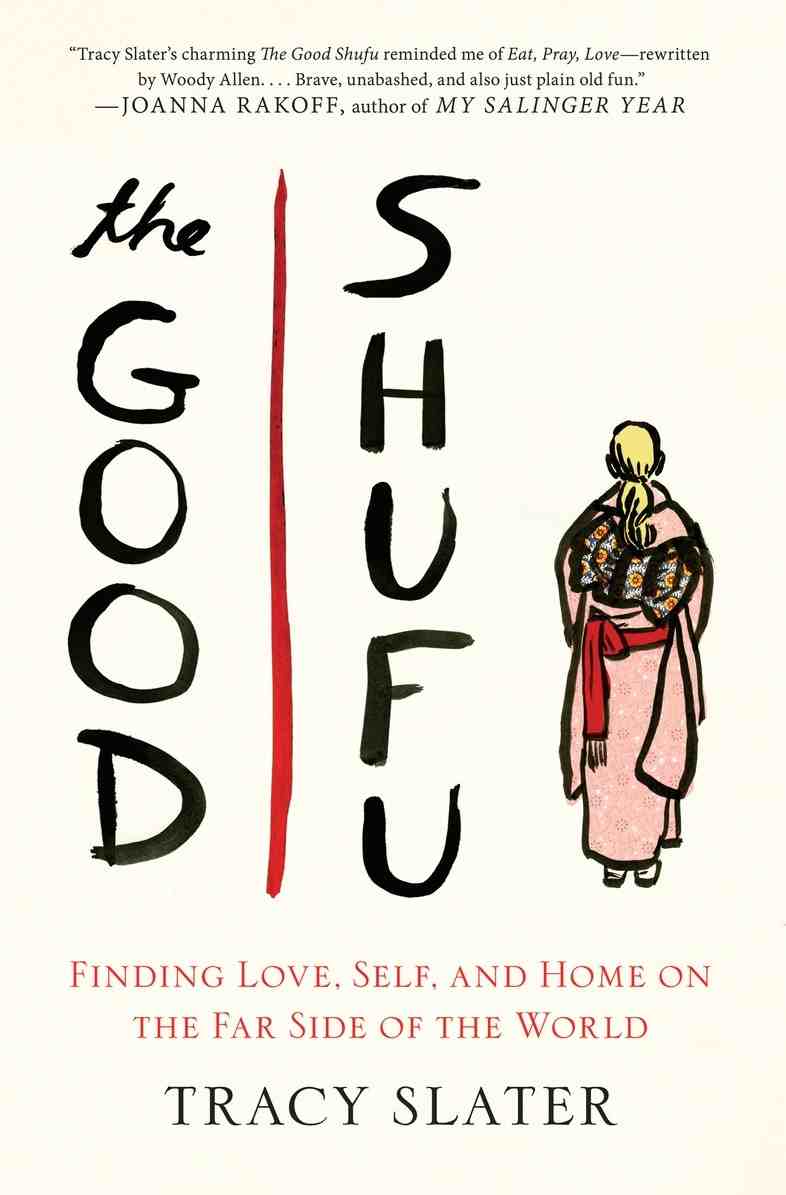
The Good Shufu

Some of the people who knew me growing up still can’t believe that I ended up in China as a writer and blogger who is also fluent in Chinese. I spent most of my adolescence and college preparing for a career in field biology. Nothing about my life pointed straight to China. But here I am.

When I look back on how much I’ve evolved and grown here – how I’ve carved out a totally different life that, in the end, fits me perfectly – I’m grateful for having been lost after graduation and making that last-minute decision to come to China. I’m grateful that I’ve created a home for myself in this country, right down to finding a wonderful Chinese husband.

Still, my story is nothing compared to what Tracy Slater details in her new memoir, The Good Shufu.

The Good Shufu

An independent feminist, Tracy was living her dream in Boston. She was an academic with a PhD in English teaching writing to graduate students, just as she always wanted. She had a nice apartment of her own in the city. She belonged to a supportive circle of friends who shared her values. And most of all, she resided in the one city she adored most.

Everything was just as it should be.

But then she met Toru, a Japanese salaryman who was one of her students in an EFL program in Asia, and unexpectedly fell deeply in love with him. For the first time, she was willing to step away from her life in Boston to try building a life with him in Japan, where her world is turned completely upside down.

The Good Shufu is a heartfelt story that captures all of the wonder and frustrations of creating a new life abroad with someone you love, and proves how those unexpected detours sometimes lead to more joy than we could ever imagine. It’s one of the best memoirs I’ve picked up in 2015 and I strongly recommend it to everyone reading this blog.

It is my pleasure and honor to introduce you to Tracy Slater and The Good Shufu.

Tracy Slater

Here’s Tracy Slater’s bio from Penguin Random House:

Tracy Slater is the founder of Four Stories, a global literary series in Boston, Osaka, and Tokyo, for which she was awarded the PEN New England’s Friend to Writers Award in 2008. An essay on her bi-continental life was published in Best Women’s Travel Writing 2008, and her writing has appeared in The Boston GlobeBoston MagazineThe Chronicle Review, and the New York Times Motherlode blog.

You can learn more about Tracy Slater at her website and her blog and also follow her on Twitter and Facebook.

For those of you who are in Japan or will be heading there soon, why not catch Tracy Slater in person – along with Grace of Texan in Tokyo and Leza Lowitz (author of Here Comes The Sun) – on September 27 for a special Four Stories evening in Tokyo called “Married to the Mob: Love, Travel & Life as a Gaijin Wife”. See this post for more details.

I asked Tracy about everything from the New York Times article that kickstarted the memoir and what drew her to Toru to the close relationship she ended up forming with her father-in-law in Japan.

—–

Your book came about because of a New York Times article you wrote titled “Why I Won’t Adopt.” Could you tell us a little more about how you came to write that article and then how it ended up inspiring an entire memoir?

I was almost 45 and almost at the tail end of 4+ years of fertility treatments and 2 pretty heart-rending pregnancy losses, all undergone in Japan, where I speak very little of the language. I hadn’t written anything—I mean anything—in a few years because of all of this, but then one day, just off the cuff, I sent a pitch to the editor of the New York Times Motherlode blog about the difference between the desire to have a biological child and the desire to be a parent.

She published the piece (although it originally had a less explosive title), and a few days later, an editor at Putnam emailed me and asked if I’d be interested in submitting a memoir proposal. I was shocked! And delighted! And still totally infertile! So while all I wanted to do was crawl under the covers and hide from the world and my twice-daily-in-the-stomach-blood-thinner shots that my clinic in Osaka thought I needed to have any chance of sustaining a pregnancy, I signed up for a course on nonfiction proposal writing through MediaBistro, wrote a proposal and four sample chapters, submitted it to Putnam, and they offered me a deal.

Working on the book turnout out to be a kind of godsend, because it helped me cope with coming to terms with turning 45 and abandoning our medical quest to try to have a child, since virtually any doctor will tell you that after 44, your chances of conceiving with your own egg are basically zero. This experience and my immersion into grief because of it is an issue I write about a little bit towards the end of the memoir. My husband and I were still trying to naturally, but I was pretty convinced it wouldn’t work and that we were never going to meet our baby–although he remained hopeful.

In any case, the book was supposed to end with me turning 45 and my husband and I being in a childless but still very meaningful marriage. Then, six months before I was supposed to turn in the whole manuscript, when I was 45 and a half, I became pregnant–naturally, if you can believe it. (I sometimes still cannot!) Needless to say, the ending of the book had to change. I handed in the final manuscript, and two weeks later, at four months past my 46th birthday, I gave birth to a healthy, beautiful baby girl. As I write in the acknowledgements of the book, our daughter gave me a happier ending than I could have ever dared to dream.

Your memoir centers around your relationship with Toru, a Japanese salaryman who you met while teaching English in Japan. Even though you write about only dating white men in your hometown of Boston before meeting Toru, had you ever been attracted to Asian men before?

Well, Ken Watanabe, of course! Otherwise, I’m not totally sure—which may sound like a clop-out but is true. I didn’t marry Toru until I was 39, so I’d be dating for a lot of years and must have, at some point, come across Asian men I was attracted to. I’d never officially dated someone Asian before, though.

Regarding your attraction to Toru, you wrote that “I’d finally fallen in love with a man I actually liked.” Could you talk a little more about what drew you to Toru?

Toru was so different from anyone I’d ever met, in some ways. He’s so calm, mainly, and besides how he looked, it was his calmness that drew me to him immediately. I’m not a calm person at all, and I found his quietness, his repose, really soothing to me. As I write in the book, it felt a little like having had a motor running at too high a speed somewhere inside me all my life, and then with Toru, that motor recalibrated to turn at the right pace. Some of that, I’m sure, was just from the security of being in a lasting relationship, but some of it I believe also comes from the equanimity with which he seems to approach the world.

What was your biggest misconception about Japan and/or Japanese men?

I’m still working out some of my biggest misconceptions about Japan, actually! It’s such a foreign cultural in many ways to my native one, and it’s such a closed society too, even if you’re married into a Japanese family, so there is a lot Im still working out—which provides both frustration and a lot of fascination, for me. (This is a dichotomy I also write about a bit in the book.) I think the biggest thing I’m wondering about and working out now concerns women and power. Japan seems like such an unequal place in terms of gender. Women are vastly underrepresented in positions of power in business and government, for instance. But women do seem to wield a fair amount of power in the home. One thing I was shocked to learn is that women control the “family purse.” Most men hand their earnings over to their wives and their wives parcel out money for the family budget.

We don’t work this way in my family b/c 1) Toru is much better at budgeting than me (I’d probably spend our whole budget on shoes in one week…) and 2) my Japanese isn’t nearly good enough to handle tasks like household bills.

I don’t mind this because I feel that we are quite equal in other ways. Also, Toru is pretty unusual and open-minded, despite his traditional-seeming surface of being a salaryman. After all, he did marry a rather mouthy foreigner!

You’ve written about making friends with other expat women, many of whom have married Japanese men. Have you made close friendships with Japanese women?

I haven’t become close friends with any Japanese women. Friendships here seem very different than in the US, and a few of the Japanese women I’ve become friends with have made me realize that friends usually have much different boundaries here. (I do have expat friends who have made close Japanese friends, so I know this can’t be taken as a blanket statement, but it’s true in my case.) In the U.S., and especially in the Northeast, it’s pretty normal to talk about relatively personal stuff without knowing someone very well (or to write a memoir for strangers to read!). Here, there are usually much stricter divisions between public and private.

Now that I have a toddler, though, I meet a lot more Japanese women through our daughter’s daycare or our neighborhood play-spaces, so I’m starting to spend more time with these new friends. It feels hard sometimes because my Japanese is terrible and most people here speak very limited English, and because the boundaries around friendships seem different, but I’m looking forward to learning more about these Japanese womens’ lives.

One of the most touching things in your story is your relationship with Toru’s father, which deepens over the course of the book. Your closeness to him stands in stark contrast to your strained relationship with your father. Why do you think you were able to form such a close relationship with Toru’s father?

I wouldn’t say my relationship with my own father is strained necessarily, especially now that I’m an adult, but it’s true that he’s much less of a typical “family man” than Toru’s father was, or maybe than the average father is. I don’t think he ever really wanted children, and in his generation, I don’t think not having them was much of an option. He’s not an overly involved father, and wasn’t when we were little, but he is a very nice man, and a very funny man, and in his own way I know he loves me and his other children, so I try to remember the limited choices he had as a young man that people in my generation didn’t face.

Toru’s father, though, seemed to have a much less complicated relationship to fatherhood, and there was something in that I found very soothing and wonderful. On the other hand, he didn’t speak much English, and I don’t speak much Japanese, so there as a sort of forced simplicity to our relationship that, perhaps paradoxically, I also found very soothing. I write about this in the book, both in relationship to Toru’s father and to my bond with Toru as well. The idea that I don’t speak the same language fluently—or near fluently—with my husband or his family seems to be one of the hardest for others to accept about my book. But I’ve found it very unexpectedly true, in my case at least, that when you are forced to keep communication to a simpler level, sometimes the bond becomes more pure, less complicated. Especially for someone like me, for whom, analyzing everything sometimes gets me into trouble.

In truth, maybe Toru’s father had a more complicated relationship to fatherhood than I ever knew, but it wasn’t something we discussed, because we didn’t discuss a lot. We just took care of each other—he took care of me when I first moved to Japan and I took care of him when he began to die—and there was a quiet and loveliness in that. It may seems strange—and it was to me at first—but it’s very true, and it’s a truth I feel grateful to have learned and know I wouldn’t have learned had I married someone from my own culture or whose native language was the same as mine.

You’ve always been a fiercely independent feminist who swore she would never be a housewife. Yet as you spend more time in Japan, your life becomes domestic in ways that never would have happened to you in Boston, such as how you prepare dinners for Toru and his father (and enjoy it). Could you talk a little about why you felt more comfortable doing cooking and other housework in a foreign country and culture?

Here’s another paradox I never expected and that some people find surprising (as even I still do sometimes when I stop to think about it!). But the fact that my life as a “shufu” or housewife, or at least my life doing housewifely things, takes place in Japan, in a world so different from my own native one, gives me a sort of remove from what might otherwise be threatening to me, because it feels so circumscribed, so contained, especially by geographical and cultural distances from my native “home.”

Especially with Toru’s father, cooking dinner and serving him tea and bowing to him and cleaning up afterwards, it all felt like a role I was playing out of respect for someone very dear to me, but someone who nevertheless came from a very different place than the one that “made” me. I even feel this sometimes still with Toru (minus the bowing, of course—that would be too much for me, to bow to my own husband, although I do call him “the shogun” sometimes…)

It’s a kind of compartmentalization that perhaps some might question. But it works. And I think all marriages, all close relationships really, work in part because of a certain level of compartmentalization. But even if this isn’t the case, and it’s just me who has welcomed a certain level of compartmentalization into my own home and marriage, I’m ok with that. Because as I said, it works. And i’m very grateful and happy to be in a marriage that works–as well as in one that I know has the strength to change if need be.

What do you hope people come away with after reading your story?

Mostly, I hope people just feel like they’ve gotten caught up in a great love and travel story, because that’s the part of reading I love the best, the getting-caught-up-in-the-story part. And I’d be really happy if I knew I could give that to other people from my own writing.

But on a deeper level, I hope people who are facing paths very different from the ones they ever planned on following, find some level of comfort or hope in my story, some level of assurance that sometimes we can give up or swerve off of our strict plan and end up right where we are supposed to be.

Marrying a Japanese salaryman, moving to his country, giving up much of my life as a fiercely independent Boston academic, and becoming essentially an illiterate housewife in Japan—these were all pretty much diametrically opposed to what I’d always planned and even hoped for myself. But this is the path where I found the greatest love, security, and even sense of rootedness I’ve ever known.

As I write in the book, I learned that you can’t properly find yourself until you let yourself get lost in the first place. I spent much of my adult life, before Toru, doing everything I could not to get lost. And in the end, getting lost was what I needed most in order to find the life that fit me the best (or a life that fits me really well, at least). This is a lesson I’m still relying on, actually, as I navigate new motherhood i my late 40s in a foreign land! But more on that in the next book, I hope!

—–

Thank you so much to Tracy Slater for this interview! The Good Shufu is available at Amazon.com, where your purchase helps support this site. You can learn more about Tracy Slater at her website and her blog and also follow her on Twitter and Facebook. And if you’d like to meet her in person in Japan, don’t miss her special Four Stories event in Tokyo on September 27.

Interview with Yuta Aoki on “There’s Something I Want to Tell You: True Stories of Mixed Dating in Japan”

Exploring cultural differences in my intercultural and international marriage has long been at the heart of my blog. Which is why, when Yuta Aoki contacted me about his new book exploring cultural differences for mixed couples dating in Japan, I jumped at the chance to do an interview.

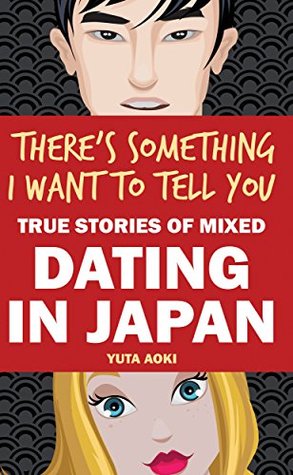
24894230

There’s Something I Want to Tell You: True Stories of Mixed Dating in Japan profiles 15 different people (spanning eight nationalities, both straight and LGBT) dating across racial and cultural borders in the country. Yuta’s deeply personal interviews touch some of the most private and intimate details of their love lives. He follows up each of the stories with a discussion of the cultural dynamics going on between the couples, which makes the book even more valuable. Whether you’re curious about intercultural dating in Japan or already in an intercultural relationship, you’ll find this a fascinating addition to your library.

I’m excited to introduce you to Yuta Aoki and There’s Something I Want to Tell You: True Stories of Mixed Dating in Japan through this interview.

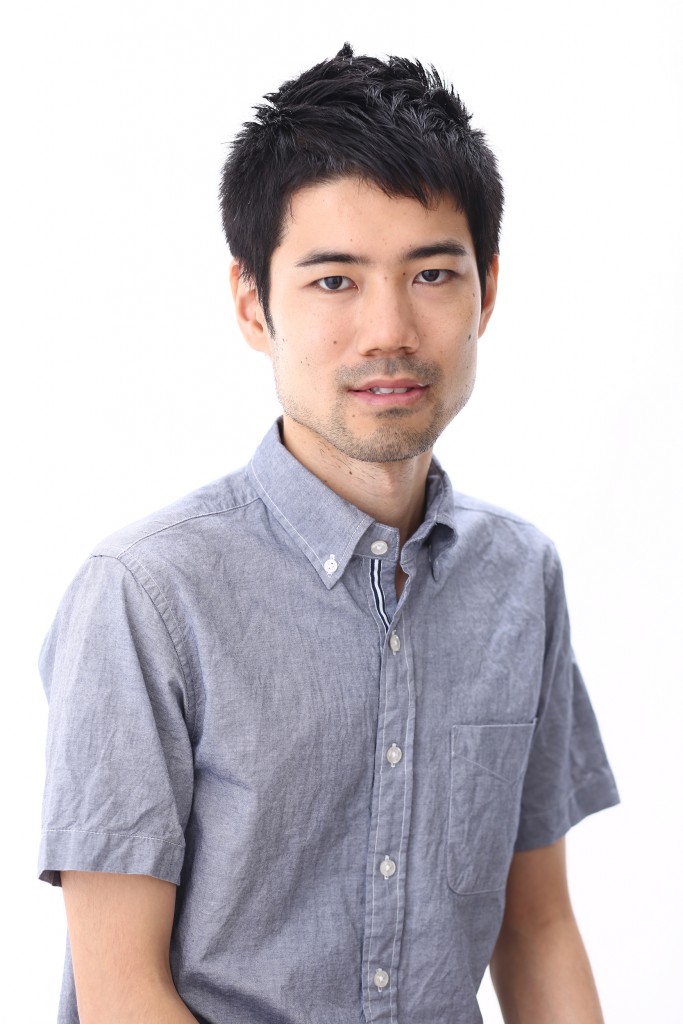
yuta-aoki-large

Here’s Yuta’s bio from Amazon.com:

Yuta Aoki is a Japanese author, blogger, and YouTuber. He writes about Japanese culture, multi-cultural communication, and dating.

He is a chronic traveler. He has been to more than thirty countries, from Eastern Europe all the way across to Southeast Asia. He enjoys talking to local people and listening to their stories. His desire to share the best of these stories inspired him to write There’s Something I Want to Tell You – True Stories of Mixed Dating in Japan.

He dates internationally, although he’s slightly worried that he might end up spending more time writing about dating than actually doing it.

He was born and raised in Japan.

You can learn more about Yuta at his blog at YutaAoki.com.

I asked Yuta about everything from how he was able to get people to speak so candidly about their love lives, to his response to people who think culture doesn’t matter in intercultural dating:

—–

Tell us about the inspiration for writing this book.

One huge inspiration was my friend’s story about how she met her husband. She is African-American and her husband is Japanese.

One day, she was walking down the street of Gunma, a Japanese prefecture where she liked at that time. A car approached behind her and pulled up.

‘What’s up?’ the man inside shouted in English. He was Japanese.

‘Uh… good evening,’ she replied in Japanese, hesitantly.

He smiled, wanting to continue the conversation.

But she wasn’t up for a random chat. It was already getting dark. The sun was going down. She walked away.

She would have forgotten him, had it not been for the birthday party she was going to the same night. The party took place on the 2nd floor of a building where there were several bars.

During the party, her phone rang. It was her friend.

‘Hey, can you come downstairs? There’s someone I want to introduce you to,’ her friend said.

When she came downstairs, she noticed a familiar-looking man.

‘Hey, you are the guy from the car!’ she exclaimed.

That was how she met her husband.

This story made me realize that people had unusual dating stories. I also remembered a friend who had made countless crazy boyfriend, one of which had run 40 kilometers (25 miles) just to see her. I wanted to know more.

You share a variety of stories about dating in Japan from people of different nationalities, racial backgrounds and sexual orientations — many of them diving into very intimate and personal details about the relationships. How did you find the people to interview for this book? And how were you able to get them to speak so candidly on the record?

Finding people to interview was quite easy as I already knew very diverse people who lived in Japan. All I had to do was ask around. Then some of them introduced me to other people.

I think the reason why those people opened up was that most people actually want to talk about their relationships. Often, we are afraid of being judged. But once someone stars actively listening to you, you can’t stop.

I think being interviewed is a very interesting experience. I encourage you to try it if there’s an opportunity. If you have an interesting dating story, contact me!

What’s your favorite story from this book and why?

Every time people ask that question, I come up with a different answer because there are so many interesting stories.

There’s an American girl called Lily, and I loved her quasi-relationship with a dorky, smart, obsessive Japanese guy called Aiba-kun. Lily wants to be his friends because he’s a smart guy and likes Japanese literature which she likes a lot. He’s also one of few friends Lily made back in university in Nagoya. But Aiba-kun doesn’t seem to be able to shake off his romantic obsession. There have been countless misunderstandings—both personal and cultural—between them.

Once, Lily decided to go on a “date” with him. She knew he hadn’t dated any girl before, so she wanted him to experience what it was like to go out with a girl. She was always clear that she wasn’t interested in him, but it was difficult for him to hold back his feelings.

Lily had to go back to the States, but they continued exchange emails even though she found it difficult to write long messages in Japanese.

Eventually, she came back to Japan and started living in Tokyo, quite far from Nagoya. One day, Aiba-kun showed up in her house unnoticed. It was an awkward meeting. Lily had to take him to a nearby café and convince him to leave because he kept insisting on dating her.

But their (sort of) friendship still continues. Lily thinks that once he gets over his infatuation, they can be really good friends.

I like this story because it has several layers of misunderstanding. On one hand, there is American dating culture that tends to be more casual and relaxed. On the other hand, there is an awkward boy who is not experienced with women. I find their friendship kind of cute.

Was there anything you learned about dating in Japan in the process of writing this book that surprised or shocked you?

It’s not so much surprising as curious, but so many Japanese people in those stories are, well, Japanese, in their way of thinking.

Western women who date Japanese men often find it confusing that Japanese men don’t always express their emotions and thoughts verbally.

Michelle, a Finnish girl, says her Japanese ex-boyfriend didn’t want to talk about bad things because he didn’t like confrontations. He wasn’t a talkative guy, and when they went on a date, he didn’t have much to say. She wanted him to talk more.

Kala, another African-American woman, talks about the ‘automatic translator’ that she invented to decode her Japanese husband’s non-verbal messages. When her husband is hungry, he comes around the kitchen, where she is cooking, and asks, ‘Do you need any help?’ But Kala knows he is not really offering help. It’s his indirect way of saying, ‘I’m hungry.’

Lack of verbal, direct communication is just one thing. There are a lot of recurring themes about dating in Japan: mind-reading, passiveness in bed, accommodating personalities, private nature of dating, etc. It was interesting to re-discovering my own culture.

What would you say to people who claim that culture doesn’t matter in intercultural dating?

I think what they really mean is that cultural differences can be overcome, which isn’t false.

But some people overlook or simply don’t notice cultural differences and that can be a problem. I remember Andre, a Jamaican man, who dated a Japanese girl who had a completely different communication style.

When she wanted to stop seeing him, she simply stopped answering his text, which confused Andre a great deal because he needed a verbal, explicit explanation. The more he pushed, the more irritated she was. It wasn’t necessarily his fault because from her part, she was unable to communicate with him effectively. Instead, she just became angry and passive-aggressive, which confused him even more.

It turned out their relationship had been fraught with misunderstandings, which neither of them fully understood. I think a little understanding of cultural and personal differences would have made their relationship much more pleasant.

What do you hope people come away with after reading your book?

I hope that people come away with a good understanding of what to expect in dating in Japan. At the same time, I hope people notice that there are many Japanese people who don’t fit the Japanese stereotypes. I included very diverse people in my book, so I you can understand dating in Japan from different angles.

—-

Thanks so much to Yuta Aoki for this interview! Learn more about Yuta at his blog at YutaAoki.com. You can find There’s Something I Want to Tell You: True Stories of Mixed Dating on Amazon.com, where your purchase helps support this blog.
Interview with Shannon Young on Her Memoir “Year of Fire Dragons”

Year of Fire Dragons

When you love someone from another culture and country, there’s a chance you’ll end up in a long-distance relationship. But what if you thought the long distance was over, only to discover you would have to be divided for another year?

That’s what happened to Shannon Young, an American who fell for a British man while studying abroad in England who she described as “my very own Mr. Darcy, except…talkative—and half Chinese.” But after she moved to Hong Kong to finally be together with him, he suddenly gets transferred to his company’s London office for a year, leaving Shannon all alone. Year of Fire Dragons details the life-changing year she spent in Hong Kong while continuing a long-distance relationship with her boyfriend. It’s a beautifully written story about how far people will go for love — and the unexpected joys that come when things don’t work out as planned.

Fire-Dragons_A

Longtime readers may already remember Year of Fire Dragons from Shannon Young’s lovely guest post titled My Very Own Mr. Darcy, Except Talkative And Half Chinese. She also edited the fantastic anthology How Does One Dress to Buy Dragonfruit? True Stories of Expat Women in Asia (which I’m honored to be a part of). I’m excited to once again feature Shannon Young and Year of Fire Dragons on Speaking of China.

Shannon Young
Shannon Young

Here’s Shannon’s bio from Blacksmith Books:

Shannon Young is an American twenty-something living in Hong Kong. She is the editor of an anthology of creative non-fiction called How Does One Dress to Buy Dragonfruit? True Stories of Expat Women in Asia and the author of a bestselling Kindle Single called Pay Off: How One Millennial Eliminated Nearly $80,000 in Student Debt in Less Than Five Years. She has written e-books including a novella, The Art of Escalator Jumping, and a travel memoir, The Olympics Beat.

She writes a blog called “A Kindle in Hong Kong” and is an active member of the Hong Kong Women in Publishing Society. Originally from Arizona, she likes to read, travel and spy on other people’s books on the train.

You can learn more about Shannon Young at her author website as well as her blog.

I asked Shannon about everything from her thoughts on Hong Kong and managing a long-distance relationship to how her family’s ties to the city made her feel more at home there.

—-

What inspired you to write this memoir?

Originally I just wanted to write about Hong Kong. The place itself inspired me, and writing became a way to catalogue and make sense of my experiences. But as I got further into the manuscript I realized I wanted people to actually read it. It became clear that I’d need to include my personal story to appeal to readers because that’s what appealed to me in the travel memoirs I read. Far away locations can be interesting, but a personal story that resonates with the experiences of real people is far more compelling. As I slowly opened up about my own life, it became easier to understand the growing process I was going through at the time. Writing the memoir morphed into a way to make sense of my feelings, perhaps even more than my surroundings, during a pivotal stage in my life.

You followed Ben to Hong Kong so the two of you would finally be together and then, after a month, he leaves you there to take a position in London. You couldn’t afford to chase after him because you had already committed yourself to a job in Hong Kong that would help you pay off your $80,000 student loan debt. Could you share with us some of your hopes and fears that came to mind when you said goodbye to Ben that fateful afternoon in September?

I was probably too optimistic for my own good. I thought the whole experience would be easier than it was, and didn’t realize how much turmoil I would end up feeling over the course of the year. I felt alone and disconnected in those first moments, but not as much as when the months dragged on and being together seemed less and less likely. The chances of the whole thing not working out were much greater than I let myself acknowledge at the time.

One of the love stories in your memoir follows your own relationship with the city of Hong Kong and how it unexpectedly charms you in so many ways. What was the most surprising thing about Hong Kong that you came to cherish?

I didn’t expect to love the energy so much. I’m a fairly reserved, introverted type, and it was surprising how much I loved the opportunity to be on the go and to see all sorts of different people around me every day. Hong Kong is enchanting, and living in such a vibrant city was more stimulating than I expected.

Your own family has an interesting connection to Hong Kong because your grandparents lived there for a period of time and your father was born there. How did your family’s ties to Hong Kong influence how you felt living alone there as well as your feelings about your relationship with Ben?

Hong Kong wasn’t 100% foreign to me, and I think that helped. I grew up hearing stories about Hong Kong and, although I never expected to live here, it had always been on my radar. I still meet people in the US who think Hong Kong is in Japan or who don’t understand the difference between Hong Kong and Mainland China, and that was never an issue for me. During my childhood, my dad used to talk about how much he’d like for us to move to China. He’d studied Mandarin and he had fond memories of his childhood in Asia. The prospect of an international life wasn’t as scary to me as it might be for someone whose family has always lived in the same town. Once I actually moved, it was encouraging to know that other people in my family had done it first. I even had the letters my grandma wrote home while she was living here in the late 1950s, and I’ve included excerpts in Year of Fire Dragons as a counterpoint to my own journey in Hong Kong. As for Ben, his stories about Hong Kong are guaranteed conversation starters around my relatives!

While in Hong Kong, you decide to buy a wedding dress, even though you weren’t certain if or when you would be getting married. You write, “I’d taken enough risks for Ben already. What was one more gamble that everything would work out?” Do you think that this kind of confidence is an example of how long-distance relationships can be a positive experience?

I think so. Looking back I’m still a little surprised I did that. It comes back to me being maybe a little too confident for my own good. On the other hand, long-distance relationships are difficult enough and you have to be hopeful and confident about your prospects in order for them to work. That kind of positive attitude can help carry you through the tougher times. I am lucky it turned out well, and the dress still fit me on my wedding day!

Now that you’ve survived a long-distance relationship, do you have any advice for anyone out there in the same situation? What do you think it takes to make a long-distance relationship successful?

Communication is absolutely the most important part of a relationship, especially a long-distance relationship. You have to be honest with each other about your concerns and feelings. It makes it much easier to trust the other person when you feel you can talk to them about anything, and without trust it won’t work at all. I think it’s also helpful to make plans for the end of the long-distance period, even though my own plans were thwarted a few times.

What do you hope readers come away with from your memoir?

I hope they’ll come away with a sense of optimism from my journey, and a reassurance that even during a tumultuous time like your early twenties, things can turn out better than you ever imagined possible. I also hope they’ll be as enchanted by Hong Kong as I am after reading about my adventures here!

Thanks so much to Shannon for this interview about Year of Fire Dragons! You can learn more about Shannon Young at her author website as well as her blog. Year of Fire Dragons is available at Amazon.com, where your purchase helps support Speaking of China.

Enter to Win 3 AMWF Memoirs of Love, Travel and Life in Asia (Ends July 7)!

If you love stories of real-life AMWF couples, here’s your chance to win a bundle of three AMWF memoirs of love, travel and life in Asia! This giveaway is open to ANYONE in the world and it ends July 7.

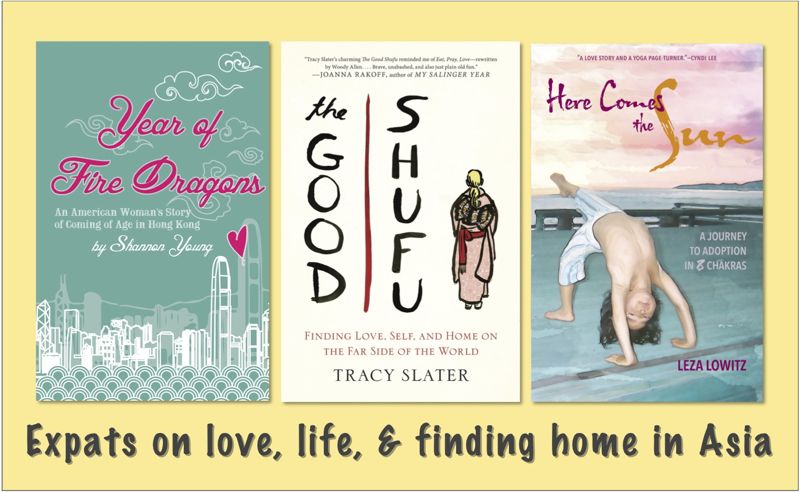
3ExpatMemoirsBanner

Longtime readers know about Year of Fire Dragons by Shannon Young and Here Comes the Sun by Leza Lowitz — two books I’ve already featured on the blog (see Shannon’s guest post and my recent interview with Leza). On top of these fantastic titles, the bundle includes The Good Shufu by Tracy Slater (note, I’ll be running an interview with Tracy here on the blog later on).

One winner will be randomly selected to receive ALL THREE books. Want to win? Scroll down this post to enter the giveaway!

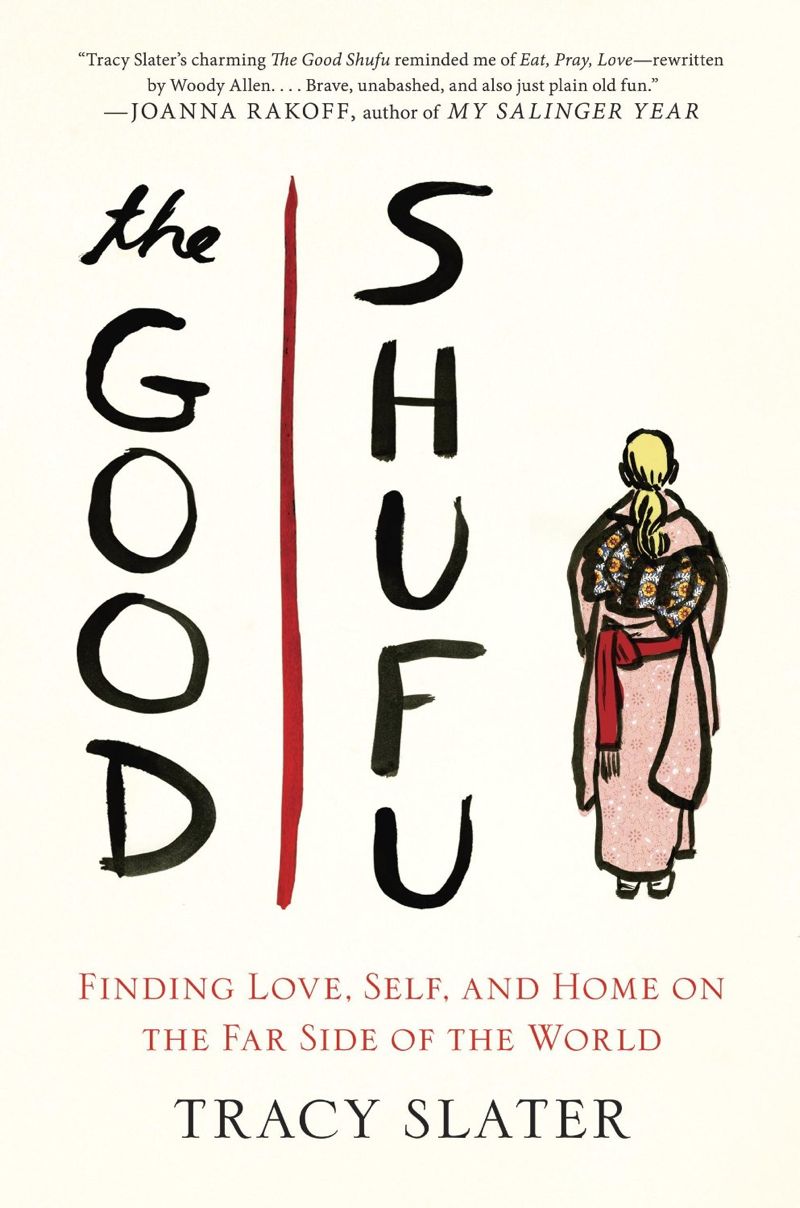
The Good Shufu by Tracy Slater

The Good Shufu: Finding Love, Self, & Home on the Far Side of the World
By Tracy Slater

The Good Shufu is a true story of multicultural love, marriage, and mixups. When Tracy Slater, a highly independent American academic, falls head-over-heels in love with the least likely person in the world–a traditional Japanese salaryman who barely speaks English–she must choose between the existence she’d meticulously planned in the US and life as an illiterate housewife in Osaka. Rather than an ordinary travel memoir, this is a book about building a whole life in a language you don’t speak and a land you can barely navigate, and yet somehow finding a truer sense of home and meaning than ever before. A Summer ’15 Barnes & Noble Discover Great New Writers Selection, The Good Shufu is a celebration of the life least expected: messy, overwhelming, and deeply enriching in its complications.
Putnam/Penguin, June 30, 2015

Fire-Dragons_A

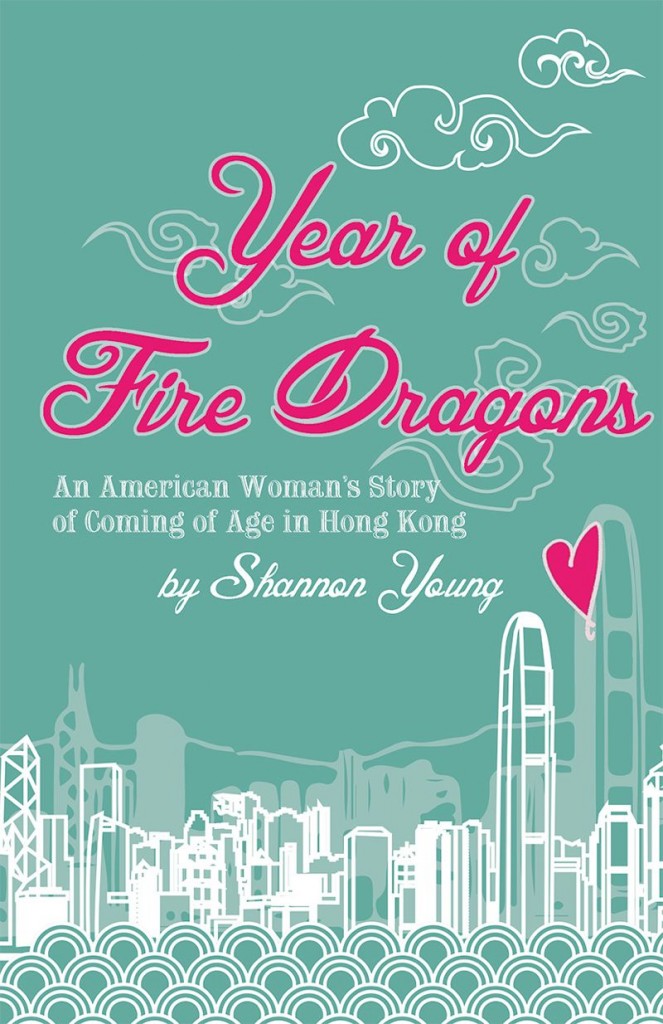
Year of Fire Dragons: An American Woman’s Story of Coming of Age in Hong Kong
By Shannon Young

In 2010, bookish 22-year-old Shannon follows her Eurasian boyfriend to Hong Kong, eager to forge a new love story in his hometown. She thinks their long distance romance is over, but a month later his company sends him to London. Shannon embarks on a wide-eyed newcomer’s journey through Hong Kong—alone. She teaches in a local school as the only foreigner, explores Asia with other young expats, and discovers a family history of her own in Hong Kong. The city enchants her, forcing her to question her plans. Soon, she must make a choice between her new life and the love that first brought her to Asia. Susan Blumberg-Kason, author of Good Chinese Wife, has called Year of Fire Dragons “a riveting coming of age story” and “a testament to the distance people will travel for love.”
Blacksmith Books, June 15, 2015

Here Comes the Sun by Leza Lowitz

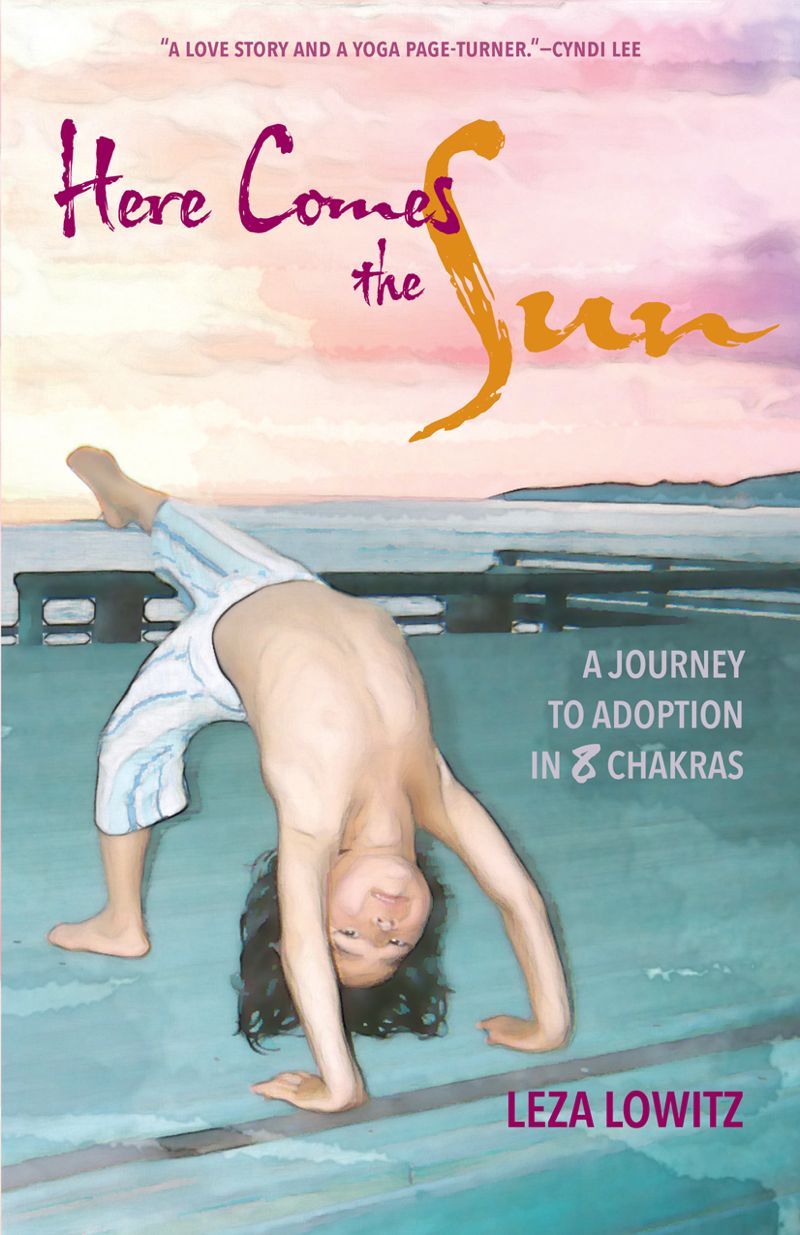
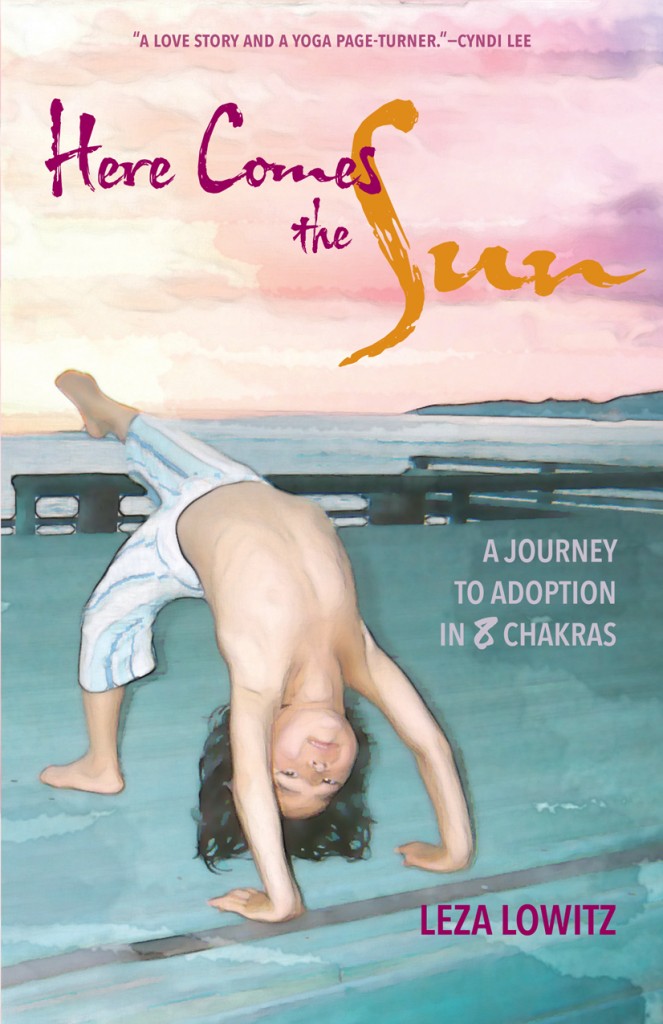
Here Comes the Sun: A Journey to Adoption in 8 Chakras
By Leza Lowitz

At 30, Californian Leza Lowitz is single and traveling the world, which suits her just fine. Coming of age in Berkeley during the feminist revolution of the 1970s, she learned that marriage and family could wait. Or could they? When Leza moves to Japan and falls in love with a Japanese man, her heart opens in ways she never thought possible. But she’s still an outsider, and home is far away. Rather than struggle to fit in, she opens a yoga studio and makes a home for others. Then, at 44, Leza and her Japanese husband seek to adopt—in a country where bloodlines are paramount and family ties are almost feudal in their cultural importance. She travels to India to work on herself and back to California to deal with her past. Something is still not complete until she learns that when you give a little love to a child, you get the whole world in return. The author’s deep connection to yoga shows her that infertile does not mean inconceivable. By adapting and adopting, she transcends her struggles and embraces the joys of motherhood. “Here Comes the Sun proves that love is not bound by blood. I highly recommend it to anyone interested in that which connects us, holds us together, and makes us family.”—MC Yogi
Stonebridge Press, June 2015

—–

Enter the giveaway right now through the Rafflecopter widget below. (Folks in China, you must use a VPN to access the giveaway.)

You can also click on this link to enter the giveaway. It ends July 7, so don’t wait! And best of luck to everyone!

Interview with Leza Lowitz on Her Memoir “Here Comes the Sun: A Journey to Adoption in 8 Chakras”

Here Comes the Sun by Leza Lowitz

China taught me how to love.

This might sound like a crazy thing to write, but it’s true on many levels. It was here in China that I first experienced what it was really like to love another person, to depend on them and know that they would be there for you. It was also in China that I learned to gradually love myself and, by extension, learned to open my heart to the possibility of writing incredibly personal stuff about my life. So yes, when I get right down to it, my journey here in this country has been about love.

That’s why I found Here Comes the Sun: A Journey to Adoption in 8 Chakras, a new memoir by Leza Lowitz, so touching.

Here Comes the Sun by Leza Lowitz

Leza arrived in Japan years ago in search of adventure, never expecting the country would teach her how to open her heart and soul up to new possibilities. Like marriage and yoga, most of all, motherhood itself. For Leza, who grew up watching her mother’s unhappy marriage collapse before her, it was hard to imagine any happiness from saying “I do” to someone or even having children. Yet living in Japan gradually helps her break through the barriers within herself to heal from the past and courageously move into a new future (a future that includes opening her own successful yoga studio in Tokyo). Leza invites you along for this emotional ride, sharing her story with honesty and lots of heart – a story that follows her marriage to a Japanese man named Shogo and, later, her quest to become a mother in Japan.

For anyone who has ever struggled or felt “stuck” in life, Here Comes the Sun stands as a reminder that you’re not alone – and that sometimes, miracles really can happen in the most delightfully unexpected ways.

I’m honored to introduce you to Leza Lowitz and Here Comes the Sun: A Journey to Adoption in 8 Chakras through this interview.

Leza Lowitz
Leza Lowitz

Here’s Leza Lowitz’s official bio from Stone Bridge Press:

Leza Lowitz lives in Tokyo with her husband, the writer Shogo Oketani, and their ten-year-old son. She has edited and published over seventeen books, many on Japan, and has run her own yoga studio in Tokyo for a decade. She travels throughout Japan and Asia to teach yoga and write. Her debut YA novel, Jet Black and the Ninja Wind, won the 2013–2014 Asian/Pacific American Award in Young Adult Literature.

You can learn more about Leza at her author website and read an excerpt from her memoir at Stone Bridge Press.

I asked Leza about everything from the book’s fascinating subtitle to her husband’s take on the story and also her thoughts on marriage and family.

—–

What inspired you to write this memoir?

Joan Didion, one of my favorite writers (whom I mention in the memoir), famously said, “We tell ourselves stories in order to live.” I wrote this book to write my way out of the struggle, to put things in perspective, and to let it go.

It’s been a long process. I’ve always kept a journal; writing has been my lifesaver. During my infertility struggles, I journaled. With the advent of the Internet and the explosion of blogs, I soon found many other women in the same boat. Their stories helped me find hope and gave me a community, which was also a lifesaver.

After we adopted our son, I published an excerpt from this memoir-in-progress in Shambhala Sun in 2010. The response was so positive that I decided to try to write a book. This was not as easy as it might sound–I was a big “starter,” and not a big “finisher.” Subsequent excerpts appeared in Best Buddhist Writing 2011, Yoga Journal, the New York Times Motherlode blog, and the popular blog Manifest-Station, which kept me on track. Women wrote to thank me for sharing my story, and to share their stories with me, and this gave me the courage to keep going.

Your book is subtitled “A Journey to Adoption in 8 Chakras.” Could you talk about why you chose this unique structure for your memoir?

I was introduced to meditation as a teenager, as I explain in this memoir, and mindfulness helped me deal with the violence around me. Yoga came into my life a decade later, and it has been a huge factor in helping me overcome many of the things that held me back in life. I became a yoga teacher in 2000, and opened my own yoga studio in Tokyo in 2004. I continued writing, marrying my spiritual quest with my literary one. I also moved abroad and married a Japanese man. My life was complicated, as I am sure the reader will understand.

I found that since outer life was so chaotic, I was drawn to poetic forms and structures like haiku and sonnets, which I felt could somehow help to “contain” the chaos. Content-wise, all of my books deal with notions of finding home. As an Expat, this issue was particularly important to me. We all long to belong somewhere.

So, chaos and structure=balance.

One of my first books, Yoga Poems: Lines to Unfold By deals with finding a home in one’s body and takes the Eight Limbs of Yoga as its structure. Yoga Heart: Lines on the Six Perfections, uses the Buddha’s six-tiered blueprint for happiness to chart the path to finding a home in the spirit. In Here Comes the Sun, I’ve taken the chakra system as a metaphor and roadmap for personal growth and transformation, charting the movement from “me” to “we.”

In the yogic system, there are seven major wheels of energy–or chakras–in the human body. The eighth chakra is believed to be our auric field. Each chakra has a particular function. Put simply, when we practice yoga, we awaken energy at the base of the spine, which rises up the central channel and unblocks the chakras along the way. Ultimately, female and male energy meet, and we become awakened, unified, whole.

Some chapters of the memoir deal directly with a particular chakra and the yogic practices that helped to balance it. In others, the work is more symbolic.

Throughout the process of becoming a mother, I had to ask myself questions many mothers never consider, like why did I want to be a mother?  This question led me on a pilgrimage from the U.S. to Japan and to India. It led me to yoga, to Buddhism, and back to my birth religion of Judaism. Across inner and outer oceans, the chakras helped me stitch the crazy quilt of life into a pattern that made sense. They helped me to find myself, and ultimately, to find my family.

You explore many painful experiences in your story — from witnessing the breakdown of your parents’ marriage as a child to struggling with infertility. How did it feel to revisit these painful memories in writing the book?

Life is full of pain, and it’s full of joy, and the two often inform each other. If we don’t write authentically from our own deepest experience, the writing won’t have power. So, while it was painful to revist some of those past experiences, writing helped me to overcome them and let them go. Of all the books I’ve written, Here Comes The Sun was definitely the most difficult to write, being so personal. But going through the pain was necessary to be able to come out to joy on the other side. Here Comes The Sun is ultimately about forgiveness, about finding a home in each other and in the world, making choices and owning them. It’s about loving our deeply flawed selves, and loving the lives we have–and make.

Your husband Shogo is one of the most important characters in your memoir. How does he feel about your memoir and his role in helping to open up your heart?

If you read the memoir, you can see that Shogo is very much a person who doesn’t waste energy on things that aren’t worth it. I’ve learned a lot from him. He has always been completely supportive of my experiences, and was totally supportive of me writing this memoir. In fact I think he wanted me to write it, to let the past go and move on! He’s the reason I am who I am today, because he just quietly gets the work done from behind the scenes. He’s incredibly wise, disciplined, and patient. I want to be like him in my next life.

You detail your experience with international adoption in your memoir, something that turns out to be challenging for you and your husband. What would you say to readers out there considering international adoption?

Since we live abroad, we had no choice but to pursue an international adoption. Actually, since we adopted in Japan and live in Japan, it was not really an “international adoption.” But, to anyone considering adoption, I would say do your research, talk to others who have done it, and make sure you are 100% in it for the long haul. Family is family.

So, if you are contemplating adoption, consider what the psychic Dietmar says in my book: “Think of so many women who give birth but have no real heart connection to their children. You see, it’s not always about giving birth from your body.”

Then he says, ”…this child is not going to come from your womb. But it will come from your heart. Which is more important?”   The answer is clear. Keep cracking open your heart.

The idea of marriage and family — and whether it can wait — is one of the themes in your memoir. After everything that you’ve experienced, how do you feel about it now?

I think everyone has their own path, their own journey. This has been mine. All the struggles have made the triumphs all the more sweet, and to be honest, I wouldn’t change a thing about it. As the saying goes, “Smooth seas don’t make skillful sailors.” I feel very blessed to have learned the lessons I needed to learn, and to have the beautiful family I now have.

What do you hope readers take away from your story?

If you have a dream, listen to it. The dream is yours for a reason. Do whatever it takes to make it happen. Start now. Stop at nothing to make it come true. And then help others make their dreams come true in whatever way you can.

—–

Thanks so much to Leza Lowitz for doing this interview about Here Comes the Sun: A Journey to Adoption in 8 Chakras. You can learn more about Leza at her author website and read an excerpt from her memoir at Stone Bridge Press. Here Comes the Sun: A Journey to Adoption in 8 Chakras is available on Amazon.com, where your purchase helps support this blog.
Interview with Huan Hsu on His Memoir “The Porcelain Thief”

The Porcelain Thief

Journalist Huan Hsu has one of the most original reasons for going to China that I’ve ever heard – to find buried treasure. Or, more specifically, buried porcelain.

A visit to the porcelain collection at the Seattle Art Museum leads him to a conversation with his mother, who explains that Huan’s great-great grandfather Liu left a cache of highly valuable china buried deep in the ground decades ago in Xingang, Jiangxi. That ultimately inspires Huan to journey to China to discover more about this buried treasure by talking to family there. Starting with his grandmother in Shanghai, Huan meets more relatives and sees more of China than he ever expected – and in the process, collects valuable family stories and learns more about himself. Read all about it in his new memoir The Porcelain Thief.

The Porcelain Thief

The Porcelain Thief deftly combines Huan Hsu’s personal experiences, the family stories (which span the late Qing Dynasty up through the Chairman Mao era), and his quest for buried porcelain into one incredibly enlightening book. You’ll learn about Chinese history and culture, porcelain, and what it’s like to be Chinese American in China (one of my favorite quotes is “ABCs [American Born Chinese] got the Chinese treatment at foreigner prices.”), making this an exceptional and much-needed entry among China books.

I’m honored to feature Huan Hsu and The Porcelain Thief on Speaking of China through this interview.

Huan Hsu credit Martijn Van Nieuwenhuyzen
Huan Hsu (Photo credit: Martijn Van Nieuwenhuyzen)

Here’s Huan Hsu’s official bio from his publisher, Penguin Random House:

HUAN HSU, born in the Bay Area and raised in Salt Lake City, is a former staff writer for the Washington City Paper in Washington, DC, and the Seattle Weekly. He is the recipient of two Society of Professional Journalists awards and has received recognition from the Casey Foundation for Meritorious Journalism. His essays and fiction have also appeared in SlateThe Literary Review, and Center: A Journal of the Literary Arts. He currently lives in Amsterdam and teaches creative writing at Amsterdam University College.

I asked Huan about what it takes to gather family stories, his experiences as a Chinese American in China, why there are so few Chinese Americans (and other overseas Chinese) writing about China, and more about The Porcelain Thief.

—–

Your search for buried treasure ends up taking you not only to Shanghai, but also Taiwan as well as Beijing, Shandong and Jiangxi. Did you ever expect to cover so much territory in a quest for family stories and porcelain?

I did and I didn’t. I was extremely naïve about what my so-called quest would entail, but that was also somewhat by design, so that it could remain open-ended. I wanted to be able to indulge curiosities and get sidetracked and wander around and experience an authentic sense of discovery. When I first arrived in Shanghai, I didn’t even have a grasp of how many members of my grandmother’s generation there were, who was still alive, or where they lived. So other than Shanghai and Jiangxi, I had no idea where I would be going. And of course once I began to find my footing in China, I wanted to go everywhere. As I like to tell people, there is nothing not interesting about China. Every place in China seemed to promise a fascinating local history or connection to my family or porcelain. This was both reassuring, in that once I got a basic understanding of Chinese history and my family history, it provided an entry point into me to orient myself and contextualize new places (as well as a way of interacting with both the place and its people–I could just play the curious, amateur historian American-born Chinese, which is a pretty unimpeachable character for local Chinese), and also extremely frustrating. As an obsessive collector and a maximalist, I still feel that not being able to go everywhere, talk to everyone, and learn everything is something of a failure on my part. Anyway, I’m glad I was able to cover as much territory as I did, which offered a glimpse of China that, while terribly incomplete, was still more thorough and more unalloyed than many people get, even those who do visit China.

While you’re ostensibly searching for the family’s porcelain in your book, some of the greatest treasures you uncover are your family’s stories, which span the Qing Dynasty, Republican-era China, and Chairman Mao’s reign. I was impressed by how you managed to get so many of the family elders to share their experiences with you; I haven’t had much success coaxing my husband’s relatives to speak about the past and I speak fluent Chinese myself! Besides learning the language, what do you think was the key to getting family members to talk to you?

Haha, well, I’m pretty sure your Chinese is better than mine ever was. I’d like to think that my family members spoke freely with me (well, most of them–my grandmother remained reticent to the end) thanks to my skills as an interviewer. But it was probably mostly timing, both where they were in their lives and also where China was in its history. For example, my father helped transcribe most of my interviews with Fang Zhen Zhi. Though they had met in Beijing in the early 1990s, and despite being a fellow physicist and materials scientist, my father and Fang Zhen Zhi had never spoken about Fang’s work on the nuclear program or his persecution during the Cultural Revolution. My father remarked to me that even if he had asked, he doubted Fang would have talked about it because of the cultural and political climate in China at the time.

It also probably helped that I was often the first of my generation to pay them a visit, a demonstration of filial piety that was probably appreciated by these relatives. Of course, I couldn’t just show up and immediately ask them about the porcelain right away, so I naturally had to first get to know them. Once they got going about their lives, I often got so wrapped up in those stories that the porcelain seemed kind of inconsequential, and there wasn’t always a convenient way to slip questions about it into the conversation. But I did always ask, and made sure to bring it more than once to see what I might elicit.

Other than felicitous timing and a degree of persistence, I don’t know if there was any trick to getting family members to talk. I showed up for the porcelain, so learning about their experiences was already somewhat ancillary, and maybe that created an atmosphere where those ancillary experiences could be shared. And as I said, much of the family history was just part of the warm-up–my priority wasn’t what they talked about, just that they kept talking and got comfortable with me listening. And maybe because I was ostensibly pursuing the porcelain and also my grandmother’s story, who was a well-respected figure in the family, they felt that their stories weren’t the center of the conversation and those things could come up more naturally and by the time I pressed them about those stories it would have felt odd not to share. But in the end, they were the ones who had to decide they wanted to talk, and I don’t know their motivations. Maybe because they were all well advanced in age, and no one in the family had ever tried to get these family stories, they felt an urge to have them recorded. As Fang Zhen Zhi said, they had suffered but had lived honorable lives. They had little more to strive for, nothing to fear, and had accepted their histories. They were content. So why hold back?

One of the fascinating things about your story is it offers readers insight into the experience of being Chinese American in China. What surprised you most about your own experience as an American-born Chinese in China?

Probably how angry it could make me! I think of myself as a pretty relaxed person, and I think most people who meet me perceive me that way, but there was something about China that could just get under my skin so quickly. China can be confrontational no matter where you’re from, but with overseas Chinese it can feel very personal. Intellectually, I knew that it wasn’t personal, but it wasn’t until the end of my stay in China that I really accepted it. Until then, I found myself acting far more pugnacious than I ever thought I could be.

Maybe this is just how we deal with the dysphoria of being in a place that is at once very familiar and extremely foreign, hostile even. I think for me, I had spent basically my entire life establishing my American-ness and assimilating to a degree that my parents never did. I didn’t just think of myself as American, or feel American, I was American, plain and simple. And to my frustration, that was completely unacknowledged in China because of the way I looked–the Chinese still think of American as an ethnicity, not a nationality. That double standard drove me crazy. For a while, I seemed to be trying to civilize China one pedestrian or driver at a time and would almost go out of my way to create these confrontations.

I expended so much psychic energy trying not to get swallowed up or lost in the sea of other black-haired people. I didn’t even realize how much of a burden that was on me until I didn’t have to deal with it anymore. Many of my ABC friends have also since returned to the States, and I think they leave China with a similar sense of relief.

I guess there aren’t a lot of analogues for this situation in the United States. Maybe children of overseas missionaries who move back after many years abroad? I got to know an older guy in Shanghai who was born in China to missionary parents, then grew up in Taiwan after the civil war. He went back to the States as an adolescent and found it bizarre. He went to college in America, but for the past few decades has been back in China. That might not be an accident.

There was a soccer player here in the Netherlands recently, his parents are Dutch but he was born in Japan and grew up there. He’s a Japanese citizen, his friends are all Japanese, he plays for the Japanese national team. Dutch is his third language. His mannerisms are completely Japanese. He prefers Japanese food and Japanese women; his wife is Japanese. He even looks Japanese. You get the idea. After spending his whole life in Japan, he was signed by a Dutch team in 2011, when he was 24. Most of the news stories around that time covered the culture shock he experienced: how disrespectful and brash Dutch players were to coaches and each other, things like that. He recalled thinking these people–technically his people–were all crazy. He lasted three seasons in the Netherlands before going to a team in Portugal, where, I suppose, he could just be a regular expat.

(I’ve since heard from other expats that I was not the only one who used his umbrella as an excuse to “accidentally” hit people in China.)

I loved that one of your great-great-grandfather’s best legacies is educating women in the family (starting with his granddaughters, who he sent to Western schools) and ultimately being ahead of the times. One of your relatives in Jiangxi even owed their good fortune (they always received the latest appliances before everyone else) to this legacy, passed down to them through Si Yi Po, one of these educated granddaughters of Liu Fengshu. How did it feel to discover this about your family?

My great-great-grandfather sending his youngest daugther and then my grandmother’s generation to Western schools really resonated with me. But I think much of that resonance stemmed from some latent chong yang mei wai on my part. It initially mattered to me that my grandmother attended a sister school of Smith College not because it meant she was the rare Chinese woman with a college education, but because she had an American college education supervised by Americans, which, of course, meant she was properly schooled and civilized. I probably would not felt the same way if she had attended an all-Chinese institution. I know I was more impressed with my great grand uncle who graduated from St. John’s University in Shanghai than his brothers who graduated from some Chinese railroad school in Jiangxi.

Once I had a little distance, I appreciated my great-great-grandfather’s progressivism more on its own terms. It served to bridge the past in a way that made it feel much closer and comprehensible. But I’m not sure how progressive my great-great-grandfather really was about educating women at the moment my grandmother was going to school. I feel like that iconoclasm is largely appended in hindsight, a narrative propagated by my living relatives. My sense is that it was actually my great grandfather, Liu Ting Zan, who felt strongly about educating women, and that my great-great-grandfather was mostly an agnostic. It probably wasn’t until the war, during which he and his family depended on my grandmother and San Gu for financial and material support, that he gained an appreciation for educated women and women in general. But this might also be a narrative of my creation.

(Not that it matters, but the relative who talked about getting the latest appliances was in Shandong.)

You’ve written that few China books are authored by Chinese Americans. Why do you think this is the case? And what do you think it will take to get more books published about China from Chinese American (or other Overseas Chinese) authors?

I’m not sure, but it continues to puzzle me. You might have seen this story in the Washington Post recently. My first reaction was: yes, so true. My second reaction was: why didn’t a Chinese American write this? Why is China still usually interpreted through a white guy’s perspective (and it’s usually a guy)?

I should probably point out that there are Chinese Americans and overseas Chinese writing about China. If you look at the acknowledgments page of Evan Osnos’ new book, for example, you see plenty of overseas Chinese writers that he thanks. But of course these names are vastly outnumbered by non-Chinese writers. Much of it is probably due to raw numbers–Chinese Americans are still a fairly small minority, after all. It’s also hard to speculate on possible reasons without trafficking in stereotypes, but Chinese parents tend not to encourage their kids to pursue writing. (Chinese parents are not the only ones.)

Most of the ABCs I know are the children of the wave of immigration from Taiwan in the 60s and 70s, often with Kuomintang family ties and often with Christian backgrounds. So the parents already had an estrangement with the mainland, and while I think they valued staying connected to Chinese culture, that didn’t necessarily mean staying connected to China the country. The way da lu ren was used around me made me think the term referred to some lower caste of Chinese people, and it must have been somewhat bewildering when my generation of ABCs told our parents that we were moving to China. Like, wait a minute, we spent our whole lives working and saving and eating bitter so you wouldn’t have to live there! The religiosity might also mean they’re too preoccupied with the afterlife to give much weight to earthly pursuits like writing. Plus, America’s a big place and China’s far away and it’s probably natural that Chinese Americans are more concerned with issues closer to home.

Even without the religious component, it takes a certain degree of individualism (and narcissism, and probably stupidity) to believe you have something to say about something and to want to share it with strangers. And this is not a very Chinese impulse, nor is it in line with the expectations put on model minorities in America. My mother has a Chinese friend who married a Jewish guy, and this friend often ponders her identity vis a vis her husband’s and their son’s. After she read The Porcelain Thief, she remarked to my mother that the book highlighted just how American her son will be, because she could not fathom writing about family members with such honesty for public consumption. And China as a subject for writing might be considered familiar enough be be influenced by that cultural attitude.

I also have to acknowledge my own disinterest in China before starting on The Porcelain Thief. I know that for a long time, I would have aggressively rejected any insinuations to write about China. I would have thought, why should I write about China any more than any other person? There’s a certain level of denial that comes with believing in (or wanting to believe in) a post-racial world.

I have no idea what it will take to get more Chinese American voices in books about China. A friend of mine in the foreign service pointed out to me that the absence applies to foreign policy, too. The discussion of Chinese geopolitics is almost always the same cast of white guys commenting, and he thinks it’s a major reason why U.S. foreign policy towards China tends to be confrontational–there remains an inability to view China as a collection of individuals with varying motivations. The lack of empathy creates a simplistic understanding of “the other”–classic Ed Said-style Orientalism. And I think that strain of Orientalism is to some degree present in many stories about China that don’t come from people with Chinese ancestry, however enlightened and well-intentioned they might be. Maybe more Chinese Americans have to first come to see, as I did, that their hyphenated identity is a privilege rather than a burden.

What do you hope people come away with from reading The Porcelain Thief?

In general, probably the same thing that I hope to come away with when I read a book: some combination of being informed, entertained, and transported. Specifically, maybe to have gained a better understanding of a country that everyone knows about but remains something of a mystery for many, and the diversity of its people and history. China is a huge, complex, and real place made up of real individuals who all have his and her own desires and dreams and beliefs. I also hope readers laugh at the funny parts. And that they don’t fixate too much on the treasure. From the beginning, I intended this book to be a journey, so I hope people find a way to enjoy that part of it, too.

—–

Thank you so much to Huan Hsu for this interview! You can find The Porcelain Thief on Amazon.com, where your purchase helps support this blog.


Interview with Ray Hecht on “Pearl River Drama: Dating in China”

Reinventing yourself abroad is practically an expat tradition. Whenever I sit down with foreigners here in China, more often than not they have a story about how the Middle Kingdom unexpectedly transformed their lives, forging them into the fascinating person they are today.

Writer Ray Hecht, who hails from my home state of Ohio (he’s from Cincinnati and I’m from Cleveland), is no exception. But he has a different kind of story to share. After all, how many have you met who took the “go to China” plunge in a psychedelic haze in the Nevada desert (Burning Man)? Ray does have an easier time meeting Chinese and foreign women for dates, but he never turns into another “charisma man” (or worse, Chinabounder) because of it.

Even better, you can read all about his experiences in an honest and compelling new memoir titled Pearl River Drama: Dating in China.

Pearl River Drama: Dating in China

From the girls he could have loved forever to the “just sex” moments to the one who stalked him (yikes!), Ray doesn’t shy away from letting you into his utterly imperfect love life. He’s refreshingly self-deprecating about it all and ultimately comes across as a genuinely nice foreign guy just looking for love in China. (Note that, besides graphic descriptions of sex, this story does include a lot of recreational drug use, so reader discretion is advised.)

Pearl River Drama: Dating in China is a fast and entertaining read (I devoured it on the bullet train from Beijing to Hangzhou). I’m honored to introduce you to Ray Hecht and his new memoir through this interview.

Ray Hecht

Here’s Ray’s bio from Goodreads:

Ray Hecht was raised in America, from the Midwest to the West Coast, on a starchy diet of movies and comics and science fiction paperbacks. Mostly writing about such states as California and Ohio, and such provinces as Guangdong. Lived in Shenzhen, China since 2008, that Special Economic Zone & Hong Kong-bordering chaotic city of the future, occasionally partaking in freelance journalism for various local publications.

You can learn more about Ray and Pearl River Drama: Dating in China at his website.

I asked Ray about what it felt to have such personal stories out there for people to read, how he ended up with such a fascinating mix of women, what regrets he has (if any) and much more:

—-

What inspired you to write this memoir?

I went through a lot of drama back in 2013. While my writing career was going up, my love life suddenly exploded. I briefly thought I met a perfect girl abroad, one Chinese woman I dated basically turned out to be a stalker and caused me incredible stress, and then it culminated in having my heart broken.

I often write private journals. It helps me process.

This time, I thought it would help if I put it all out there as a blog. It may have been a rash decision. But it did give me some inspiration to further write, and a lot of the conversation it ensued really helped me think about things. I found a lot of supportive people in the WordPress blog scene, and I’m glad I did it.

I finished the blog at a certain point, because I didn’t want people who personally knew me in Shenzhen to know all of my business. I share a lot, but I do have limits. However, at least making it an eBook seemed the thing to do, and for that project it wouldn’t be freely on my blog. It would cost just a few dollars, and I could share even more…

I don’t know if this is was a bad idea or not, perhaps putting these revelations out there will come back to haunt me one day, but too late now.

Your stories get incredibly personal and intimate at times, sharing details that would make many of us blush! How does it feel to have these stories out there for anyone to read (including your former girlfriends/lovers)?

As said, the blog was less blush-worthy than the finished product memoir. I’m fine with acquaintances and stranger readers out in the world reading about my personal life. I’m much more hesitant about people I personally know well — especially if they were there in some of those experiences!

Surprisingly, I haven’t had any negative feedback from ex-girlfriends. A few said they liked reading. I even pointed it out, in the name of honesty. There’s really just the one girl I hope doesn’t read it…

You described yourself as “a nerdy American boy from Ohio” who wasn’t “particularly good with girls” and yet your dating life was transformed in China, where you ended up dating many women and found your stride. Still, you write that “I was lucky to date anyone who would have me.” How were you able to keep such a humble perspective about it all?

I don’t know if humble is the word. Self-loathing at times? Realistic?

I try my best not to be one of those obnoxious expats who think they god’s gift to (Chinese) women. And I have been rejected so many times. I have to have a real perspective. It’s not like I’m the one-night stand kind of guy, but I was persistent for a while there and I kept trying no matter how many bad relationships I was in. More than half were due to online dating, I admit, which is easier than the confidence it takes to pick up women in bars and that sort of thing I’ve never been good at.

Mainly, racking up all these stories shows there’s something wrong with me in that my long-term relationships were so seldom.

Over the course of the book, you write about being with a variety of women — from those you could imagine spending the rest of your life with to someone who actually stalked you for months. I was so surprised by the wide range of personalities and the drama of course! Why do you think you ended up with such a diverse (and fascinating) bunch of women?

Hey, diversity is the spice of life. I’ve always been open to having friends from different backgrounds, why not give anyone a chance no matter where they’re from? That’s one of the opportunities that comes from the expat lifestyle, I suppose. Ultimately I learned through trial and error that Chinese women may not be my type. No offense meant to any great Chinese people out there!

It has been just my luck that I got to meet so many fascinating people in the world.

Looking back on your dating experiences in China, do you have any regrets? Anything you would have done differently?

I have so many regrets. I don’t want to get too specific, sorry. I guess I basically wished I knew what I was doing. I could have been more honest about the relationships that were to be short-term. I could have treated women a lot better when I wanted something deeper but couldn’t get that to happen.

But it’s not good to have too many regrets. Life is a series of harshly learned lessons, and I hope to move forward.

Social skills take a while to learn for someone like me.

What do you hope people come away with after reading your memoir?

I don’t know what people should think when they read my work. Feel some empathy with me? Simply be entertained by the more wild parts? It’s hard to say. I emphatically do not want to be giving out any pickup advice. I do hope that people who might like Chinese/Asian girls can read it and see that women are individuals and cannot be stereotyped. If anyone is an expat, I hope they can relate. If anyone is interested in becoming an expat, especially in first-tier cities in China, I hope they can see what they would be getting into with the social scenes.

Mostly, it but is what it is and if you like reading that kind of thing then more power to you.

—–

Thanks so much to Ray Hecht for this interview! To learn more about Pearl River Drama: Dating in China and other writings by Ray, visit his website today.

Interview with Texan in Tokyo on “My Japanese Husband (Still) Thinks I’m Crazy”

Grace Mineta of Texan in Tokyo has once again wowed us with her delightful comics about navigating life in Japan as the white Texan wife of a Japanese man – this time with her latest book My Japanese Husband (Still) Thinks I’m Crazy.

My Japanese Husband (Still) Thinks I'm Crazy_

As I’ve written before, I’m a big fan of the popular Texan in Tokyo blog. Her posts and comics inspired by her daily life in Japan are at once charming, insightful and funny, capturing the joys and frustrations of what it’s like to be an expat. If you love what she’s publishing on Texan in Tokyo, you’ll definitely want to pick up My Japanese Husband (Still) Thinks I’m Crazy (not to mention her first book, My Japanese Husband Thinks I’m Crazy).

Grace and Ryosuke Mineta

For those of you new to Grace and her blog, she’s a native Texan who moved to Tokyo with her college sweetheart, where she now writes and blogs about interracial and intercultural relationships, daily life in Japan, and the life of a freelancer. You can also find her writing on The Huffington Post and countless other blogs (including her guest posts my site, which you can read here and here). Grace is an alumnus of Ursinus College in Pennsylvania and received the Boren Scholarship to spend a year in Tokyo.

I previously interviewed Grace about her first book My Japanese Husband Thinks I’m Crazy and am thrilled to feature her latest book My Japanese Husband (Still) Thinks I’m Crazy through this interview!

—–

What inspired you to write this second book?

It’s not so much that I set out to write another book – I just kept drawing comics for my blog and before I knew it, I had enough comics for another book! I really enjoy drawing comics and I’m thrilled that so many people want to read them.

I had to keep that in mind when I was going through all the stress of formatting the book. I like to say that I have no problem writing the comics, but getting them “print ready” is surprisingly difficult.

Texan in Tokyo comics

The comics cover your life with Ryosuke in Japan over the course of the year, with articles interspersed throughout that expound upon Japanese culture or provide some insight into international and interracial relationships. Why did you decide to structure the book like this?

Some of my blog readers love my comics and dislike my “regular blog posts.” Some love my “regular blog posts” but dislike my comics. Most seem to like both pretty equally, though, so I figured why not?

I started my blog back in 2012 because I wanted to help people. Some of my first couple blog posts were “how to pay your utility bills in Japan” and “how to use a coin locker laundry place in Japan.” Of course, I also write personal musings, but my main goal has always been to help (and entertain) people. I wanted my book to be an accurate representation of my blog.

You just came out with your first book in the middle of November and only three months later you released your second book, which is extraordinarily fast! What’s your secret for being so productive?

When you say it like that, it does kind of sound like I have some sort of super-secret method for staying on track. Sadly, I don’t. While my first book did come out in November of 2014, the final draft of the book was ready by early September of 2014. I had the final draft for my second book finished in early February of 2015.

So really, I had a bit over 5 months between books.

I also legitimately enjoy the work I do. I love drawing comics, I love blogging, and I somewhat enjoy marketing. It’s easy to stay motivated when the work excites you, I think.

Texan in Tokyo comic about the telephone

People have had a huge response to your work so far, including this second book. Could you give us an example of some of the positive comments you consistently hear from fans?

I’m always excited when people relate to my comics. That’s all I really want, I guess. I touch on a variety of subjects, from being a newlywed to working from home. A lot of my comics also talk about what it’s like living in a foreign country. Or what it is like to struggle with anxiety.

It’s kind of nice to know that people from all walks of life, with different ages, experiences, and stories can find something relatable in the comics I draw.

As I’m writing this, there are almost 200 reviews on Amazon.com for both of my books – nearly all of them wonderfully supportive. When I’m feeling down, I like to read through those.

Texan in Tokyo comic about the beach

What do you hope people come away with after reading this book?

  1. Life is fun.
  2. Living abroad is a wonderful adventure (albeit sometimes stressful and lonely).
  3. Marriage is great.
  4. Follow your dreams, no matter how silly they may seem. When I was growing up, I never even allowed myself to dream about being a comic artist living in Tokyo. But here I am. Of course, it’s a lot more complicated than just thinking it – it requires a lot of hard work, motivation, and luck. But the first step is believing in yourself.

What are you working on next?

Book 3, of course! I haven’t figured out a title yet. Or a cover design. But I’m slowly working through the outline right now – and I think it’s going to be a fun book. I’m hoping to get that out in June of 2015, as long as nothing terrible happens between now and then.

I’m also working on a “Studying Abroad in Japan: Everything you need to know (and more)” book (title still in process). This book will be a fun, informative guide for studying abroad in Japan. It might have a couple comics, but it will probably just be more like a “regular” book (whatever that means).

After that… I have no idea. Plans are always changing, so I try not to schedule things for more than a couple months in advance.

无标题10

Thanks so much to Grace for doing this interview! You can learn more about My Japanese Husband (Still) Thinks I’m Crazy (as well as My Japanese Husband Thinks I’m Crazy) and get a taste of her comics and writing by visiting her website Texan in Tokyo.

Interview with Susan Chan, co-author of the romance novel “The Reluctant Brides of Lily Court Lane”

What a dreary week it’s been for me. I caught the flu last Thursday (the worst possible kind, with body aches and zero energy), which kept me holed up bed for three days straight. It also rained nonstop during that time, a downpour of almost Biblical proportions that ended up flooding my favorite trails in the wetlands park nearby. And on Monday, just when I thought I was getting over the flu, I lost my voice completely. That’s right, I can’t talk a single word! That led to a trip to the hospital with a rather unpleasant experience of having a doctor shove a rod with a camera on it into my throat (everything is fine – just need to take some medicine and finish a round of vapor therapy). Oh, and did I mention that the blissful summery temperatures we were enjoying last week have dipped back into wintery territory once again?

Yep, that kind of week.

It’s times like this when I turn to a good story for a little escape – the chance to slip into another world and forget about my troubles for a while. Especially if it’s an easy, breezy love story like The Reluctant Brides of Lily Court Lane, which reads like one of my favorite romantic comedies on the screen.The Reluctant Brides of Lily Court Lane

Susan Chan, along with her co-author Carol Polakoff, have woven together a delightfully relaxing romance novel with many different interwoven love stories set in San Diego, California (almost like the movie “Love, Actually”). Even better, one of those love stories is about a young AMWF couple (I think it’s the best in the novel!). Given that Susan’s husband is Chinese, I’m not surprised she’d want to share a story reflecting her own experiences. The book also draws upon her Jewish heritage with a story about a Holocaust survivor and the mystery of a missing family painting.

This is a perfect book for the beach, travel, or (if you’re like me) a little escape from the ordinary.

I’m honored to introduce you to Susan Chan and The Reluctant Brides of Lily Court Lane through this interview.

Susan Chan
Susan Chan

Susan was born to immigrant parents, grew up in New York City, and attended local public schools. After graduating from the High School of Music and Art as an art major, she earned her Bachelor’s degree from the City College of New York and a Master’s from New York University. She taught high school Social Studies for a number of years and then changed career paths. She obtained her Masters and Professional Diploma in Guidance and Counseling from Fordham University and became a high school guidance counselor.

She has been married to her husband Jay for 44 years and blessed with two children and one grandson (as of now). As an interracial couple they faced many challenges but their marriage has lasted because they have been guided by two principles – don’t sweat the small stuff and don’t go to sleep mad.

Susan has also shared a story on this blog titled My daughter said, “I’m American, I’m Jewish and I’m Chinese.”

You can follow The Reluctant Brides of Lily Court Lane at the Lily Court Lane Books Facebook Page.

I asked Susan about how she came up with the AMWF couple in the story, her motivation for writing about a Jewish Holocaust survivor, and what it was like dating her husband in the 1960s.

—–

What inspired you and your partner to come up with this idea of a community at Lily Court Lane with all of these interwoven romance stories?

I’m a collector of stories. I seem to have a personality that encourages others to confide in me or at the very least share their stories. My mother had the same quality and she’d laugh when she said I seem to wear a sign across my chest saying tell me your problems. I guess that’s also what caused me to enter my chosen profession as a high school guidance counselor. The reason I mention this is because the stories in the book are based on events which happened to people I know. That’s why they have the ring of truth about them.

As you can imagine, my favorite couple in the story is Ming, a Chinese-American guy who works at the coffee shop in the community, and Cindy, a “wild child” kind of woman with purple-dyed hair and a nose ring who helps at the local bakery. Could you talk about how you came up with these characters and their storyline?

Ming and Cindy are the interracial couple I wish my husband and I could have been. While true that his mother opposes Cindy at first because she’s not Chinese, she comes to accept her and eventually love her like a daughter. I never had that opportunity as my husband’s mother died when he was very young and his family never really reconciled themselves to our marriage. Cindy’s neighbors view her relationship with Ming as “normal” and never interfere. Everyone, including strangers, felt they had the right to express their opposition to my marriage. I was even asked at work if I really wanted to change my last name to my married name. Most people tend to focus on the outward differences in a person such as the shape of an eye, the texture of hair.

There’s also a very fascinating story woven throughout the book about a Jewish woman whose family lost a rather valuable painting during World War II. Could you talk about what motivated you to put this into the story?

My father never really wanted to talk about his family. I guess he experienced survivor’s guilt. He was the only one in his family to survive the Holocaust because he’d immigrated to America. I grew up knowing about the Holocaust, which not everyone today learns about, but millions of deaths cannot be easily grasped. When as a youngster I read “The Diary of Anne Frank,” it became clear how the story of one person can affect a multitude. Usually the Holocaust is reduced to numbers; I wanted to put a human face on it.

What do you hope people come away with from reading this novel?

First and foremost, that they spent a pleasant few hours reading about people they’d like to be friends with. Corny though it sounds, I believe human beings, whatever their differences, have one thing in common – the need for love. I wanted to give my readers an opportunity to escape to a world filled with love and happy endings – as can be found on Lily Court Lane, a fictional street in sunny San Diego CA.

What are you working on next?

I’m working on Book 2 in the series-The Women of Lily Court Lane. The working title of the book is “Lies of Omission.” The reader will learn how Cindy is unexpectedly united with her birth family, Dallas resolves her problems with Simon and Carolee seems to find love with a handsome man she meets on the beach. There’s been such a positive and encouraging response to Cindy’s romance with Ming that I plan to delve more deeply into his cultural background.

Interracial and cross cultural couples were pretty rare when you and your husband were dating or first married. Did you happen to meet any others back then?

No, never. Back in the day (the 1960’s-70’s), interracial couples were usually Asian women with white men who were most often military men bringing home a bride from their deployment. Although it wasn’t favored by the general population, it was more or less accepted. But it was not at all accepted for white women.

—–

Thanks so much to Susan for this interview about The Reluctant Brides of Lily Court Lane! Don’t forget to check out the Lily Court Lane Books Facebook Page, where you can follow the series.