6 Surprising Ways Funerals in China Resemble Weddings in China

When John’s Grandpa passed away earlier this year, the last thing I ever expected was to imagine the happiest of all life events. But in many ways, his funeral ended up reminding me of weddings in China.

Coincidence? Maybe not.

The Chinese phrase hongbai xishi (hóngbáixǐshì or 红白喜事, literally “red-white happy events”) links these two drastically different life celebrations in the same breath, with the “red” symbolizing weddings and the “white” funerals. There are even companies in China who exist solely to supply folks with just about everything they need to put on either a wedding or a funeral, advertising themselves as “hongbai xishi” specialists. Who would have thought a wedding planner could be a funeral planner at the same time? But in China, it’s possible.

Well, here are 6 surprising ways that Grandpa’s funeral resembled the weddings I’ve attended in China:

(NOTE: None of the following photos came from the funeral itself. The family specifically asked that we not photograph anything and, as fascinating as it would have been to share those pictures, we obviously needed to respect those wishes.)

IMG_0411

1. Banquets, banquets and more banquets

Anyone who has ever attended a wedding in China or tied the knot themselves knows what the real star attraction is for the event – the sumptuous food. Dish after succulent dish of such incredible delicacies (which, incidentally, have without exception made all of the food I’ve ever dined on at weddings in America look like something out of a high school cafeteria line).

Well, based on my experience at John’s grandpa’s funeral, if you’re attending a funeral in China, prepare to chow down at lots of banquets.

When we arrived at Big Uncle’s home that first evening, we discovered his entire first floor had been converted into a huge makeshift banquet hall, complete with the kind of tacky red plastic table covers I’ve come to associate with weddings in John’s rural hometown. In the four-plus days we spent during the funeral, the vast majority of our participation involved crowding around one of these tables with distant relatives or friends, downing the local dishes while battling with the elders for our sobriety (yes, like weddings the alcohol flows a lot!).

We literally sat down to at least seven banquets that week (and there were at least one or two we even missed because we arrived late and left early).

One thing, though. I don’t know if this is true for every funeral in China, but the food we dined on was definitely NOT the best we’ve ever tasted. But let’s face it – this is a funeral and nobody’s coming just for the food, right?

(photo by ChinaKFC via Flickr.com)

2. Giving money

In China, attending a wedding has its own “entrance fee” if you will. A good guest will always present the happy new couple with one of those infamous hongbao – red envelopes stuffed with an auspicious amount of cash that serve as a wedding gift.

When I caught my father-in-law doing “accounting” one afternoon following a banquet, I soon learned that funerals in China also demanded a little financial support from guests.

That’s right – if you attend a funeral in China, be sure to give the family some cash, just like you would for a wedding.

I’m no expert on how much to give, but I can tell you that guests attending Grandpa’s funeral gave amounts ranging from 200 RMB to 1,000 RMB. By the looks of how many pages were filled in on my father-in-law’s accounting book, I’d say the family did pretty well (except, of course, the fact that no amount of money will ever bring Grandpa back…sigh).

See the floral wreaths in this photo -- they're very similar to those we carried in Grandpa's procession. (photo by 曹鹏 via Flickr.com)
See the floral wreaths in this photo — they’re very similar to those we carried in Grandpa’s procession. (photo by 曹鹏 via Flickr.com)

3. Processions

Traditionally, Chinese weddings always included a lively procession. The bride would be lifted into a dazzling sedan chair decked out in red silk followed by a parade of her dowry items, with the whole thing accompanied by the jubilant sounds of horns, drums and cymbals.

While there was no rejoicing over Grandpa’s funeral, the procession to his tomb in the hills was more striking and vibrant than I ever expected.

For example, white wasn’t the only color on display. Sure, this traditional color of mourning in China figured prominently in the event, with a number of family members wearing white caps on their heads and everyone wearing a white ribbon like a necklace. But there were also brilliant floral wreaths made up of flowers from every color on the rainbow. We carried these eye-catching arrangements on the way to the tomb and it made the procession look quite beautiful.

The sound of drums and cymbals also accompanied us on our short journey to Grandpa’s tomb. John said the instruments struck a mournful tone in comparison to what you’d hear in a wedding procession – but just having them in the background was quite the contrast to the staid and quiet Catholic American funerals I’ve attended back in the US!

IMG_2129

4. Firecrackers

Nowadays, every modern wedding is an explosive experience – literally – with lots of fireworks and firecrackers.

If Grandpa’s funeral is any measure, China clearly wants to send their deceased off with a bang.

Of course, there were the obligatory explosions right near the tomb and before they started the big procession to Grandpa’s tomb, but that’s not all. Big Uncle’s family actually used firecrackers to announce all of the banquets that week. (By the time we were ready to leave, I swore I was almost having this strange Pavlovian reaction to the sound of firecrackers – where that booming noise made me feel hungry!)

143486176_6d0c8c93f9_z
The guests at Grandpa’s funeral dressed a lot like these folks. (photo by Steven Yu via Flickr.com)

5. People dress in surprisingly casual clothing

As I’ve written before, don’t even think about trotting out your best cocktail dress and suit and tie when you’re attending a wedding in China. Well, by the looks of Grandpa’s funeral, I’d say don’t even bother donning the kind of funeral outfits you’re used to in the West.

While most people generally stuck to muted colors as well as black and white, the styles were all over the map. My sister-in-law, for example, spent the entire funeral wearing a jean skort so short and tight I was stunned – a look that seemed more on the corner of Hollywood Boulevard than mourning a relative.

Most people wore shorts and T-shirts, sneakers and old loafers; only a small handful of women had on casual dresses and not a single man in attendance sported a necktie.

(photo by kenji via Flickr.com)

6. The experience will exhaust you

The one thing people never tell you about participating in Chinese weddings – something you only learn through experience – is just how incredibly exhausting it is to be the bride and the groom. You’re on your feet almost the entire celebration, you spend so much time toasting all the guests that you don’t even have time to dig into the amazing food, and then just before it’s all over you have to take part in the embarrassing ritual of roughhousing in the bridal chamber.

Well, if your dearly departed is close family – like Grandpa was for us – get ready for a marathon experience yourself. His funeral lasted from Sunday through Thursday evening, five entire days of remembrances, rituals and banquets.

Just thinking about that makes me feel exhausted all over again.

But the real exhaustion lies in the details – and in particular, a certain ritual called shouling (shǒulíng or 守灵). This tradition requires that a family member keep vigil on the deceased’s coffin at all times, even through the night. Many relatives sacrificed their sleep night after night to fulfill their duty and accompany grandpa – especially Grandpa’s children, like my mother-in-law. Well, she paid a steep price for staying up late several days in a row: it sent her straight to the hospital following the funeral.

While her example is pretty extreme, the whole experience of Grandpa’s funeral left everyone feeling a little fatigued. At times, it seemed like taking care of Grandpa (through the traditions) mattered more than having the family members left behind actually take care of themselves.

Still, the fact that John’s oldest brother complained about the length of the funeral – and the fact that it put his mother in the hospital – tells me that there’s still room for a happy medium that respects the culture and the needs of the attending family members.

What do you think? Have you seen similarities between funerals and weddings in China?

结婚10年连连看,有图有真相

作者:Jocelyn Eikenburg  译者:远

(翻译自《Photo Essay: Celebrating 10 years of marriage to my husband!》)

十年前的7月26号,我和丈夫John在上海政府工作人员的见证下承诺一生相守。很难相信自那一刻起10年已逝,然而我对丈夫的爱却如第一次说出“我愿意”那般,不减分毫。(正如大多数中国的洋媳妇一样,出于一些我已在博文中解释过的原因,我不只一次地说出“我愿意”)

为了纪念和我的至爱,这个至今让我如痴如醉的家伙,共度的美好10年。现将04年的结婚登记照与10张合照和大家分享(每年一张哦)!

2004

IMG_0012

这张就摄于我们在民政仪式上盟誓并签领了大红色的结婚证之后。瞅不见我们脸上新晋的红晕吗?(或许是我们那天都穿的红色!);-)

2005

IMG_2109

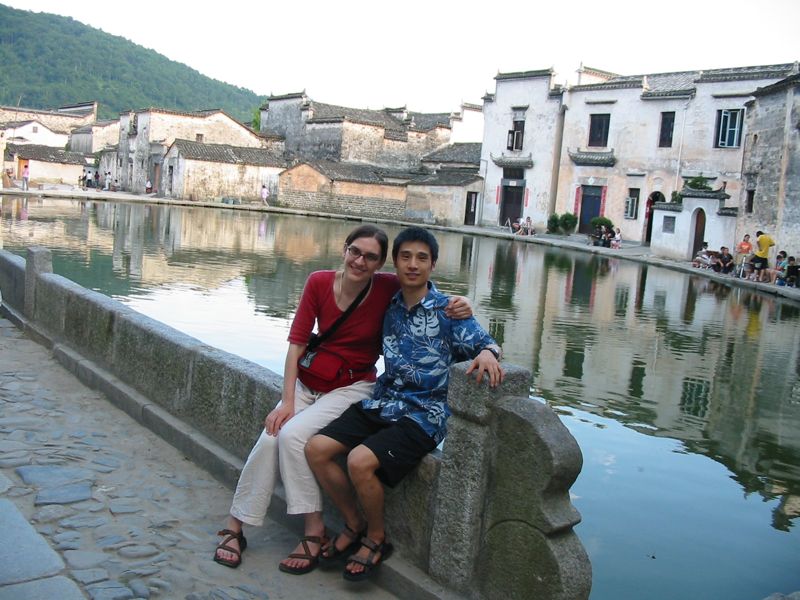
作为05年黄山蜜月行的一部分(我关于蜜月行的文章收录于选集How Does One Dress to Buy Dragonfruit中),我们拜访了黄山山麓的几个徽式村镇。瞧,我们在宏村的倒影池前摆pose。

2006

IMG_2698

不顾低温,我们在06年2月拜访了芝加哥的朋友并顺便逛了逛密歇根湖。有了我的至爱做贴身暖宝,谁还会担心严寒?

2007

Jocelyn and Jun in the park near Fenshui River.

07年夏我们回到John的故乡,用一场盛大的婚礼(在他家人与朋友的见证下)公开了我们的婚姻。

2008

IMG_4773

接着在08年夏,John和我启程去落基山深处做了最后一次野营旅行。瞧瞧那景色!

2009

IMG_6056

09年我和John返回中国,沉醉在月余的纵贯中国之旅,我们得以饱览此前不曾到访的景点——从西安成都到长沙开封。

2010

IMG_5743-1

2010年俺和John作为迎虎年新春晚会的司仪。多棒的夜晚!

2011

IMG_0537

2011年我们在泰餐馆为John庆生。在我之前,这家伙可没这么重视过自己的生日——但如果他脸上的笑容说明了什么的话,他喜欢这一转变!

2012

IMG_1272

为庆祝2012年的结婚纪念日,我们去欣赏了克里夫兰管弦乐团(Cleveland Orchestra)的古典音乐会。出发前我们在花园合影以记住这一夜。

2013

102_2242

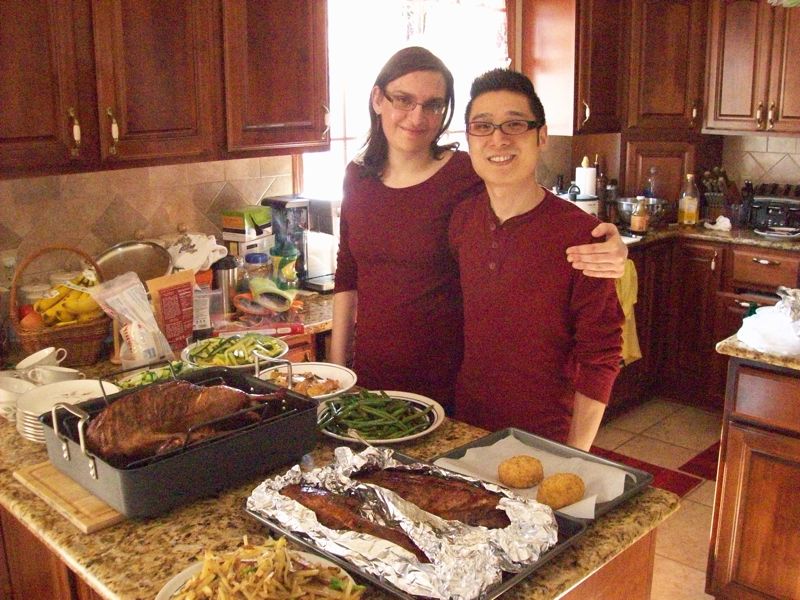
2013年春节,John和我为家人端上了一桌大餐——从烧鹅烤排,蒜蓉姜末芸豆到爆炒土豆丝。我们微笑着,但着实已精疲力竭,因为俺们一整个上午都泡在厨房里!然而,这是值得的。

2014

IMG_2145

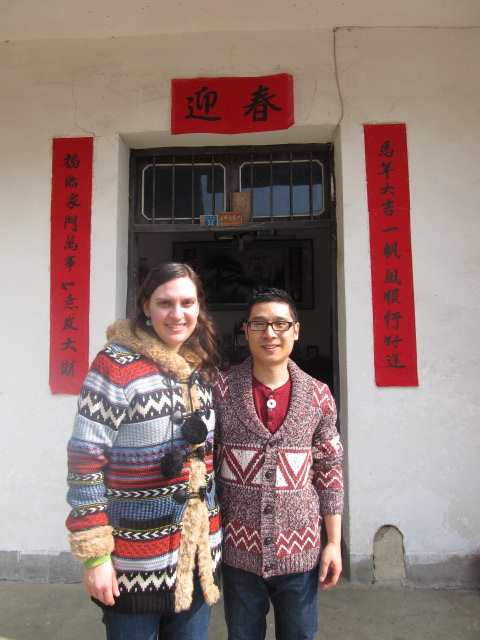
什么也比不上这么多年之后第一次在家庆祝农历新年。2014年,我们与John的家人在我们所爱的国家团聚。

在此,我期待着与我的不可思议先生的另一个不可思议的10年。感谢你所做的一切,John。

爱上一个比自己矮的中国男:3英寸

作者:Jocelyn Eikenburg  译者:远

(翻译自《Three Inches of Separation: On Loving a Shorter Chinese Man》)

我和我老公差3英寸。也就是说,就差3英寸我们就一般高了——因为我是5英尺7英寸(约170cm,译者注)而他是5英尺4英寸(约163cm,译者注)。

几星期前,当我为他量身高时,5英尺4英寸可不是我预计的结果。那天我碰巧在找卷尺来量烤箱,好为我们在过去的这个星期四的感恩节火鸡做准备。然后老公要求道:“帮我量量身高吧。”

他挺胸抬头立正,正如多年前在宝贵的大学新生军训周中人民解放军教他的那样。从头到脚,当卷尺伸开时, 我突然意识到5英尺5英寸(约165cm,译者注)那个我让他填到驾照上的数字,事实上,超高了1英寸。

几年前,我可无法想象哪怕1英寸的高度差——更别说3英寸了——在我和我的爱人间。

在我和John连续数周卿卿我我之时,我们总是坐而相见,这让我产生了高度幻想——他和我一般高。但是,当有个周六我请他吃午饭,他从椅子上站起来时,我的身高幻想就交换成另一个了——对一个矮小国男的高大梦想。

我已经粉碎了许多和中国男人恋爱的成见:太娘、不帅或不性感。每一次和“好汉”之子摄魂动魄的接吻与拥抱都使我发现这些陈词滥调在中国男人的激情、力量与美面前是如此无力。但是现在,我遇上了终极难题,而我并不知道解决的办法。毕竟,我从未给另一半框定种族或民族,但或多或少,我承诺过自己,即使他不比我高,也得和我一般高。

对煞费苦心为我和John牵线搭桥的好友Caroline来说,答案是显而易见的。“他或许不高,但是他很英俊。”乌龙棕的眸子和英挺的鼻子,这倒是不假。接着,她眉毛一昂咧嘴一笑,说出了另一个超越外貌的理由。“我想他会成为一个好老公的。”

起初,我并不知道如何是好。于是,有好些日子,我只是倾听他和他的故事。关于他是如何想成为一名心理学家并开设一座“人文关怀中心”来为他人疗伤的。关于他是如何挑战他老家石料厂的,因为此厂给当地环境带来日益严重的危害以及无休无止令人不得安宁的噪音。从卡尔·荣格(Carl Jung,分析心理学的创始人,译者注)到艾里希·佛洛姆(Erich Fromm,20世纪初的精神分析学家,译者注),他深深地爱着自然与心理学。除此之外,他发狂地爱着我,爱着我的不完美以及我的一切。于是,伴随着每一段旅程,每一个启示,他愈发高大起来——在思想上,在人格上——比我所见的任何男人都更高大。

于是,我不再关注他的身高海拔,转而拥抱他的人格魅力。终于,在2004年,我嫁给了他。

“我是五四青年!”——一个关于五四运动的玩笑,但这或许就是John看待5英尺4英寸与其他人不同的原因。 当时的青年奋起抗议民国政府的软弱——在中国,这被称为“五四运动”。尽管John不曾是那些激愤的年轻人中的一员,但正是他的出现说明了一点——中国男人的伟大并不用英寸丈量。

你是否也曾爱上一个“不达标”的人?那你是如何克服它的呢?

5 Awkward Things for a Longtime Married Couple in China with No Kids

DSCF0777

I’ve got a secret to share with you.

Remember how a couple of weeks ago I mentioned John and I just celebrated our 10th marriage anniversary? And remember how we subsequently met with our friends at a nice Hangzhou restaurant on said anniversary?

Our friends who dined with us that evening had no idea it was our 10th anniversary. (We actually told them it was a dinner to celebrate my birthday – which was true, in part.)

It’s crazy, I know. And you might be wondering, Why would they hide such an important anniversary from their friends in China?

Because in China, it’s incredibly awkward to be married for 10 years and not have any kids. So awkward, that my husband just doesn’t want to mention it to his friends or even talk about it with people we know (like a friend’s mom we walked through the park with the other night). It’s funny how something that made me feel so proud could actually make me feel embarrassed at the same time.

For those of you wondering what that awkwardness is like, here are 5 things that reflect the challenges of being a married couple of 10 years in China with no children:

1. You will need a coping mechanism for the many times people ask you, “Why don’t you have children?”

In the US where I grew up, this sort of question is mostly off-limits (unless you have one of those really nosy relatives who doesn’t know the meaning of the term “off-limits”). In China, it’s par for the course. After all, this is a country where “Are you married?” and “Do you have children?” are a Chinese equivalent of asking “Are you well?” – ways to show your care and concern for someone else.

Well, believe me, when people find out we’re married but have zero children, they look INCREDIBLY concerned.

This is a culture that believes marriage and children are as inseparable as Beijing duck and those tasty little pancakes – you just cannot have one without the other. Chalk it up to Confucian values, particularly filial piety. In fact, of the three unfilial actions, the worst of all is never having kids (which are the next generation to care for the elders and worship the ancestors).

When I hear this question – “Why don’t you have children?” — the flippant side of me desperately wants to say, “Mind your own business!” But that doesn’t go over too well with most people, as you can imagine.

Sometimes I just say, “Because we don’t.” Sometimes I tell people, “Because we can’t,” and leave it up to them to figure out what that means. Sometimes I just change the subject. But more often, if my husband is with me, I just leave the answering to him!

IMG_2151
Me and my mother-in-law.

 2. You will need to find your inner courage whenever your mother-in-law suggests you’re an “old maid”.

I love my mother-in-law to pieces, but whenever we return back to the family home after a long hiatus, she immediately brings up having kids and then tells me I’m “too old”. After all, we’ve been married for a decade and I’m over 30 (30 is the official “expiration date” in China for having kids).

I know what you’re thinking, it’s just her opinion and it’s just a bunch of words. But things like that have a way of wiggling into your subconscious and tugging on your insecurities. Before you know it, you’re wondering, “Am I too old?” Or worse, you follow this whole train of thought to its depressing end – often something involving you curled up on your bed crying away a perfectly good afternoon.

It takes a LOT of courage to fight through these awkward moments and find your inner confidence. I still don’t have a magic bullet to deal with suggestions that I’m too old. What I have found, though, is that moments of just being present – taking a walk through the park, or focusing on my breathing – can help me feel more comfortable with where I am right at this moment.

IMG_2173

 3. You will dread going home for holidays like Chinese New Year, when all of your husband’s peers from school come over to visit – with their school-age children.

Unlike us, my husband’s peers jumped on the baby bandwagon almost immediately into their marriages (including a friend whose wife was famously pregnant and showing at their wedding – a bridal bump I had the chance to witness with my own eyes).

So whenever Chinese New Year comes around, they come around to visit as well – with, well, their young and even school-age kids.

Actually, for the most part, his friends and peers don’t give us pressure. It’s their parents that do – parents who will compare us to John’s peers and then pelt us with all sorts of uncomfortable questions or comments (usually of the “Why don’t you have children” or “You’re too old” variety) when they notice we have no little ones in tow. The whole situation completely strips all of that sepia-toned nostalgia from the idea of “home for the holidays”.

We were able to dodge a lot of these questions this year, because most people were just glad to see us back in China. But next year? I don’t really know what’s going to happen. Deep down a part of me is secretly saying, “Help!”

12222324205_7aaa3fc67b_z

 4. You’ll feel isolated from your friends with kids – and instead gravitate to friendships with other people who “don’t belong”.

Don’t get me wrong, we love our friends with kids. But sometimes being around them can feel a little uncomfortable, particularly when they – with well intentions – bring up the topic of us having kids. Sometimes we feel like we don’t entirely belong to the same club, if you know what I mean. So of course, we inevitably gravitate to our other friends who feel as if they “don’t belong” in Chinese society.

In particular, one of our best friends in China is Caroline, who happens to be what people call a “leftover woman.” “Leftover women” and “leftover men” describe people of a certain age in China (over 27 for women, 30 for men) who haven’t married yet. They also feel as out of step with China’s society as we do, because it’s just not normal in China for adults to be single.

We’ve always loved Caroline, our mutual friend who introduced the two of us years ago. But maybe we feel even closer to her because she’s like the ultimate safe space where we can vent about the awkwardness of our situations – hers not being married, ours being childless.

I feel like I’ve come to understand Caroline’s pain every time someone else pelts her with that unwelcome question: “Why aren’t you married yet?” She’s even shared with us some of her less-than-pleasant encounters with the question, encounters that make her angry and frustrated, and I feel her. Because to me, the question isn’t all that different from “Why don’t you have kids yet?” It’s a question that also singles you out, that divides you from the world, that reminds you of something you lack or something that perhaps you even desire but cannot have.

The other night, she told John and me about this one ridiculous girl she used to work with (“ridiculous” was her description) who kept interrogating Caroline about things that could easily have been ripped from a list of the “10 most cringeworthy questions in China”: Why aren’t you married? Why don’t you own an apartment? Why don’t you have a car?

“What do you want to hear from me?” Caroline said to this girl (surely in a voice that was getting dangerously close to angry). “That I’m unable to find someone? That I have no money?” Somehow, just hearing about Caroline’s courageous, “take no crap” response to this girl made the three of us erupt in a cathartic burst of laughter. In these moments, we always feel a little less alone and isolated.

 5. “Being married for 10 years with no kids and living in China” will become one of the scariest things you write about.

For the longest time, I never wanted to go public with this topic. It scares me because it’s such a personal thing – and one that weighs on me on a regular basis (for many of the reasons I mentioned above). Why put it out there and risk having more people tell me either 1) You’re too old for kids or 2) What’s wrong with you?

But one of the things I’ve learned from my husband is the importance of self-acceptance. This is who I am – a woman who has been married to her Chinese husband for 10 years, lives in China, and has no children. Will I be like this forever? Honestly, I really don’t know for a lot of reasons I can’t share on this blog. But regardless, I must face my reality and embrace it – in all of its awkwardness. And for the moment, maybe that’s enough.

IMG_2426
This is who I am, red-starred hat and all!

What do you think?

语言与相爱

DSCF0747

作者:Jocelyn Eikenburg  译者:远

(翻译自《The Relationship Between Language and Falling in Love》)

两星期前在北京的一次晚餐上,同为洋媳妇和博主的Melanie Gao提了一个有趣的问题。“用哪种语言时你和中国老公的关系更好?”

我说不准,因为John和我总是在汉语和英语间切换,仿佛两种语言一起构成了我们的“夫妻话”。“嗯,我不知道。汉语和英语,两者很难选。或许因为John在美国的博士课程,最近英语略占上风。”

但我可猜不到Melanie的答案。“我和我老公用日语更好。”日语?如果John在场,他和他残存的反日情结可要躺枪了。“我猜因为日语对两人都是外语,所以我们必须很努力地理解彼此。”

然而,我记得读过Melanie是怎么和他老公在日本千叶相遇的,当时他们都是留学生,她通过日语了解他。于是我想到了另一种解释。“或许因为日语是你们相爱时的语言。”

以何种语言恋爱真的很重要吗?晚饭后,当我回忆起自己在中国的爱情经历时,这个问题依然纠缠着我。

我和第一任中国男友的恋爱完全是用英语进行的,当时蹒跚学步的小孩儿都比我汉语说得溜。 在他去英国留学后,我才开始学习中文——在他面前咿呀学语总让我尴尬不已。鉴于他曾经警告我不要为了他而学习中文,摆脱英文对我们来说简直毫无可能。

即使在Frank,我的第二任中国男友,已经在周末跟我学了高级英语之后,每当我试图与他用英语交流,他都会尴尬地红着脸,笑而不语。于是,我们的相识,相恋到最终相互误解,完全是用汉语。

但和John,我未来的中国老公,事情改变了。有些日子,我们会完全用英语生活,试着将美国俚语“肉麻的,矫情的”来描述一些网站糟糕的图样设计。还有些日子,当John教我中文新词或帮我翻译短语时,我们会一起大笑起来。现如今,我们已经能够开心地“聊聊天”了。

如果Melanie在美国或中国遇见她未来的丈夫,英语或汉语甚至双语或许能使他们的关系更好。然而,他们选择了日语——在我看来,这使得故事更加有趣了。

对于那些经历过或正在经历跨文化恋爱的读者:哪种语言使你们的关系更美妙?为什么?

How to have an incredibly imperfect 10th wedding anniversary in Hangzhou (just like us)

IMG_20140726_205043

When you’re getting ready to remember 10 years together with the person you love most in the world, you want it all to be as perfect as that diamond wedding ring. After all, isn’t 10 years of marriage called the “diamond anniversary”?

But the reality doesn’t always sparkle like that most coveted of all jewels, just as John and I discovered this past Saturday when we set out to celebrate our 10th anniversary together. Here’s how our day ended up losing some of its luster:

1. Celebrate it right smack in the middle of the hottest days of summer.

Notice the sweat gleaming on my face and neck? Welcome to Hangzhou in the summer!

Our marriage anniversary is July 26, only three days after July 23 (also known as by the Chinese as dàshǔ or 大署, the “Greater Heat”). At this time of the year, the entire city feels like one huge sultry public sauna that you can never leave (unless you duck into an air-conditioned store or home).

As soon as John and I left our apartment, the heat and humidity enveloped us like a huge wet rag — and it wasn’t long before my brand-new fuchsia T-shirt was dotted with beads of sweat. Not an auspicious start to our celebration!

2. Arrive at the West Lake just as a huge thunderstorm descends upon the city.

Taking shelter from the storm

After indulging in a little pampering at a local hair salon (a up-do) and a makeup shop (where a pro did my makeup for the day) John whisked me off to the most romantic locale in all of Hangzhou: the West Lake. Our goal? To visit the very bench on Su Causeway where we had our first kiss on July 26 in 2002.

But not long after we reached the scenic shores of the lake, fringed with the rich green patches of lotus plants studded with pale pink flowers, an ominous gray cloud darkened the sky. Thunder soon rumbled right in, followed lightning and a monumental downpour. When I say “monumental downpour”, I mean 90 mm worth of rain (that’s a little over 3.5 inches) in one hour!

We sought shelter just in time in a public teahouse beside the lake, and were trapped there for almost an hour, witnessing nature’s own version of fireworks boom across the lake (I screamed when the lightning hit a nearby tree) as the landscape around us became soaked in rain.

Then, because we needed to hustle to make our 6pm dinner reservation at a hotel, we splashed our way down Beishan Road through the runoff water that burst up from the drains beside the road and cascaded over the sidewalk right into the West Lake. It reminded me of all those times when I was a kid and insisted on going creek-walking — except you don’t usually go creek-walking with your hair and makeup done, all dolled up in your new shirt and long black skirt.

Even worse — the rain revealed leaks in my own umbrella, scattering droplets of rain all over me (including more than a few that conspired to ruin my nice up-do and makeup…thank goodness they didn’t!).

You might wonder, “Why didn’t they just flag down a taxi or take the bus?” Well, as anyone who has ever lived in Hangzhou knows, it’s almost impossible to flag down a taxi on rainy days. Plus, the traffic on Beishan Road was locked in gridlock and plodded along so slow we actually walked faster than the buses themselves!

3. Due to a downpour of seemingly Biblical proportions, walk into the five-star hotel where you’re going to have dinner with at least half of your outfit completely soaked

I know I'm smiling here, but believe me, most of my skirt and all of my shoes are soaking wet!
I know I’m smiling here, but believe me, most of my skirt and all of my shoes are soaking wet!

There’s nothing that says class quite like strolling into the glittering lobby of a five-star hotel looking as if you crawled out of one of the drainage pipes beside the West Lake. The Assistant Manager on duty — a willowy blonde dressed in a perfectly-pressed suit jacket and pencil skirt — stared at us as we hurried across the lobby and up the stairs, and I couldn’t tell whether it was because we were that rare AMWF couple in China or because our shoes left little puddles behind us wherever we walked.

4. Due to same downpour, spend over an hour awaiting the rest of your friends to arrive.

IMG_20140726_194849-001

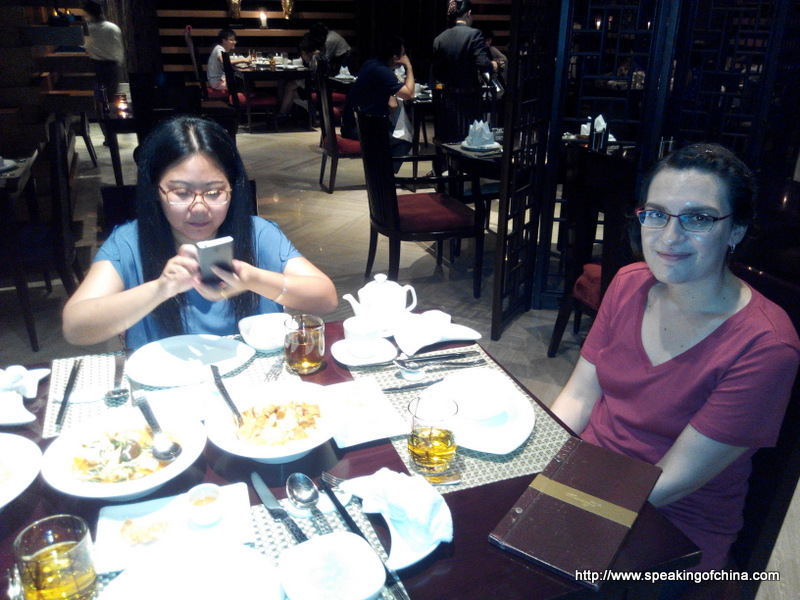
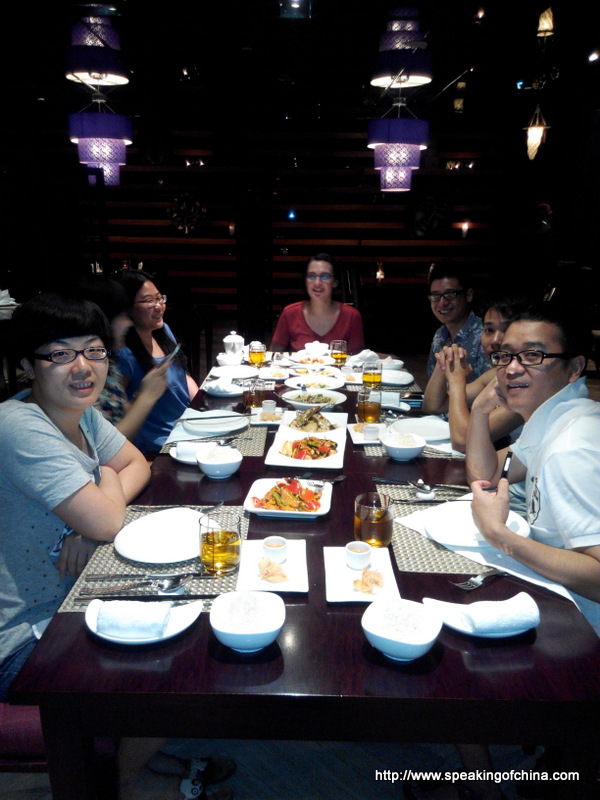
Four of our guests — more than half of our table — took over an hour to make it to the hotel because the downpour brought Hangzhou’s traffic to a screeching halt. This photo (with me putting on a smile while my friend Caroline plays with her mobile phone) pretty much sums up how we spent that hour at a very empty table for seven.

5. Realize it’s the most imperfect anniversary celebration you’ve ever had — and enjoy yourselves regardless.

IMG_20140726_195028

Between the sweltering heat and all of the mayhem caused by a sudden downpour, we had one tumultuous afternoon. No carefree strolling beside the lake, no stolen kisses at our old bench on Su Causeway, no confident entrance into the hotel. Our shoes were still totally wet and squishy. The rain even drenched a classic photo of us that John carried in his wallet.

But we had five of our friends with us, as we dined on some of the most sumptuous Thai dishes I’ve ever sampled in my life in one of the most glamorous restaurants in town. Maybe we didn’t get the perfect day we hoped for — but as I helped myself to another creamy mouthful of green curry vegetables and admired the mahogany-toned wooden accents in the space, I couldn’t help but think that, for the moment, it was just perfect enough.

(P.S.: For those of you curious as to where we had our anniversary dinner, it was at the lovely  Sawasdee Thai Restaurant in Hangzhou — one of my favorite dining spots in the city.)

Have you ever experienced a less-than-perfect celebration?

Photo Essay: Celebrating 10 years of marriage to my husband!

Ten years ago on July 26, my husband and I stood before a government representative in Shanghai, promising to spend the rest of our lives together. It’s hard to believe that 10 years have passed since that moment, yet I love John just as much as the first time I stood before him and said, “Wo yuanyi!” (“I do” in Chinese — and yes, like most of us in China, I did it more than once for reasons explained in this post).

To commemorate those 10 incredible years I’ve enjoyed with the love of my life, a guy who still makes me swoon after all this time together, I’m sharing one of our marriage registration photos from 2004 plus 10 photos of us together (one from each year of our marriage)!

2004

IMG_0012

This photo was taken just moments after we took our vows in a civil ceremony in Shanghai and signed our official little red marriage books. Can’t you just see that newly-registered glow in our faces? (Or maybe it’s the red we both wore that day!) 😉

2005

IMG_2109

As part of our Huangshan Honeymoon in 2005 (which I wrote about in an essay for the new anthology How Does One Dress to Buy Dragonfruit) we visited a couple of traditional Huizhou-style villages in the foothills of Huangshan. Here we pose before a reflecting pool in Hongcun.

2006

IMG_2698

We visited friends in Chicago in February 2006 and ended up strolling beside Lake Michigan, despite the freezing winter temperatures. Who needs to worry about cold weather when you have the love of your life beside you to keep you warm? 😉

2007

Jocelyn and Jun in the park near Fenshui River.

The summer of 2007, we returned to John’s hometown to make our marriage official (in the eyes of his family and friends) with a big Chinese wedding ceremony.

2008

IMG_4773

Late in the summer of 2008, John and I took off for one last camping trip deep in the Rocky Mountains. What views!

2009

IMG_6056

When John and I went to China for the summer of 2009, we indulged in a month-long trip across the country to take in all of the sights we never visited years before — from Xi’an and Chengdu to Changsha and Kaifeng.

2010

IMG_5743-1

John and I welcomed the year of the tiger in 2010 as the emcees of a Chinese New Year celebration. What a night!

2011

IMG_0537

Here we are in 2011 celebrating John’s birthday over Thai curries. John never used to think much of his birthday until I came along — but if the smile on his face is any measure, he loves the change!

2012

IMG_1272

To commemorate our wedding anniversary in 2012, we enjoyed a relaxing evening of classical music performed by the Cleveland Orchestra. But before heading out, we posed before the flower garden to remember the evening.

2013

102_2242

For Chinese New Year in 2013, John and I whipped up a traditional Chinese feast for the family — from roast goose and ribs to ginger-garlic green beans and stir-fried matchstick potatoes. We’re smiling, but there’s exhaustion behind those eyes because we spent the entire morning in the kitchen! Still, it was worth the effort.

2014

IMG_2145

There’s nothing like finally spending Chinese New Year at the family home in China for the first time in years. In 2014, John and I reunited with his family and the country we love.

Here’s to hoping for 10 more incredible years with my incredible man. Thanks for everything, John.

FREE in Beijing! “Leftover Monologues” about love/sex/marriage in China on stage (includes an AMWF story)!

14689681892_390936a981_bAre you in Beijing? Or will you be there on July 26? Would you love to hear a performance of fabulous monologues about love, sex, marriage and relationships in China? One that includes an AMWF love story?

Then you don’t want to miss the “Leftover Monologues”! Here’s the scoop:

Join us for an evening of sparkling entertainment that unites a dozen brazen Chinese (and foreign) in rousing adaptation of the “Vagina Monologues;” a play which provides stirring new insight into the complexities of love, sex, marriage and relationships in China.

We’ll regale you with tales of lost innocence and sexual discovery, embarrassing blind dates orchestrated by bumptious matchmaking mothers, and electrifying, but ill-fated love stories. Candidly, viscerally, and ardently, our performers will convey their battles with duty and desire, passion and practicality, and of course, give you an earful of the triumphs, travails and tribulations of being/fearing/or totally loving – being a leftover.

When? Saturday, July 26th, 7:30PM.

Where? Meridian Space

English address: Building 8, C&C Park, 77 Meishuguan Hou Jie, Dongcheng

Chinese address: 美术馆后街77号77文创园8号楼

Seating is limited to 80 people. Admission is free, but please RSVP to [email protected] so as to ensure a spot!

中国首次大型剩女主题话剧演出“剩下的独白”诚挚地邀请您的光临!

你是否也为爱情痛苦着,你是否也想把和别人讨论你心中那个隐蔽的“性”,你是否也曾被家里人安排的尴尬的相亲折磨着,你是否也在爱情的理想和现实中苦苦挣扎。这些事情吞噬着我们,影响着我们,但从未有人大胆的说出来!

今晚我们召集了一批热血沸腾的中国人和外国人,他们将通过类似“阴道独白“的表现方式讲诉关于中国复杂的爱情, 性,婚姻,和恋爱之间的关系。所有的独白都是发生在那些话剧主人公身上的,或发生在他们身边的那些令人激动人心的鲜活案例。

今晚加入我们,带你走进这些寻常人眼里的爱恨情愁,和我们一起感受这些仍然炙热的青春。

时间:2014年7月26号下午7:30

地点: 时差空间

地址:北京市朝阳区美术馆后街77号77文创园8号楼

现场座位可以容纳80人,免费入场但是需要提前预约

[email protected]

This production is brought to you by the good folks behind Chaoji Shengnü (aka 超级剩女 or “Super Leftover Woman”). If you’ve never heard of Chaoji Shengnü, then you’ve been missing one of the coolest and most ingenious online comics ever penned about love, dating and marriage in China!

Welcome to the official Good Chinese Wife blog tour (July 15 to July 28)

Twenty four bloggers from around the world have come together to kick off the conversation about a fantastic new AMWF memoir, and you’re invited for the ride.

Welcome to the official Good Chinese Wife blog tour, running from July 15 until July 28!

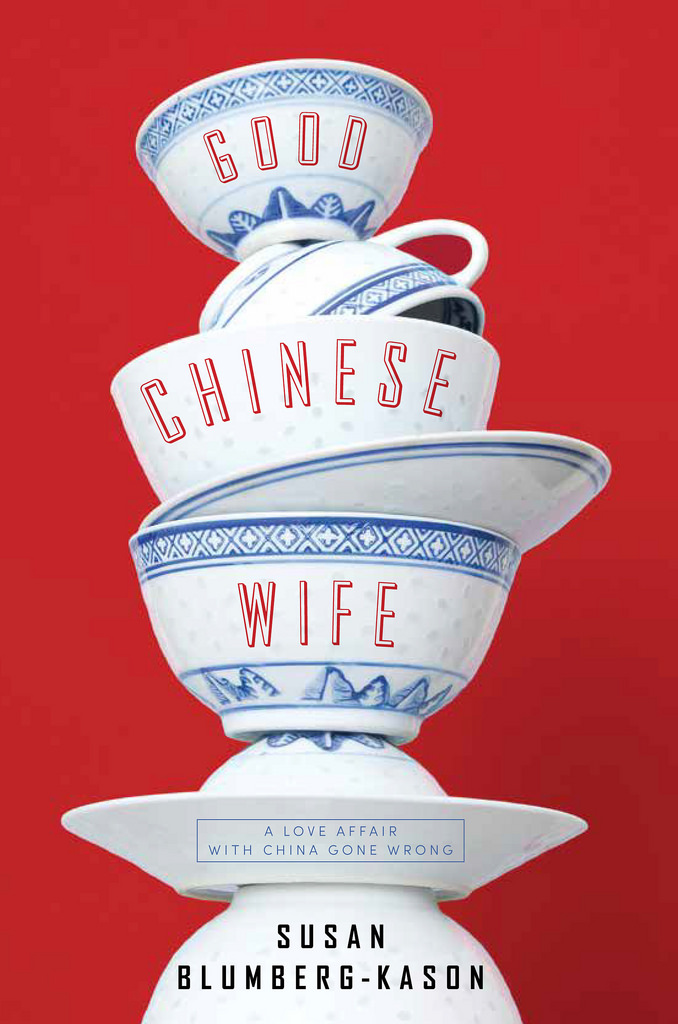
Good Chinese Wife: A Love Affair with China Gone Wrong

Good Chinese Wife: A Love Affair with China Gone Wrong is Susan Blumberg-Kason‘s forthcoming memoir, set to hit the shelves on July 29, 2014. To drum up excitement ahead of the publication date, we’ve brought together an outstanding group of bloggers who are either posting a book review, an interview with Susan, or a guest post from her on a specific date from July 15 to July 28. Visit the blogs scheduled for each day (see below) to get a variety of fresh perspectives on Good Chinese Wife.

Of course, if you’re already intrigued by the title and subtitle of Susan’s memoir, you’ll want to stay tuned.

But how about snagging a FREE COPY of Good Chinese Wife? That’s right, FOUR blogs participating in this tour will also run giveaways! Be sure to stop by the blogs scheduled for the day to find out if you could have a chance to win.

It’s my honor to have Speaking of China officially start the tour on July 15. But I’m equally honored to be in the same company as these 23 accomplished bloggers:

July 16

Karen Ma
Texan in Tokyo

July 17

The Grand Narrative
Living a Dream in China

July 18

My Hong Kong Husband

July 19

Chinese Tools
Tone Deaf in Thailand

July 20

Marta Lives in China
Offbeat Marriage

July 21

Dorcas Cheng-Tozun
Taiwanxifu

July 22

Nicki Chen Writes

July 23

Xiananigans

July 24

Girls Trek Too
Svetlana’s Reads and Views

July 25

The Mandarin Duck
Mapping Words

July 26

East-West Notes
Linda Living in China

July 27

Lost Laowai
Writer. Traveler. Tea Drinker.

July 28

A Kindle in Hong Kong

Let’s give these bloggers a huge virtual round of applause! Their participation and dedication has made the Good Chinese Wife blog tour a reality.

Join me tomorrow right here on Speaking of China for the inaugural post in the Good Chinese Wife tour! And then don’t forget to visit the other bloggers on their scheduled dates to learn all about this amazing new memoir.

中国的乡村,微笑的力量

14163236553_a672f5783f_z

作者:Jocelyn Eikenburg  译者:远

(翻译自《The power of a smile in China’s countryside》)

徒步于浙江山村,驻足欣赏那一垄亮黄的油菜花,这时轻快的嗓音从小湾那边传来, “这些花儿好看吗?”

循声望去,两张陌生的笑脸饱含着善意的好奇,注视着我老公和我。毕竟,在这片土地上不是每天都可以看到“老外”的。

他们眼中的暖意促使我做了一件在中国极不寻常的举动:我朝他们招手并微笑。在这儿,我很少对陌生人这样。

“是的,她们真漂亮,而且很香!” 我用汉语回应道。

很快,大家进入了一段短暂的交谈——关于为啥我们两口子在河湾徒步(找乐子)以及他们在做啥(在地里种庄稼)。即使那真的只是一小段谈话,当我们离开并踏上归途时,我依然感觉仿佛交到了一对新朋友。而这种情景并不是第一次发生。

无论何时我们路过她家,那位山里的女人总会邀我们共进晚餐或小谈片刻。当环山骑行而下时,那个托着一碗竹笋米饭“晾”在屋外的男人也总是要请我们晚饭。地里摘樱桃的农夫总是突然将那满满一筐的珠红玉润推到我面前,坚持我一定得捎点儿回家——如果拿的分量不足,他甚至会抓一把塞到我手里。“歇夜啦?” 当我老公用方言问候当地人时,他们也总会朝他绽出不期而至的笑脸。

在丈夫浙江山村家的徒步穿行居然一次次打开意料外的柴门与心扉,这真令人惊喜。 这片土地上明媚的善意宛如太阳的光辉,给了我们一身的金色。或许是因为丈夫总是称这片大山为家——无论何时他操起那一口方言,他抓住了自己的根。又或许,在这片偏远山区上出现的外国面孔勾起了那些最为羞涩的人小聊片刻的欲望。

但是我知道,在杭州、上海甚至北京那些大都市,我们永无可能得到同等友善的欢迎。住过了中国的大城市,我太了解陌生人之间警惕的距离了——你绝不可能招手示好或者问,“忙啥呢?” 这是一个扶起失足老太就有可能自讨官司的世界,也是一个任何接近的陌生人都被推定为“骗子”甚至“小偷”的国度。

所以,在我搬去老公家乡前,自然以为这种冷酷法则同样适用于那片乡村……看来我错得离谱。

从在美国时羞赧的蔷薇到可以用笑容融化所有人的自信的“交际花”,甚至那个街头“面目狰狞”的老爷爷也变得柔软起来,我目睹了丈夫的转变。在经历了所有那些美国的困苦之后,他仍能以愉快的乐观迎接镇里的每一个人,这令人,尤其令我,为之动容。

丈夫提醒我,无论遭遇了怎样的苦难,生活总还是容得下一个微笑,一个点头和一小段交谈的。有时,这些会成为那些孤独与忧伤日子里的最好良方,它们仿佛能治愈世上所有的疯狂、不公与不合情理。就像停下来欣赏那一垄亮黄的油菜花——让我们去体悟那已然环绕我们却被遗忘在日常琐碎中的爱与美吧。

终有一天,我和John会离开这片父辈的土地奔向前程。然而,我们无疑将始终牵挂这片友善的山野乡村,这里教会我们再一次相信人性的善,相信那一个微笑的力量。