Man Seeks AMWF Couples in Beijing in Research for TEDx Speech

Wang Jia, an avid supporter of the AMWF community with a special project of his own, asked me to pass this on:

Wang Jia is married to a German lady and lives in Holland. He is interested in AMWF relationships. And he wants to make a wider impact through a TEDx speech on this topic. Originally from Beijing, he has spent last 14 years in Europe.

He would love to get in touch with anyone who has been in AMWF relationships or with a good understanding of cross-cultural/racial relationships. He is going to visit Beijing for a short holiday in September (likely 9th – 23rd) and possibly a chance to discuss f2f with anyone in Beijing.

Some of the questions he is still collecting information:
– There can be quite some differences between Western cultures, what’s the impact on AMWF?
– Any reliable statistics from Europe or China/Asia on AMWF vs AWWM?
– What’s the best advice for those who would like to form AMWF relationships but struggle a lot?

Email: [email protected] (you can use English, Chinese or German)

If you’re in Beijing and interested in talking with Wang Jia about AMWF relationships, contact him via e-mail.

No Eddie Huang, Empowering Asian Men Shouldn’t Involve Misogyny

Eddie Huang
Eddie Huang (Photo by May S. Young)

For some people, it’s hard to believe that I’m a feminist and happen to have a Chinese husband. As if the two could never possibly go together.

But in my life, they fit perfectly. And why not? My husband, who was born and raised in rural Hangzhou, is just as much of a feminist as I am. (Yeah, I know that’s probably something else you’d never imagine – but it’s true.)

I also feel that being a feminist, being someone who cares about social justice and women’s rights, has also made me more sensitive to the challenges Asian men face in the dating world. I’ve never appreciated when women are treated inappropriately or stereotyped as “b****es” simply because we’re standing up for ourselves. And I don’t appreciate the unflattering stereotypes that have short-changed Asian men in the dating world.

When you think about it like this, empowering women and Asian men (and, for that matter, any other oppressed group of people) isn’t mutually exclusive at all. Why can’t we support each other?

That’s the question that flashed through my mind after reading “When Asian Emasculation Meets Misogyny: On Eddie Huang’s Black Feminist Problem” in Racefiles.com a few weeks back:

Cut to: the rise of celebrity chef and memoirist Eddie Huang, whose swagger, wit, and taste for controversy has made him one of Asian America’s most visible figures. The unofficial leader and visionary of the “movement of big dick Asians,” Huang’s persona has resonated with Asian Americans tired of being an “invisible” minority, and especially with Asian American men seeking to reclaim and reassert their own masculinity. But when reclaimed masculinity comes in such normative, ultra-hetero packaging, are we doing more harm than help?

Here’s the incident that started it all (as explained on Storify.com):

While answering a question about why he relates to hip hop and rap music, Huang says: “I feel like Asian men have been emasculated so much in America that we’re basically treated like Black women.” (No joke, direct quote!)

Which lead to a whole Twitter conversation between Eddie Huang and a number of prominent Black feminists (where he ended up calling them “bums”). Yes, “bums”.

I know Asian men have been kicked around in the dating world for a very long time, as the Racefiles.com article acknowledges:

The racial emasculation of Asian men in the American imagination is real, it is pervasive, and it is historically-rooted (dating back at least to the 19th century when Chinese migrant men took on “feminized” labor roles in the laundry industry). From pop culture to playground taunts, I doubt that any Asian American man can fully escape the psychological implications of this socialization in undesirability. For me, it remains a personal trope that requires constant unlearning, lest creeping doubts begin to resurface to cloud the way I see myself and my role in romantic and sexual relationships. I speak from personal experience when I say that it has real material and psychological impacts.

But it should NEVER be an excuse to demean other groups of people for the sake of your own benefit. As the article on Racefiles.com notes:

…Huang’s response is indicative of the fact that his philosophy of manhood is grounded in sexism, and leverages anti-blackness as a tool for subverting anti-Asian stereotypes.

Why should uplifting Asian men come at the expense of others – women, and especially, women of color? That in order to compensate for the relentless mockery and degrading stereotypes about Asian men as being dickless, sexless and the like, women (and particularly, women of color) should be oppressed in turn?

It’s chilling to think that someone actually decided this was a good idea.

In my world, masculinity doesn’t come from swinging your privates around until you hit someone (or a group of someones) or how many women you hook up with this weekend. And for that matter, being a real man is more than just about sex or sexuality. I love this definition that Jenn Fang of Reappropriate.co wrote about in this article:

We must work to redefine our community’s entire concept of masculinity so that it reflects important character traits – self-assurance, honour, integrity, intelligence and respect; traits that I believe many Asian American men already possess in spades; traits that I believe truly define manhood.

Amen to that.

What are your thoughts on this issue? Sound off in the comments!

P.S.: There’s also a thoughtful piece in The Jakarta Post titled “The Alpha-Asian Fallacy” that’s worth a read.

The Courage to Blog Personally About Love, Family and Marriage in China

IMG_2145

A few months back, I received an e-mail from a reader, who told me this:

I love to tell stories, too, but have so far limited myself to sharing them verbally so that I can measure the responses of the other person. I think what you’ve done takes quite a bit of bravery, and I hope one day I’ll be able to write some of my stories, too.

My first thought was, Me, brave? I thought about how I run this blog from my bed, tapping out stories on my laptop and responding to comments while in my pajamas or a comfy T-shirt. It sure doesn’t look like bravery at first glance. And sometimes, I’m convinced it looks kind of silly. (Seriously, you should see some of my “office” getups while I’m doing this blog.)

But as I pondered her words, I once again remembered how right she was. Yes, there’s courage in writing something incredibly personal about your marriage to a Chinese man, about living with him in China (and, before, America), and what it’s like to be a part of his family.

If there’s anyone who knows how scary it is to put yourself out there, it’s me. After all, there was a time in my blogging history when I quit big time. Yes, you read that right – I quit my blog. There was a time when I lost the confidence to write, and couldn’t find the courage in myself to overcome it.

Here’s a big secret for you – when I pressed that publish button on Speaking of China over six years ago, it wasn’t the first time. I actually started blogging on speakingofchina.com in 2002. I didn’t really know what I was doing as a blogger at the time (it was a pretty new thing back then). But I enjoyed posting my writing online, which was more like random journal entries about whatever was going on in my life in China. And some people actually read it – not a ton, but enough to make me care about it. I kept blogging for a few years into late 2005, when my husband and I had a major life change. We moved to the US together to pursue our dreams.

That’s when my blog completely tanked.

The stress of transitioning back into America, along with helping my husband through it, weighed upon my harder than I ever imagined. Well, one of the things nobody ever tells you about blogging is that it takes energy to be courageous, to write and publish your writing publicly. And because all of my energy was sucked away into this extraordinary life transition, I stopped blogging.

It wasn’t really a conscious decision I made. It was just that as the days, weeks and later months passed, I couldn’t think of a single thing to write that was actually worth sharing. And the longer my blog remained without a single update, I experienced an even more painful feeling – shame. I was ashamed that, for everything I had done to build up my blog in China, I was throwing it away because I lacked the energy and chutzpah to continue writing.

Guess what? It takes enormous courage to overcome feelings of shame about yourself. And I didn’t have that courage. Not yet.

So I quit. There was no fanfare, no big announcement, nothing. I just stopped posting on my blog and desperately tried to forget that I had even bothered in the first place.

As if that was possible.

As 2006, 2007 and 2008 passed, I watched my blogging peers in China – people who had started their blogs in China the same time as I had – make their mark in the blogosphere. A prickly feeling of shame gripped me whenever I encountered their names or posts online. I wondered, Could that have been me – if only I have summoned the courage to fight through my confidence issues and just keep blogging? And in the worst moments, I just felt utter despair – that I’d had my chance and wasted it by abandoning my blog.

It wasn’t until 2009 that the idea of blogging about something I truly loved occurred to me. I had just founded a writer’s group in town and gave a few talks to the members about the value of having a blog. At the same time, I was laboring on the first drafts of what would eventually turn into a manuscript for a memoir (one I’m editing as I write this). It was ironic that I lectured my fellow writers on starting up a blog when I had quit doing the one blog that I had always been my first passion.

Then in May 2009, inspiration arrived in my e-mail inbox from a most unlikely source – Rachel DeWoskin. (Or rather, Rachel DeWoskin’s publicist.)

Did I mention I’ve been one of her biggest fans over the years? Big enough to gush over her memoir Foreign Babes in Beijing in my business blog. (A blog that almost nobody was reading.) Well, because I happened to blog about her book, her publisher found me and invited me to review Rachel’s new novel, Repeat After Me.

Me? Really?

Well, that e-mail hit me with all of the power of a huge adrenaline shot – and sparked a host of crazy thoughts that I had hidden deep within myself a long time ago. Like, Could I start up Speaking of China again, in a different version? Could blogging help me build a career as a writer? Did I have the courage to finally do this? I had no idea and yet, I didn’t care anymore. My passion had such a momentum at that point that I couldn’t even slow down to consider all of the “what ifs” – and it was so unstoppable that it demolished those walls of shame, fear and discouragement that had held me back for years.

On May 18, 2009, I pressed the “publish” button for the first time on my revamped version of Speaking of China (that date has since become my blog’s anniversary or “blog-iversary”).

Of course, it’s one thing to find the courage to restart your blog, and another thing completely to be courageous enough to keep doing it. As any blogger knows, one of the greatest disappointments comes when you start out and you’re scraping to get anyone to read it. In my first few months, I was lucky to break 100 visits in a day!

It takes a toll. You wonder, what’s the point? Why I should I put myself out there when nobody’s bothering to read it? In my worst moments, I could feel those old feelings of shame and unworthiness creeping back into my mind, telling me I was no good, wondering why I was even trying. And, of course, kicking myself for quitting all those years before.

Miraculously, I didn’t quit. I kept posting, writing and believing in this new blog. So I made it through to late August 2009, which is when I ended up writing about the rarity of Chinese men and Western men in China. It was a big leap for me to tackle such a personal topic, and honestly, I felt pretty nervous about pressing the button on this one. It took some courage to push through it all.

I just never expected that post would go viral.

I also never expected that once the post went viral, the avalanche of comments that flooded my blog would make me so anxious. Like any blogger, I worried about what they were saying (or going to say) about me. A lot. And it took courage to just tell myself, It’s okay, you can keep blogging.

The anxiety didn’t end there. If anything, it got even worse once I committed myself even further to blogging (especially when I spent nearly five months publishing blog posts five days a week). Can you imagine what it’s like to wake up in the middle of the night almost five nights a week, struck with terror over what you’re about to publish on your blog? Or compulsively editing a scheduled post in the early morning hours because you’re afraid of what people will say about it? That it’s too personal or too revealing or the kind of thing people are going to laugh at you for?

Nobody ever told me that blogging would feel scary at times – that it would take courage to overcome all of those scary feelings.

Sometimes, I didn’t even have the courage – and that meant turning to my husband to help me through some of my darkest moments as a blogger and writer. I think pretty much every writer struggles with feelings of inadequacy. But when you’re posting your writing online without an editor behind you or any of the usual endorsements, it’s tough. You wonder, am I good enough? I swear there were times when I was powered by nothing more than hugs from my husband John, whose unswerving belief in me and my blog made all the difference.

Now that I’ve been doing this for over six years, you might think, Oh, well, now she doesn’t worry about any of that.

Yeah, right!

I still obsess about what people think about my writing. It’s not uncommon for me to feel nervous about what I’m posting. And there still are days when I wonder if I really am good enough. (Or worse, when I wonder if my best blogging days are over!)

I still have to rally that inner courage to continue writing, blogging and connecting with people out there.

In fact, I’m rallying it now as I write this post. It’s frightening to admit that I quit blogging, that my journey to the present was messy and incredibly imperfect and involved a lot of personal (and psychological) healing on my part.

So, yes, I may wear silly pajamas and T-shirts, and curl up on my bed, which has long been my unofficial office. Yet by simply letting my fingers dance across the keyboard in an effort to share an experience in my marriage to John or with his family, I’ve realized it really is an act of bravery. (Granted, an act of bravery in incredibly casual attire, but bravery all the same.)

And to the person who wrote me that e-mail, I hope that one day you too will find your own courage to share your stories with the world. I’ll be rooting for you.

Photo Essay: I’m Going to Be on CCTV (China Central Television)!

mmexport1433086245275I still can’t believe I’m writing these words — I’m going to be on CCTV (that’s China Central Television)! Specifically, the CCTV English language show called “Crossover” (it’s a cross-cultural talk show — our episode is titled “foreign wives in China”) which will air sometime in August or September of this year. (I’ll let you know when.)

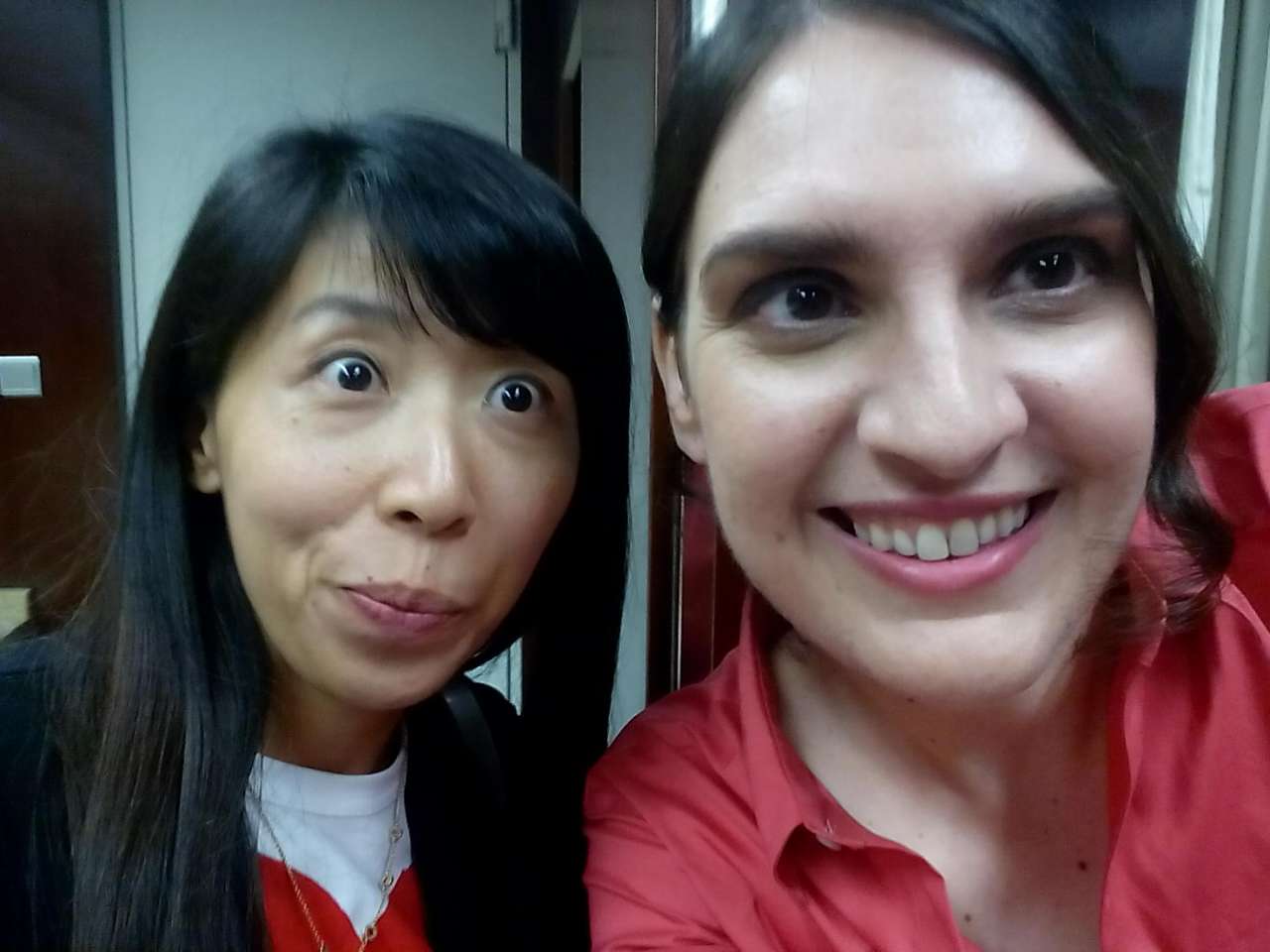
Back in March, Zhou Lei (the show’s director) introduced herself to me after my appearance at the Beijing Bookworm Literary Festival. She told me she was a fan of my blog and asked if I might be interested in being on CCTV.

Zhou Lei and me.
Zhou Lei and me.

Wow.

Having spent so many years in China, I know CCTV — and have loved many of their shows. Plus, it’s CCTV! The thought of being on China’s biggest and most important television network sent waves of excitement through my body. So I didn’t hesitate — I said, “Yes, I’d love to!”

In May, I took part in a pre-interview session via Skype with Zhou Lei and Eyee Hsu, the co-host of “Crossover”. Later that week, Zhou Lei sent me an e-mail officially inviting me to Beijing to film a show on May 27 — and offering to cover my travel and hotel costs. (Double wow!) Who could say no to that?

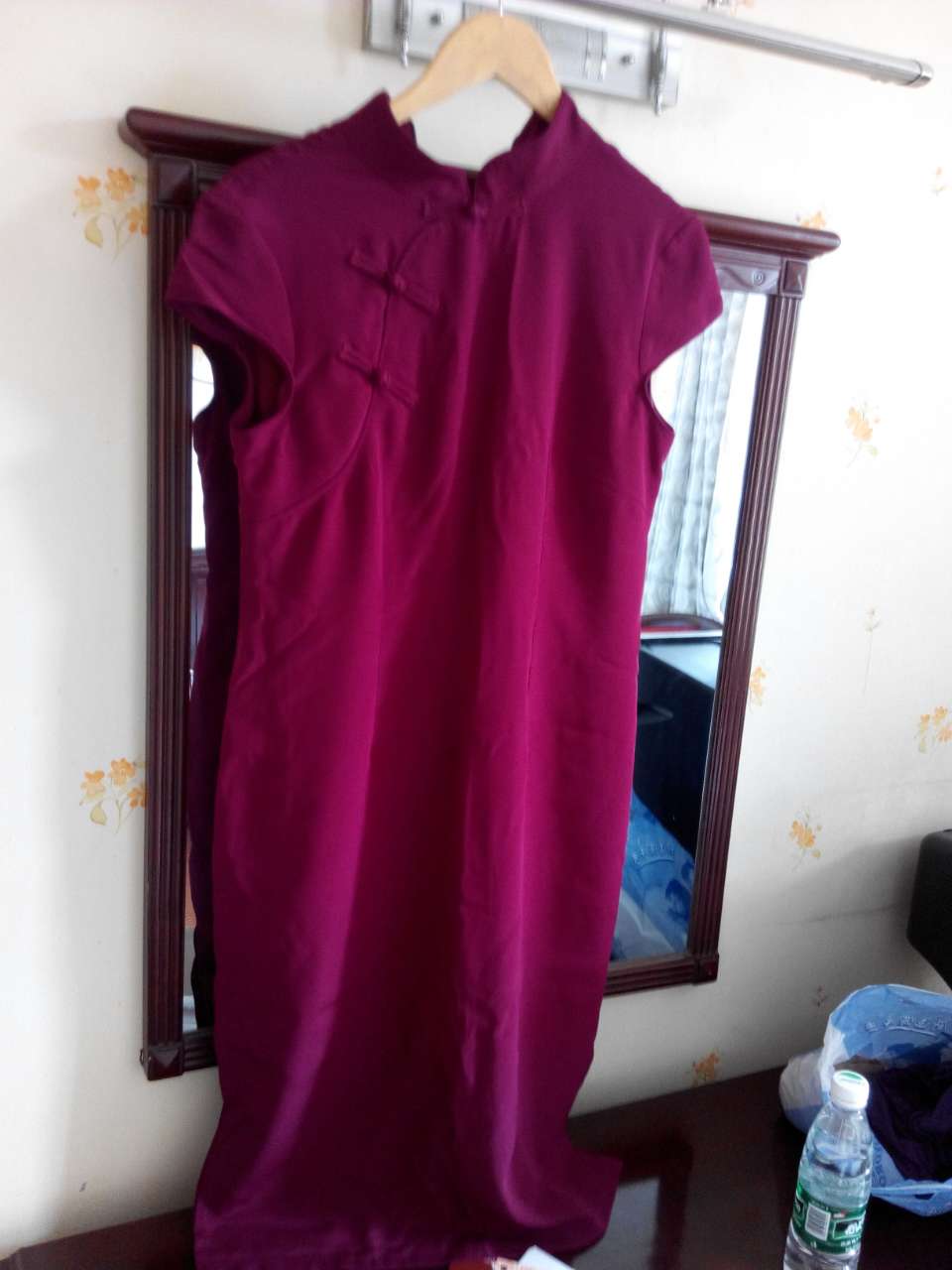
With the invitation in hand, I started thinking about one of the most basic questions — what to wear? Since I didn’t have anything good for TV (and I live in a country where my size, while typical in America, is impossible to buy) I decided to find a tailor who could create the perfect dress for me. With the help of my one of my husband’s close college friends, we discovered this brilliant tailor in the Hangzhou area — she created this lovely little qipao that I dubbed “the magic dress”! I gasped the moment I first laid eyes on it — I just knew it would give me extra confidence in front of the cameras.

The perfect dress!
The perfect dress!

Zhou Lei also sent me an outline about a week ahead of taping the show. That’s when I discovered I would be sharing the spotlight with two incredibly talented young foreign women with Chinese husbands — Jess Meider (an amazing musician, performer, composer and teacher who has made her mark in Beijing as an outstanding jazz vocalist and singer-songwriter) and Marie Smurthwaite (a talented performer and member of a girl group called “5 Spice”). Even better, we were able to connect on WeChat before the program, so I got the chance to know them a little before going on stage.

I was thrilled to be on stage with two talented young women with Chinese husbands -- Jess Meider (left) and Marie Smurthwaite.
I was thrilled to be on stage with two talented young women with Chinese husbands — Jess Meider (left) and Marie Smurthwaite.

Finally, this past Tuesday, I boarded an Air China flight bound for Beijing — feeling thrilled and a little nervous at the same time! (It was my first time on TV, can you blame me?)

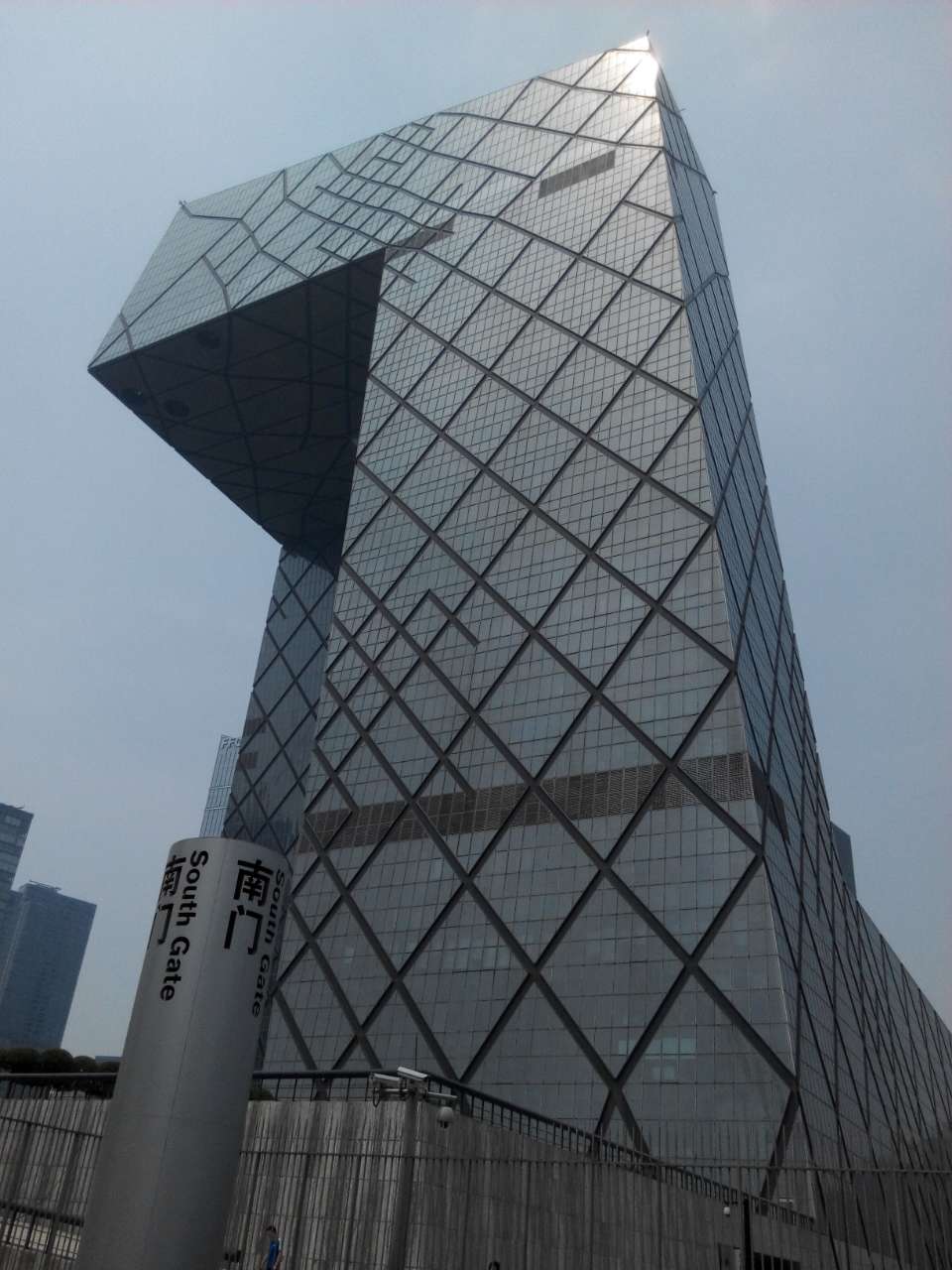
I arrived in Beijing Tuesday afternoon and it was dark by the time I emerged from the subway station closest to my hotel. When I walked out, the CCTV Headquarters stretched across the sky, shining like a promise of great things to come.

154510242

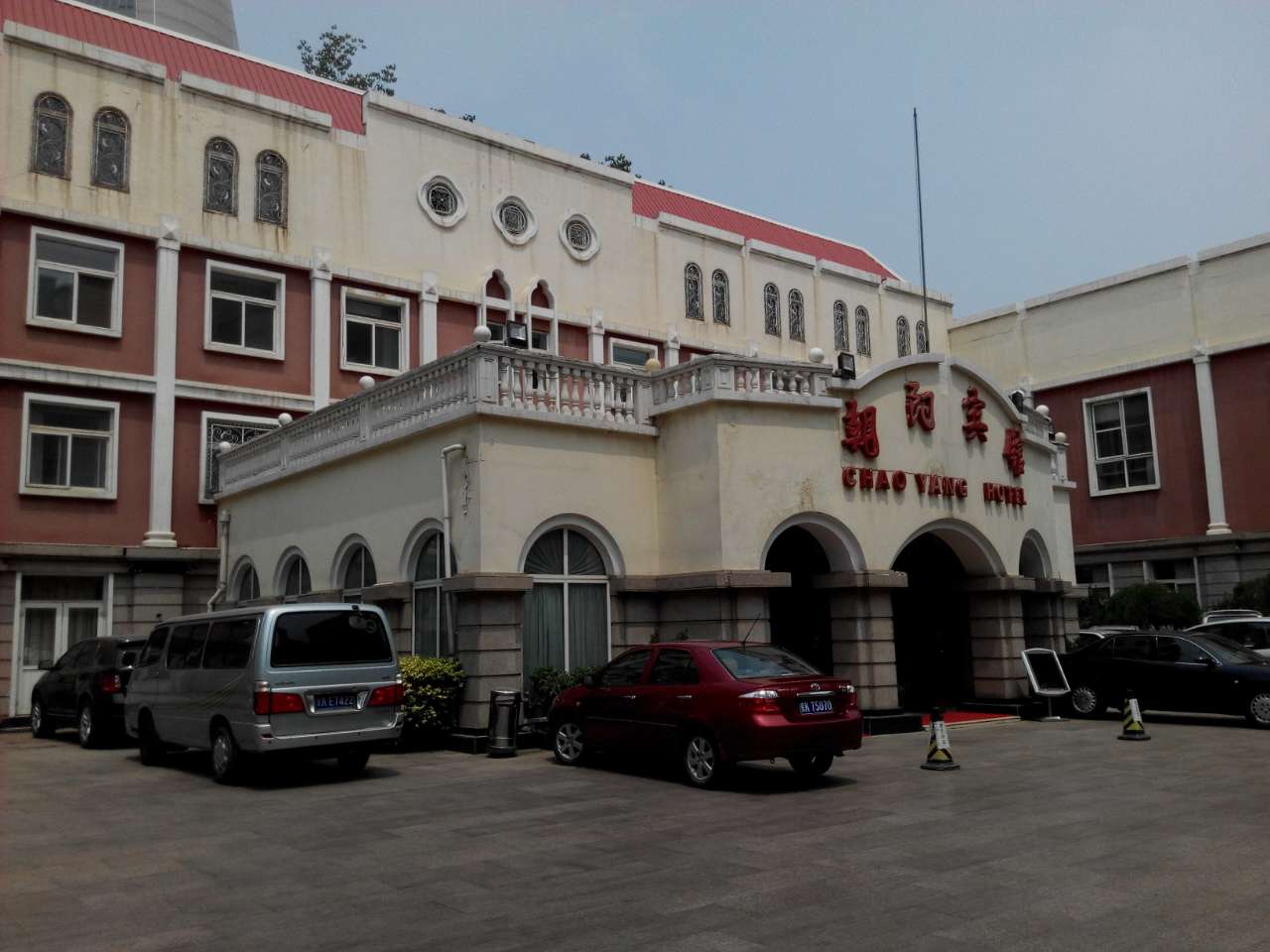
Zhou Lei had generously checked me into my hotel, the Chaoyang Hotel, ahead of time (thank you so much!) so it was a breeze getting into my room for the night. I spent most of the evening reading through the outline and thinking about how I might answer the questions during our conversation.

1364653146

The following day, I arrived at the South Gate of CCTV Headquarters at 1pm. The building glinted in the sunshine while I tried not to sweat too much (it was a hot, balmy day — 35 degrees Celsius or 95 degrees Fahrenheit)!

987238729

They run tight security at CCTV — and why wouldn’t they? It’s one of the most important buildings in Beijing, if not China. Everyone needs an escort inside and must pass through more than one screening. Fortunately, I ran into Jess Meider at the entrance so the two of us could walk inside together (along with our escort, Jeff Lau). I loved Jess instantly!

The staff brought us into the makeup room, where we were joined by Marie (who I also loved!). I was so grateful that the show’s makeup artists were able to help us with our makeup (I’ve never been skilled in that department!) and hair. Marie also graciously lent me her extra pair of high-heeled shoes, which matched my dress far better than my own pair. Thank you, Marie!

The fabulous makeup artists who made us all look beautiful!

Then it was time to get dressed and enter the “Crossover” TV set. And it’s a funny thing — when I finally marched onto the set and sat myself down on the creamy white couches on set, my nerves were suddenly replaced with this overwhelming sense of excitement.

276591807

Having Eyee Hsu as our host made the show. She is so down-to-earth and fun to be around, not to mention incredibly generous. When everyone noticed I didn’t have any earrings to wear (yeah, forgot that one), she immediately took hers out and lent them to me for the show. Thank you, Eyee!

Before the cameras started running, the staff had us adjust our positions (and, in my case, my dress) to look good for the show.

Then before I knew it, the cameras were rolling and Eyee began introducing the show as well as the three of us. We discussed everything from how we met our husbands and cultural differences we’ve experienced to our wedding stories and the differences between dating Western guys versus Chinese guys. During the show, Marie and her husband King sang a beautiful song in Chinese, and later Jess performed an incredible song of her own with her band Chinatown. I was truly blown away with their talent!

Jess performing on stage with her husband, Gao Fang.
Jess performing on stage with her husband (to her right)

Around 5:30pm, we all left the CCTV building together — with my heart dancing from the amazing experience of being filmed for a show. I wished I could have spent more time with Jess and Marie, who were truly delightful company on stage and off. I also wished I had more time to see my friends in Beijing. But I had things to do back in Hangzhou and knew it would all have to wait for another trip to Beijing and another time.

Thank you to everyone at CCTV for an amazing time and I can’t wait to see the episode when it officially airs later this year!

Featured in “What to Expect When Dating a Chinese Guy” on Yoyo Chinese

屏幕快照 2015-05-24 下午10.26.53

Charlotte Edwards-Zhang, who blogs at Chinese Potpourri, just had a nifty article published at Yoyo Chinese titled What to Expect When Dating a Chinese Guy. And I’m thrilled to have contributed my thoughts to the article, along with Jo Kelly-Bai of Life Behind the Wall. Here’s a snippet of the piece:

A decade ago, my plans for coming to China included teaching for a year, two…maybe even three, before returning to the US to start my teaching career.

Dating was not part of my plan, so when it happened, I was completely unprepared for it. Looking back, I would have loved to know what I was getting myself into or at least some advice on navigating Chinese dating culture.

Since my experience was limited to just my husband, I got some additional input from two American bloggers living in China: Jocelyn Eikenburg writes Speaking Of China and Jo Kelly-Bai writes Life Behind The Wall. Both talk about their relationships with their Chinese significant others.

Head on over to Yoyo Chinese for the full article! And thanks to Charlotte for including me in the piece!

P.S.: Yep, it has been another insane week as we finish up the move and I prepare for a big trip in China in a few days — hence the break from blogging. But I’ll be back next week, promise! In the meantime, please excuse me as I collapse into bed right now… 😉

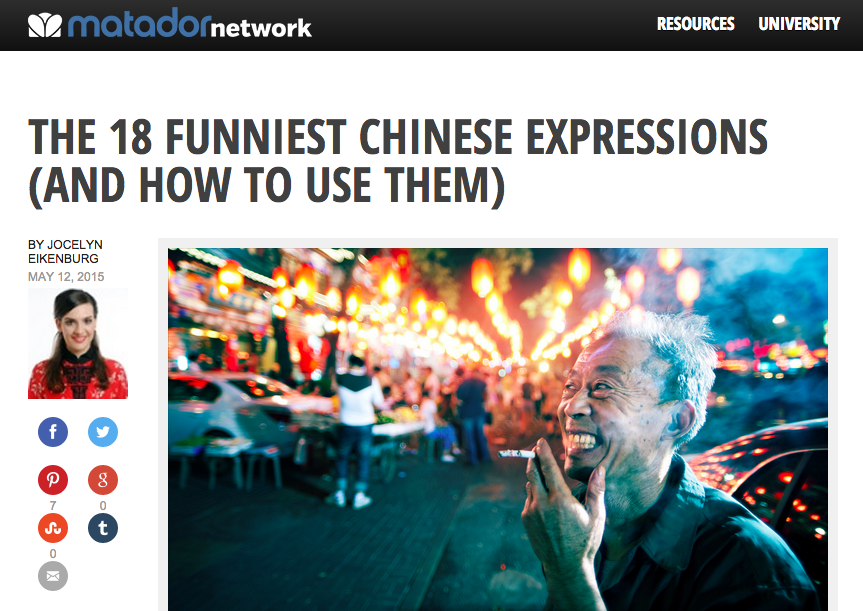
The 18 Funniest Chinese Phrases (and How to Use Them), Pub’d on Matador

The 18 Funniest Chinese Expressions (and How to Use Them)

Last week, Matador Network just published my article titled “The 18 Funniest Chinese Phrases (and How to Use Them)“. Here’s a snippet of the article:

1. Chinese people aren’t just in a class all their own. They’re “a crane among a flock of chickens.” (鹤立鸡群, hèlìjīqún)

2. In Chinese, you’re not better late than never. You “mend the flock after the sheep have been lost.” (亡羊补牢, wángyángbǔláo)

3. A Chinese person won’t kill the goose that lays the golden eggs. But he might “drain the pond to catch all the fish.” (竭泽而渔, jiézé’éryú)

To read all 18 of those phrases, see the full article at Matador Network. And if you love it, share it!

Celebrating 6 Years of Blogging at Speaking of China!

Okay, first of all, a confession — this past week (and for that matter, this entire month) has been kicking my butt. Big time.

I don’t know what it is about May, but it always seems to be the month when everything happens at the same time! I’m moving to a new apartment this week, which is already a huge deal. On top of it, I’ve had several articles with deadlines all at exactly the same time (including one I’m scrambling to get done right now, because it’s WAY past the deadline). And did I mention I’m traveling in China for a few days at the end of this month?

Exhausting? You bet.

But in the midst of all of this craziness, I realized another reason why May matters to me.

Six years ago on May 18, 2009, I first pressed the “publish” button on Speaking of China, never realizing that this blog would grow into something far beyond all of my hopes and dreams.

It has evolved a LOT since that moment, but one thing remains the same — my appreciation to everyone out there who reads and follows this blog.

Thank you for your support over the years. Thank you for reading. And thank you for your wonderful comments. You’re the ones who have truly made this blog something special and I’m so grateful for the fact that you’ve “tuned in” so to speak.

(And now, if you’ll excuse me, I have some not-so-fun things to do…like moving. Ugh.)

How Could I Forget About the Cultural Differences in My Intercultural Marriage?

116The other day, someone asked me during an interview, “Tell me about some cultural differences between you and your husband.”

You would have thought I had a million things to say on the topic. After all, that’s a big part of what I blog about – the cultural differences between interracial and international couples in China.

But in fact, I couldn’t come up with a single decent example! (Crazy, I know.)

I mentioned what I thought were a couple of good ones – from differences in diet (I’m a vegan, he’s not) to those explosive arguments that my husband and I weathered early on in our relationship. Instead, the woman talking with me laughed in a lighthearted way – the kind of laughter that tells you that you’ve veered off course. “But those are personality differences, not cultural!” she said.

My face started to flush red. Had I just completely bombed this conversation? There I was, mentally lashing myself, wondering why I hadn’t prepared examples for this very important topic ahead of time?

Afterwards, I couldn’t help replaying the whole conversation in my mind – especially the part about cultural differences. Was it just nerves that made me forget?

But then I considered the most frustrating cultural differences in my marriage. You know, the “big fat Chinese wedding” Johns family insisted we have, which completed exploded all my dreams of having a small ceremony at their whitewashed rural family home. Or the way John’s relatives can’t stop pestering us about when we’re going to have a baby.

That’s when I realized why I had stumbled all over that question. The most obvious cultural clashes in my marriage weren’t between me and John. They were between me and his family.

When you think about it, it’s not surprising. John and I have been married for over 10 years. Yep, there’s more than a decade of marital experience between us – and if you’ve made it as far as we have, you’ve already worked through the major kinks in your relationship, including the cultural stuff. Cultural clashes? That’s like ancient history to us. I can’t even remember the last time we fought over anything cultural. Seriously.

IMG_2698

John’s family, however, is another story. I’ve written about challenges with weddings, things relatives say to us, pressure to have kids and more. And here’s the really interesting part – John feels that sometimes certain relatives don’t 100 percent understand him either.

John likes to say I know him better than anyone else in the world, even many close friends here in China. And you know what? I feel the same about him. He really gets me like no one else ever could — whether it’s how I can’t live without writing, my passion for birdwatching, or the fact that I secretly love really cheesy romantic comedies.

When you’re in an intercultural relationship with someone for a long time, and things work out, I think both people eventually come to a consensus or understanding on these things. You’re not negotiating cultural stuff all of the time, because it’s now second nature to you. John’s culture has become a part of who I am, and my culture has become a part of him.

As for his family, god knows that’ll never happen. Which means I can expect a future filled with plenty of cultural conundrums.

(Now if I can just remember this for my next interview!)

P.S.: One thing I should add – it’s always important to recognize and understand your partner’s cultural background when you’re in an intercultural (cross-cultural) and international relationship. To learn why, check out my article on Why Ignoring Cultural Differences in Cross-Cultural Relationships is Harmful.

P.P.S.: To the interviewers, if you’re reading, thanks for the opportunity — and for making the conversation a great one!

P.P.P.S.: To everyone else, if you’re curious about the interview (as in, who did it and where it’s going to end up) stay tuned in to my blog for some news later this month! 😉

Mom, if only you could have known the person I became after China

IMG_2145
My mother could never have imagined I would one day be married to a Chinese citizen and living in China.

What if my mother could have seen me in China? What if she could have met my Chinese husband John?

The question taunted me a few months back when I encountered this post by Susan Blumberg-Kason (my friend and author of Good Chinese Wife), recounting one time when her mother and father flew to Hong Kong to spend time with her. This was a regular thing for Susan’s parents, who loved to travel and longed to see their daughter more often than her occasional jaunts back to her hometown of Chicago. My heart ached as I scrolled through photos of her mom and dad smiling at the camera, knowing I could never have posted pics of my parents together in China.

After all, my mother had passed away long before I first boarded that Air China flight in 1999 headed straight for Beijing.

A pained expression flashed across my face as I recalled 1994, the same year my mother lost her battle with a late-stage skin cancer that had aggressively metastasized all over her body.

Weeks before she passed away, she gifted me with an Audubon guide to the Eastern birds of North America – a reflection of my career aspirations at the time, the hope that I would one day become an ornithologist. I spent huge chunks of my summers chasing after warblers, swifts and ospreys with a pair of binoculars, and dreamed that I might earn a PhD one day from Cornell, which housed America’s preeminent laboratory of ornithology. Even though I studied a foreign language, it was Spanish – and I viewed it as little more than fulfilling a requirement to graduate. I only wrote poetry or in my trusted journal, where I felt freer to pour my heart out than with anyone else. And when it came to my adolescent love life at the time, I dated a string of gangly, shy white guys – never daring to kiss outside my own race.

In short, my mother carried a very different image of me to her grave.

A painting of my mother done by my sister.

How did I end up in China? That’s a long story in itself – but suffice to say, I arrived in this country knowing hardly a phrase in Mandarin and little about the culture or history, never expecting I’d find a new career, a husband and a future for myself. I never expected I’d shed away much of the girl my mother once knew, turning into a completely different woman.

My greatest regret is that my mother will never be able to meet the person I am here in China – or, for that matter, to meet my husband John. Second to that, it saddens me to think that she’ll never be able to read my blog or anything else I’ve written – from the articles I’ve published elsewhere to essays I’ve contributed to two anthologies. What would she think of my decision to be a writer? How would she react when hearing me chortling away in Mandarin? Most of all, would she love my husband John? Would she see the same indomitable spirit in him that made me want to marry him?

I’ll never know the answers. And sometimes, when I contemplate these questions, I can fall into a melancholy funk, even crying. It’s funny that so much time has passed and yet, at times, it can feel as if my mother died just yesterday.

In light of all of that, here’s the strangest thing – I also don’t know who I would have become, had my mother not passed away.

Before her death, fear was my almost constant companion whenever I ventured into foreign settings. (I famously cried quite a lot during a high school trip to Spain without my parents, and I swear that were it not for the really caring teacher in charge of us, I never would have survived the entire journey.) I was such a homebody back then, so completely attached to my parents…and especially, to my mother. Deep down, I realize that her passing forced upon me one of the scariest things a young girl could ever face – and as a result, the fears I once had about living far from my parents and home eventually fell away. Without that experience, I don’t know if I would have had the courage to leave my own country for one I barely even knew.

A fortune teller in Taiwan once advised me that I had the ability to turn the bad things in life into something better. Was my unlikely detour towards China in the years following my mother’s death yet another example of this?

On this coming Mother’s Day, I’ll once again remember my own mother. And I know that, as much as I wish she could have been here to see me now, she’s still shaping the person I am in subtle and yet remarkable ways. That the legacy of being loved so deeply by a mother never really ends, even when the direction of my life takes me to places she never could have imagined.

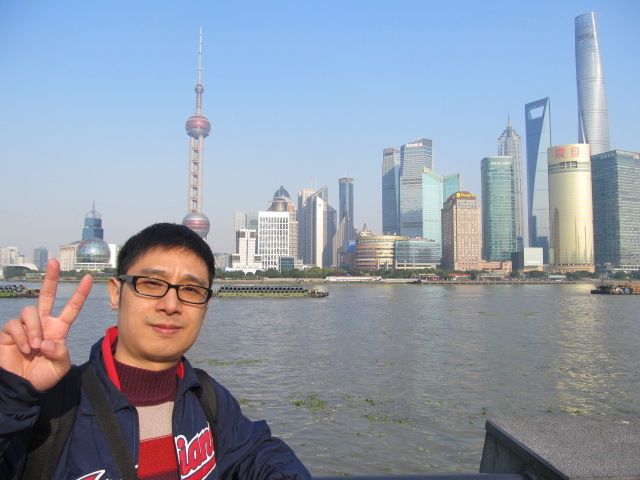
How should we feel about Shanghai men being great husbands?

IMG_2958

A few years ago, I discovered one of the most striking headlines about Asian men as marriage partners: “China surpasses the world in yet another category: Quality husbands/Shanghainese husbands are renowned as the best in China, and maybe the world.”

Yes, Shanghai boasts more than just the Bund and that stop-till-you-drop insanity on Nanjing Road. It’s also supposedly home to outstanding husbands:

1. The versatile ma da sao

Ma da dao is Shanghainese slang meaning, “shop, wash, cook.”…

The exception is when the term is used to describe men in Shanghai — guys who don’t just shop, wash and cook, but famously do so without complaint….

2. The professional ‘bag carrier’…

When shopping with her Shanghainese boyfriend or husband (yes, Shanghai men shop, remember “ma” from point number one?) the Shanghai female doesn’t need to carry any bags, including her own petite purse….

3. Family pride

Chatting with a married Western man, you may need to wait hours before he mentions his wife. Chatting with a married Shanghainese man, you may need to wait hours before he stops talking about his wife….

4. Tolerance

The relationship between mother and daughter-in-law is like an active volcano in the Middle Marriage Kingdom. But the Shanghai husband’s legendary tolerance can single-handedly turn a lava flow into a pile of dead ashes, or a volcano to be enjoyed and admired like Mt. Fuji….

5. Masculinity in disguise…

Shanghainese men simply see it as their responsibility to provide their families with a wealthy life. Their outlook is, “I’ll make all the money and deal with all the ‘bei ju,'” a trendy Internet phrase in China meaning “everything tragic.”…

As much as I’m fascinated by this idea (when was the last time you heard anything positive about Asian men in the world of dating and marriage?) I find myself torn about how to feel about it. After all, the superiority of Shanghai husbands rests on some reasons that come across as potentially emasculating – the last thing any group of Asian men needs in this world.

Being renowned for, say, your prowess in the kitchen and doing housework doesn’t exactly scream “macho man”. While my feminist side loves a man who shares in the chores and kitchen duty – like John – I know it’s not going to boost the image of Asian men around the world. Asian men have been shackled with some of the most degrading racial stereotypes (particularly that one about a man’s, well, you know), casting them as the sexless pariahs of the dating world. As Alex Tizon wrote in his powerful memoir Big Little Man, “In the America that I grew up in, men of Asia placed last in the hierarchy of manhood.” Doesn’t the supposed supremacy of Shanghai men – based on their talents in the home, kitchen, and carrying women’s bags – just make things worse?

Then again, should we measure Shanghai husbands against Western ideals of what makes a man a man? After all, it’s the Chinese who first noted – and praised — the greatness of Shanghainese husbands. I’m reminded of how Alex Tizon wrote about the Chinese ideal of Wen Wu (文武) regarding masculinity in Big Little Man:

For the past two thousand years in China, you could not be merely a tough guy to be considered an ideal man. You also had to be scholarly, poetic, and wise. The manliest of men were philosopher-warriors, and more philosopher than warrior. A cultivated mind was more highly esteemed than big biceps or deft swordsmanship.

Or, in the case of the Shanghai husband, a cultivated man who cares for his wife, family and home in very practical and tangible ways.

I oscillate between both of these sides, never quite satisfied with either – and ultimately, never 100 percent a cheerleader for the superior Shanghai husband.

However, there is one husband whose side I’ll always be on – mine. John is from Hangzhou, not Shanghai. Sure, he does his share of the housework, helps in the kitchen, and always carries my bags when we shop. But he also lifts weights, is really sexy, and has an awesome sense of humor (he tells better jokes than I do, even in English). He defies categorization. And to me, he’ll always be the greatest husband in the world.

What do you think?