“I Awoke to Find a Girl Lying by My Side”: Chinese Men Open up About Dating Foreign Women on Vice.cn

“One evening, I drank heavily and the next morning I awoke to find a girl lying by my side. At the time I was incredibly embarrassed, and she was very shocked, because the night before she had also drank a lot. We couldn’t even remember who checked us into the room.”

This is the final installment of my English translation of a Chinese-language article on Vice.cn featuring interviews with four Chinese men who dated foreign women. Today’s interview is with a journalist and writer in Beijing who had many foreign girlfriends when he lived in southern Europe, including one he met the morning after a night of revelry under surprising circumstances.

If you missed the other three installments, have a look at “She Liked Having Threesomes”: Chinese Men Open up About Dating Foreign Women on Vice.cn, “The Moment Our Eyes Met, I Froze”: Chinese Men Open up About Dating Foreign Women on Vice.cn and “It Was Her First Time to Sleep With a Chinese Man”: Chinese Men Open up About Dating Foreign Women on Vice.cn.


28 years old, journalist/writer, living in Beijing

VICE: I heard you’ve had many foreign girlfriends.

I’ve had some. That’s because in my former media work, I would often get sent out of the country. So I would contact with many people, mainly in southern Europe. Spain, Portugal, Italy, Greece — I’ve lived for at least half a year or longer in all of them, and got to know many women.

Could you share some impressive stories?

Ha ha, there are quite many. The countries I went to are relatively laid-back. The economies are not that developed, but the flavor of life is very strong and the people are very warm. I remember the first time I went out with a foreigner was with a Portuguese girl. At that time I was really young, just 24 and it was my first time to live independently overseas. One evening, I drank heavily and the next morning I awoke to find a girl lying by my side. At the time I was incredibly embarrassed, and she was very shocked, because the night before she had also drank a lot. We couldn’t even remember who checked us into the room. Later we went downstairs to the reception desk to find someone to ask about this, and then went to a bar looking for friends to inquire about what happened the previous night. The whole process was really quite ridiculous, but also very romantic. That evening we were once again having dinner together, and then continued to reserve a hotel room. Everything just happened naturally.

Have you had a long-term relationship with any of them?

Yes, she was French. But I don’t really want to share this story, it’s a little painful and I haven’t yet gotten over it.

With so many foreign girlfriends, do you feel like you’ve brought honor to your country?

No. Because my work was often overseas, my circle of friends included people of all different nationalities. To me, the individual means more than the nation.

As a Chinese guy, it’s rare to date so many foreign girls, right?

Before, I had never really thought about it, because this kind of situation is really uncommon. But after the first time I did, I realized that even thinking about this was a way of underestimating myself. Even though Chinese men in the eyes of foreigners are mostly thought of as martial arts experts or bespectacled geeks, Westerners have a really narrow understanding of us. But when it comes to actual relationships, Western women are willing to get to know me well.

A view of Lisbon, Portugal, at sunset.

So Western stereotypes about Chinese men haven’t affected your relations with foreign women?

After I got to know that first Portuguese girl, they affected me less and less. The individual differences between women are really not that big. Every person’s needs are very similar, especially emotional ones. Everyone needs to be loved, cared for, acknowledged. But because of culture, these might manifest themselves in different ways. Individual differences are much greater than differences because of country, culture or race. Once I no longer paid attention to the sense of inferiority brought by these stereotypes, I was more confident and smooth in my encounters with foreign girls. It’s like a guy from Henan chasing a girl from Jiangsu – what stereotypes would he consider?

Are there a lot of Chinese men around you together with foreign women?

Very many, and it has always been their Chinese character that attracts the girls. One friend went to university in Argentina and he said, “Actually, foreigners have a much stronger curiosity about Easterners because we’re more mysterious, and who wouldn’t want to try something new?”So the point is that, for this person, at the appropriate time their particular traits are a plus.

Did these women gain any new impressions of Chinese men because of you?

Of course. When I was dating them, I would share some Chinese culture with them and prepare some Chinese dishes for them. Although some things are cultural differences brought about by history, having a new interpretation is always better than unilaterally listening to Western media.

But does it seem easier for Chinese girls to be together with foreigners?

Because in the eyes of foreigners, Asian men have a lower status than Asian women. The typical stereotype of Chinese, or say Asian men, among other countries is: high achievers at school, introverted. These are the qualities that we carry with us. Capitalist culture distorts this notion in books, movies and the media. So who would be willing go on a date with some guy who is not even a little cool?

But for women, although some were rather quietly intelligent when they were young, when they leave the country they can easily fit right in. On one hand it’s related to how women have a strong tolerance. On the other, it’s that Western culture is more accepting of Chinese women. And when you look closely at foreign men with Asian women, for the most part they are very close to each other’s cultural traits, and it’s hard to see Western men following the living habits of Eastern women. That’s because Western men, in today’s mainstream cognition, have an advantaged position in terms of skin color and gender, the symbolic meaning of the more “advanced” human existence. So naturally it will be easier for them to find people no matter where they are.

Do you have any advice for Chinese men who want to pursue foreign women?

You only need to remember this: you and her are both people.


This is the final installment of my English translation of a Chinese-language article on Vice.cn featuring interviews with four Chinese men who dated foreign women. If you missed the other three installments, have a look at “She Liked Having Threesomes”: Chinese Men Open up About Dating Foreign Women on Vice.cn, “The Moment Our Eyes Met, I Froze”: Chinese Men Open up About Dating Foreign Women on Vice.cn and “It Was Her First Time to Sleep With a Chinese Man”: Chinese Men Open up About Dating Foreign Women on Vice.cn.

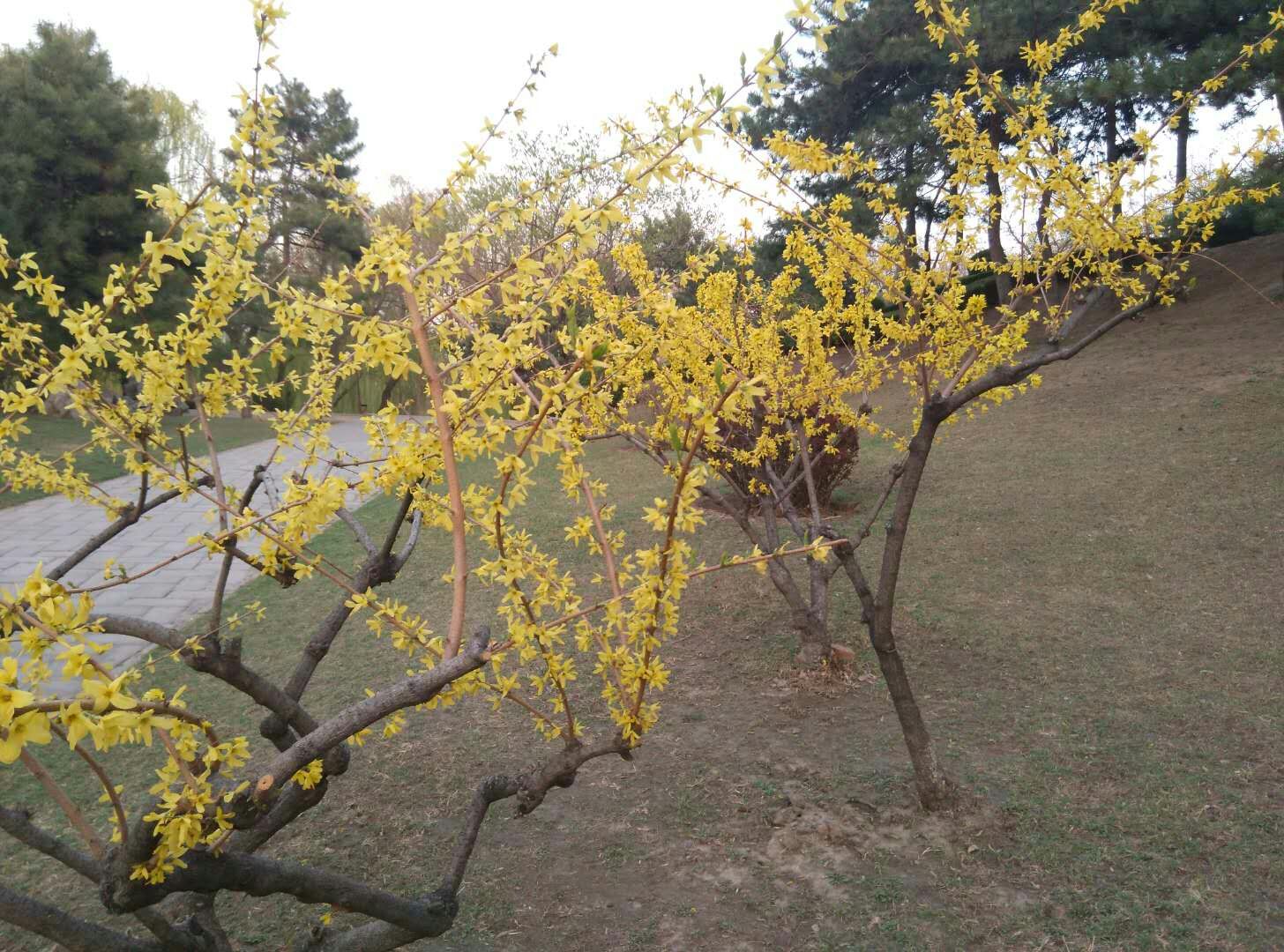
Photo Essay: The Romance of Spring Flowers in Beijing

After spending so many years in the lush subtropical climate of Hangzhou, a city renowned for its many flowers that grace the West Lake year-round, I didn’t have high expectations for Beijing’s spring.

How could a city hit by yearly sandstorms possibly dazzle when it comes to flowers?

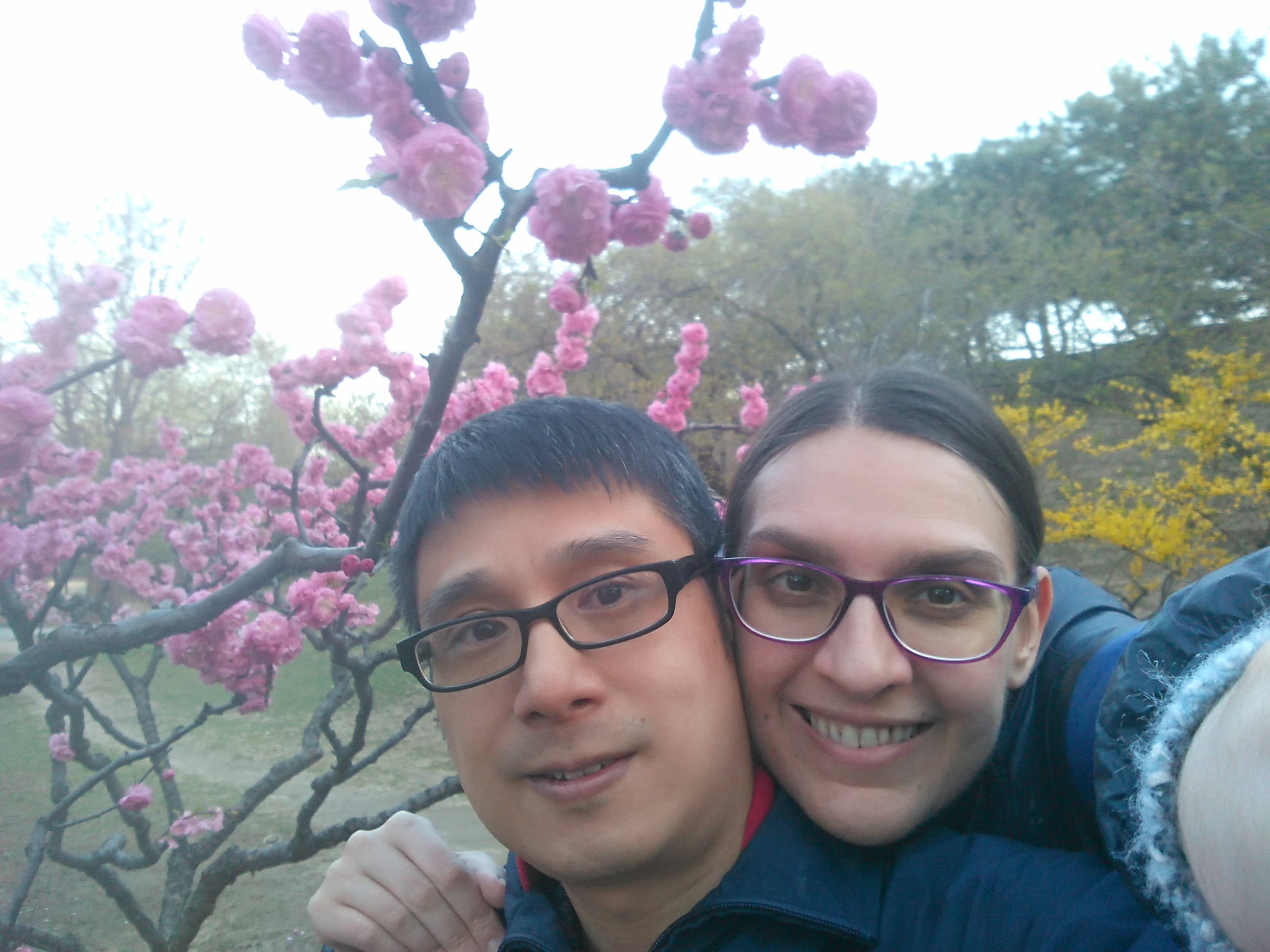
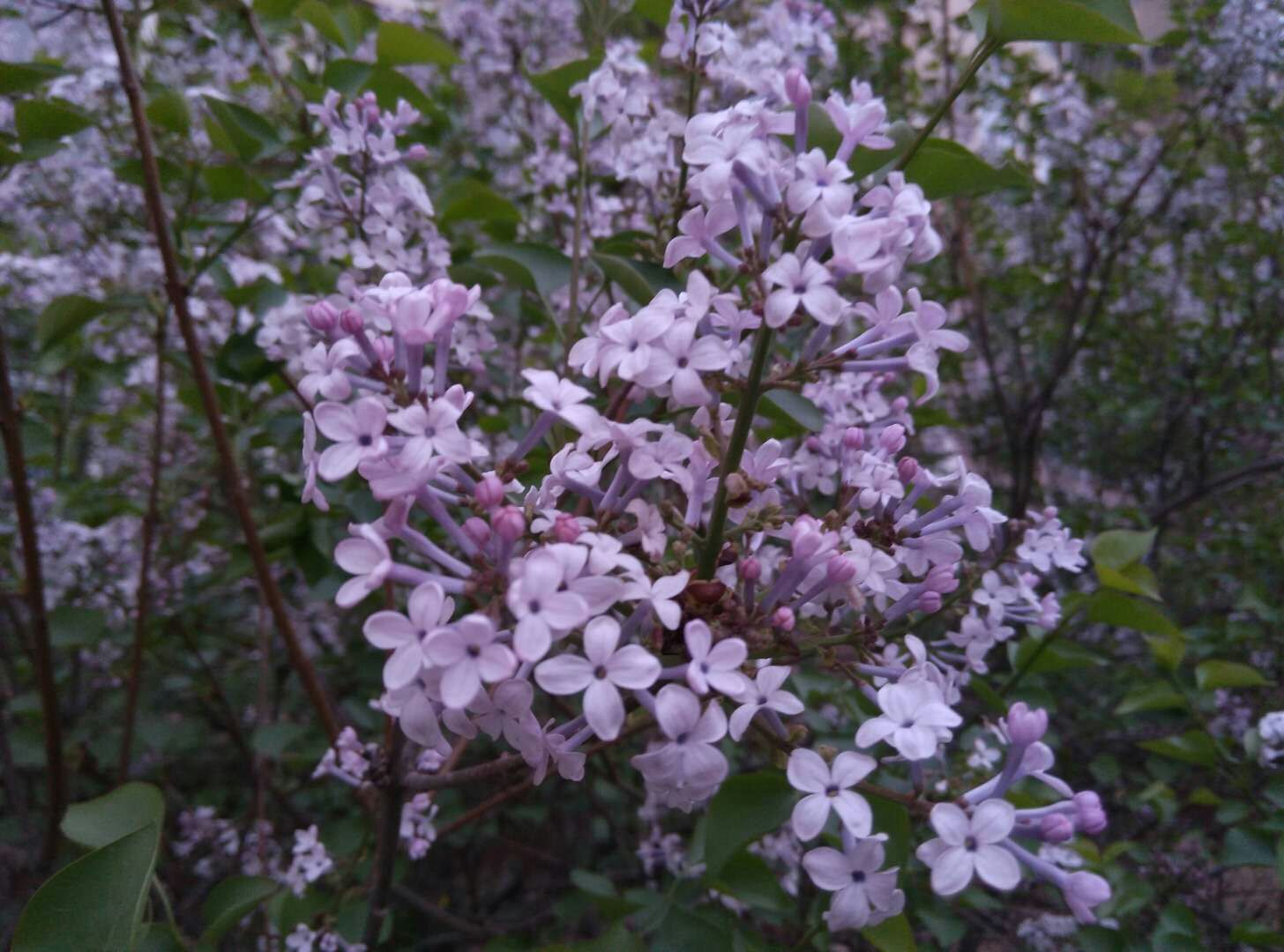
And then, while wandering through the local park close to where we live, I found myself charmed in the presence of the many colorful blossoms popping up all around us. I couldn’t believe that this average city park turned into a brilliant parade of spring flowers.

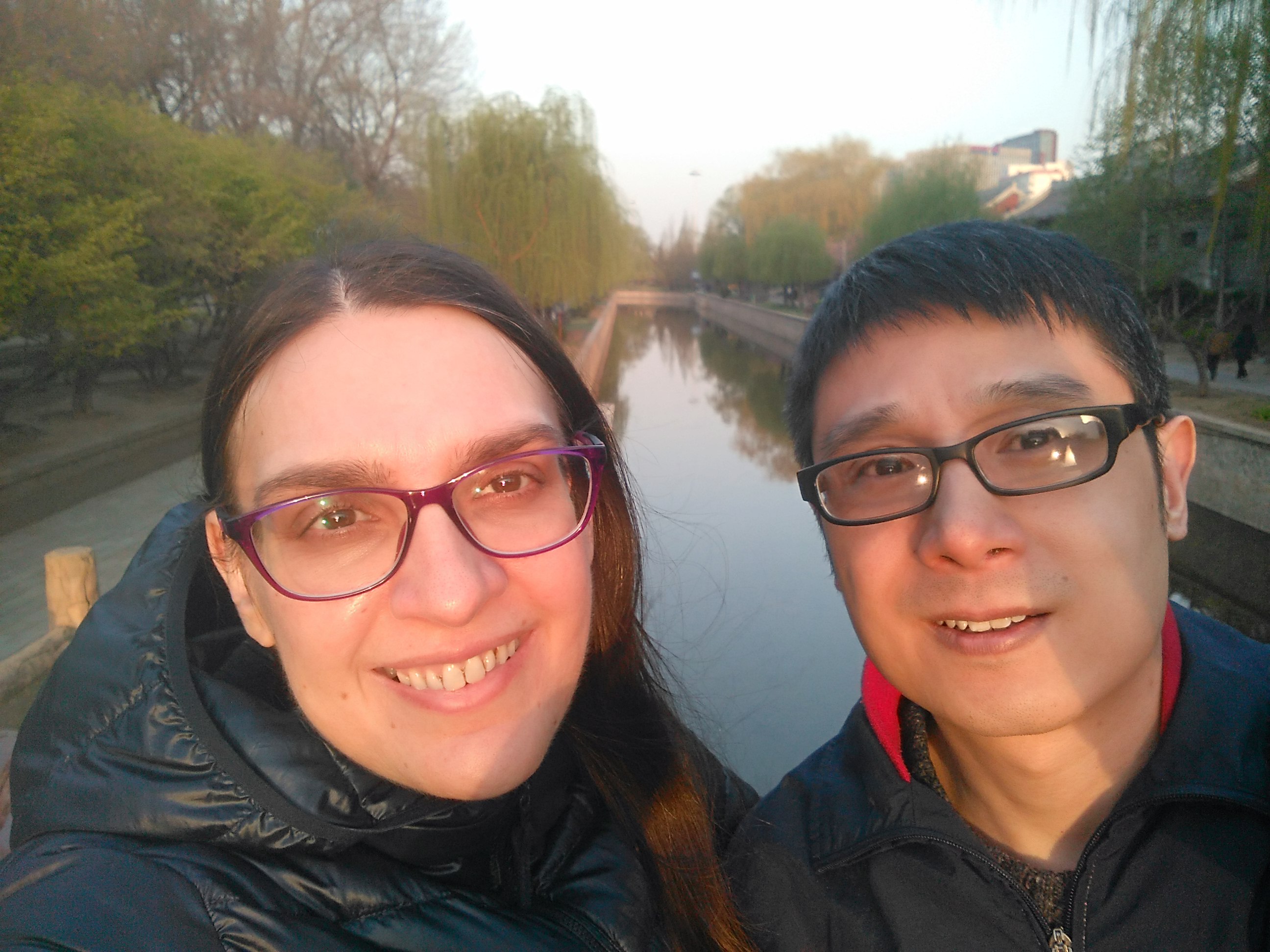
While I’m catching up from a very busy week, I thought I’d share some of my favorite recent pictures of flowers, including a few selfies of me and Jun.

Wherever you are, hope you’re enjoying the romance of spring flowers in your neighborhood!

\

Photo Essay: A “Heavenly” Visit to Beijing’s Iconic Temple Before Chinese New Year

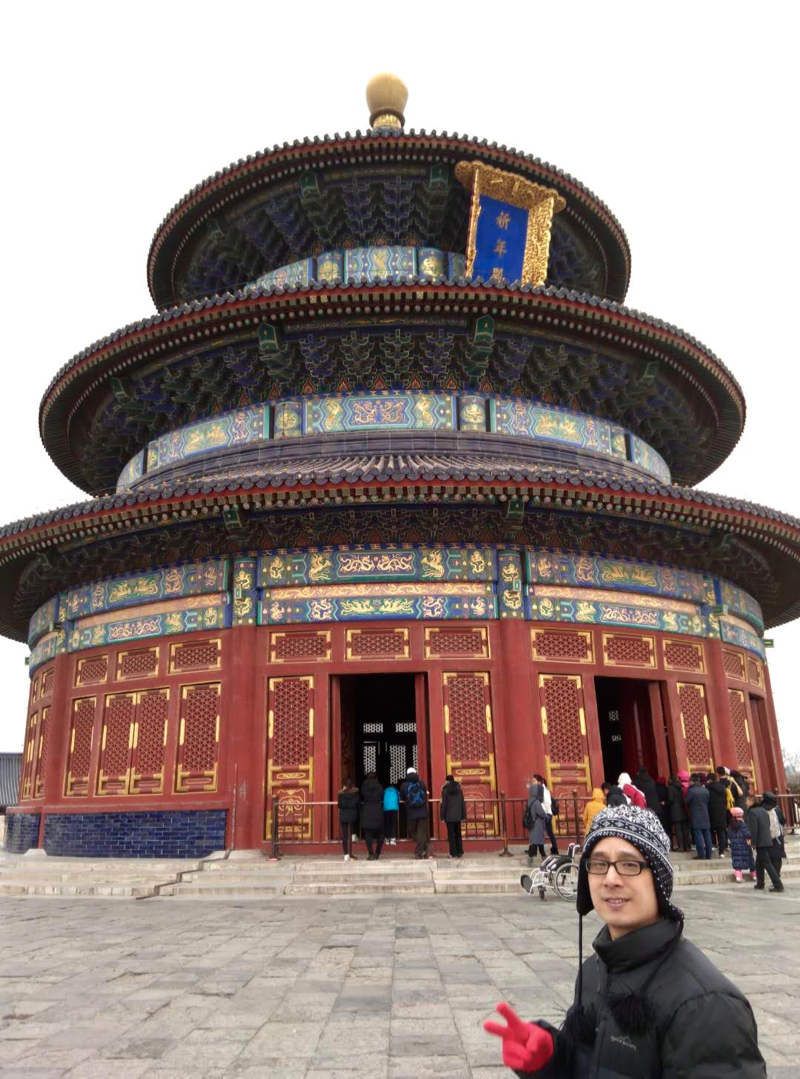
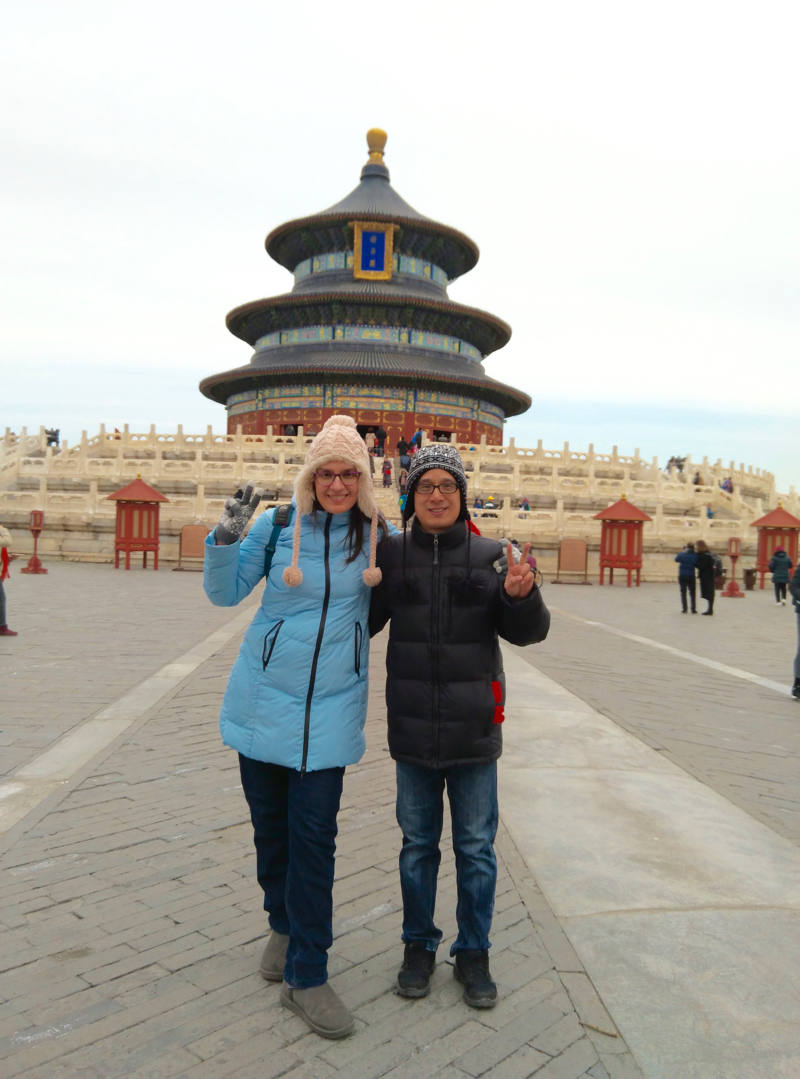
Beijing’s Temple of Heaven was where Ming and Qing dynasty emperors would pray to Heaven for a good harvest that year. So on the cusp of the Year of the Dog, Jun and I made a visit to this iconic Beijing landmark — and it was indeed heavenly to behold.

While we’re still relaxing and enjoying the Chinese New Year holiday, I thought I’d share a few photos from our visit.

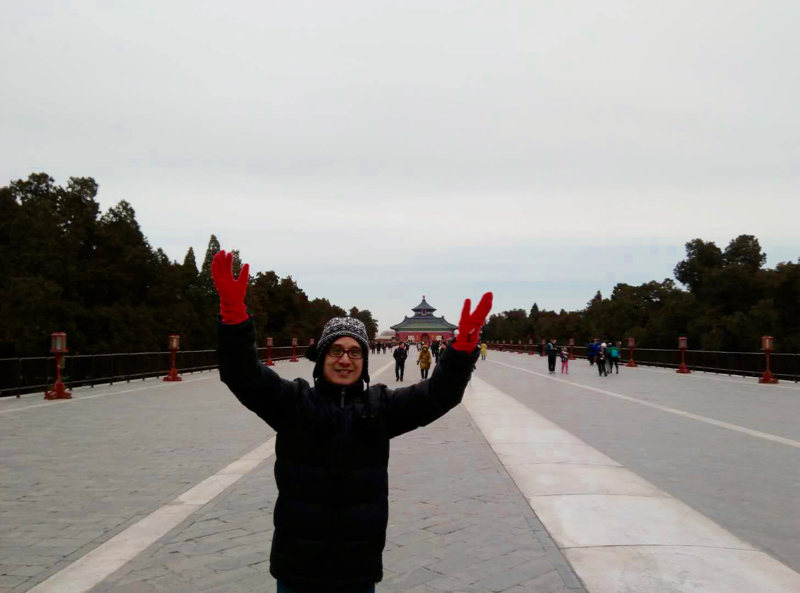
It’s thrilling to walk the boulevards of the Temple of Heaven park and catch your first glimpse of the main temple complex.

The Hall of Prayer for Good Harvests, decorated in a tapestry of brilliant colors, deserves its status as a symbol of Beijing, if not China.

With an overcast sky and temperatures finally hovering above zero, it was an ideal time to get out and enjoy this magnificent attraction.

We also walked down the grand entrance leading to the Hall of Prayer for Good Harvests in the Temple of Heaven — and you can see the roof rising just above the entranceways.

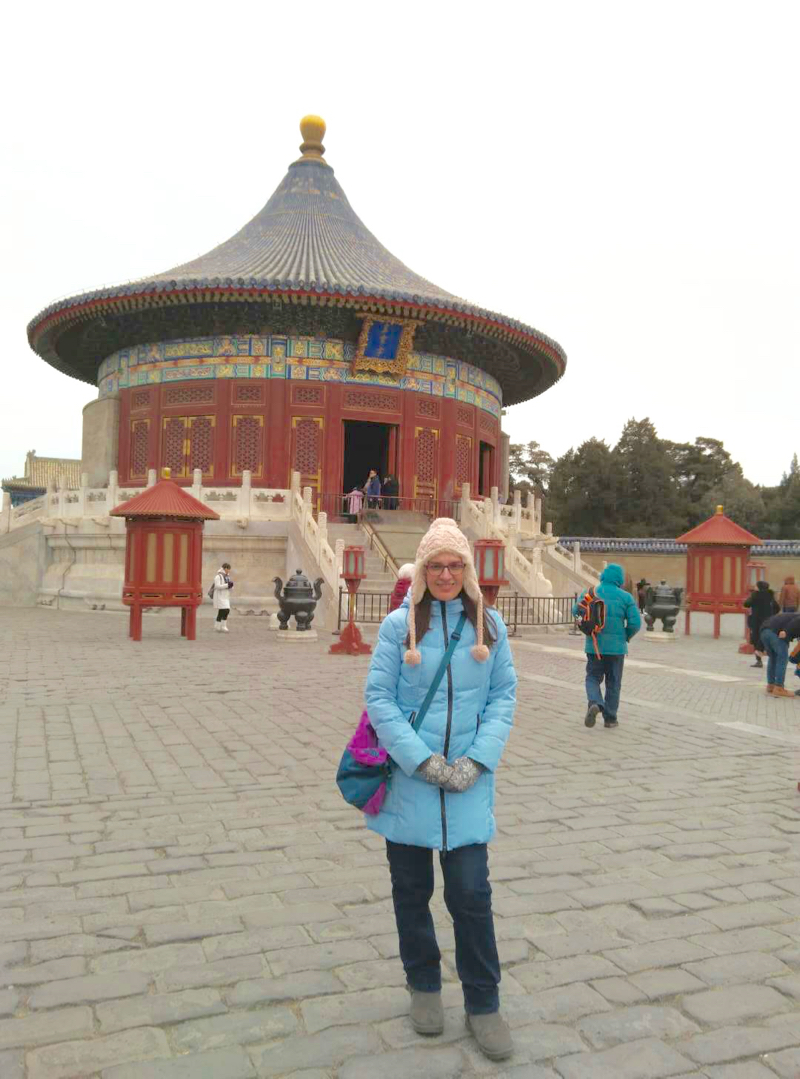
But there’s much more to the Temple of Heaven complex than that iconic structure. We also visited the Imperial Vault of Heaven, whose design echoes the Hall of Prayer for Good Harvests…

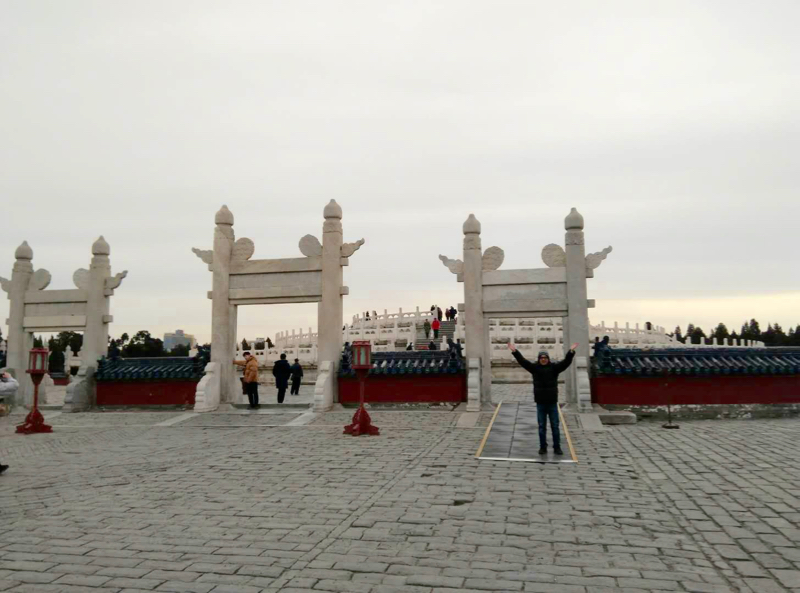
And the Circular Mound Altar, where emperors once prayed to the Heavens for good weather.

Here’s one of my favorite photos (taken by a woman who insisted I make the “V for victory” sign along with my husband Jun 😉 ). Wishing you all a “heavenly” Year of the Dog and prosperous Chinese New Year!

On Love, Beijing and My Nostalgia for Hotel Counters With World Maps

I felt a curious flutter of recognition during an evening walk in my Beijing neighborhood, when my eyes fell upon the reception desk at a hotel just around the corner.

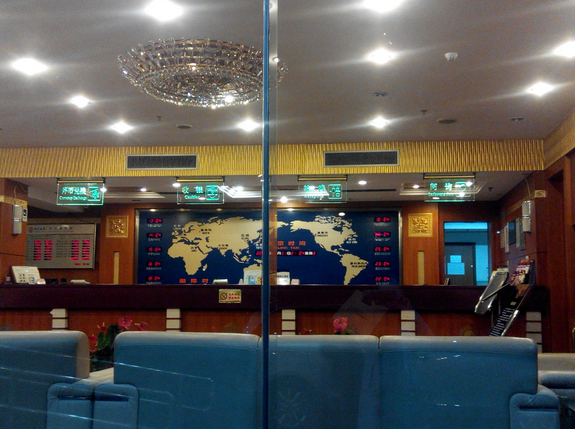
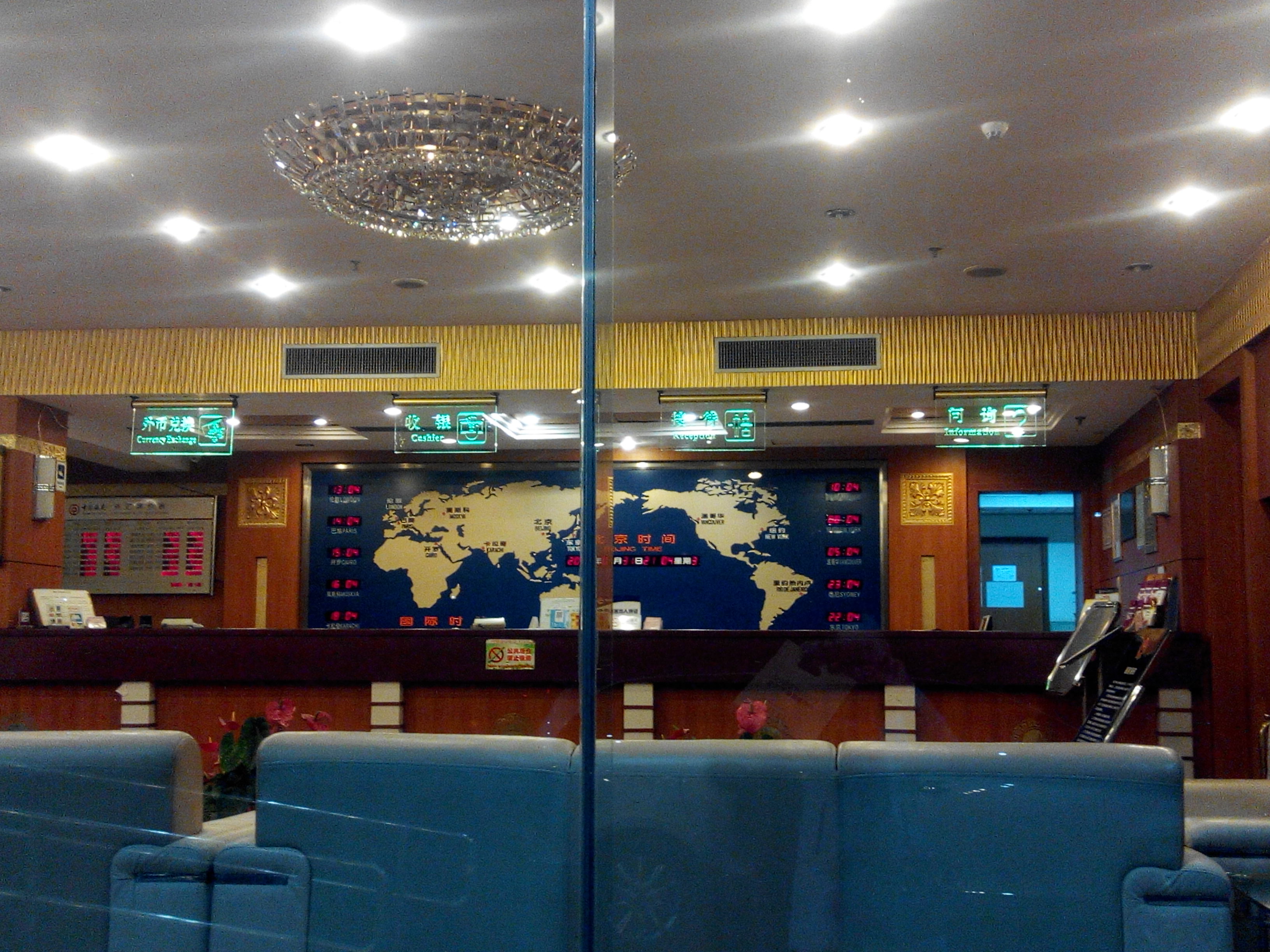
There it was, a world map on the wall behind the desk, pinpointing the major cities of New York, London, Moscow and Beijing in a bronze and black montage that must have been more fashionable when bicycles ruled Beijing years ago.

Even though each metropolitan area displayed the current time, I was thinking of the past – my own in Beijing, a city that was once a romantic getaway for me and my first Chinese boyfriend in the country. A trip where we visited many hotels, whose reception desks were a close replica of the one I saw on my walk.

When I see the local times in Moscow and Beijing flashing across that map, I remember that long, drawn-out afternoon in Beijing when we were faced with one hotel after another, following our overnight journey to Beijing from Zhengzhou, which took nine hours at the time.

Why did we visit so many hotels in just one day? We were determined to find a hotel room we could share together, which seemed mission impossible because every hotel asked for a marriage license we couldn’t produce. With no license, we were forced to visit many lobbies, each fitted with a variation on that world map dotted with local times around the world.

My Chinese boyfriend at the time (who parted with months later) had once traveled to Beijing with a past girlfriend who was from his city, and never had difficulty finding a room for two. How had my foreign face changed the equation? Did they think I was Russian (and not necessarily in a good way)?

It should have taken us only an hour, two max, to get settled into a hotel. Instead, we spent over six hours – eventually settling in a state-owned guesthouse in the Haidian district. With, of course, a world map behind the reception counter.

And the funny thing is, after all these years, whenever I see a reception desk like those we encountered years ago in Beijing, a feeling of nostalgia rises within me. Is it a recognition of the fact that, in a sense, love prevailed in Beijing, in spite of the challenges?

All I know is, it’s fascinating to be back in the great capital of Beijing, this time in love for life — with a husband who still thrills me every single day, and in a country I’m proud to call home.

Photo Essay: Walking Beijing’s Gubeikou Great Wall as a Couple

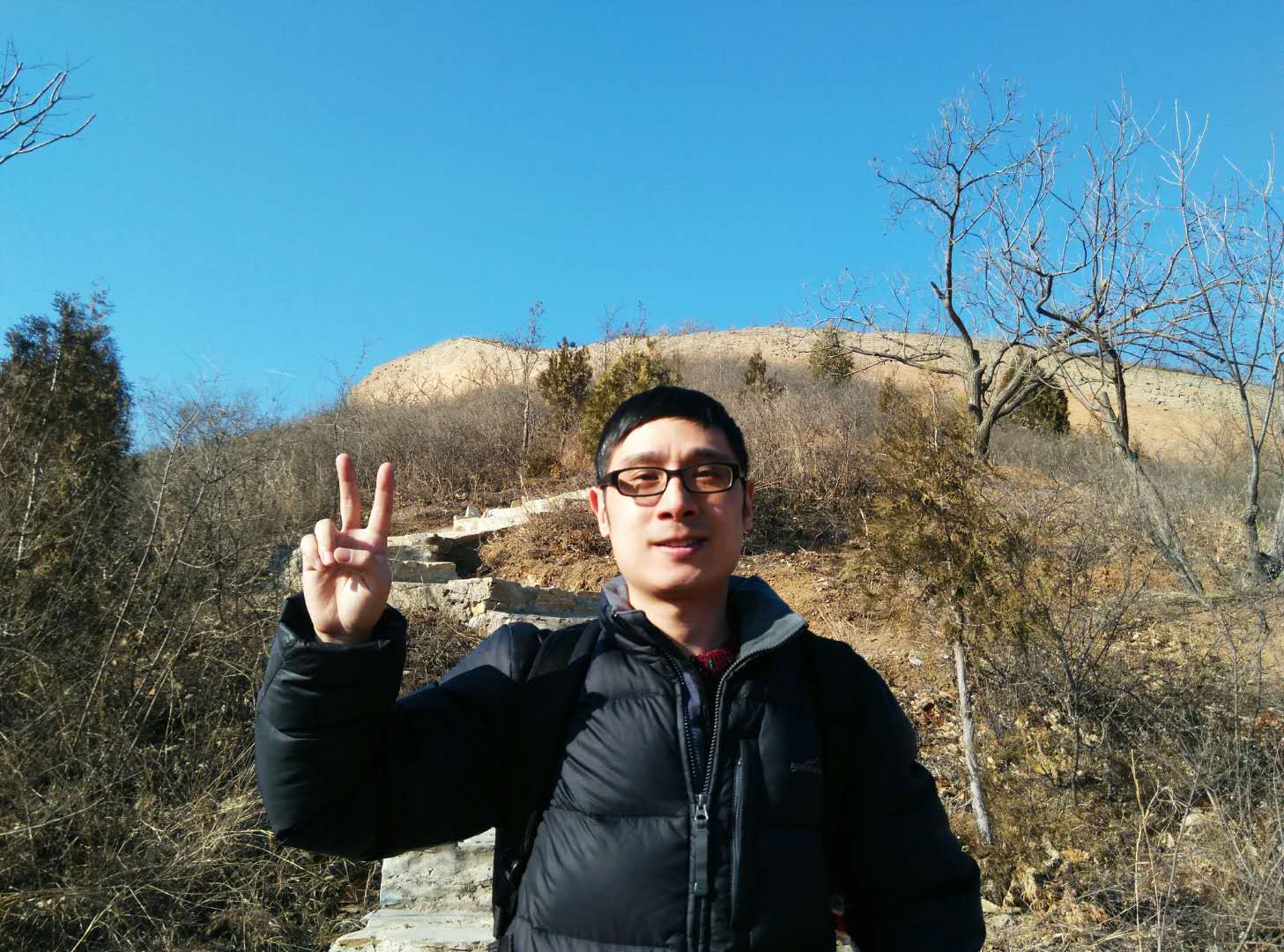
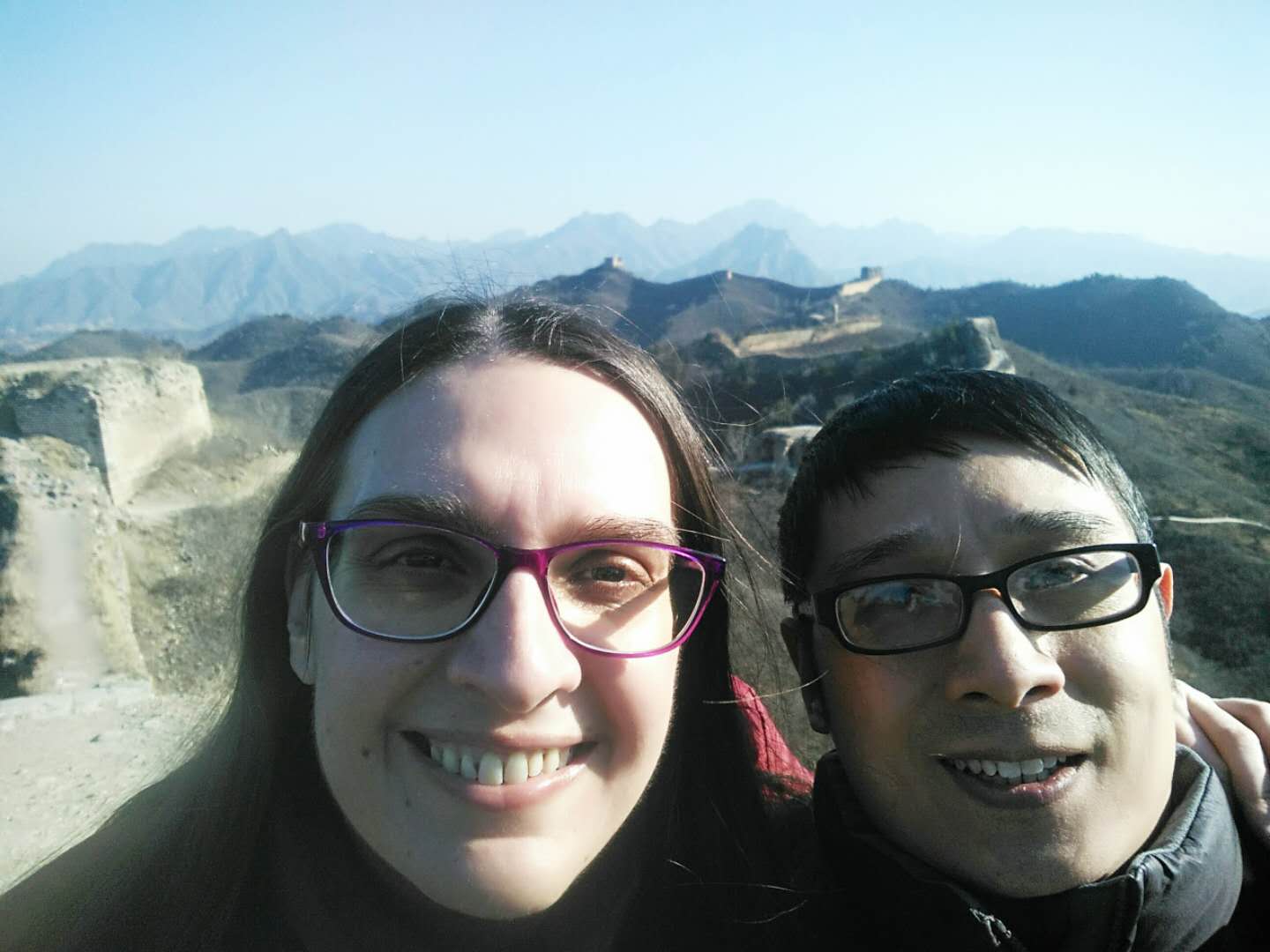
Beijing’s Great Wall is a wonder of the world — and even more so, when you find yourself hiking this piece of history under breathtaking blue skies, bathed in sunshine that could almost make you forget it’s still winter.

We ventured a few hours north of the city to the Gubeikou Great Wall, where the wall has more of a dilapidated charm and — at least this time of year — you can walk it all to yourself. While I’m recovering from a busy week, I thought I’d share a collection of photos from our recent visit.

We arrived in the afternoon, and hiked up to the Great Wall, tracing the ridgetops of the mountains.

Some parts, the walk is just like a ridge trail…

And in other parts, you’re passing by the actual walls and even towers.

Through the window, the mountains in the countryside form an endless wave of ridges that stretch to the horizon.

Behind Jun, another view of the Great Wall, stretched across the ridgetop.

But the best part of all was walking the Great Wall together. We hope to return soon and discover more of the wonders of this incredible piece of history.

On Winter Dress Strategy in North China Vs. South China

This sweater served me well during the winter months in Hangzhou — but in Beijing, it’s another story.

The temperature that morning in Beijing had dipped below zero degrees Celsius. Yet there I was sitting in a restaurant that afternoon, feeling sweat moisten my brow. I seriously contemplated taking off my heavy blue-and-gold knit sweater — once indispensible for surviving the winter in Hangzhou — which I had layered over an equally warm long-sleeved thermal shirt. I even wondered if it was overkill to have on long underwear beneath my jeans.

Clearly, I had forgotten about the indoor heating in Beijing, and how it might mean rethinking how I dress for the winter. That I might actually need to wear lighter, more layered clothing under my jacket than in Hangzhou, despite the huge difference in latitude.

This is one of the ironies of the North China versus South China divide.

Down in Hangzhou, it’s not uncommon to see people completely bundled up indoors with their coats on. In South China, you wear your coat so much in the winter that it’s almost more important than your sweater. My mother-in-law once urged me to buy more jackets, concerned that people kept seeing me wearing the same one every day. (After all, they’re less likely to get a glimpse of those nice sweaters I bought, given how cold the indoors can be at times.)

You would think the same winter dress strategy would apply up in more northerly Beijing, with people donning even warmer, heavier layers to survive those bitter winds from Siberia and the Arctic. And while I’m sure this would be true for anyone forced to spend much of the winter toiling outdoors for work, it’s not for your average person who spends most of the day indoors.

I commute between my apartment and the office buildings, each a snug oasis of warmth thanks to the plentiful heating provided here in Beijing. Of course would I never need to keep my parka on indoors in either place. But sometimes, even your average sweater feels like a little too much – just like in that restaurant. This is a world where you might need to peel off that sweater every now and then, or hug it a little closer if a cold breeze happens to sneak through that window or door.

The problem is, I’ve spent years building up a wardrobe to survive winters in more southern Hangzhou. I jettisoned many of my light cardigans in favor of more substantial sweaters I’d wear over thermal underwear. Before we moved to Beijing, I remember feeling grateful I had these sweaters to see me through the season. But that was before I realized Beijing’s heating can be so abundant that, occasionally, the word “sauna” comes to mind.

Oh, how I wish I hadn’t tossed those cardigans. Especially since it is so darned difficult to find things in my size in China. (But that’s another story…)

Eventually, I’ll adapt my clothing to Beijing winters, heating and all. I’m already halfway there with an extra-warm parka to protect me from the frigid winds.

Still, I can’t help but recall another irony of the situation — that I, a woman who grew up in northerly Cleveland, Ohio, a city with a reputation for blustery winters, am having to re-learn how to dress for winter in the North.

What’s your winter dress strategy? Have you noticed a difference between dressing for winter in North China versus South China?

Is Beijing China’s Best City for Western Women Married to Chinese Men?

Over 20 years ago, the TV series “Foreign Babes in Beijing” (洋妞在北京) became a sensation across China. Say what you want about the show – which Rachel DeWoskin, one of the show’s stars, described as “an apt, if tacky, example of China’s very conflicted feelings about the West“ – I couldn’t help thinking about it recently after moving to China’s great capital city. That’s because there’s one thing I’ve noticed about this city: there are a LOT of AMWF (Asian male, Western female) couples who call Beijing home.

Among the online groups of Western women with Chinese husbands I belong to, the Beijing group stands out for a very simple reason – sheer numbers. It has over 100 ladies! This blows my mind. Back in Hangzhou, I felt lucky to find one or two in the city (even though Hangzhou is pretty large, expats tend to come and go pretty quickly, making it difficult to connect to new folks). But here, there are so many women it could take me months, if not nearly a year, to meet all of them.

In my opinion, this is a good problem to have. A very good problem.

So I’ve been thinking about Beijing and its status as the unofficial epicenter of the AMWF community in China. What makes Beijing the number one city for couples of Western women and Chinese men? It’s even more intriguing to me because Shanghai appears to have a slight advantage over Beijing among foreigners as a whole (see this BBC report and this story from the China Daily).

So why Beijing over, say, Shanghai?

Is it a matter of job opportunities? (One foreign woman with a Chinese husband, who happens to live in Shanghai, once privately shared her frustrations over the city’s job market, which she considered stagnant compared to Beijing). Do more of us come as university students, landing in the one city that attracts the most foreigners to study abroad? Is it the wealth of resources in town, from great schools and hospitals to an airport connected to every major city across the globe? Or are we simply more enamored with Beijing’s rich cultural and historical traditions reflected in the many superlative sightseeing attractions here, from the Forbidden City and the Temple of Heaven to the Great Wall?

Whatever the reason, I’m loving this city just for the opportunity to have some good company with fellow yangxifu (the foreign wives of Chinese men) on a regular basis.

And if China’s entertainment industry ever finds out about Beijing’s pre-eminence among AMWF couples, maybe they’ll decide it’s high time for a proper “Foreign Babes in Beijing” sequel. But this time, it’ll be “Foreign Wives in Beijing.” 😉

Do you think Beijing is China’s best city to live in? Why or why not?

I’m Moving to Beijing to Work for the China Daily

Finally, time to share the big news with you — I’m bound for Beijing this weekend, where I’ll be working for the China Daily website as a copy editor.

It’s really a dream job for me, and so hard to put into words just how excited I am to work for China’s most prominent English-language newspaper.

But I’m also thrilled about relocating to Beijing, where a lot of my friends happen to live. We’ve had to manage long-distance friendships, so the prospect of actually meeting these friends in person is also like a dream. Or an early Christmas present. 😉

I also look forward to making new friends up in the great Chinese capital, including readers like you.

And don’t worry, the blog isn’t going anywhere. I’ll continue to publish the same outstanding content you’ve come to love from Beijing.

Here’s wishing everyone a gorgeous October!

P.S.: For anyone wondering, yes, my husband will move with me.

Guest Post: When I Think of Seoul, I Think of Flesh and Sweat and Sighs of Pleasure

An anonymous reader who calls herself “Nasty Woman” sent in this story of what she describes as “the absolutely red-hot but short-lived affair I had with an Asian man while on vacation, the sexiest man I’ve ever known.”

Do you have a sensational love affair or other story worth sharing here on Speaking of China. Have a look at the submit a post page to learn how to have your words featured here.
—–

Last month, I visited Asia with a friend for the first time. The plan was to go to Tokyo, Kyoto, Osaka and then Beijing over the course of almost three weeks. Reading all the sweet, romantic love stories on this blog, I feel a little naughty sharing this one, because it’s a story of pure lust and not much else. I hope that’s OK – I figured since Asian men are undersexualized in American culture we could use a story about the absolutely red-hot but short-lived affair I had with an Asian man while on vacation, the sexiest man I’ve ever known. Seriously ladies, buckle up.

I fit the stereotype of the sexually liberated Western woman pretty well. I prefer meaningful, loving relationships but certainly don’t say no to casual sex when the opportunity arises. While in Japan, I downloaded Tinder and did meet up with someone but wasn’t really attracted to him, so that didn’t go anywhere. I was having a great time with my friend so I didn’t care all that much about meeting guys anyway. On our last night in Osaka, though, things changed.

I was getting ready to go out drinking by the river with my friend, and when I came downstairs to the hostel lobby, I saw that she was chatting with a guy staying at the hostel. He was a very handsome solo traveler from Seoul and the friend that I was traveling with was half-Korean/half-Chinese, so they were just casually making conversation. When I found out he could also speak excellent English, I joined in on the conversation and liked him immediately. I invited him out drinking with us, and we had a fun time getting drunk and getting to know each other.

It wasn’t long before he and I started to basically third-wheel my friend. I’ll never forget the moment we were sitting next to each other, across the table from my friend at a bar, and he put his hand on my knee. I had been flirting pretty heavily by then so his touch was electric. I slid his hand further up my thigh and by the time we left, we were groping each other right in between the legs (classy, I know). Because I was drunk I thought all of this had gone unnoticed by my friend but she later told me she saw all of it. Ha ha!

So at this point he and I know it’s going down, it’s just a matter of time. We all get in a cab together back to the hostel and manage to stay civilized in the cab and on the walk back. A few minutes later, we’re all in the hostel bathroom, brushing our teeth, and I hop in the shower. When I get out of the shower, he’s the only one in the bathroom. We just look at each other, and for the first time all night, I feel shy. He’s standing near the door and I start to walk towards the door, maintaining eye contact with him the whole time. When I get near him, he puts his arm on my waist, and in what felt like a millisecond, we were kissing passionately and the clothes were coming right off.

So because this isn’t an erotica blog I won’t get into the details but let me tell you something ladies: even as a sexually free Western woman who has had a handful of partners, I have never felt more like a goddess or more out of my mind with lust and pleasure than I did with this man. He checks off literally every fantasy that you dream about in a sexual partner – giving and sweet but also strong and passionate, adventurous and hungry but also considerate and gentle. It was, without a question, the best sex I’ve ever had. I still shiver thinking about it.

The next day, my friend left for her flight to Beijing, while my flight was booked for the late afternoon. I had originally planned on doing more sightseeing, but instead I spent the whole morning in his arms. Because we had more time and space to ourselves, it was more sensual and slow and loving than the night before. It was almost like we were in love and on our honeymoon. When the time came to head out, he saw me off to the airport and could not have been more of a gentleman. I think I saw an interview where Jocelyn said that Asian men take care of their women – girl, he TOOK CARE of me, in so many ways. Despite knowing him for so little time, saying goodbye to him really did make me sad, and I couldn’t stop thinking about him and wishing our time together wasn’t over.

Well, as it turns out, it wasn’t! We kept in touch while I was in China, and he told me I was welcome to visit him in South Korea anytime. I wasn’t sure if that was ever going to happen, but as it turns out, our China plans were changing. My friend was initially planning to bring me along to meet the Chinese side of her family, but she’d had a change of heart, wanting to go alone since she wasn’t sure if she’d have another chance to see her grandparents. Voila – I had a few extra days in my itinerary, which she suggested I spend in Shanghai. But I had a better idea.

When I think of Seoul, I think of flesh and sweat and sighs of pleasure. The memory of his lips on mine, his hands on my body, still gives me goosebumps. We did do a lot of sightseeing together and he was the sweetest, most considerate traveling companion, but the sex and lust was just so out of this world that the regular stuff fades into the background. We still keep in touch as friends and his apartment is my No. 1 destination for the next time I go to Seoul.
—–

Speaking of China is always on the lookout for outstanding guest posts! If you have something you’d like us to feature, visit the submit a post page for details — and then submit yours today.

Guest Post: What It’s Like to Raise Multicultural Children in Beijing

I’m thrilled to run this guest post from Jackie, a Beijing-based blogger who writes about raising multicultural kids at Bringing Up The Parks.

Do you have a story that you’d like to share on Speaking of China? Visit the submit a post page to learn more about what gets published here.
—–

I grew up in a country that wasn’t reflected on my passport and was raised in a culture that had nothing to do with the actual local customs. And yet despite everything you’ve just read, I grew up mostly monocultural.

Multiculturalism, contrary to the popular assumption, doesn’t always happen naturally. Take it from me—I’m from one. My multicultural family is headed by a Chinese-Filipino and a Chinese-Malaysian. Today, multiculturalism is when parents share their heritage with their children to help strengthen or solidify their identity. But back then, people didn’t really think much of the term. The extent of my understanding of Malaysia was limited to the stories my mom shared and the annual traveling that we did.

Not just that: growing up Filipino-Chinese (or Chinoy as some might call it) in the Philippines means knowing what the local culture is like, but not necessarily knowing it on a more personal level. And so I mainly grew up in the company of fellow Chinoys, only meeting full-blooded Filipino friends for the first time when I got to college.

College was when I realized I had issues with identity. But I didn’t even really understand the depth of my inner conflict until I recently reread some stories I wrote from those days. A number of it involved racial differences and even discrimination, and this is why I love raising my children in Beijing.

In Beijing, I Can Teach Culture on a more Balanced Scale

“Good morning Mommy,” greets my older daughter with a peck on the cheek. Envious, the younger will usually also approach, giving me a few more than her sister did. The older one will see it as a challenge, and next thing you know I’m drowning in kisses. I love it, because it’s fun and kissing elders on the cheek is quite normal back home. In my husband’s country, however, Korean children are expected to bow instead.

My children know that, and I love that they know that. My goal is to give them the tools to have the ability to jump, wait no, to effortlessly walk from one culture into the other as if there was no boundary distinguishing the two. It is sweet to receive a kiss on the cheek, but not every culture is open to that. And in our home, there are four cultures I’d like to expose my children to so that they have an idea of their roots.

When I was much younger, no one really asked me where I was from because my mother did all the answering. It was when I started traveling on my own that the question really bothered me. Malaysia is my passport country, but my inability to speak the local language and my accent screams foreigner. The Philippines is my home country, because that’s literally where my original home is but I need a “Balikbayan” stamp (foreign Filipino returnee) for a one-year stay. China is the country my family were originally from, whose culture we still practice in the Philippines and in Malaysia up until today, but China’s not going to recognize us. And Korea… oh most importantly Korea. Korea is now my home, because it is my husband’s. Though I’m not certain I really belong anywhere, I’d still like my children to understand them on a deeper level.

Because, truth is, identity (or the lack of it) can be crippling, or a thorn you can’t seem to get rid of. This is why so many multicultural families nowadays are intentionally raising their children to know their parents’ backgrounds.

Likewise, if we were still living in Korea, my children would be expected to be Korean, and only Korean. The reason is simple: outsiders get bullied, especially if they don’t look like Koreans. South Korea has been a monocultural society for so long that it’s still struggling to teach its younger generations to be more accepting of multicultural families.

In Beijing, however, as a foreign mom I can raise my children my way. Also helpers are more affordable here, and ours is a Korean-Chinese lady who only speaks to the children in Korean. My older daughter is learning about Chinese culture from her school, and I’m teaching my girls Filipino and Malaysian culture through small things like books and stories.

In Beijing, My Children Can be Naturally Multilingual

My husband and I really wanted our children to learn Mandarin, but it wasn’t easy to do so while we were in Korea considering how expensive it is. Fortunately we were expatriated to China, a dream come true, and now my older daughter is in a bilingual school where her peers are from all over the world. At the moment, my older daughter can speak three languages while my younger daughter can speak two and a bit of Chinese. This excites us, especially my mother whose native language is Mandarin. Finally someone in her family who can speak Mandarin as well!

In Beijing, My Children Can Meet People from All Over the World

In school, my firstborn’s classmates are from all over the world. Some of her closest friends (who are children of my own friends) are from different parts of Asia. Having friends from everywhere means that we always have an excuse to eat our native food or even learn about the different cultures from those countries. But most importantly, my children have more opportunity to become more accepting and more open-minded and more aware of different cultures.

My friend, for example, quickly corrected her half-German daughter when she was calling me by my name. When my daughter asked what happened, I explained that in Europe, it’s acceptable to call adults by their first names. My daughter accepted the explanation and just kept on playing. I almost doubted that she understood what I told her until she later on repeated the story to me!

Another importance is that my children will be less inclined to be racists. Some Chinoys I know from back in the Philippines see Filipinos in a negative light. The reason is simple: they don’t know enough people. I’ve met Filipinos who I look up to, whom I admire for their own personal qualities. Truth is, the more people my children know from different places, the less inclined they will be to think negatively of those places.

In Beijing, We Can Make our Own Identity

When people ask my daughter where she’s from, she simply answers Korea. I’m okay with that, because it’s simpler. But when it’s just us talking about where we’re from, we do it by discussing where all our family is from. My children know that they have family in South Korea, Philippines and even in Malaysia, and that our home is in China. My older daughter doesn’t like calling herself a Korean-Filipino-Malaysian-Chinese just because it’s too long. But rest assured, we’re thinking of a shorter name for all the cultures we hold.

What’s important is that we recognize and embrace our multiculturalism. And for my family, Beijing is the best place to do it.

Jackie is a Chinese-Malaysian-Filipina who blogs about raising multicultural kids at Bringinguptheparks.com.
—–

Speaking of China is always on the lookout for outstanding guest posts! If you have something you’d like us to feature, visit the submit a post page for details — and then submit yours today.