
Interracial Divorce and Asian-White Couples: It’s Not What You Think

In the world of English-language WeChat official accounts, if there’s one topic guaranteed to get coverage, it’s interracial marriage – and divorce.

The other day, someone shared an article* with me about this very issue, which asserted that such marriages were “tricky”. The article backed up its premise of marital instability with a certain “cute, handy chart” from a Thought Catalog piece, which drew on data from the 2008 study “But Will It Last?”: Marital Instability Among Interracial and Same‐Race Couples referenced in a Wikipedia article about interracial marriage in the US.

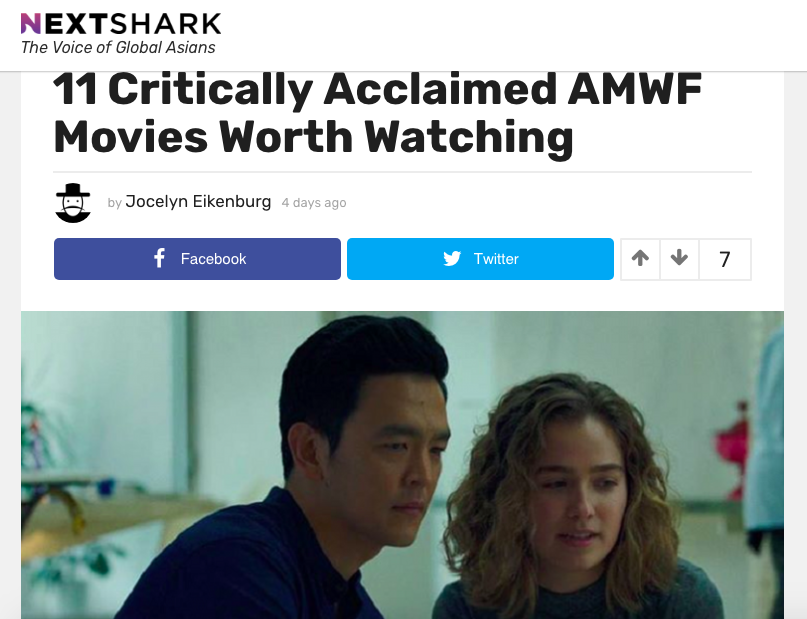
In particular, the statistics on Asian Male/White Female (AMWF) couples appeared rather alarming. Based on data from the 2008 study, AMWF marriages had a 59 percent greater chance of ending in divorce.

Whoa.

Granted, this wasn’t as high as the divorce rate for marriages between Black men and White women, deemed 200 percent more likely to split. But it also didn’t compare favorably with White Male/Asian Female (WMAF) marriages, with only a 4 percent likelihood of divorce.

So was the data illustrated in the “cute, handy chart” right about interracial marriages of Asian men and White women? Are our relationships really that vulnerable to divorce?

The short answer is, not necessarily.

Driven by curiosity, I headed over to the very Wikipedia article the Thought Catalog piece referenced to look at the section on marital instability among interracial and same-race couples.

Yes, there was the data from the 2008 study.

But — and this is a BIG but — there was also data from the 2009 study Marital Dissolution Among Interracial Couples which painted a completely different picture of the situation in Asian-White marriages compared with White-White marriages.

In this 2009 study, Asian-White marriages were the least likely interracial pairing to result in divorce, with even lower divorce rates than White-White marriages.

Or, as the authors of the 2009 study put it, “Mixed marriages involving Blacks were the least stable followed by Hispanics, whereas mixed marriages involving Asians were even more stable than endogamous White marriages.”

I was stunned.

The new data from the 2009 study in the Wikipedia page.

Why did the author of the Thought Catalog article and subsequent “cute, handy chart” ignore the 2009 data?

Well, it’s true the data wasn’t in Wikipedia when he was working on his article. (See screenshots of the page for Feb 13, 2014 and July 14, 2014 as proof.) But seeing as the 2009 study was already published and available in 2014, you can’t blame this on a Wikipedia omission alone.

And while we could sit around and ponder why the author of the Thought Catalog failed to do his due diligence on the subject of interracial divorce, I feel that his “cute, handy charts” (which probably should be renamed “cute, misleading charts”) are symbolic of our human tendency to want black and white answers, even when the reality isn’t so clear cut and conclusive.

It’s worth noting this from the 2015 study Same-Race and Interracial Asian-White Couples: Relational and Social Contexts and Relationship Outcomes, which references both the 2008 study by Bratter and King, and the 2009 study by Zhang and Van Hook (emphasis added):

Research on the outcomes of interracial relationships is inconclusive, with some evidence showing that Asian-White relationships are at less risk for relationship dissolution. Some research on interracial romantic relationships has found that interracial relationships involving Whites and Asians do not necessarily have worse outcomes than their same-race counterparts (Gaines & Agnew, 2003; Gaines et ah, 1999; Troy et al., 2006), challenging the long held notion of relationship dysfunction among interracial couples (Bratter & Eschbach, 2006; Bratter & King, 2008; Eeckhaut, Lievens, Van de Putte, & Lusyne, 2011; Heaton, 2002; Zhang & Van Hook, 2009).

In other words, you shouldn’t necessarily jump to conclusions about interracial divorce rates — or worse, enshrine them in potentially deceptive charts — including when it comes to Asian-White couples.

If you asked me what graphical illustration I’d use to represent the outcomes of interracial marriages, I’d say this is more on target:

When it comes to interracial marriages and divorce, we need more people asking the right questions — and less people coming to simplistic conclusions.

What do you think?

P.S.: The data above come from studies on interracial couples in the US. Still, for anyone wondering about interracial marriages and divorce in China, there doesn’t appear to be enough evidence to conclude, as people often do, that divorce is necessarily more likely.

For example, consider this quote from the 2013 study The Rise of Chinese-Foreign Marriage in Mainland China (1979-2010) (emphasis added):

As Figure 3 below shows, the number of divorces registered between mainland Chinese citizens and foreign nationals rose from around 80 couples in 1979 to over 1,000 couples in 2000. That figure increased to over 3,000 couples in 2003, before skyrocketing to nearly 9,500 couples in 2008. It then decreased to around 5,700 couples in 2010.

This decline is consistent with the fall in the number of Chinese-foreign marriages registered in mainland China starting in the early 2000s. The PRC’s Ministry of Civil Affairs began to disaggregate Chinese-foreign divorce statistics in 2005, by including separate figures for those involving ‘waiguoren’. Unsurprisingly, given the higher proportion of other categories of Chinese-foreign marriage until recently, most divorces relate to the ‘Chinese’ categories of Chinese-foreign marriage.

In other words, the divorce rate appears consistent with the rate of Chinese-foreign marriages registered in China, and the authors believe that many of these divorces are still between people of the same race and ethnicity.

* I’ve intentionally chosen not to link to the WeChat article I referenced, but if you absolutely must see it for yourself, search for the official account for HiTouch艾达旗 and check their articles in the past few weeks.
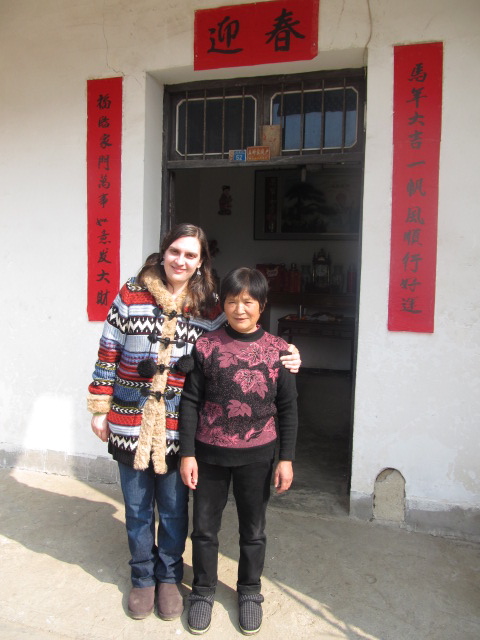
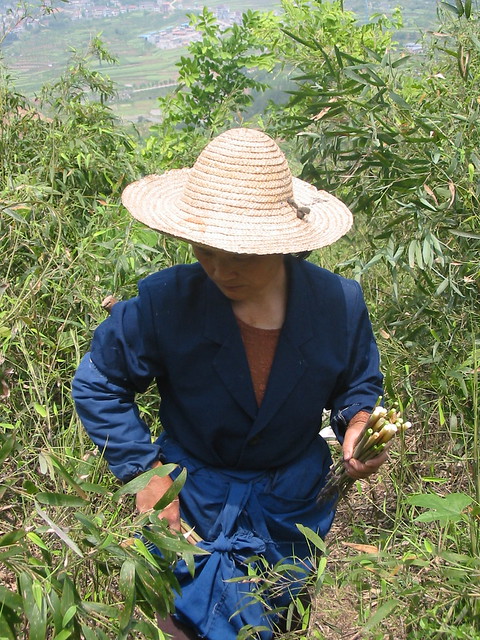
Photo Essay: 8 Favorite Pics of My Chinese Mother-in-Law, Showing Her Love

Recently, fellow blogger Marissa at Squirrels of a Feather did a post titled 10 Reasons Chinese Mother-in-Laws Rock. When I read her post, I was reminded of the many ways my Chinese mother-in-law is also amazing.

I’m not able to spend this mother’s day with any of the moms in my life (including my extraordinary stepmom back in America, who is as much of a mom to me as my own mother was). But I thought I’d take a moment to share a few of my favorite photos capturing some of the love my Chinese mother-in-law has shown me over the years. And here in China, where families rarely say “I love you,” it’s the actions that truly matter.

Wishing all of you a happy Mother’s Day!

Recently I wrote a column for China Daily titled Connecting Nature, Food, Life in Mountains, and it was inspired by the time my Chinese mother-in-law invited me to come up the mountain with her to gather wild edible plants. Here’s a photo from that day, with my mother-in-law holding a handful of wild bamboo shoots. It was so lovely of her to share this experience with me.

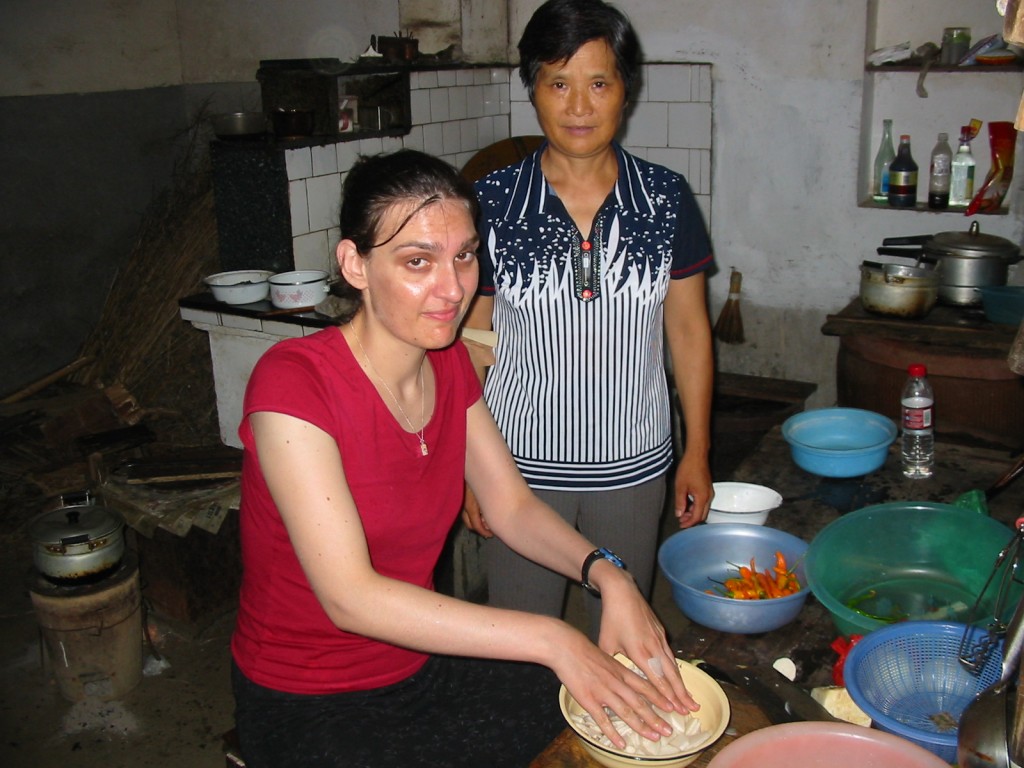
When I was staying with my husband’s family one summer, I complimented my mother-in-law on her mouthwatering pickled radish and asked about the recipe. So one afternoon, she actually taught me how to make it — and yes, it was as hands on as it gets!

IMG_2537

Every spring for the Tomb-Sweeping Festival (also known as the Qingming Festival), my mother-in-law prepares Qingming snacks from scratch. The green color of the snacks comes from the aromatic mugwort, which grows wild all over the village and the mountains. Here she’s preparing the dough, which will eventually be shaped into sweet rounds and savory turnovers.

IMG_2536

A number of holidays during the year, including Chinese New Year, call for savory turnovers known as migu and my mother-in-law always spends time making huge batches for us and relatives who visit. Here she’s laying out the finished turnovers, which will later be steamed or fried and then served up.

IMG_20151120_112405

I’ve often praised my mother-in-law’s homemade tofu (including in a China Daily column I wrote up for Chinese New Year this year) and it’s extraordinary to witness her in the kitchen, going through the process of crafting this essential Chinese food. She always makes extra for me, the vegan, and sends me home with more than any person could humanly consume.

People close to me know that vegan Chinese shaobing, or stuffed flatbread, is one of my favorite treats, and that includes my mother-in-law. For a time, whenever I stayed with her I would soon catch her in the kitchen cooking up another batch of what I think of as “Chinese pizza,” and always send me home with a huge stack of them for quick meals. Yum!

During the winter solstice, my mother-in-law showed me how to make sesame balls or maqiu, a traditional holiday treat. It was fun learning the process as well as helping to keep the fire-powered wok supplied with wood!

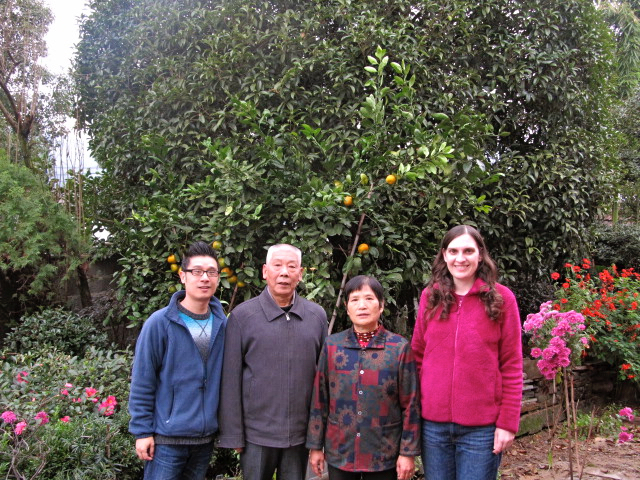
My mother-in-law and I stand before the family home during a Chinese New year.

Wherever you are in the world, here’s hoping you have a wonderful Mother’s Day!

Now a Monthly China Daily Columnist — Here’s ‘Connecting Nature, Food, Life in Mountains’ for May

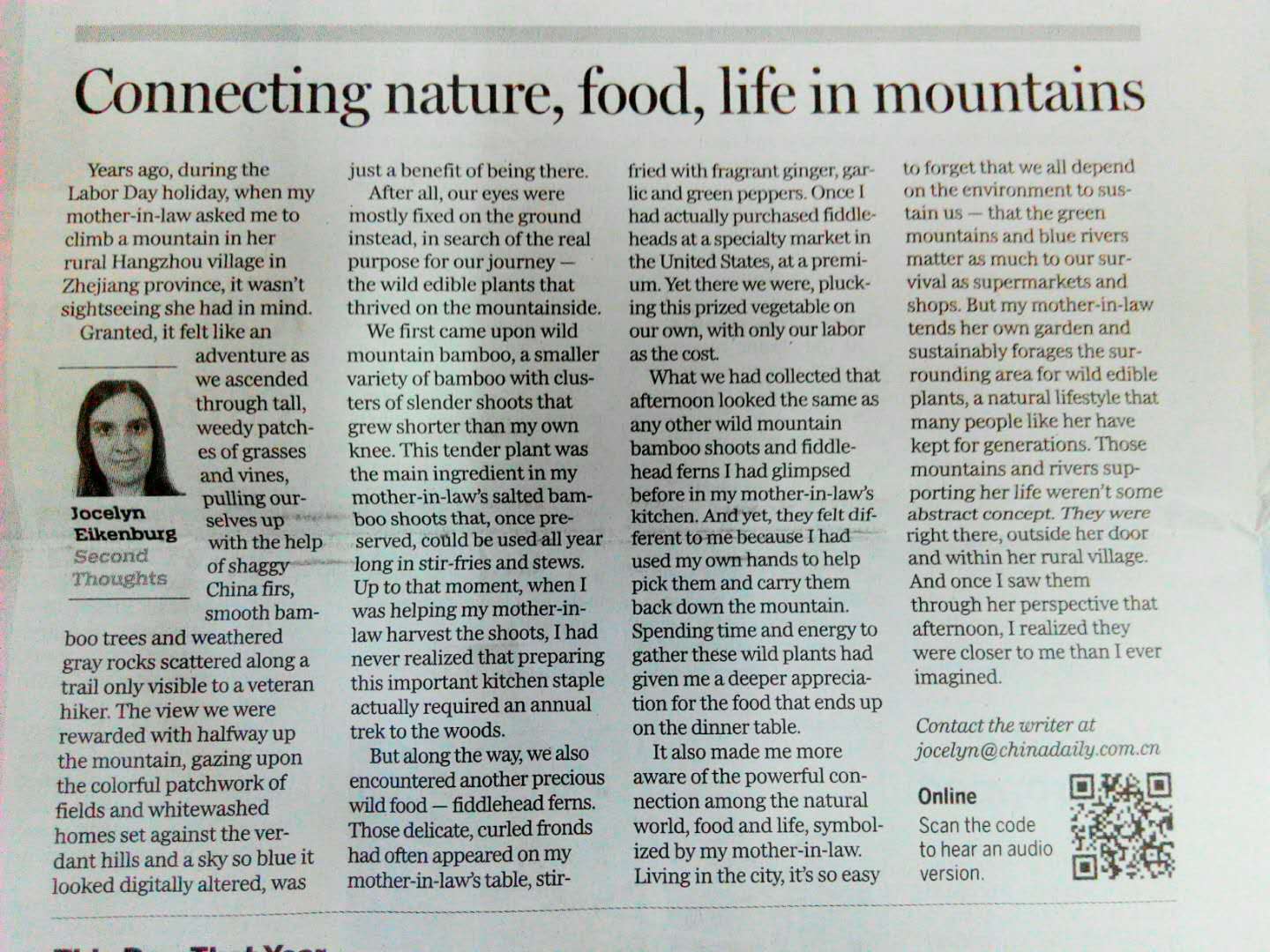
China Daily has made me a monthly columnist for the newspaper, starting in May! Here’s an excerpt from my May column Connecting nature, food, life in mountains:
Years ago during the Labor Day holiday, when my mother-in-law asked me to climb a mountain in her rural Hangzhou village, it wasn’t sightseeing she had in mind.

Granted, it felt like an adventure as we ascended through tall, weedy patches of grasses and vines, pulling ourselves up with the help of shaggy China firs, smooth bamboo trees and weathered gray rocks scattered along a trail only visible to a veteran hiker. The view we were rewarded with halfway up the mountain, gazing upon the colorful patchwork of fields and whitewashed homes set against the verdant hills and a sky so blue it looked digitally altered, was just a benefit of being there.

After all, our eyes were mostly fixed on the ground instead, in search of the real purpose for our journey — the wild edible plants that thrived on the mountainside.

The column also ran on the China Daily WeChat account, where you can also listen to me reading the article. You can read the full column online — and if you like it, share it!

P.S.: If you’re curious about my experiences with wild edible plants and rural life, I recommend reading my posts Things I’ve Learned from My Chinese Family: 3 Amazing Wild Edible Plants and 8 Surprising Things I’ve Learned from Living in China’s Countryside.

“Mom” And “Dad” Is What I Call My Chinese In-Laws — and Here’s Why It’s Easier Than I Thought

Years ago when my husband Jun and I got our little red marriage books in China, I remember traveling back to his village and proudly showing off the photos of our civil marriage ceremony. While it still didn’t count to his family as a real wedding (in China, it’s normal to get married on the books, called dengji/登记 in Chinese, well before you actually have a wedding ceremony), they were pleased to see the two of us committed for life.

And as I learned, that commitment meant changing how I addressed Jun’s parents. From then on, Jun instructed me to call them Laoba (老爸) and Laoma (老妈), just like him. Or Baba (爸爸) and Mama (妈妈) — the universal Chinese words for “Dad” and “Mom” — if I so desired. The bottom line was, I would now refer to them as if they were my own parents, in the most intimate terms once only reserved for my father and mother.

This isn’t the norm in the America I grew up in, where you call your in-laws by their first names. And given all the jokes about in-laws (and the American tendency to want to live as far from your in-laws as possible), I’m sure there are some Americans out there privately referencing their in-laws using expletives. The bottom line, though, is that in America there’s always this implied distance from your in-laws — a distance that I was never expected to have with Jun’s parents.

Being suddenly asked to call two people who never raised me “Mom” and “Dad” should be an adjustment. And to be sure, it did take some getting used to. But it was actually a lot easier than I thought for a very simple reason.

I was calling them “Mom” and “Dad” in Chinese, not in my native language of English.

Even though Laoba, Laoma, Baba and Mama were just as intimate as the words “Mom” and “Dad” that I grew up using, I had never called my parents by the Chinese versions. So in way, it actually freed me to easily adjust to using them with Jun’s parents. I didn’t feel like I was stretching any definition of who “Mom” and “Dad” were because it sounded different.

Now it’s like second nature and I don’t even think about it anymore. That’s who they are — Laoba and Laoma.

So I have to wonder, is it harder for Chinese people to get used to this? Do they struggle to refer to in-laws with such intimate terms?

Then again, this is just about what to call someone. Now family relationships, the day-to-day stuff, that’s the real struggle (one that, admittedly, can lead to the use of expletives or other unflattering names at times).

But that’s another story for another day.

What do you think?

Photo Essay: The Romance of Spring Flowers in Beijing

After spending so many years in the lush subtropical climate of Hangzhou, a city renowned for its many flowers that grace the West Lake year-round, I didn’t have high expectations for Beijing’s spring.

How could a city hit by yearly sandstorms possibly dazzle when it comes to flowers?

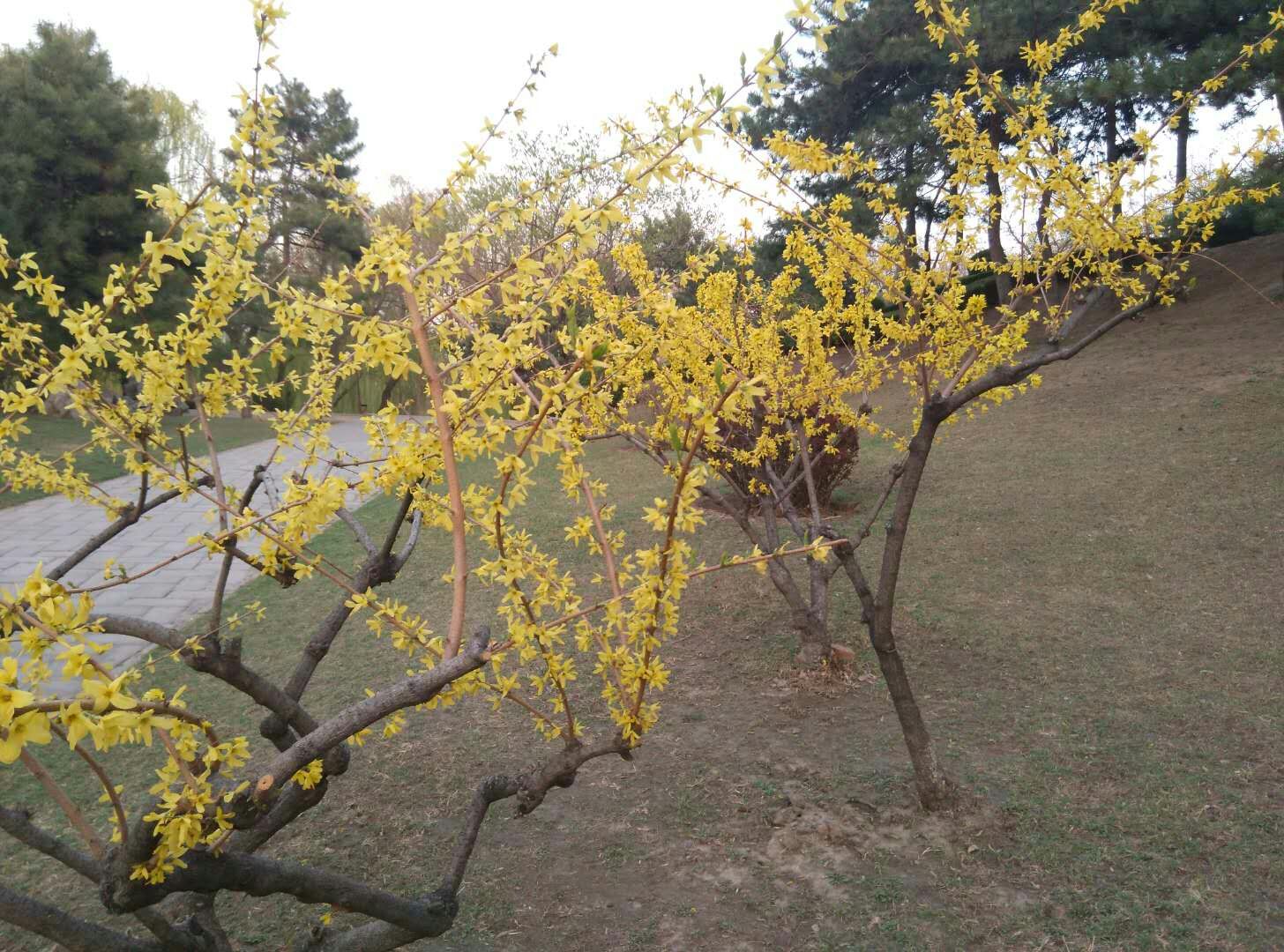
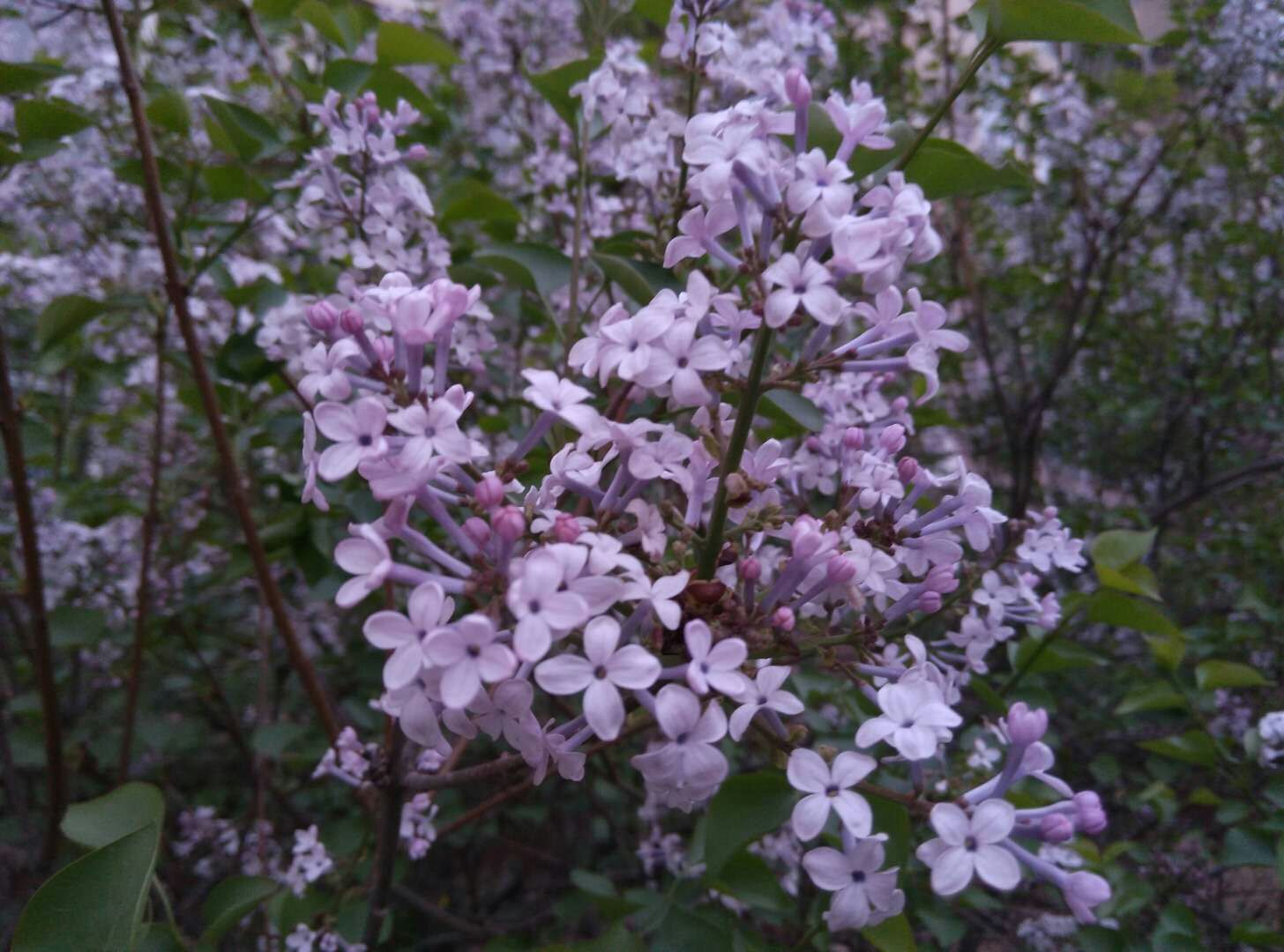
And then, while wandering through the local park close to where we live, I found myself charmed in the presence of the many colorful blossoms popping up all around us. I couldn’t believe that this average city park turned into a brilliant parade of spring flowers.

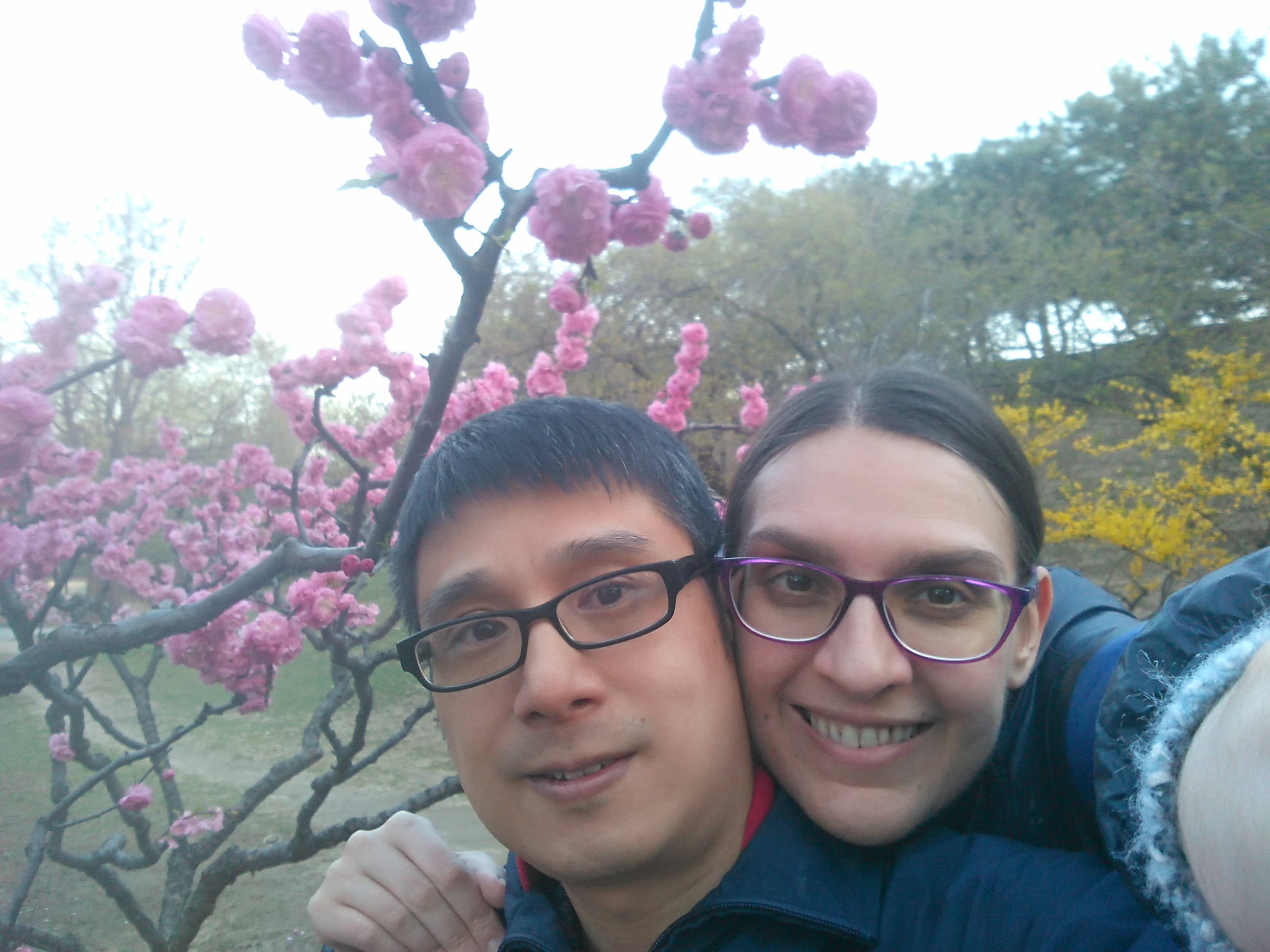
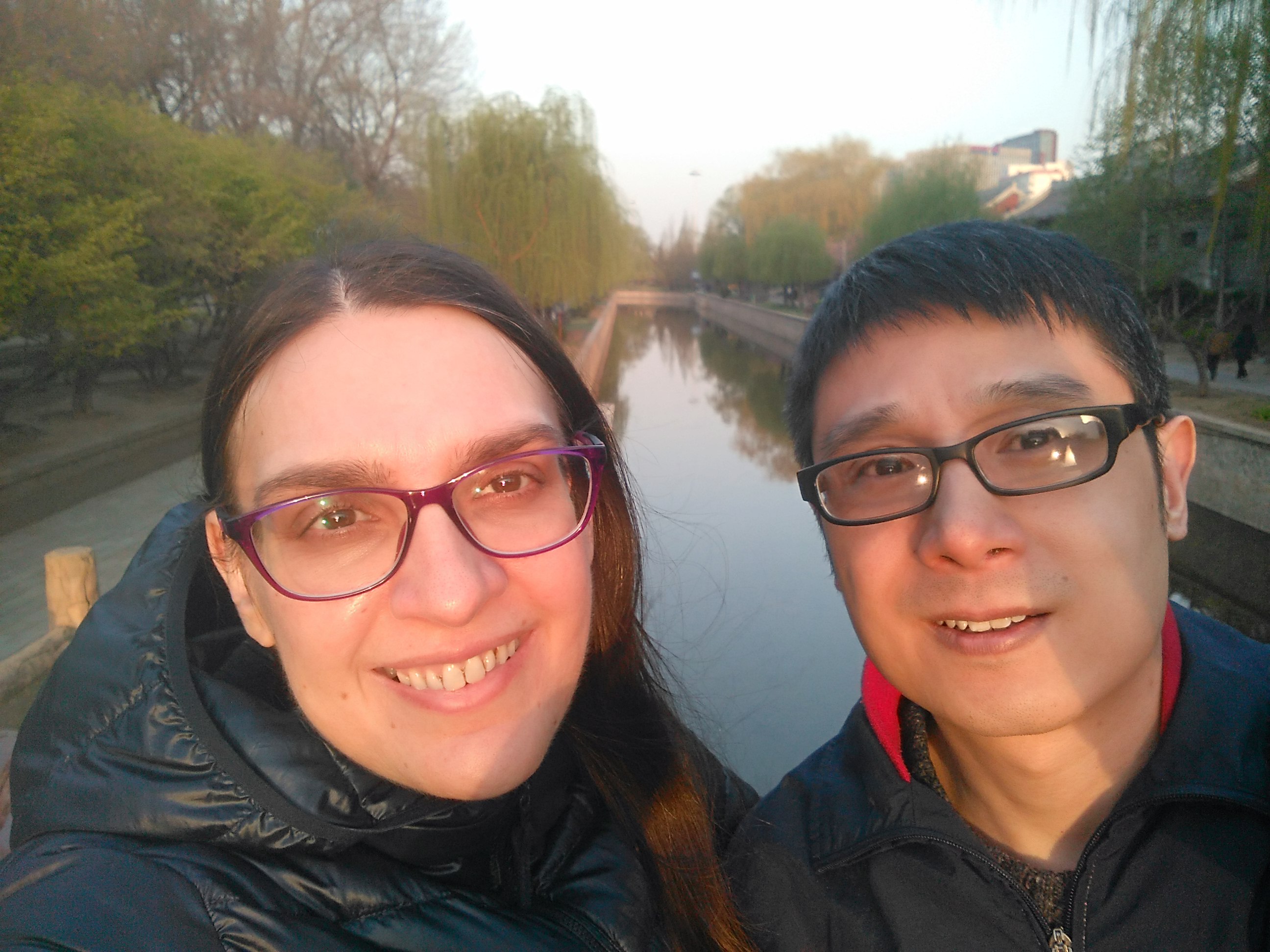
While I’m catching up from a very busy week, I thought I’d share some of my favorite recent pictures of flowers, including a few selfies of me and Jun.

Wherever you are, hope you’re enjoying the romance of spring flowers in your neighborhood!

\

Do You Need to Wear a Cheongsam in Your Chinese Wedding?

When you tie the knot across cultural and even international borders, as I have, the whole idea of “I do” suddenly becomes even more complicated. Now you’ve got another culture to consider, with its own set of expectations for the wedding.

If that culture happens to be Chinese, that means there’s another possibility for your wedding dress – the cheongsam. Which leads to this question:

Do you need to wear a cheongsam in your Chinese wedding?

For those of you who don’t know about the cheongsam, also known as the qipao, it’s a high-necked and form-fitting style of dress with slits down the skirt, often on both sides. The dress first appeared in 1920s Shanghai as a modern take on traditional Manchu garb, and has since evolved into a stylish tradition of its own for women in China.

By C.H.Wong Photo Studio.Shanghai.China.中国上海王开摄影有限公司 – http://blog.voc.com.cn/blog.php?do=showone&uid=2785&type=blog&itemid=85453;http://www.kaixin005.com/repaste/3273028_2612066860.html, Public Domain, https://commons.wikimedia.org/w/index.php?curid=8669270

While most women in China don’t wear the dress on a daily basis, it does appear at certain holidays (like Chinese New Year) and special occasions such as weddings. So it’s very common to see brides wearing cheongsam in their pre-wedding photos and at their wedding ceremonies or banquets.

But does that make the dress a must-have in your Chinese wedding?

The short answer is, not necessarily.

I’ve attended a number of Chinese weddings where the brides never even wore a cheongsam. While you’re almost guaranteed to see Chinese brides decked out in a white frothy gown fit for a princess, the cheongsam is generally optional. (Unless, of course, it’s an expectation or wedding tradition of the Chinese side of the family.)

Still, a lot of brides in China will opt to have a cheongsam for a number of reasons. First, you get to wear more than one dress – three is very typical for weddings in China — which means, at least here, you don’t have to choose. And second, the cheongsam is a gorgeous way to add a little Chinese flair to your bridal look.

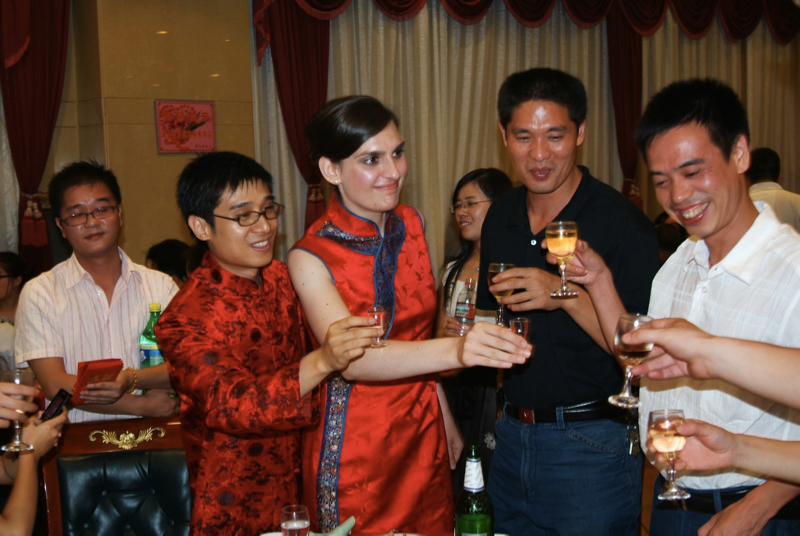
Many women have rocked the cheongsam in their Chinese weddings, and it’s hard to resist the allure of this sexy dress, which hugs every curve. I ended up wearing two in my own Chinese wedding ceremony (which I’ve shown in the photos I included with this post).

So really, the question shouldn’t be, do you need to wear a cheongsam in your Chinese wedding? Instead, you should ask yourself, do you want one?

P.S.: While you can purchase a cheongsam or qipao online through stores such as Amazon, I highly recommend getting yours tailor-made in Asia. Here’s a list of tailors in Hong Kong, a list of tailors in Shanghai, and a list of tailors and stores in Beijing.

P.P.S.: While the issue of cultural appropriation can come into play whenever non-Asian women are wearing a cheongsam, I like Walking May’s take on this:

I feel the difference between the offensive and non-offensive is crucially ‘how one wears the traditional dress’, so here’s a few ideas to consider:

  • Research that dress! If you would like to wear a Qipao (Cheongsam) respectfully, then do a little research into what looks nice with it and know the name of what it is that you will be wearing. It is probably best not to mix a widely perceived Chinese dress with items from other Asian cultures, to avoid making broad statements about all Asian cultures, or indeed dig out the political through a historical war context that could simmer a stereotypical grudge of some sort. If in doubt, keep it simple.

  • Mere fun-filled costume or true loving appreciation? Your intention matters, and how you choose to wear a traditional garment will allow others to decipher information about you as well as how you feel about the garment. If you love something, then you will simply want to do it justice and appreciated it in the best way that you can.

What do you think?

“Don’t Eat Potatoes and Eggs Together” – and in China, She Wasn’t Alone in This Belief – Pub’d on WWAM BAM

The group blog WWAM BAM just published my post “Don’t Eat Potatoes and Eggs Together” – and in China, She Wasn’t Alone in This Belief. Here’s an excerpt from the post:

Many years ago here in China, I remember sitting down to lunch with the wife of my husband’s cousin on a sultry summer day. Surrounded by the tempting aromas of the many delicacies covering the table, we invariably turned our thoughts – and the conversation – to food.

I still don’t remember exactly how we stumbled upon the idea of foods you should and shouldn’t eat. But somehow, the topic surfaced in our friendly chat at the table. And that’s when she began pointing out some curious combinations of foods you should never, ever eat together. Including one suggestion that, to me, was baffling.

“Don’t eat potatoes and eggs together,” she said, explaining that the combination was supposedly harmful to your health.

She might as well have been wagging her finger at me and my entire family in America, not to mention entire countries in the West. ….

I had yet to perish from my allegedly “hazardous” egg and potato dishes. And as far as I could tell, the entire country of Spain was doing just fine, with no plans to suddenly cancel one of their most beloved foods. How was it possible that biting into a potato omelette would put your life at risk?

To read the whole post, head on over to WWAM BAM. And if you like it, share it!


Is It AMWF Relationships? Or AMXF? Or WWAM? And Should We Even Label Ourselves?

In 2009, when I first began blogging about my interracial relationship – and how it wasn’t so common in China – I wasn’t aware of any acronyms to describe it.

Then I discovered AMWF, AMXF and WWAM. Nowadays, these acronyms have become powerful connectors and tags that have given rise to new communities.

That of course, leads to new questions. Such as, what’s the right one to use? And should we even bother with all the labels?

AMWF relationships

AMWF (Asian Male, White Female) relationships

I’m not exactly sure when I learned about AMWF, which most people refer to as Asian Male, White Female. But what I do know is this — AMWF is probably one of the most popular acronyms out there to describe the very relationship I have with Jun. He’s an Asian man, I’m a White woman.

So it’s not surprising, then, that many people have blogged about AMWF relationships.

One of the most popular was penned a few years ago by Grace of Texan in Tokyo, who wrote about the good, bad and ugly of our relationships. Blogger Anna Reco has shared many love stories of AMWF couples, including this one advising other couples they’ll need patience, understanding and the will to go on. Meanwhile, Laura, who blogs with me at WWAM BAM, penned a post about the influence of race in our relationships, and Autumn at When West Dates East even devotes an entire tag to whether couples like us “can survive the parents”.

And of course, AMWF relationship hashtags abound (Instagram and Twitter, I’m looking at you), while you’ll find tons of videos on Youtube.

Now, on this blog, I’ve diverged a bit when interpreting AMWF relationships as being “Asian Male, Western Female.” That’s because the perspective can be a little different over here in Asia.  I’ve developed a camaraderie with many women from Western countries around the world dating and/or married to Asian men. That includes women who are not White and also women who are Asian themselves but born and raised in a Western country (like my friend Michelle Guo, who is Chinese American and married to a man from China). For us, it’s issues of culture that often come to the forefront of our relationships.

But if AMWF relationships doesn’t work for you, here’s another option:

AMXF instagram
A screenshot of an Instagram search using the term “AMXF”

AMXF (Asian Male, Non-Asian Female) relationships

Enter AMXF, which stands for Asian Male, Non-Asian Female, and describes a wider range of women in interracial relationships with Asian men – including Black women, Latinx women and White women. While the acronym appears less often in internet searches, you can find it in a number of online spaces — from discussions in Reddit groups (on the idea of being woke in these relationships to reasons why there are fewer of these couples)  to forum posts to hashtags on Instagram to even Youtube videos like this.

AMWF relationshipsWWAM (Western Women, Asian Men) relationships

So, just when you thought we couldn’t possibly stir up the alphabet soup of acronyms to describe our relationships, here’s another: WWAM (Western Women, Asian Men) relationships.

The term WWAM first emerged a few years ago when it became attached to the name of a virtual community in China, uniting women from Western countries who happened to have Chinese boyfriends or husbands. The community grew and so did people’s identification with the label (some even calling themselves WWAMs).

Later, the term WWAM inspired the name of our group blog WWAM BAM (Western Women, Asian Men – Breaking All Molds).

As I mentioned above, we gravitate toward the term “Western women” because cultural differences often loom large in our relationships.

Is it AMWF relationships? Or AMXF relationships? Or WWAM relationships? And does it matter?

But now that we have three acronyms in play, is it better to say AMWF relationships or AMXF relationships or WWAM relationships? What should you use?

I personally feel it depends on your perspective and what feels most comfortable (and descriptive) to you. There’s not necessarily one right answer.

But then again, does it even matter? Should we care about labels – or identify with them?

Not everyone wants to categorize their relationship with an acronym like AMWF. After all, just because your relationship looks similar to others, it doesn’t necessarily mean you’re going to have a lot in common.

If you’d rather ditch the labels and find your community elsewhere, then I say more power to you. Nobody has to wave an AMWF or AMXF or WWAM flag in their lives, even if they happen to be in a relationship like that.

However, I’ve embraced AMWF and AMXF and WWAM for a very simple reason – because they allowed me to connect with other people who share many of the same experiences I’ve had. Whether that’s cultural differences in how people show their love or meeting the parents or even handling negative comments about our relationships. Some of my closest friends have come from the community. We meet up, chat, support each other in difficulty and even blog together.

Knowing them doesn’t mean I don’t have other “tribes” as well, circles of people who share other interests of mine (like reading books or hiking in the woods).

But when I think back to my first steps into China —  a time before the rise of social media, blogs and even video calling — I remember feeling so isolated as the foreign girlfriend of a Chinese man. I couldn’t even share it with my foreign coworkers (who actually said some openly racist things about Chinese men around the dinner table).

After years of that, finding the community was a revelation, the most universal and comforting of all. Finally, I wasn’t alone.

What do you think? Do you prefer AMWF relationships or WWAM relationships? And does it even matter?

“Marrying Chinese Men Means Less Talk, but More Respect and More Help in the Household” – Featured in the Global Times

People close to me know this has been an extraordinary busy month — which is why I’m late in sharing some good news.

Earlier this month, the Global Times featured me (along with two other women, including fellow blogger Jo Bai of Life Behind the Wall) in an article titled Marrying Chinese Men Means Less Talk, but More Respect and More Help in the Household.

Here are some excerpts from the piece:

Jocelyn Eikenburg, who lives in Beijing and founded the popular expat blog Speaking of China, describes being married to her Chinese husband as “intercultural, interracial, international and bilingual.”

Like De Leye, Eikenburg also found that there are major differences in the way she and her husband express their feelings. Growing up in the US, she watched her parents express love through words, kisses and hugs.

“Here in China, love is something that is shown through actions, such as making you your favorite dinner or buying you something special, and married Chinese men are less likely to kiss or hug their spouses in front of others.” …

Eikenburg says her husband is wonderful at home. He does a lot of housework and always helps prepare dinner. His ideas about couples sharing the work might have been influenced by his parents. When he was growing up in rural Zhejiang Province, both of his parents had to work and also helped around the house, she said.

“There’s no doubt that in a country as large as China, there are regional differences in terms of culture and that may influence what families tend to consider the norm in marriages and households. And I have heard some of these ideas, such as how Shanghai men supposedly make great husbands,” she said.

“My husband’s family is also an example of a household that might not have followed the typical pattern for the village, which reminds me that it’s always important to keep an open mind and never assume that a person will fall in line with the general beliefs or stereotypes.”

Eikenburg also noted that there is a drastic difference on this point between the urban areas and the countryside.

“I’m pleased that my brother-in-law and sister-in-law, who have a daughter, always tell her that they want her to go to college and do well in school; that’s encouraging to see.”

You can read the full article here on the Global Times. And if you like it, share it!